Flag Explorer
Flags of the World
195 countries · 5 additional flags
Explore country flags and their meanings.
Find a flag by appearance
Stripe sequences read from the pole for vertical flags and from the top for horizontal flags. Color filters use the main design colors. Symbol matches include recognizable details in a canton or coat of arms on the flag shown.
Preparing your world map…
Select a country or a small-country dot. Drag to move; use + / − to zoom. On touch screens, use two fingers to move the map.
Map artwork follows country shapes. Select a country to see the original flag. Areas outside this collection are muted.
Flags with names
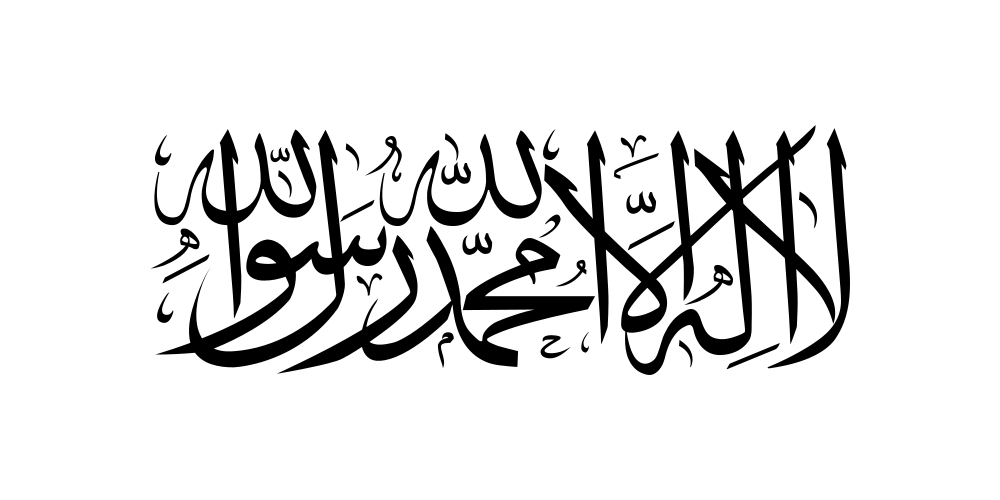
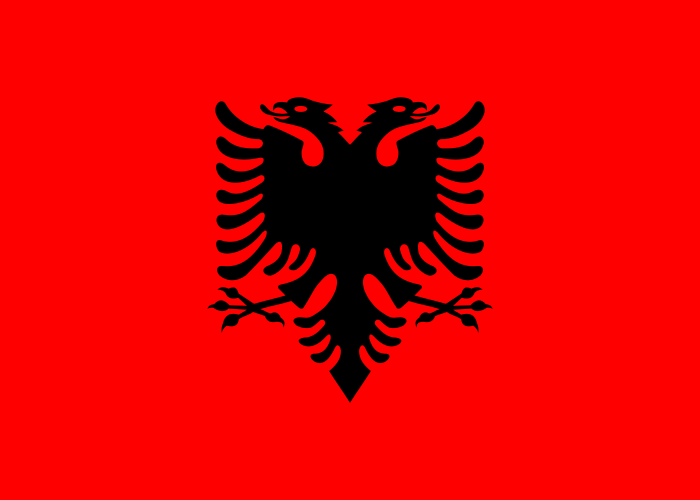
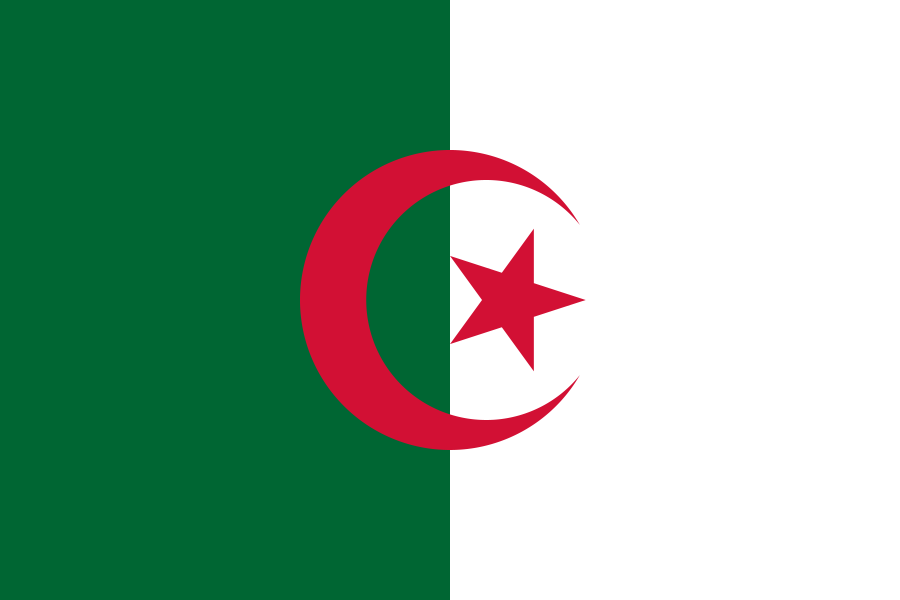
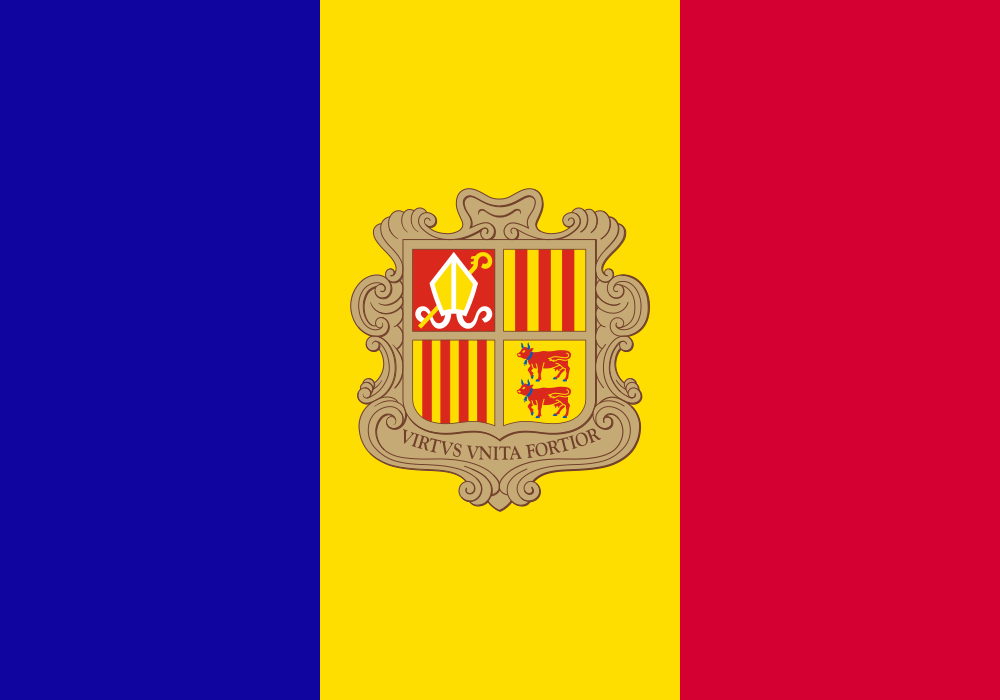
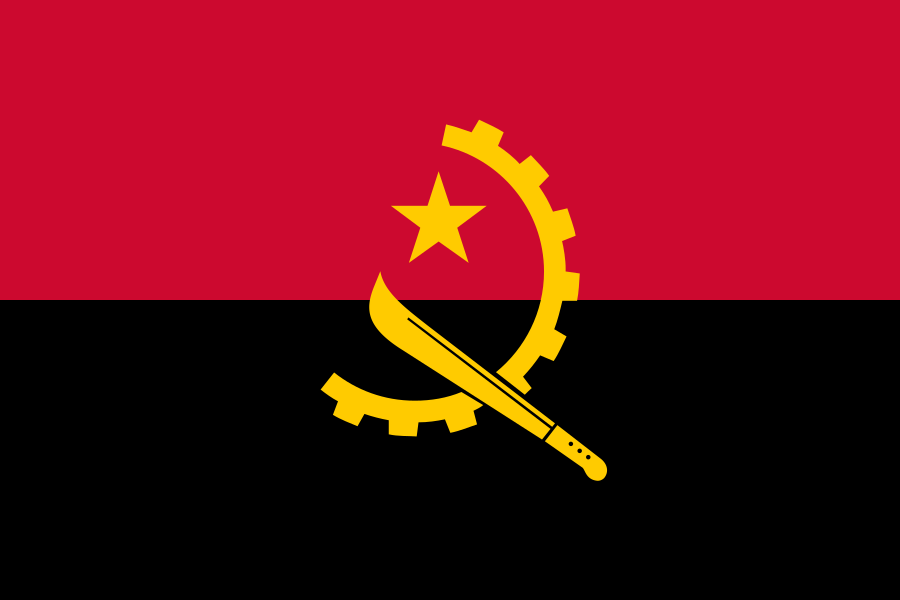
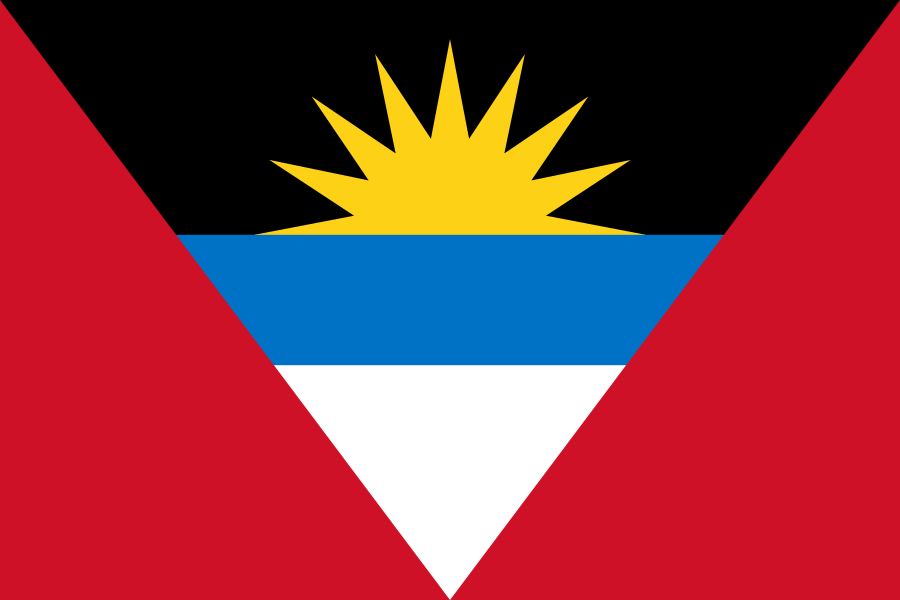

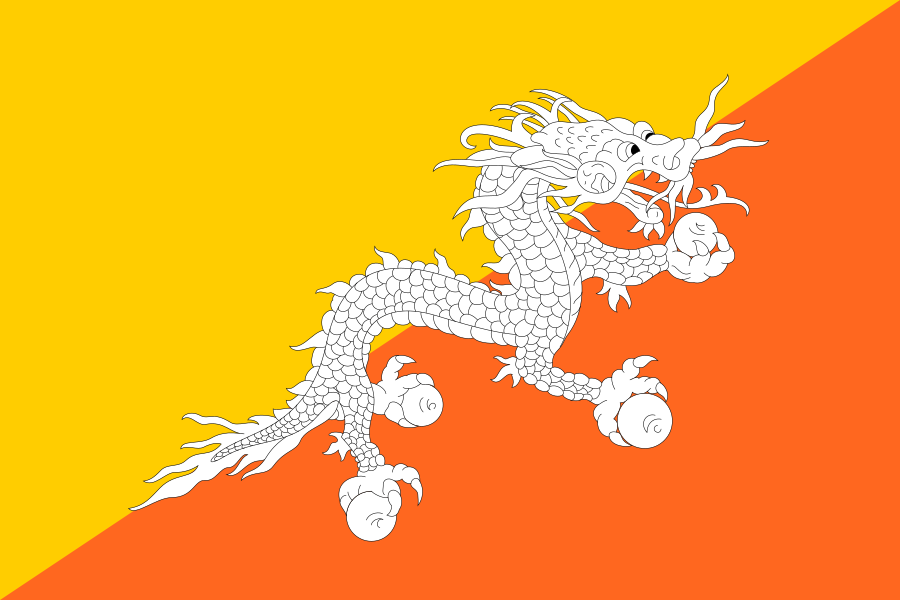
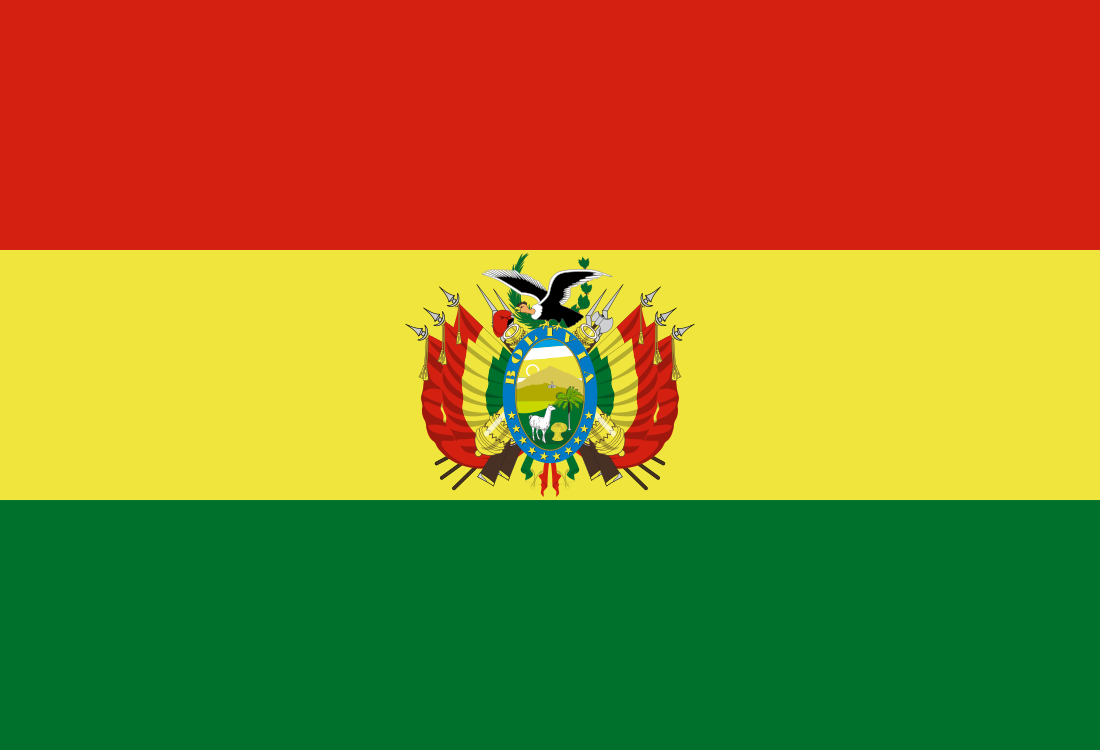
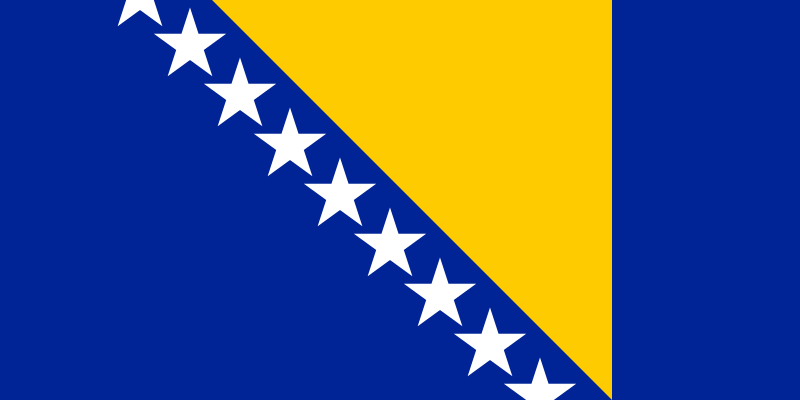
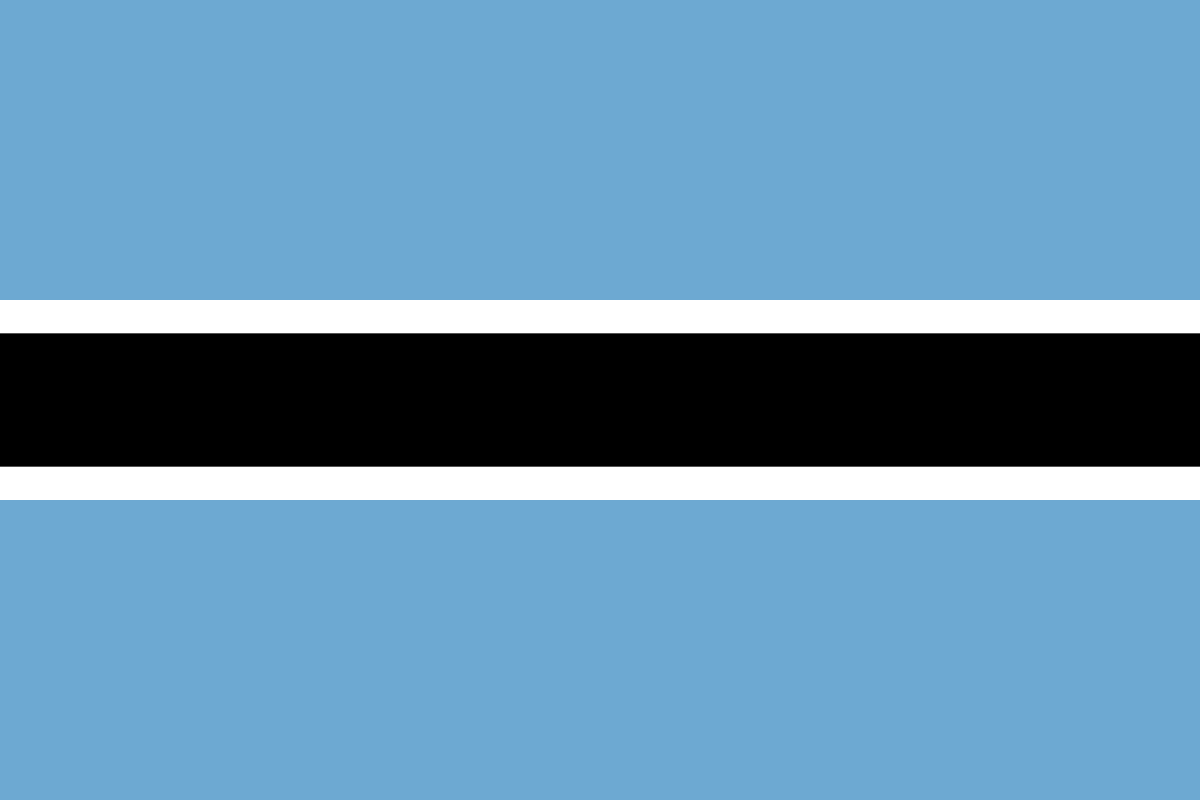
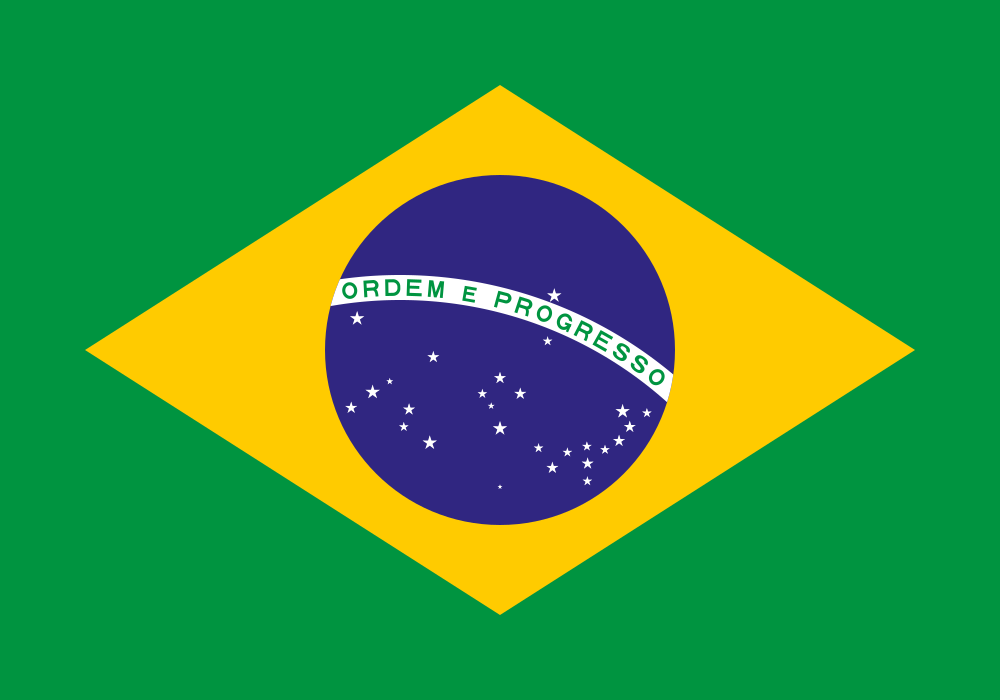
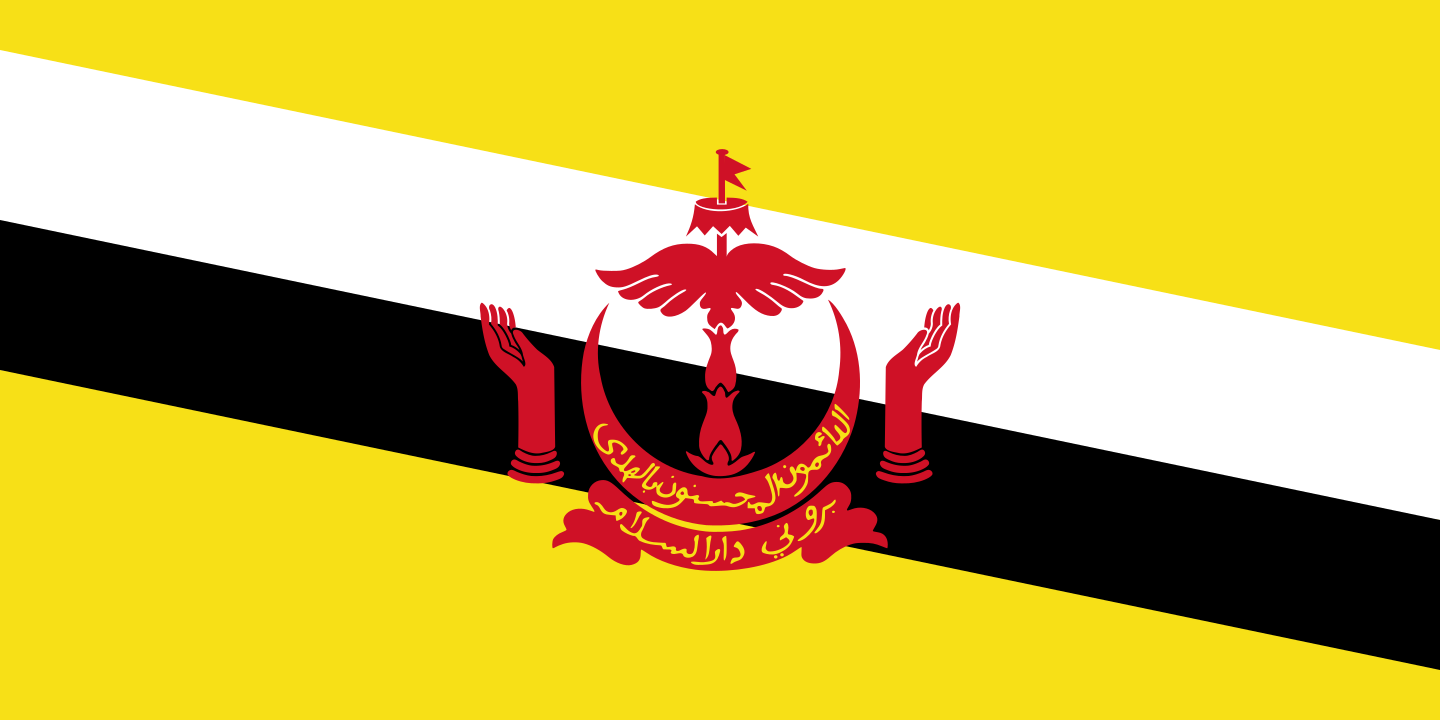
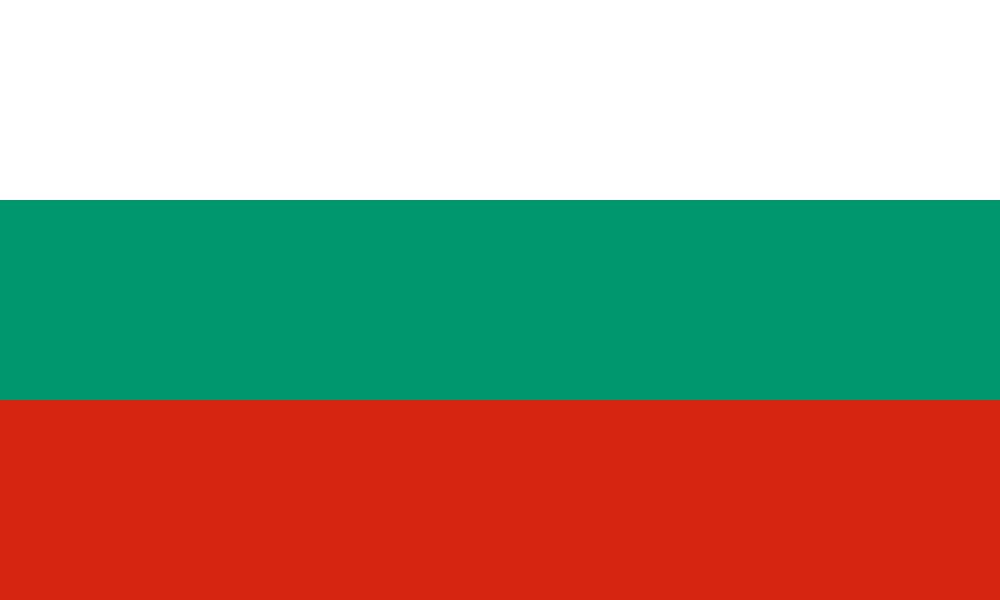
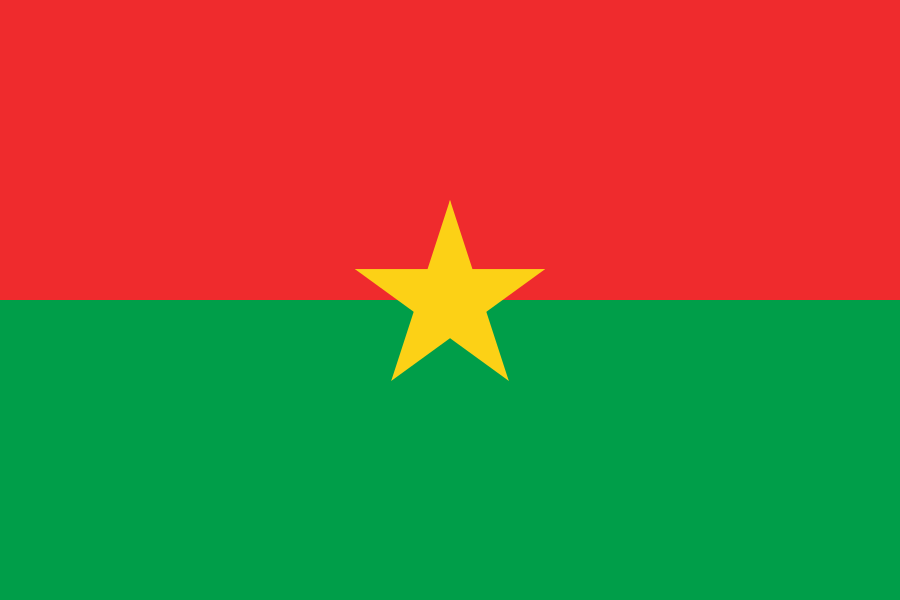
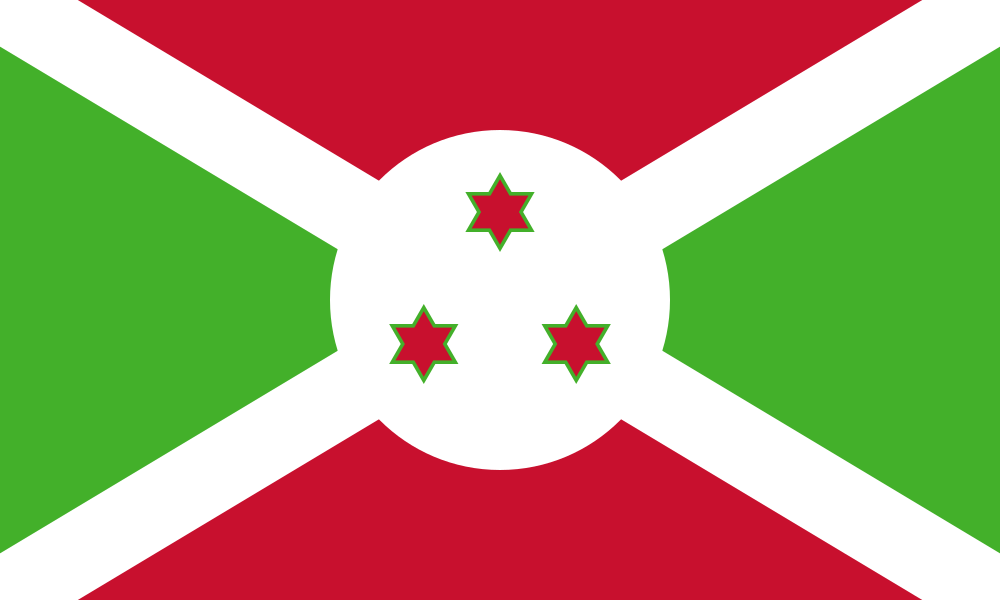
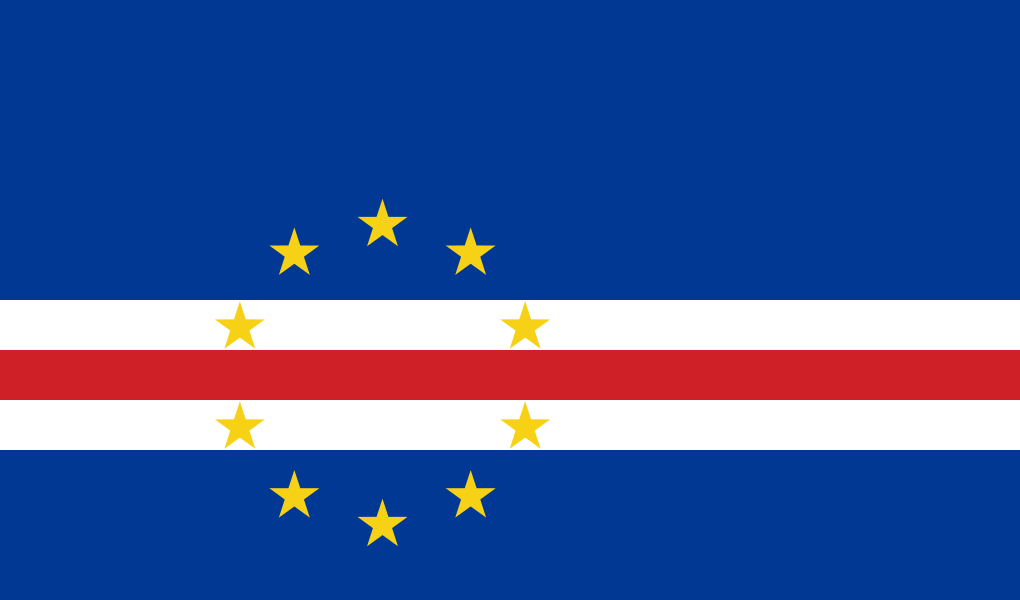
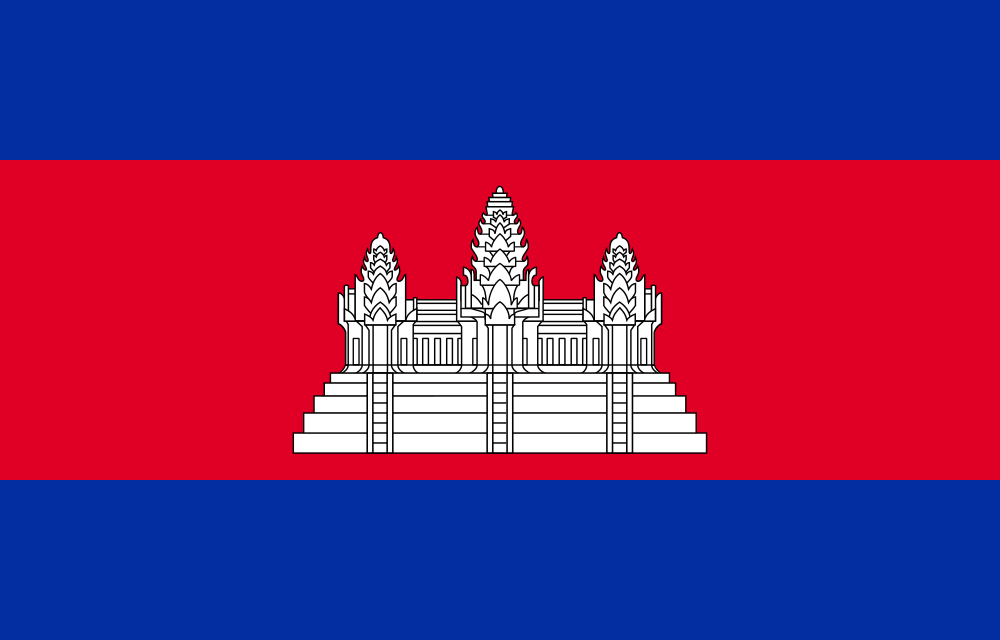
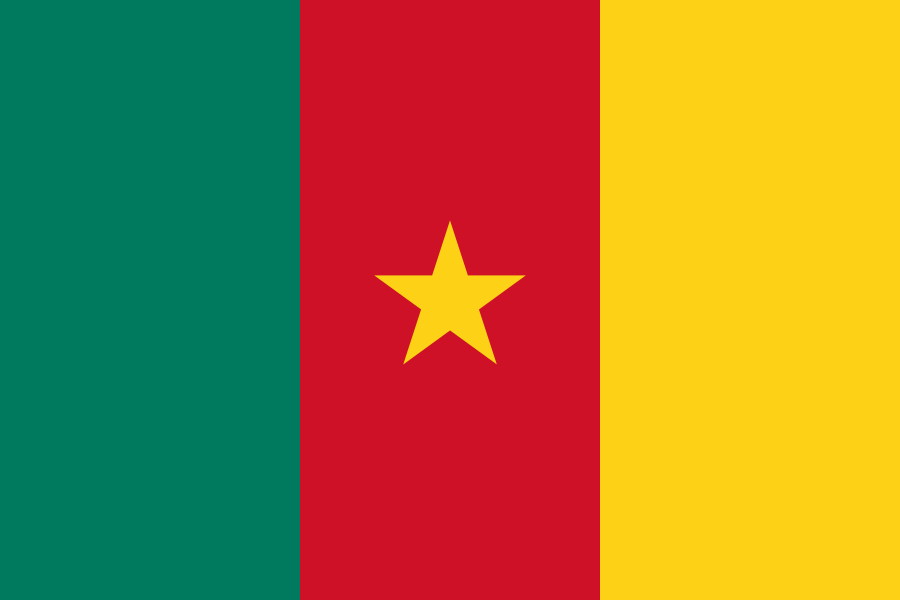
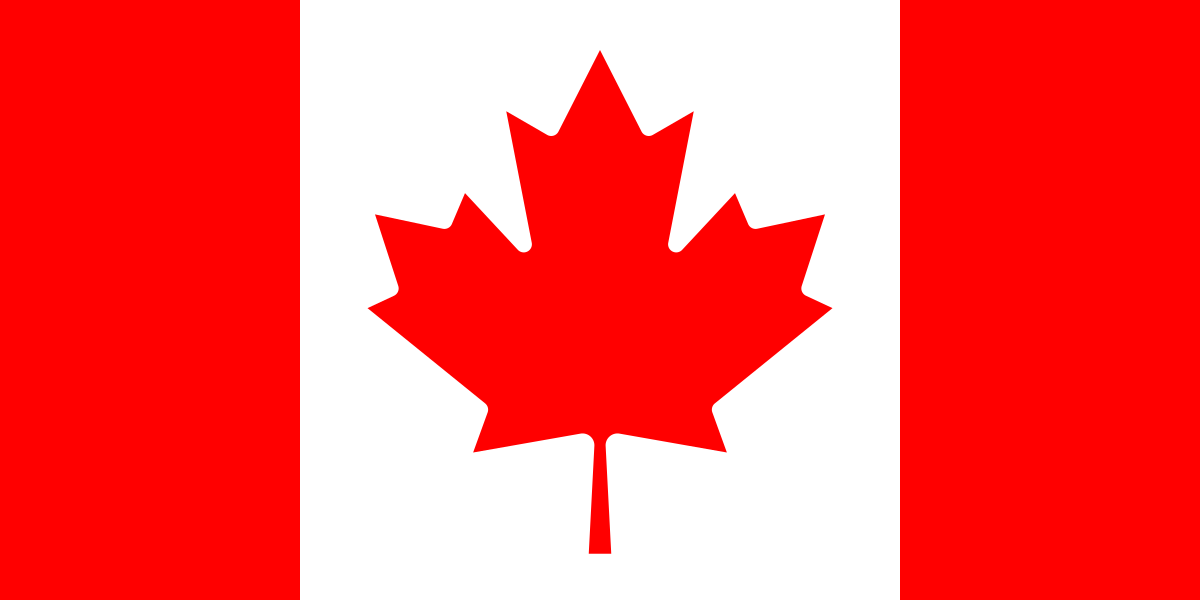
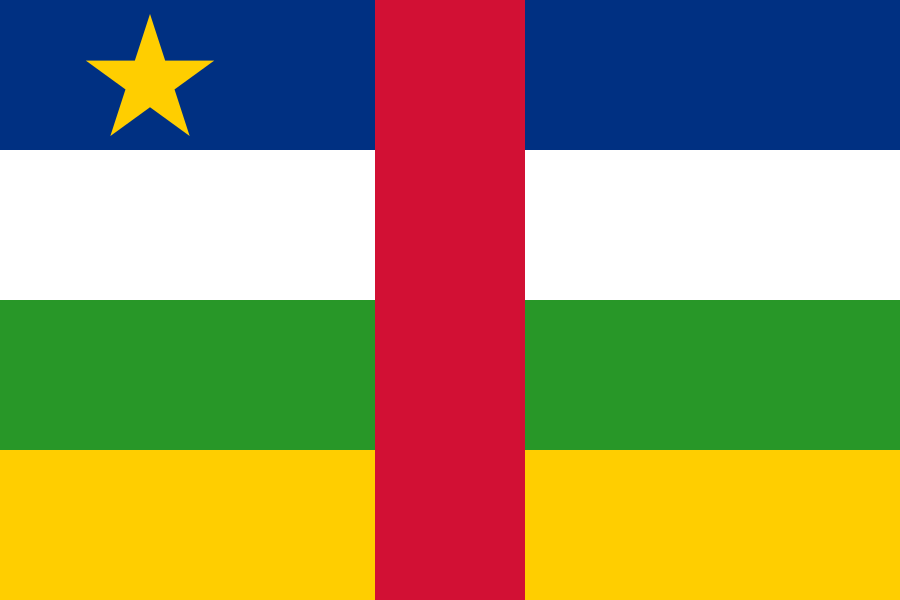
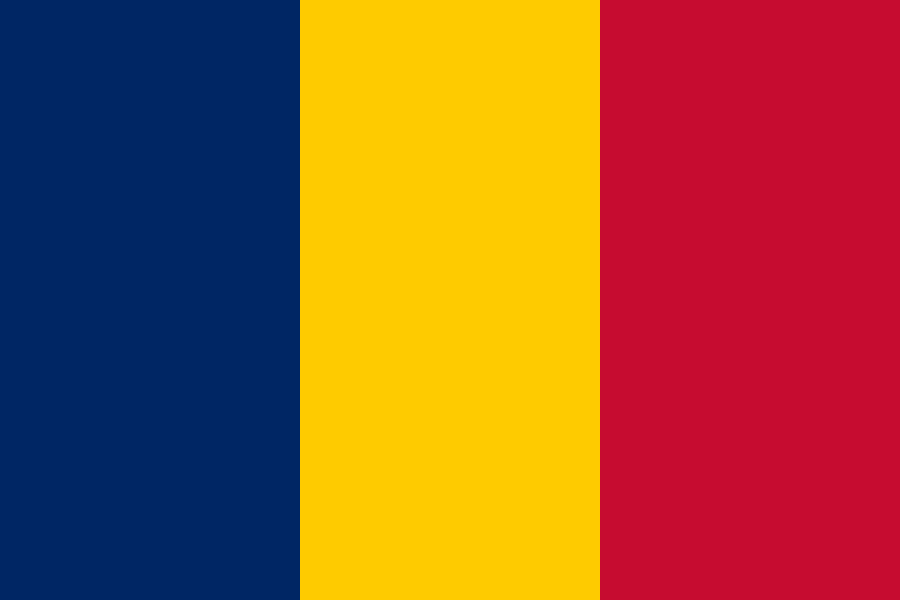
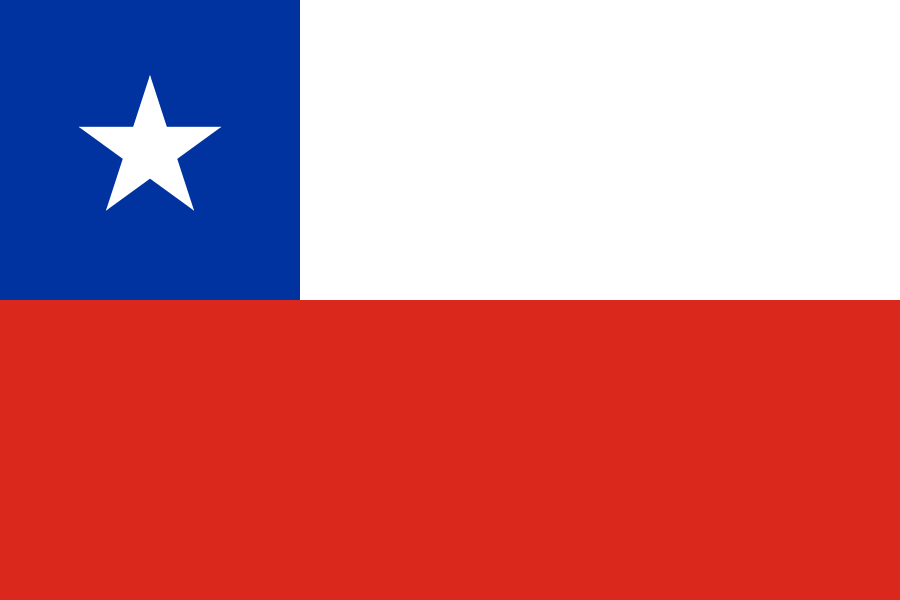
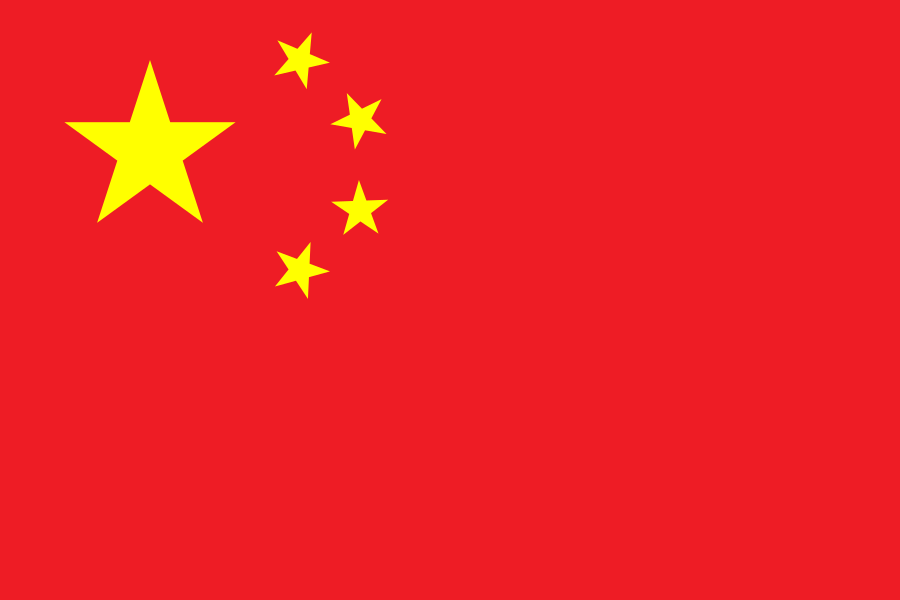
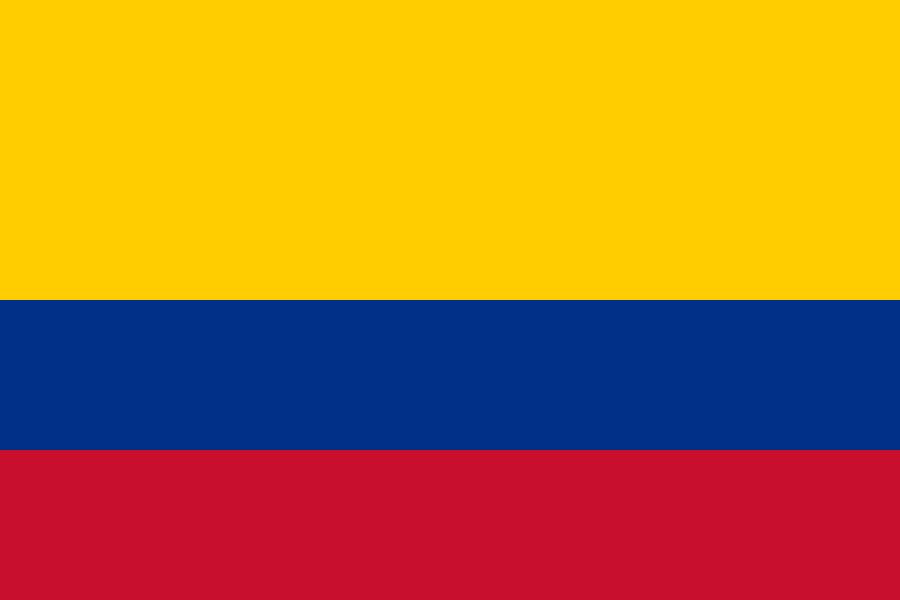
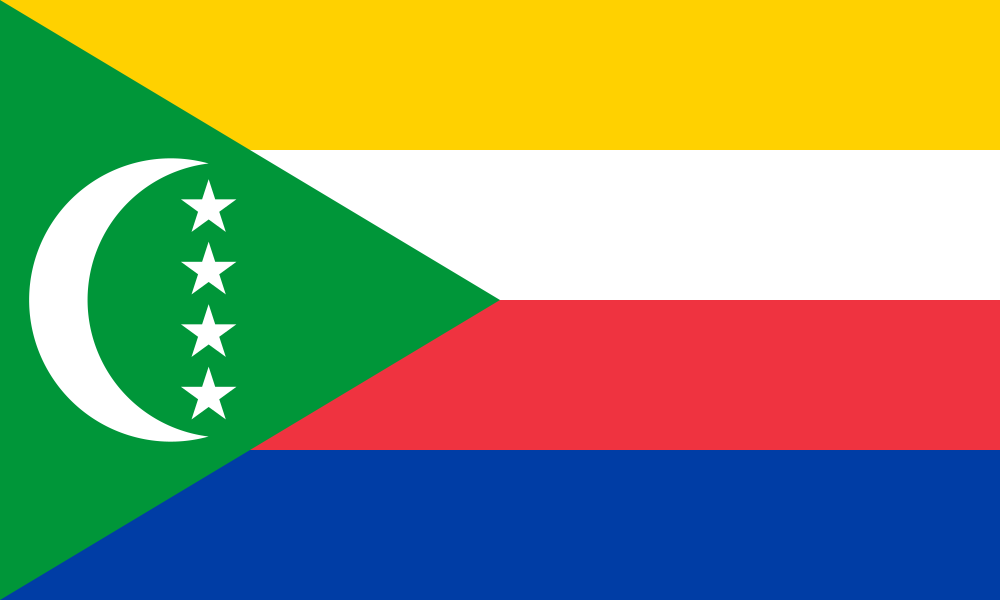
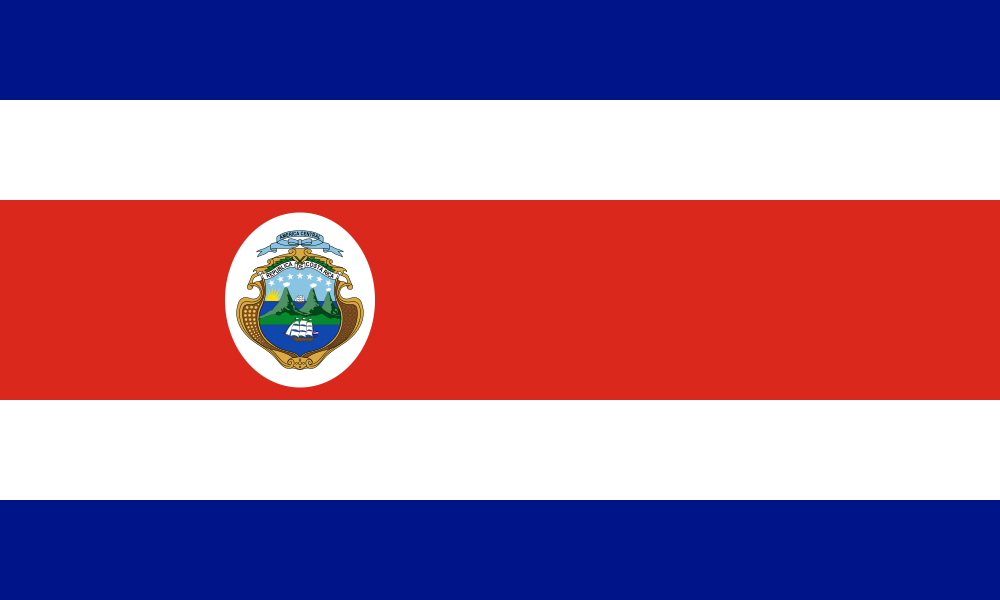
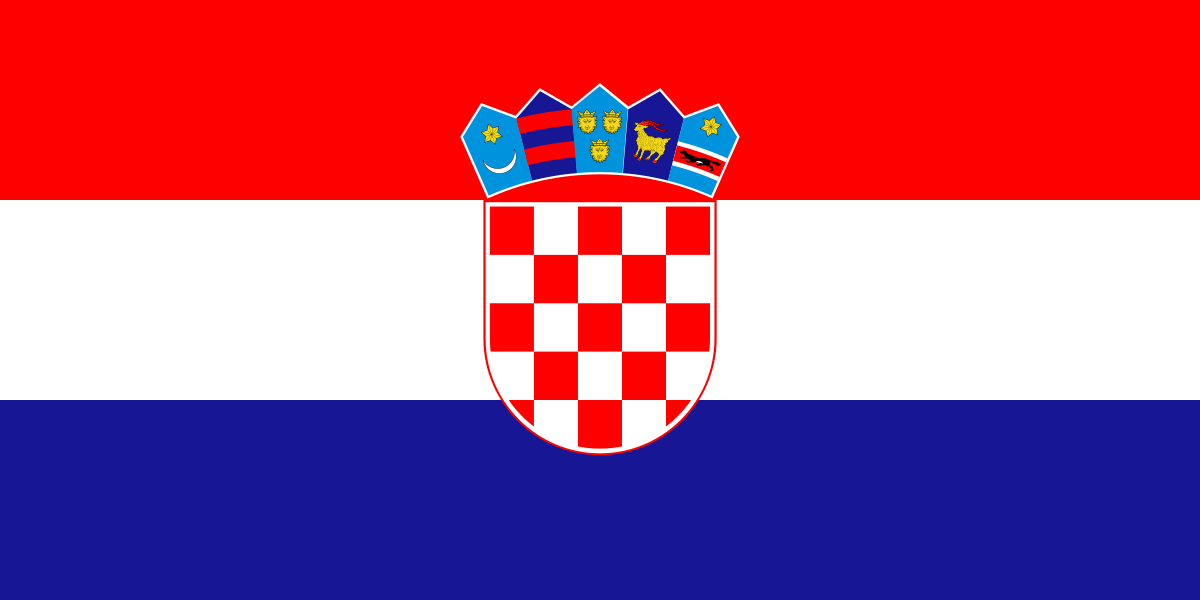
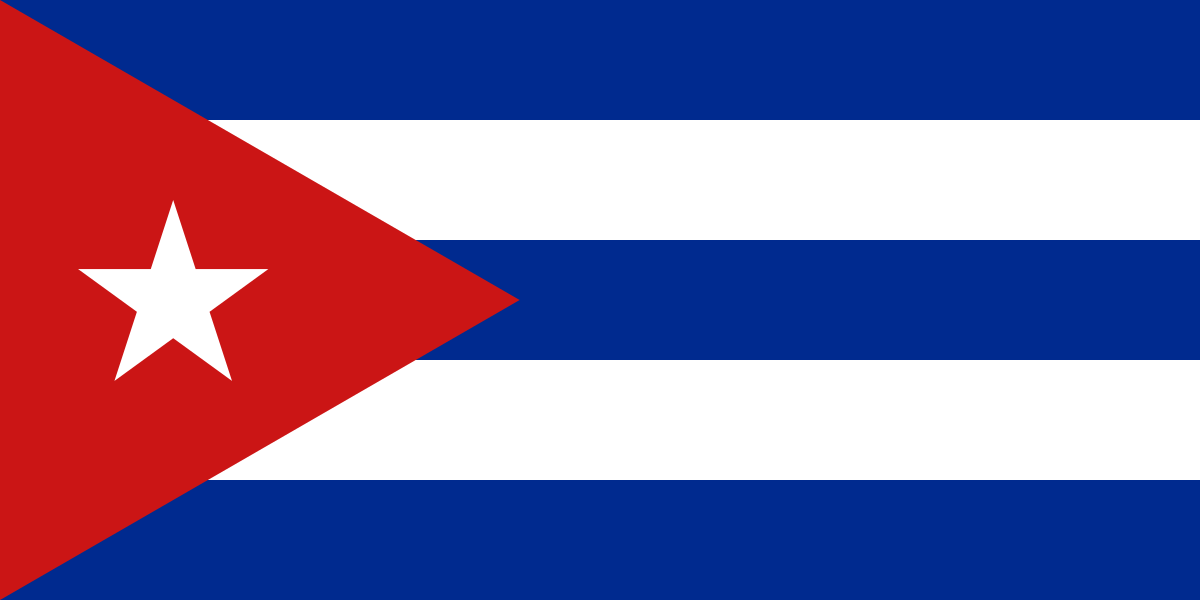
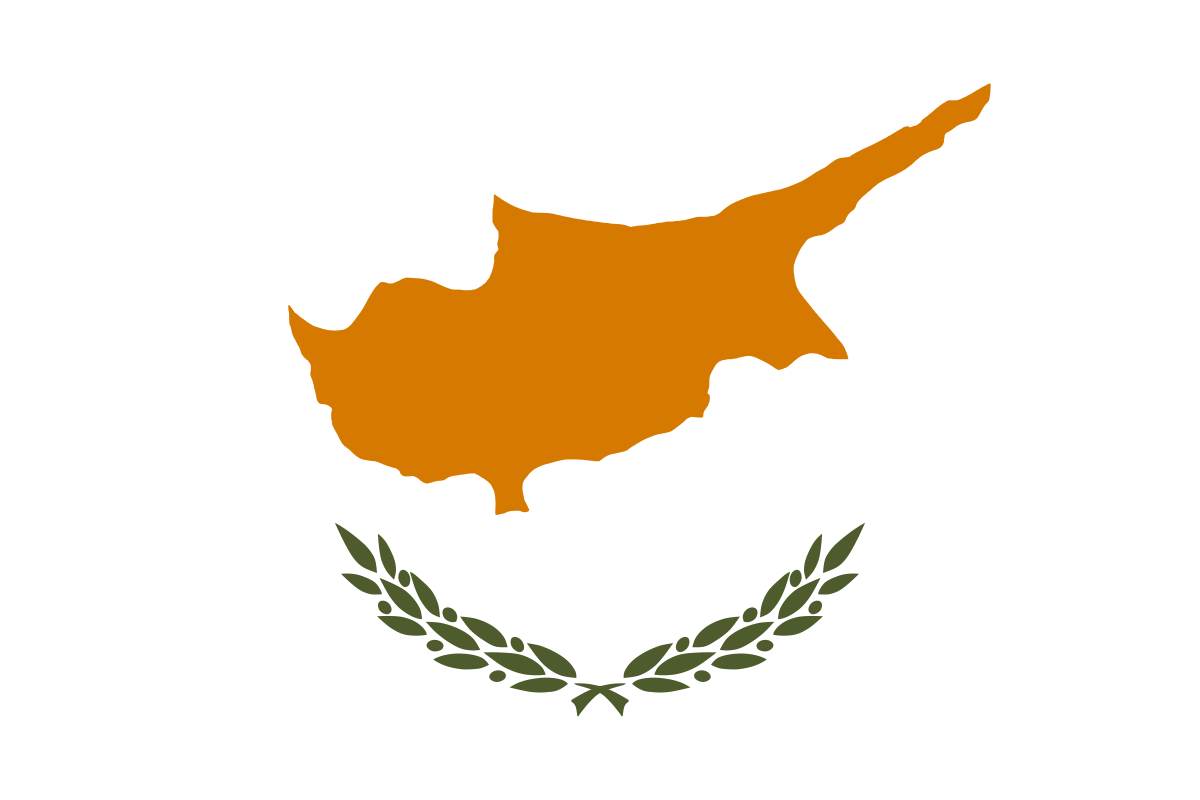
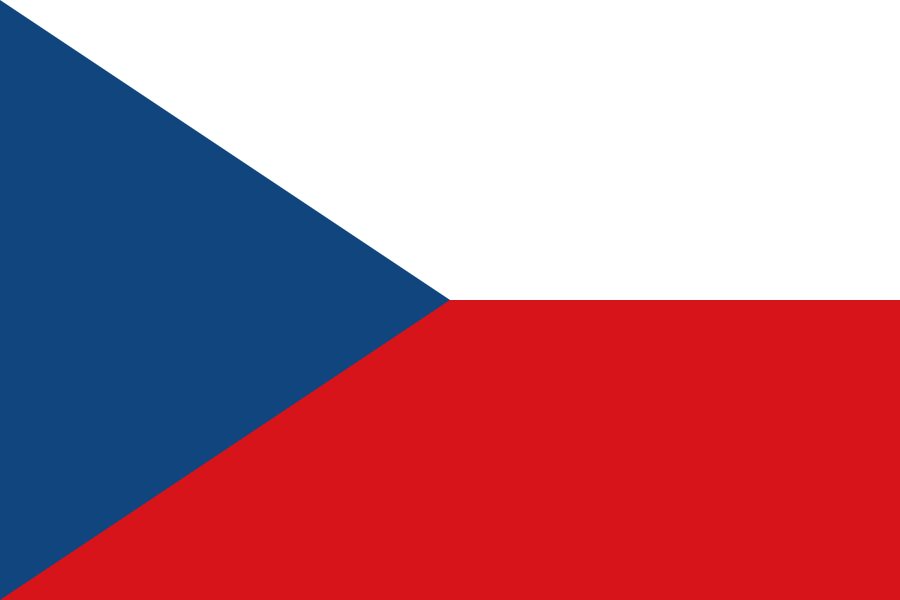
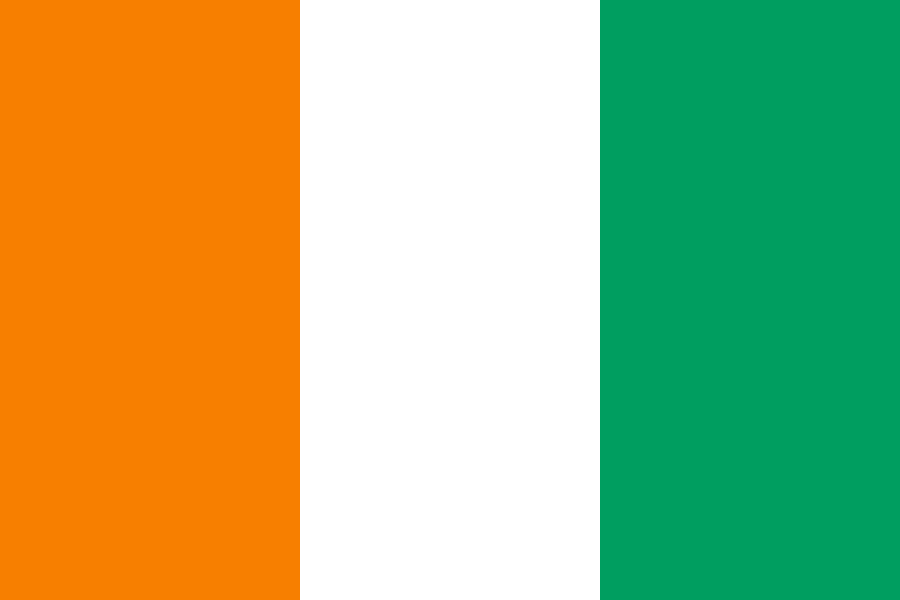
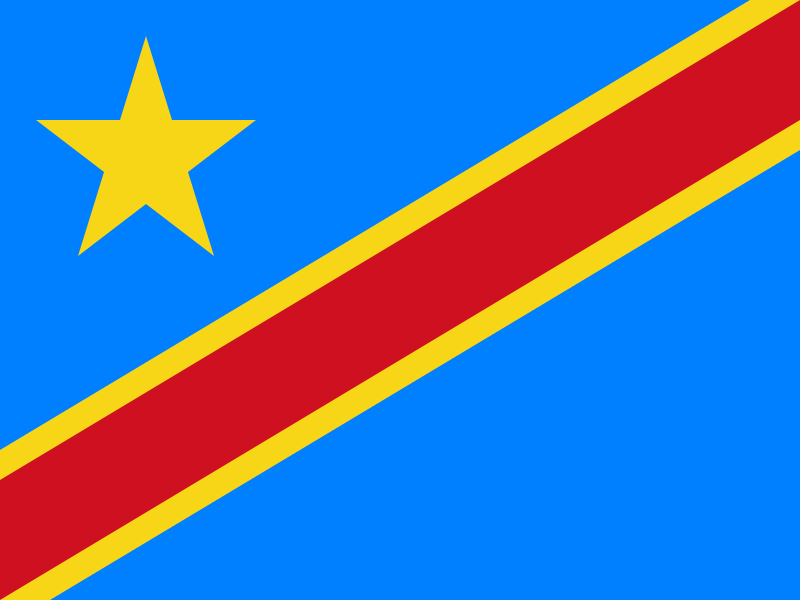

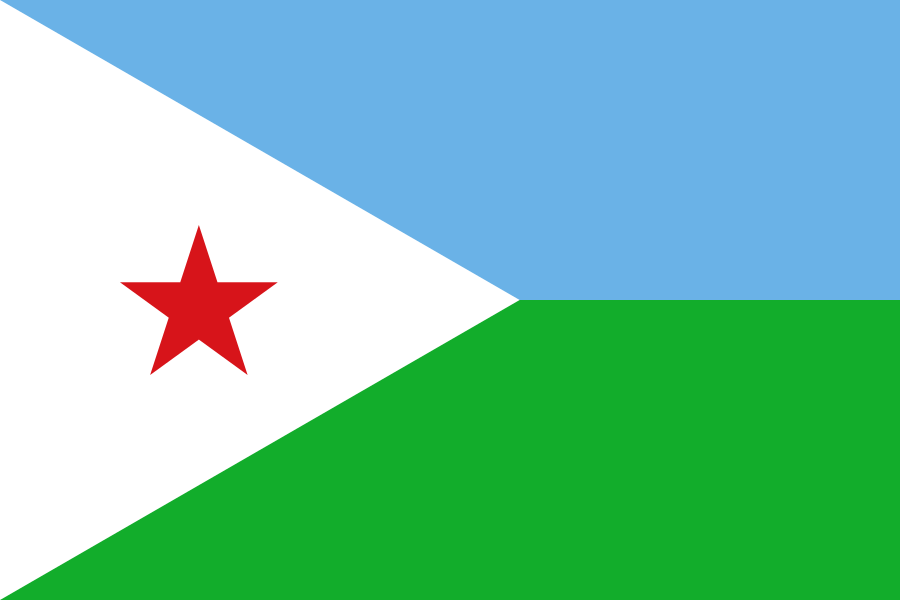
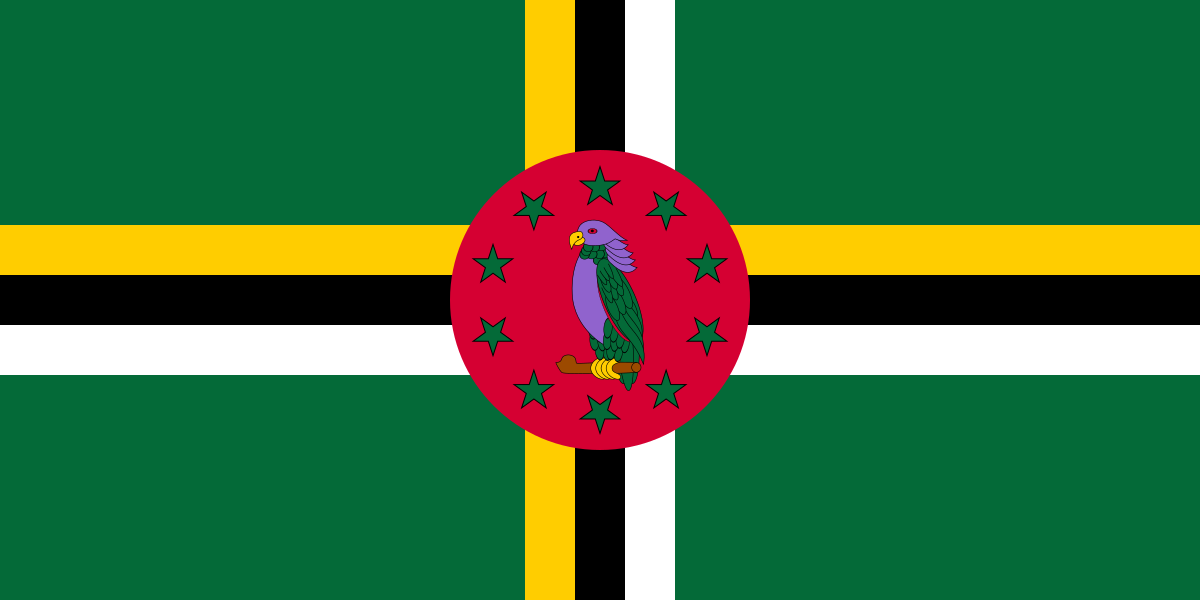
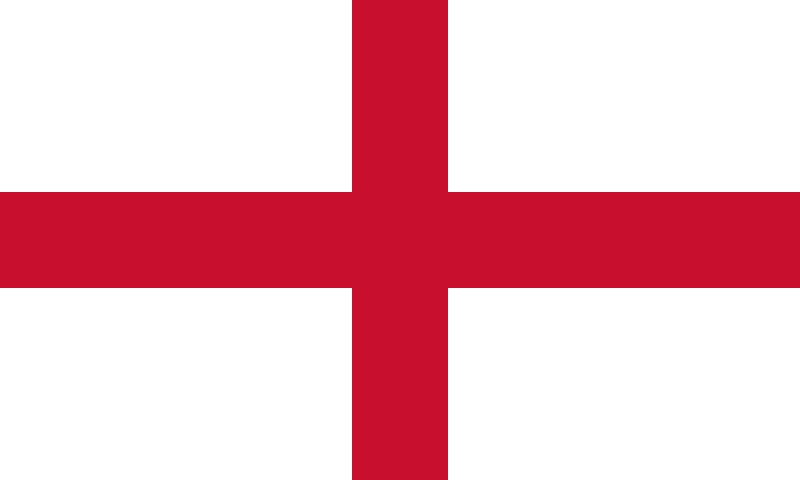
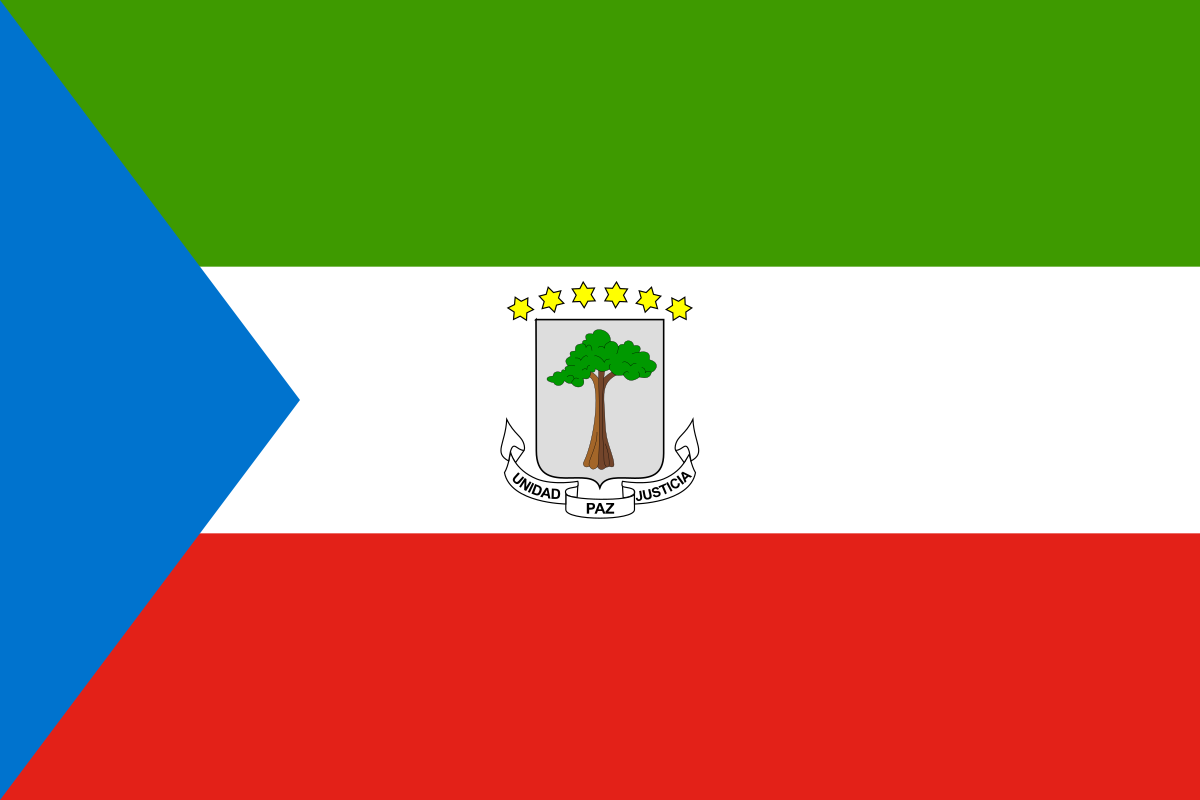
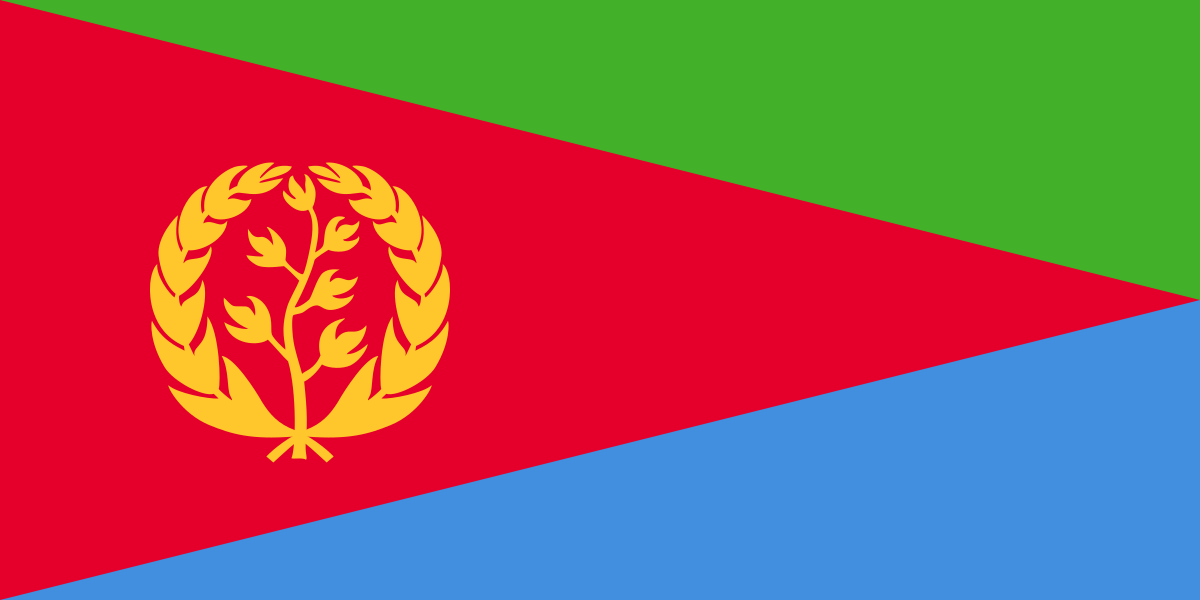
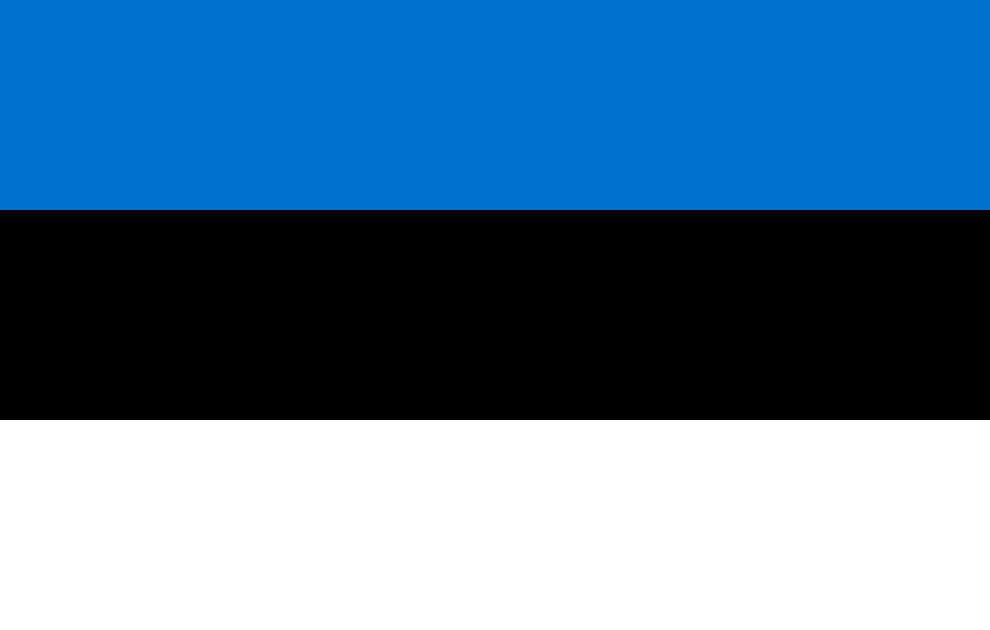
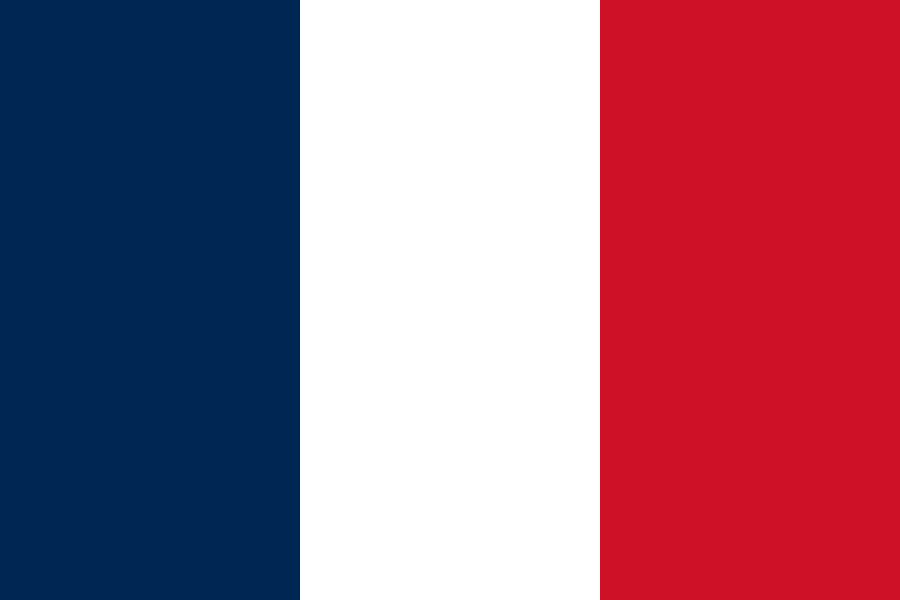
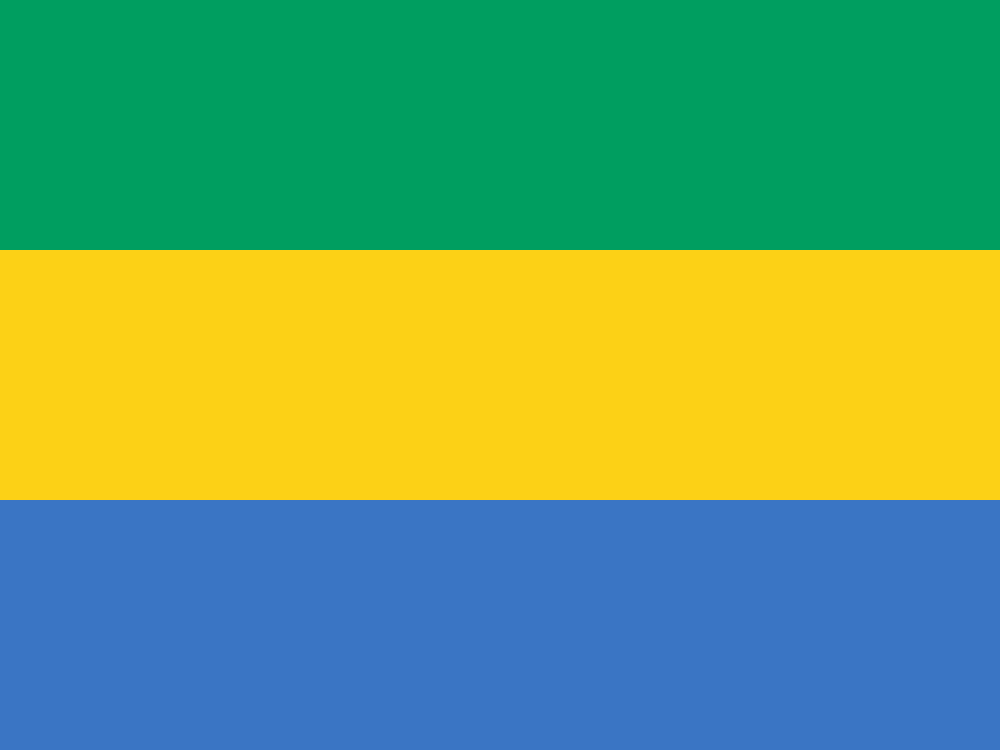
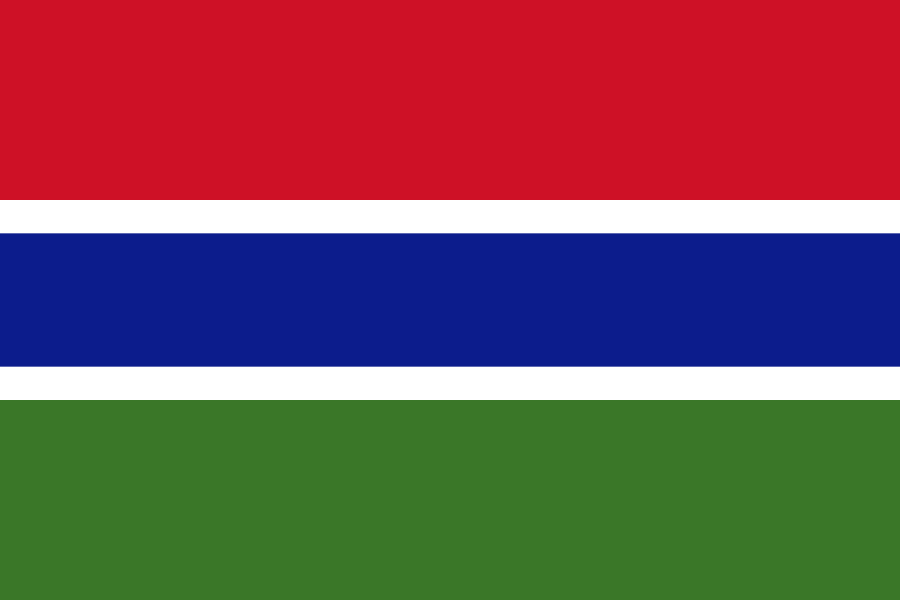
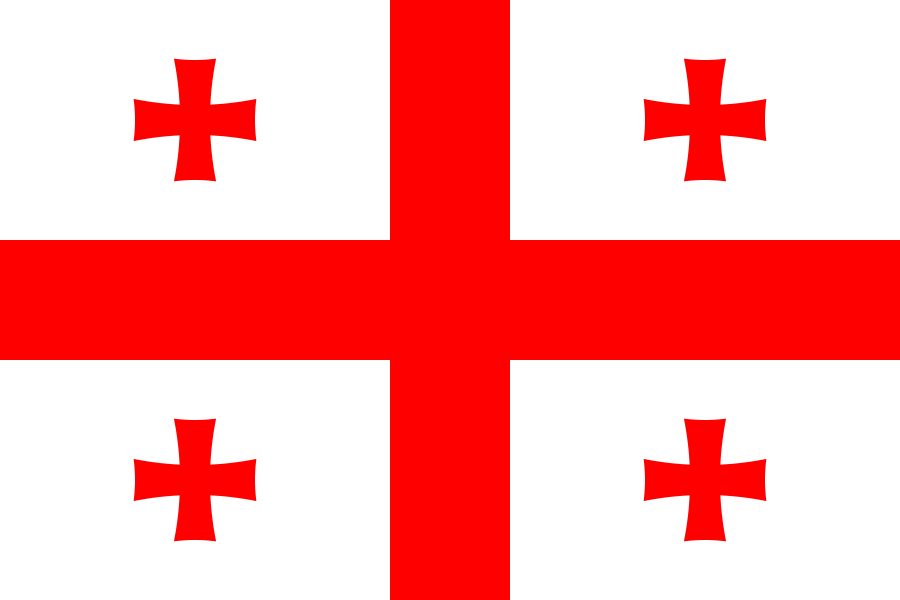
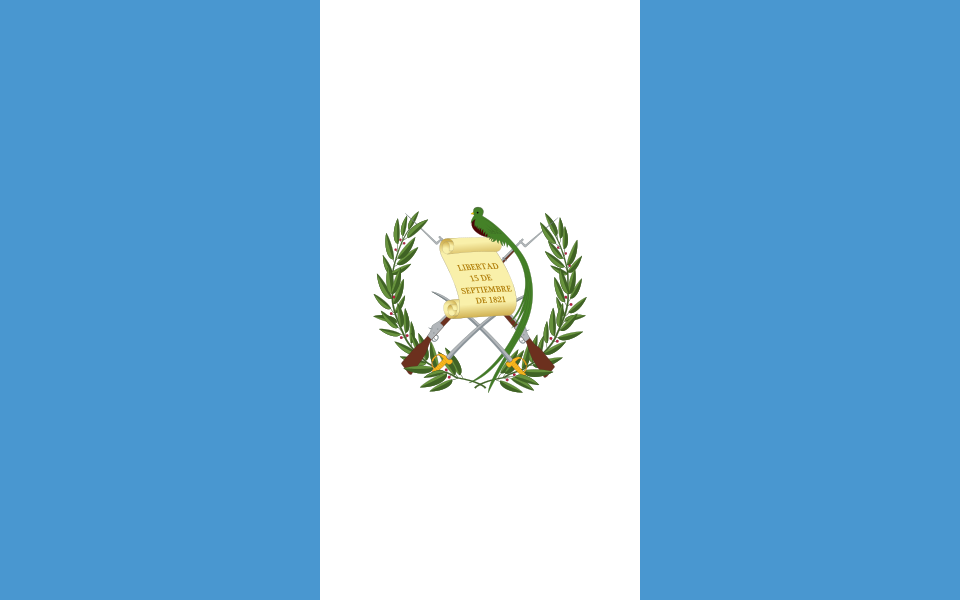
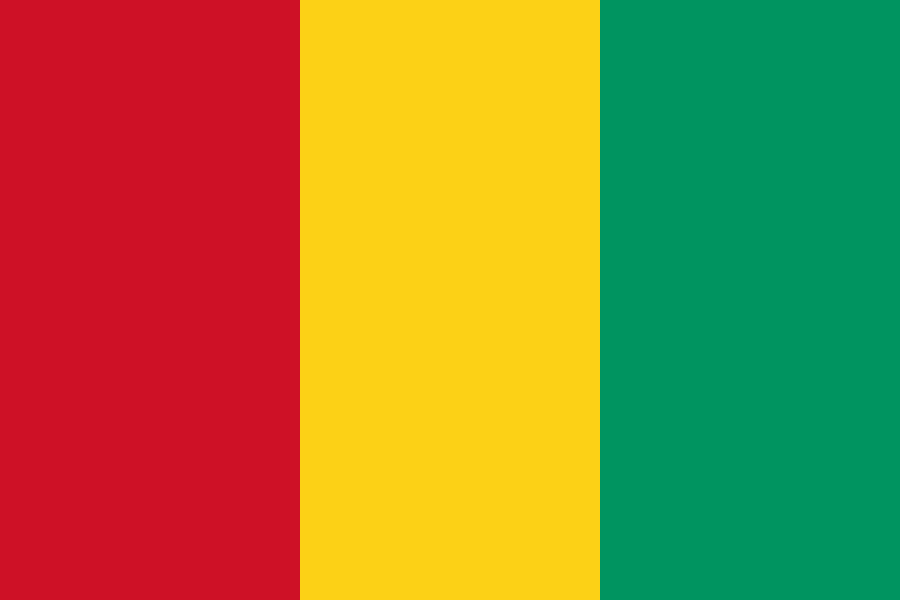
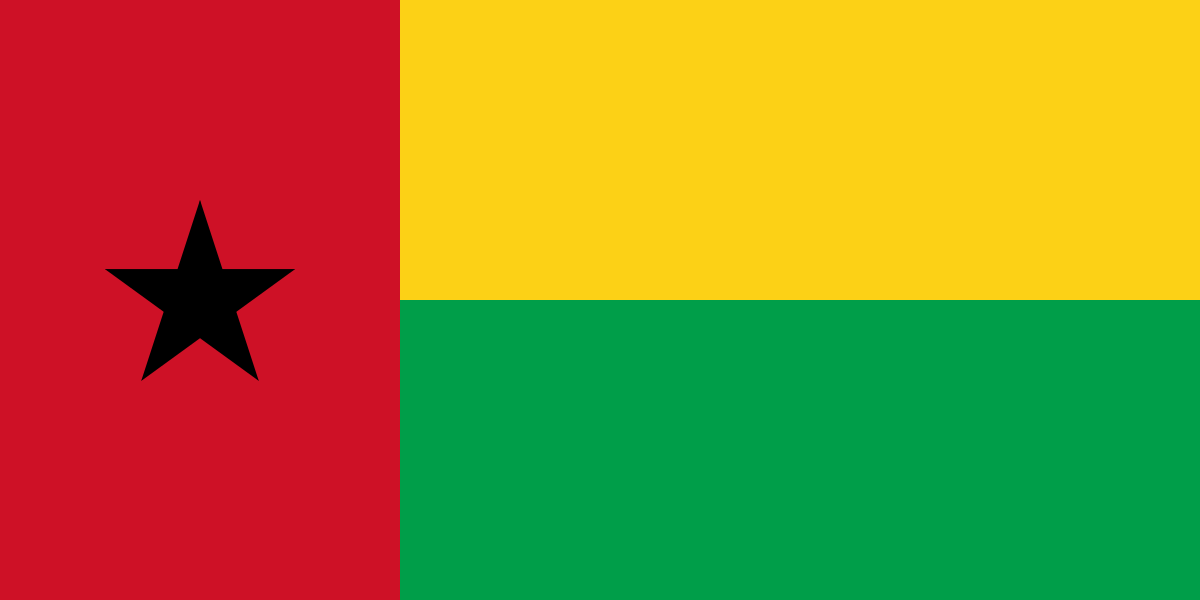
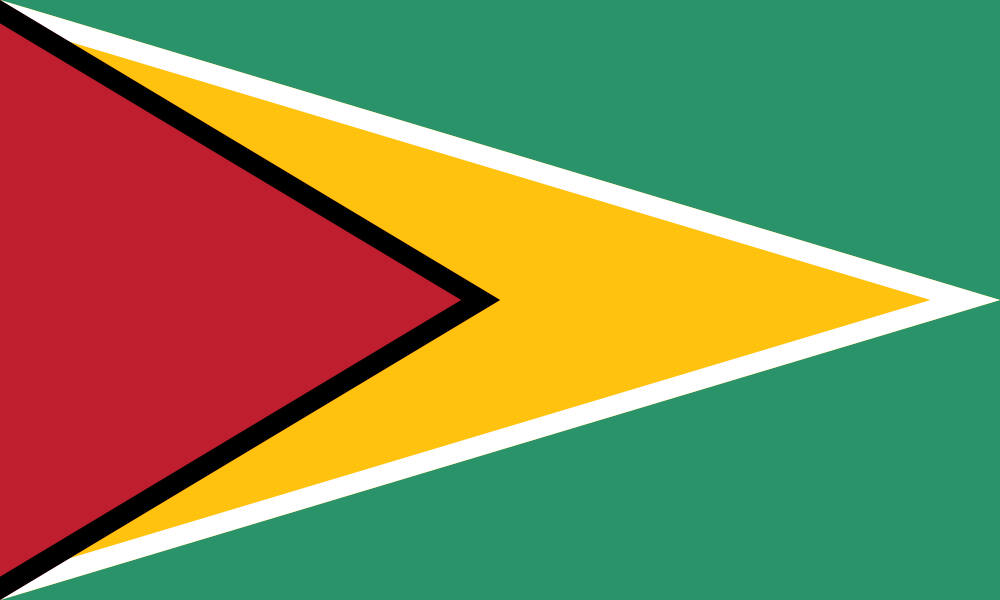
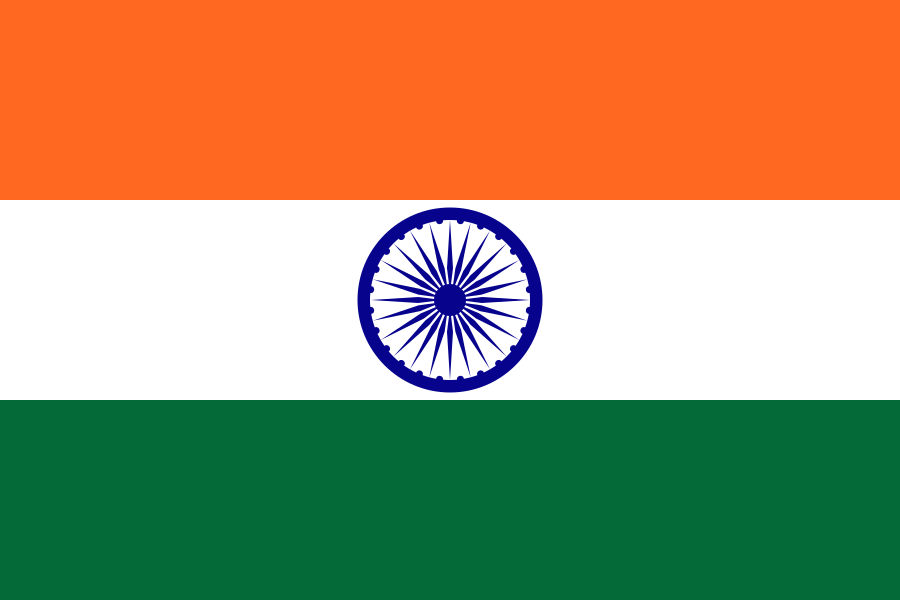
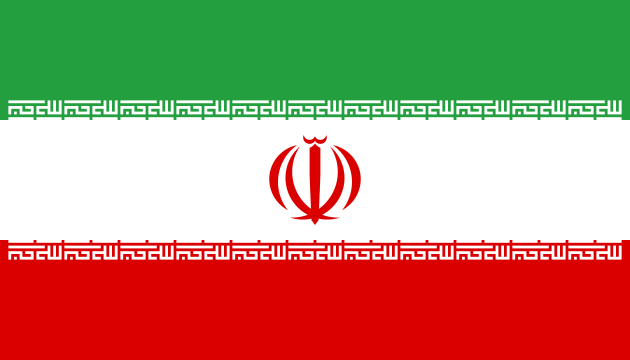
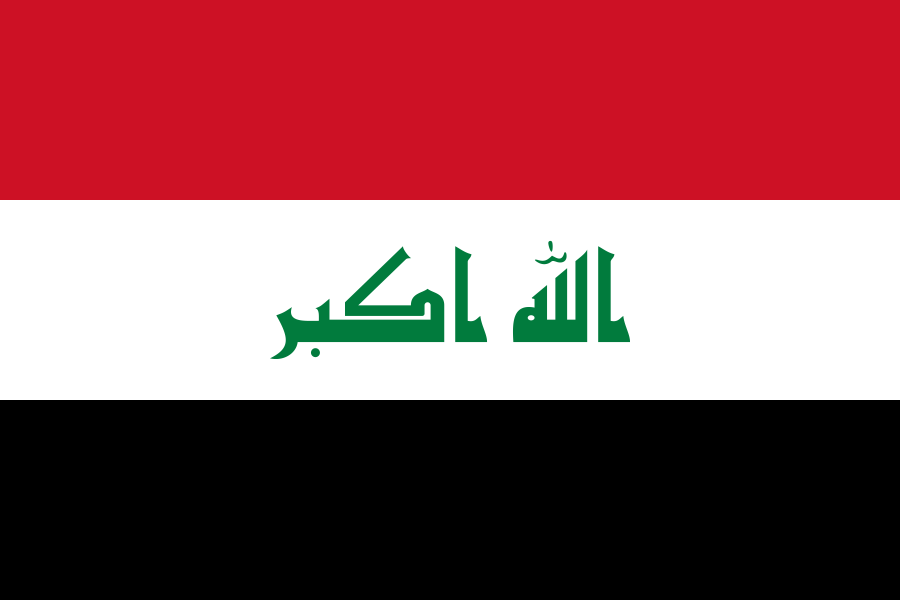
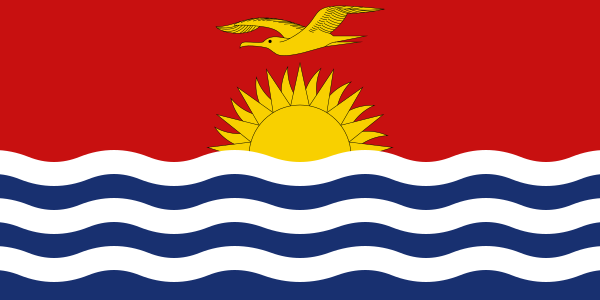
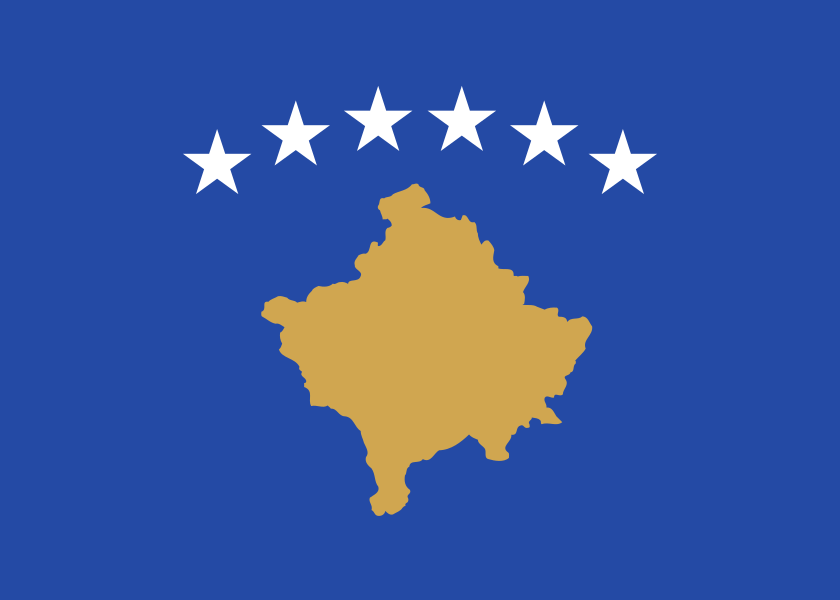
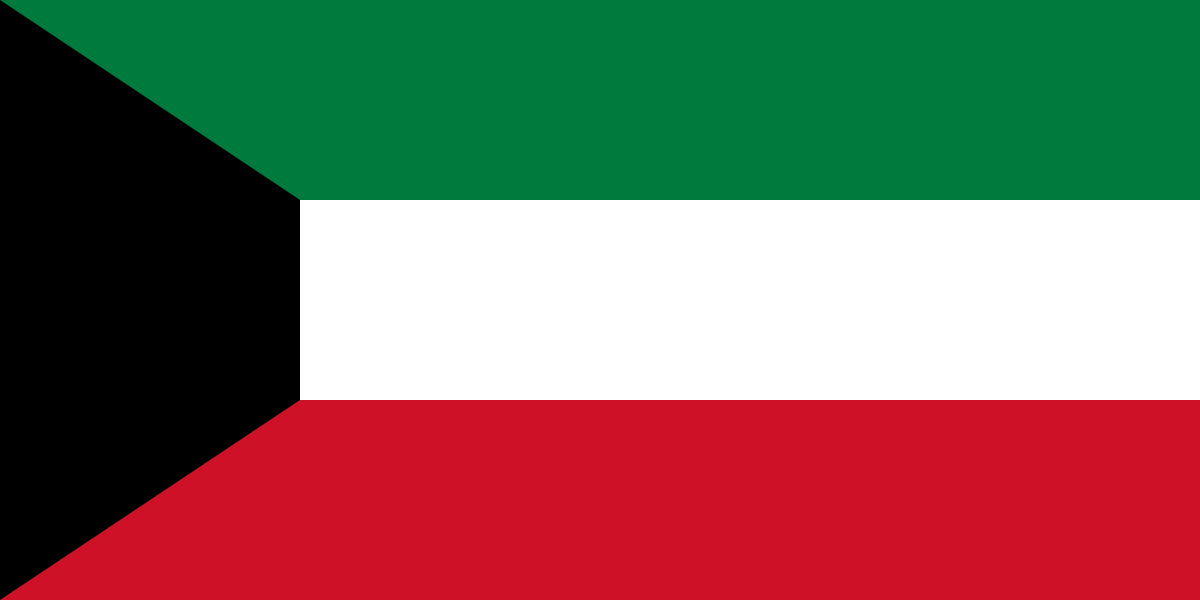
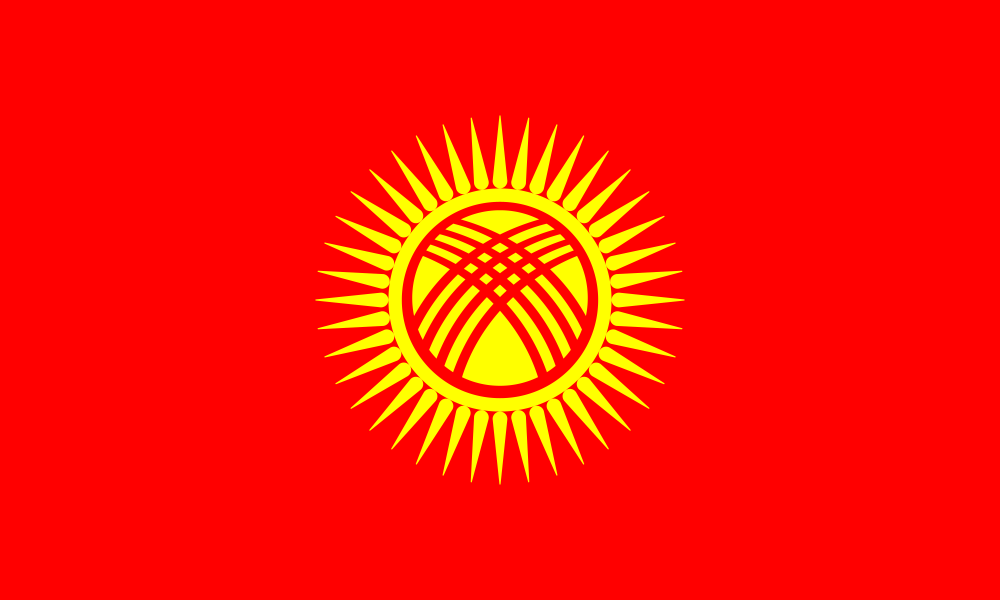
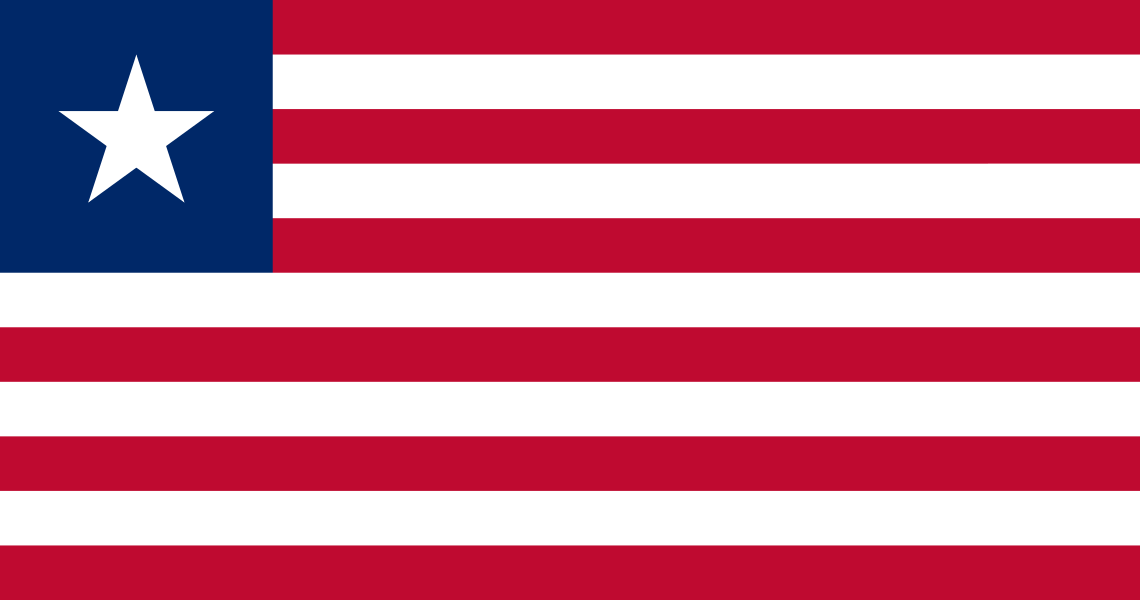
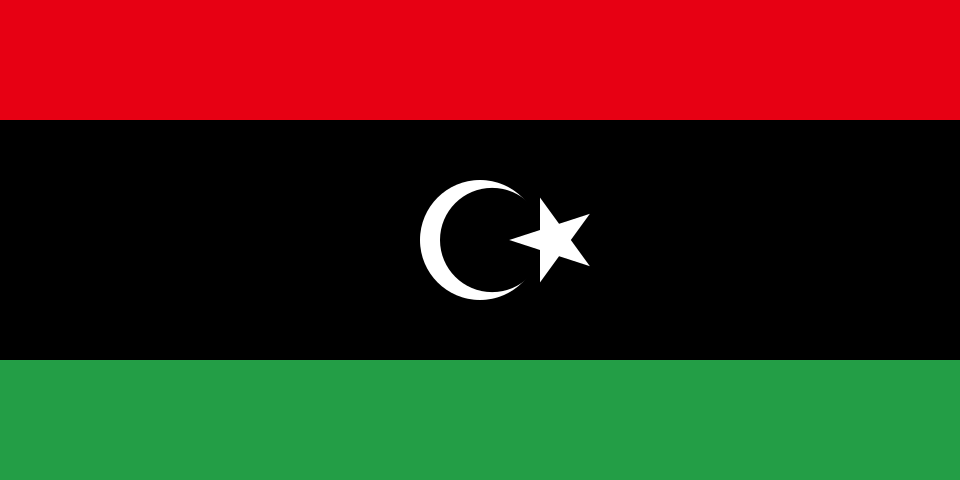
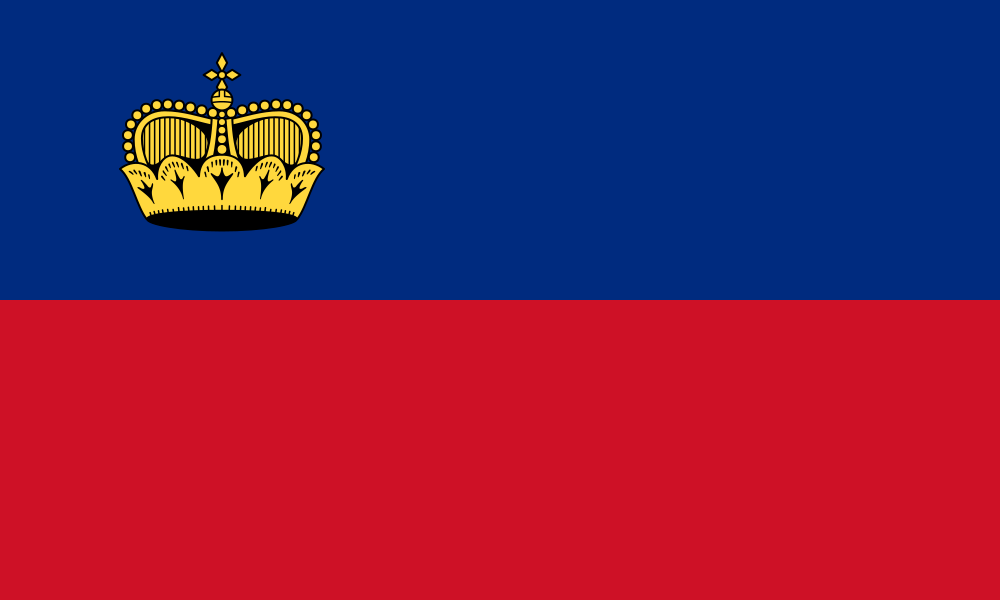
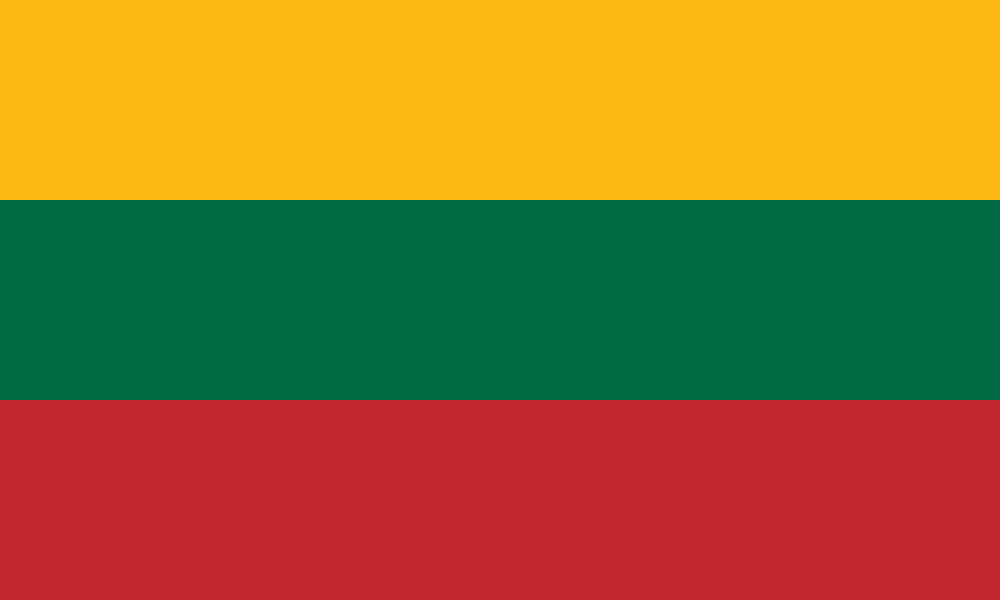
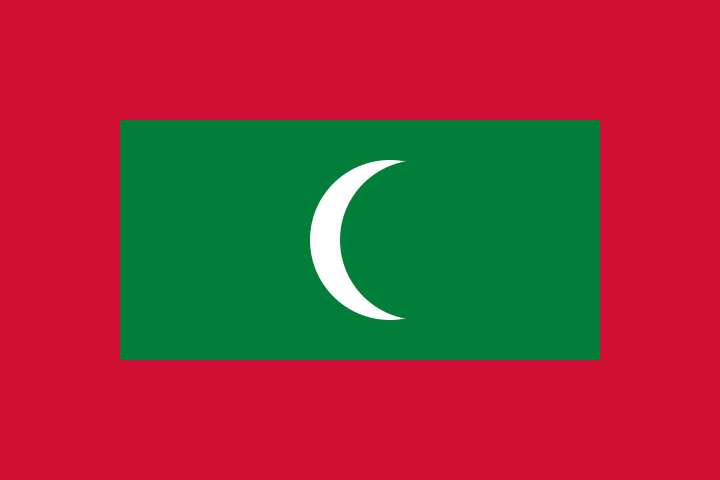
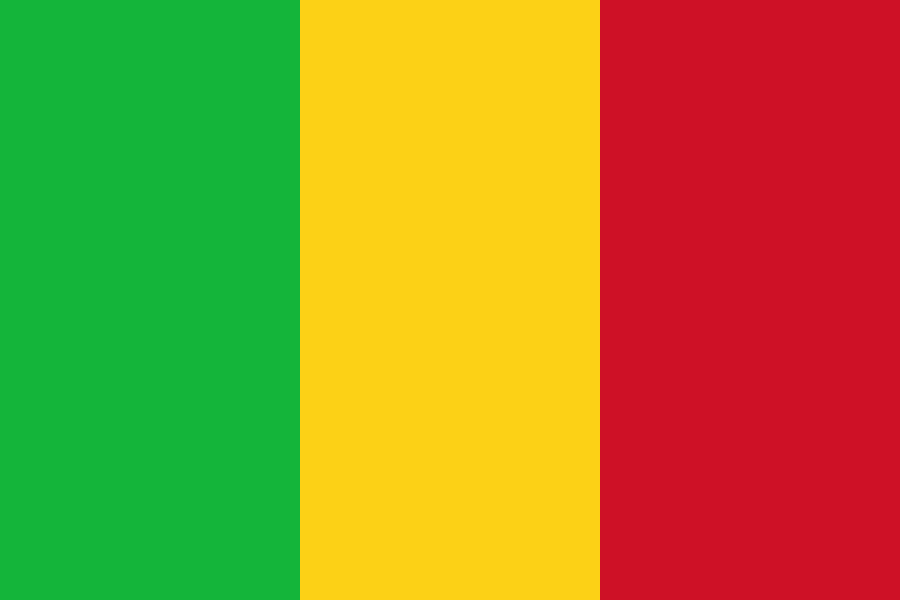
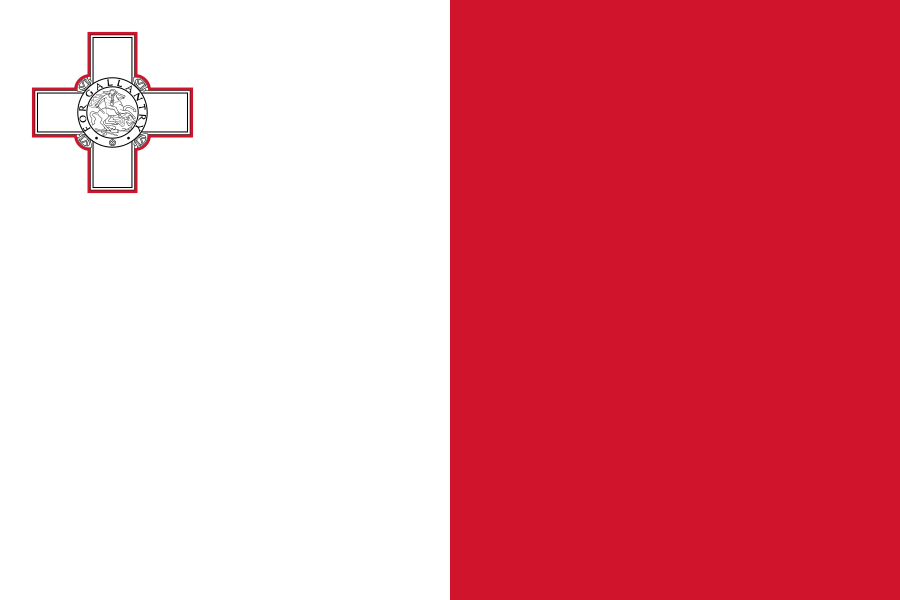
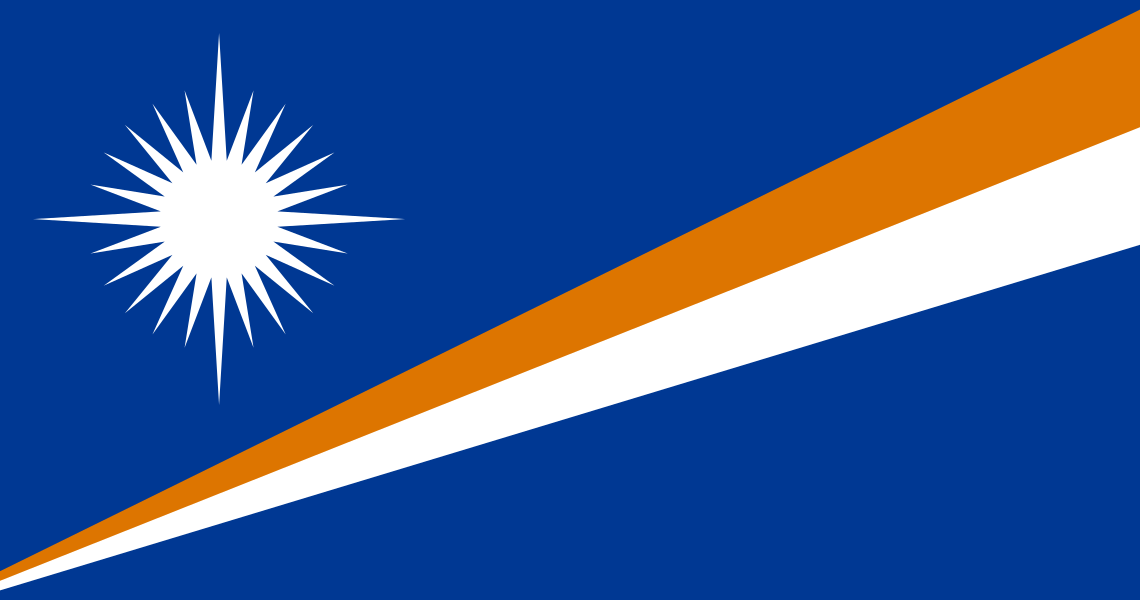
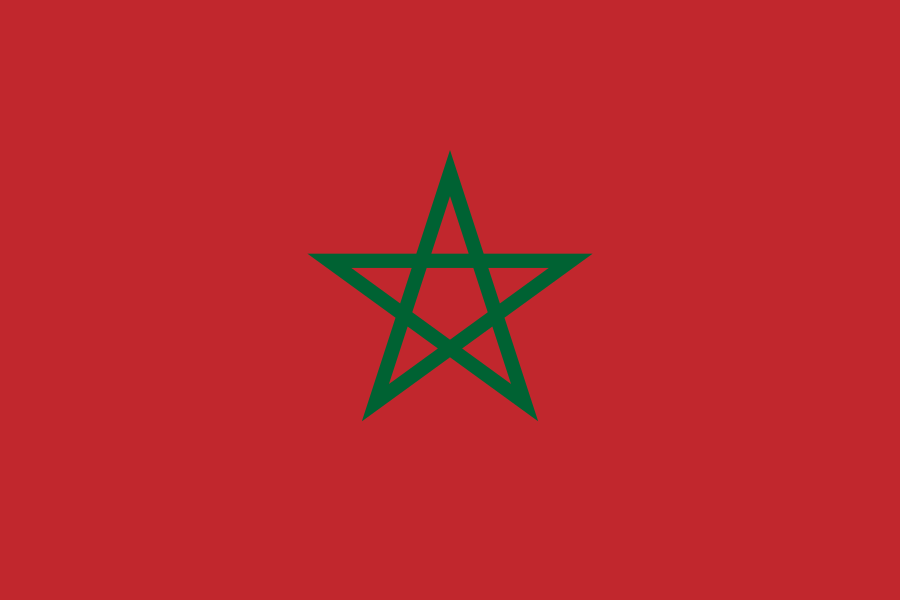
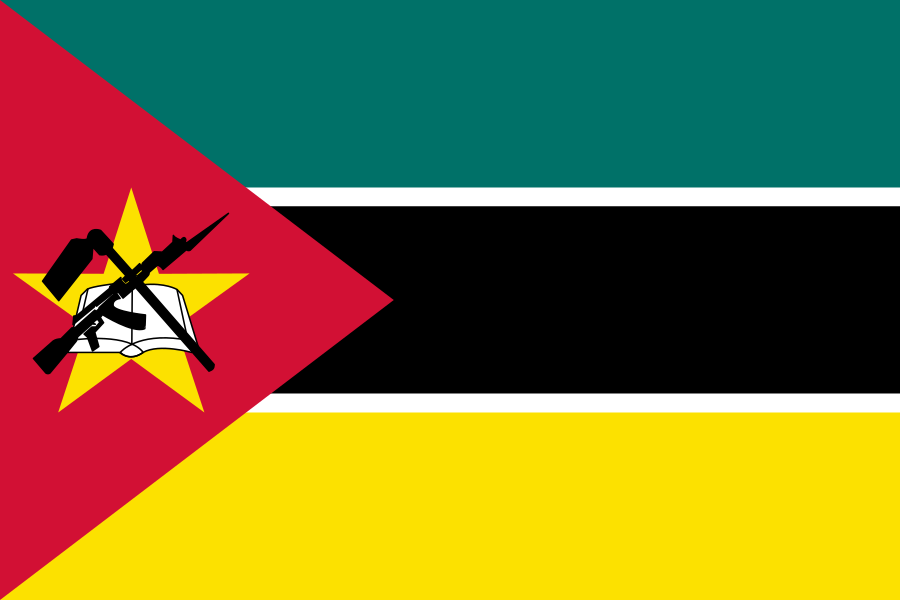
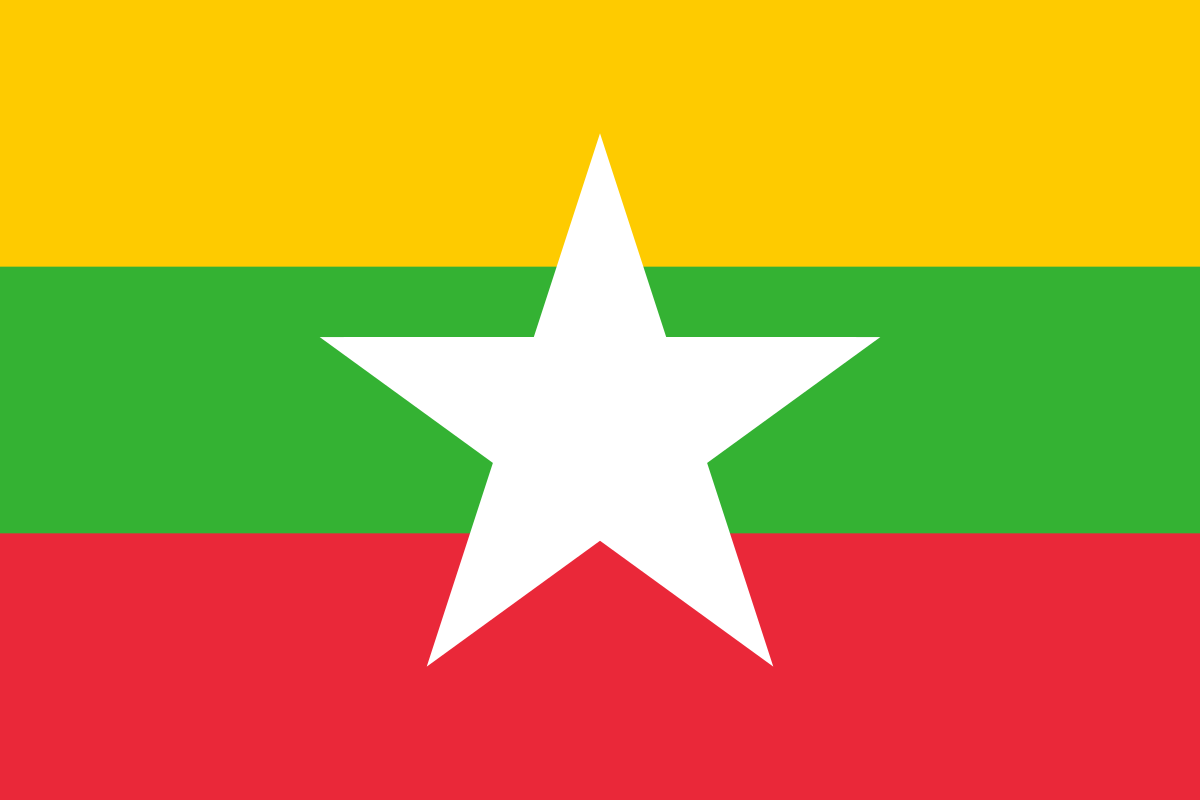
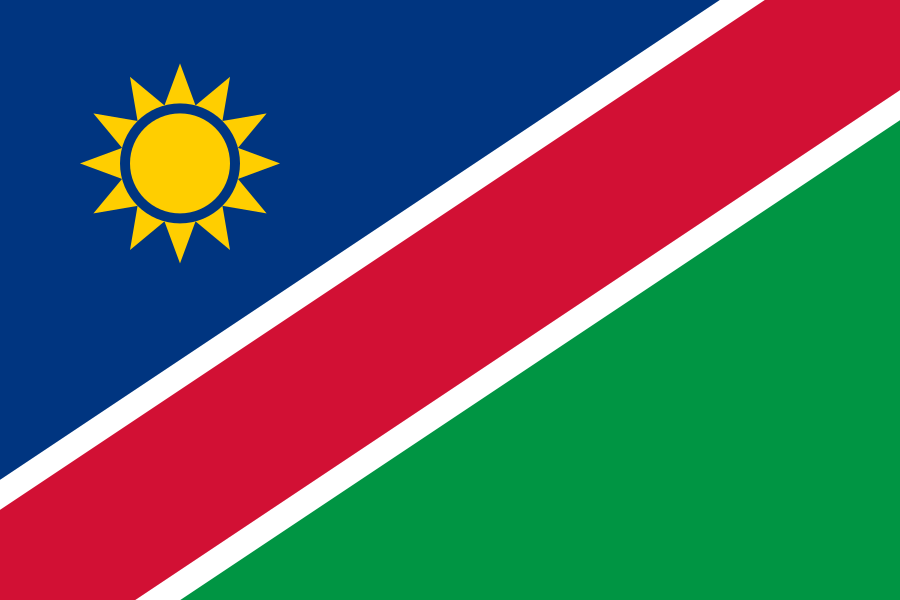
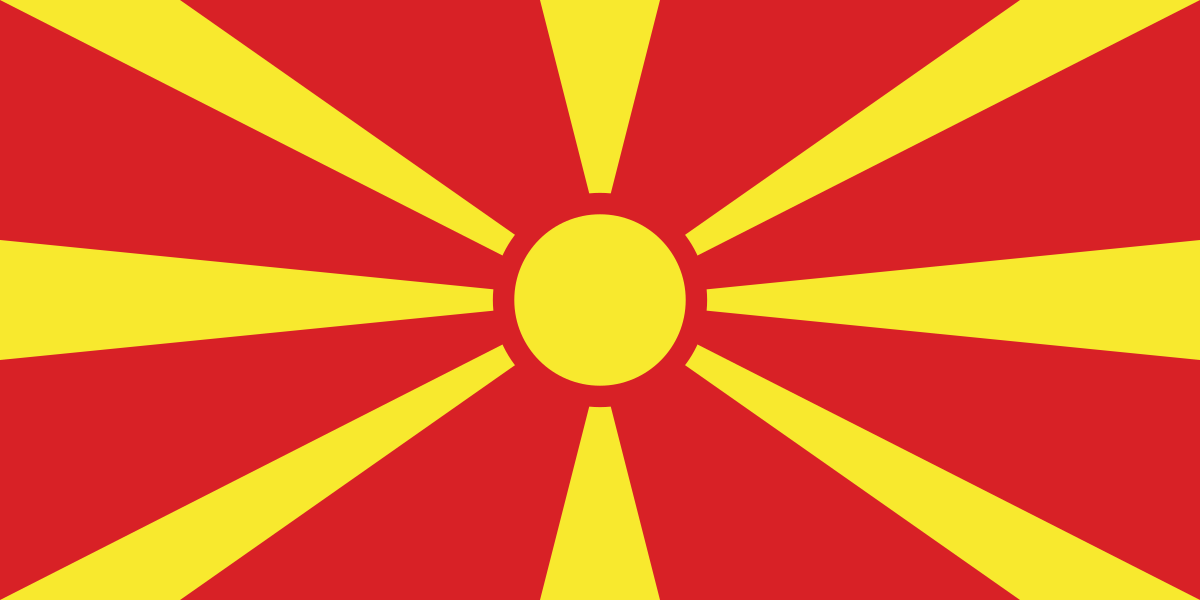

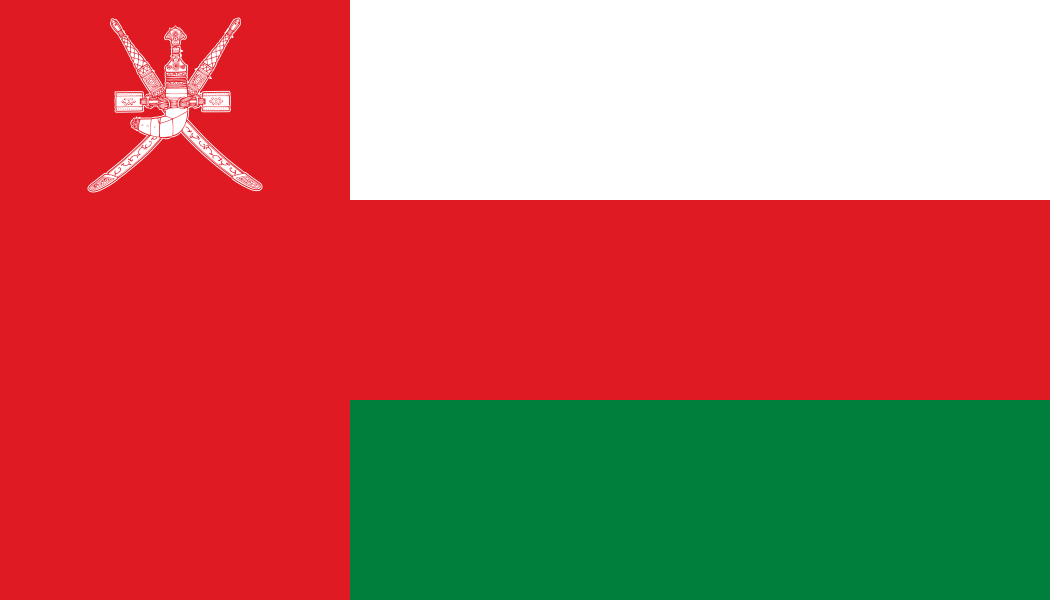
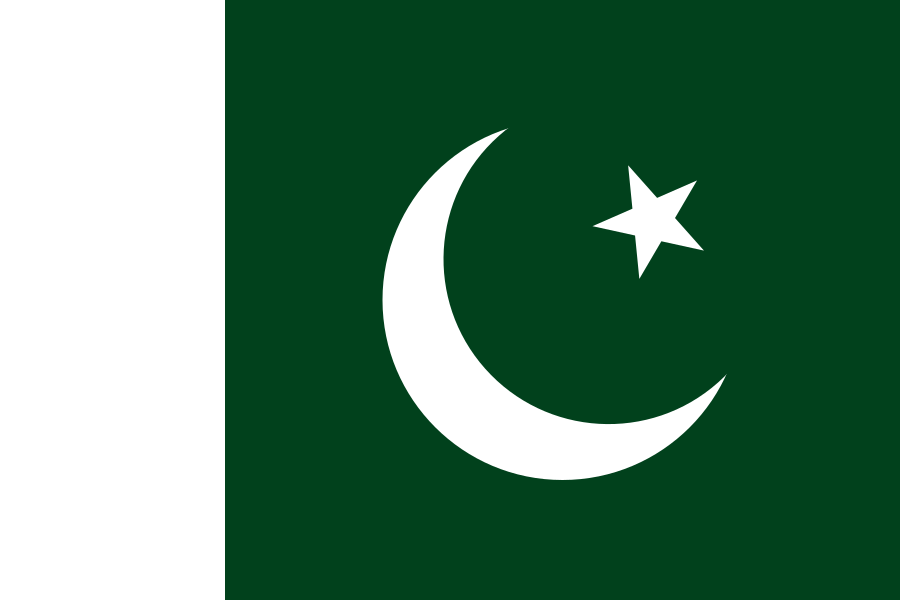
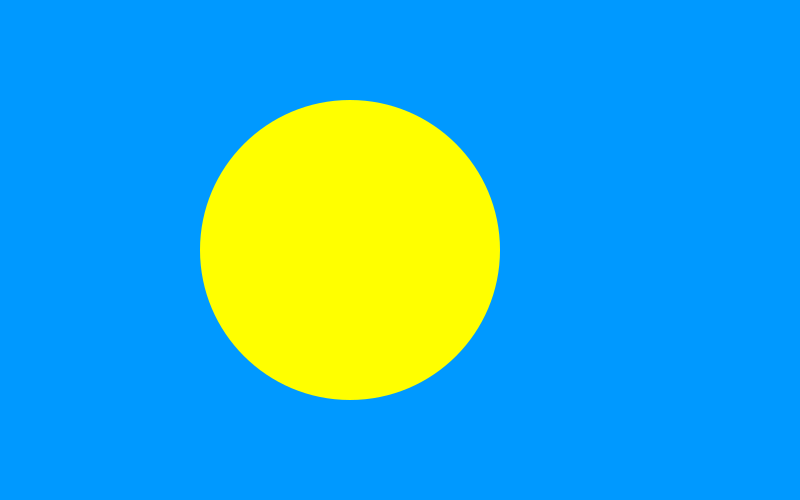
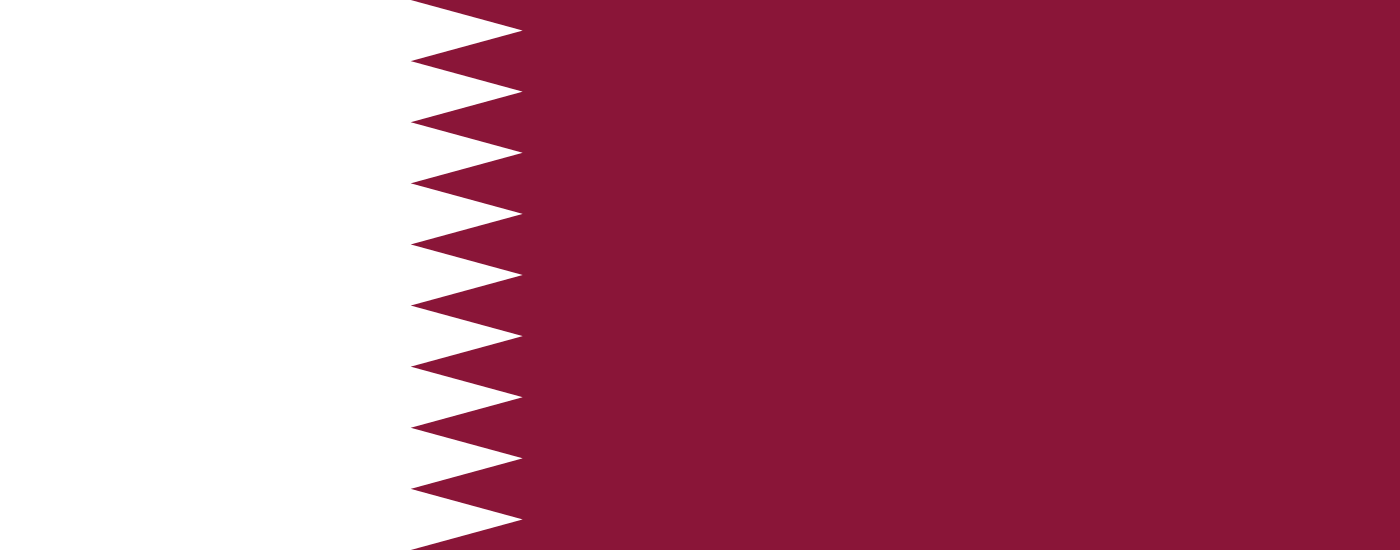
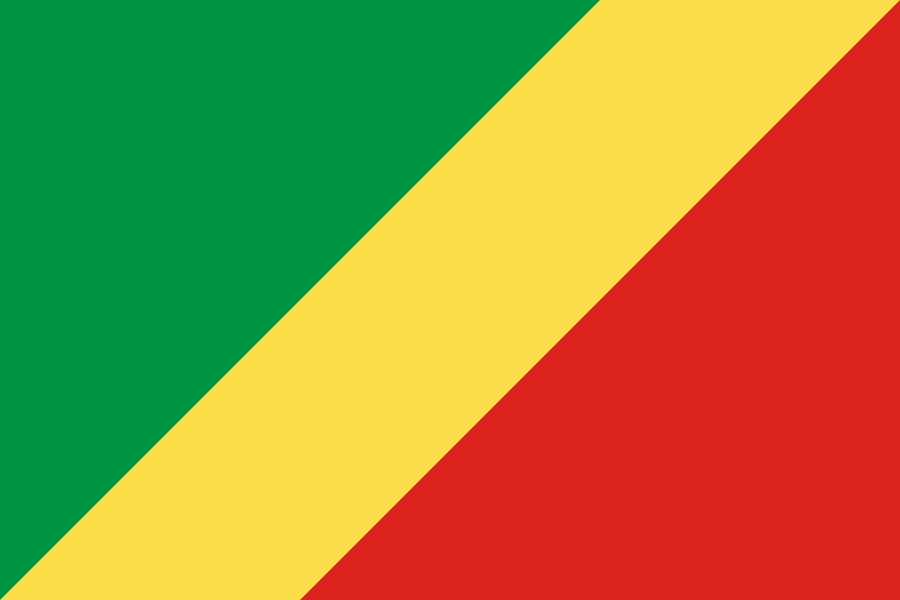
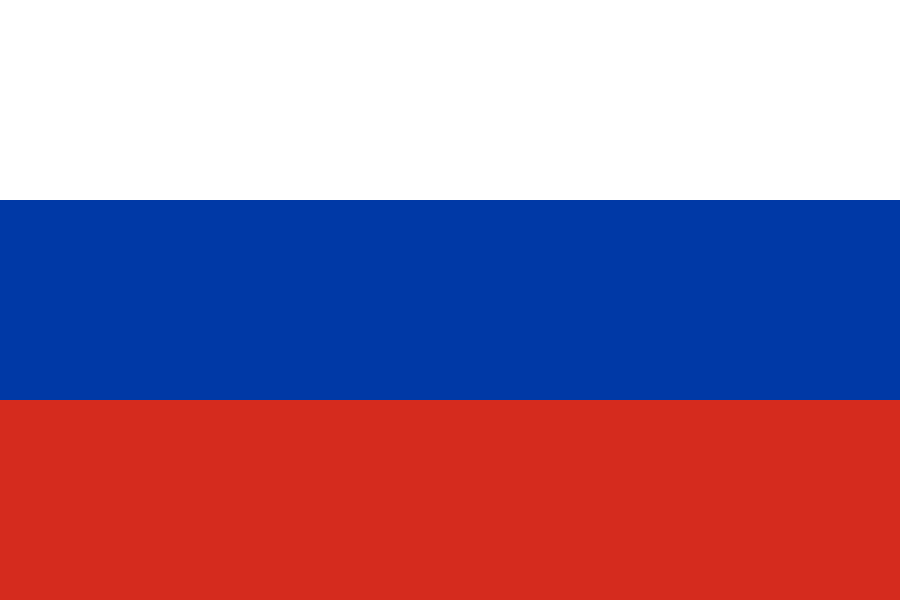
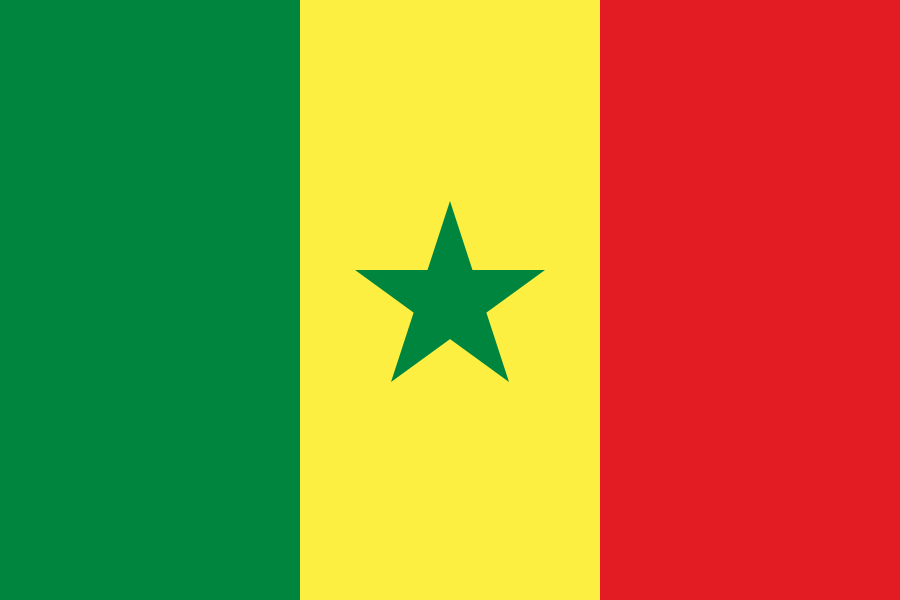
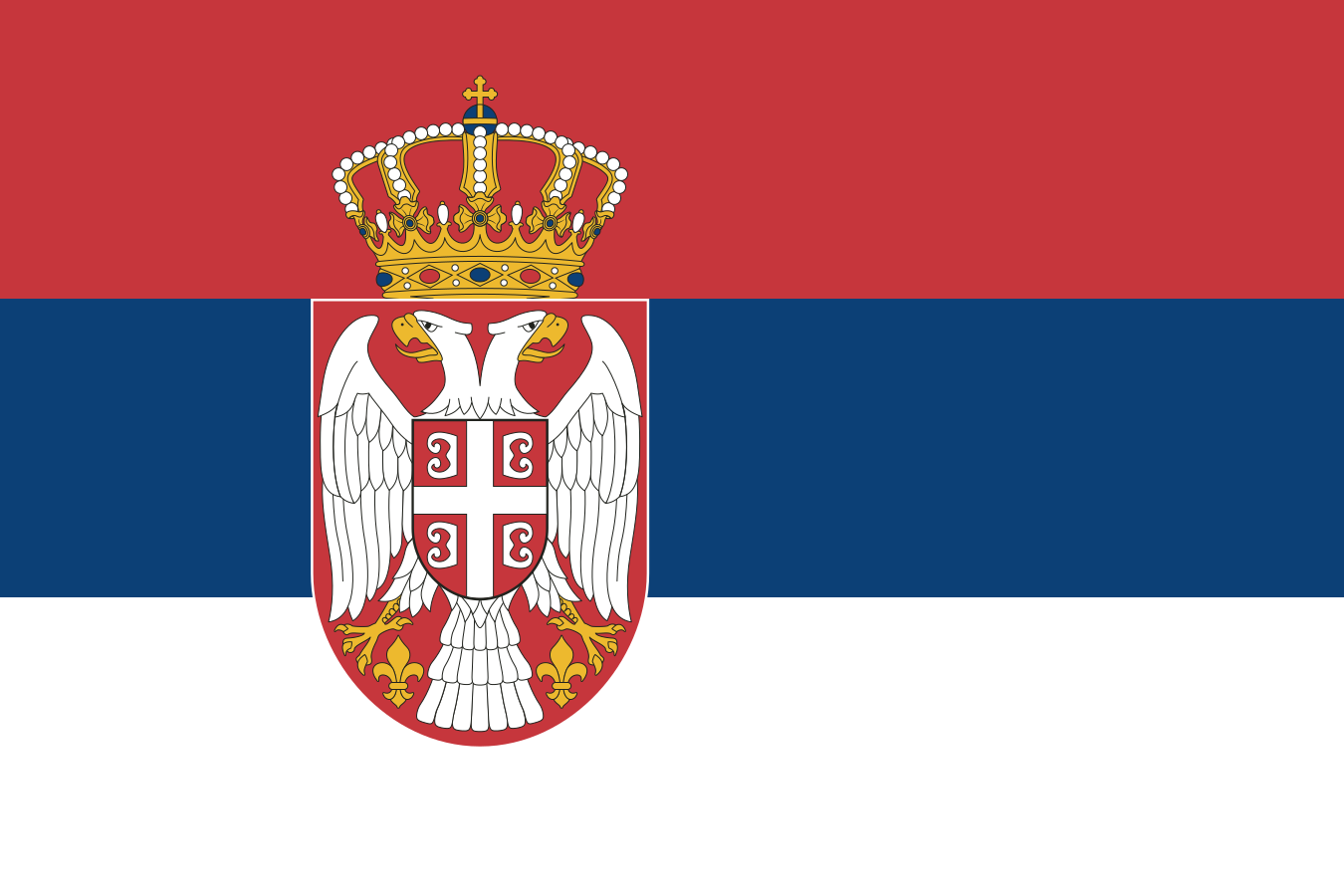
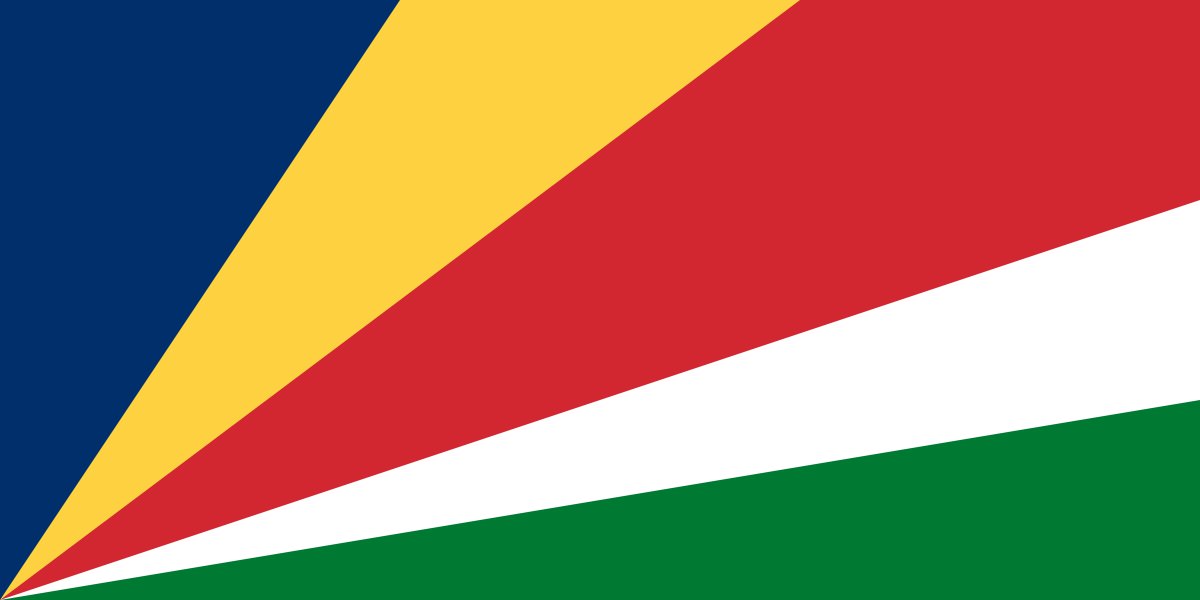
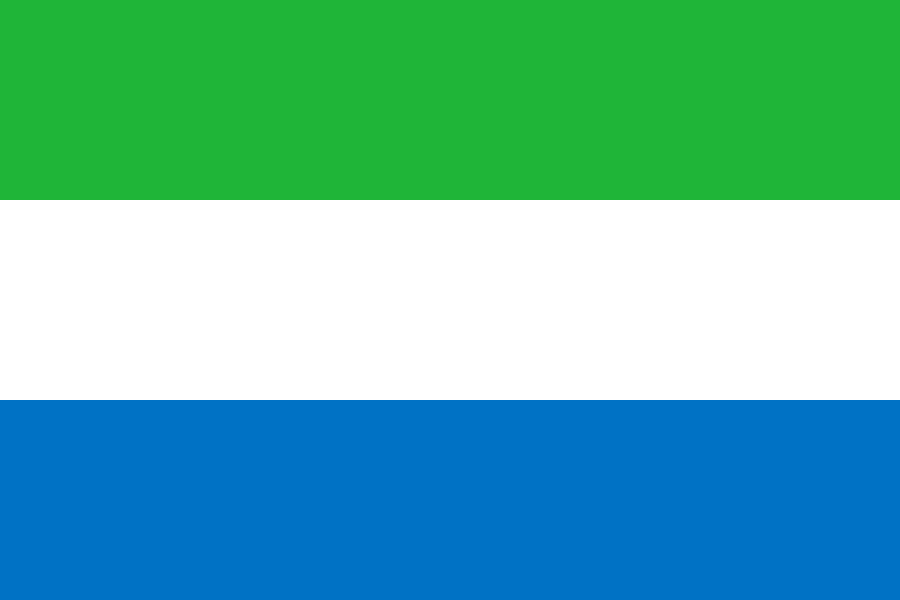
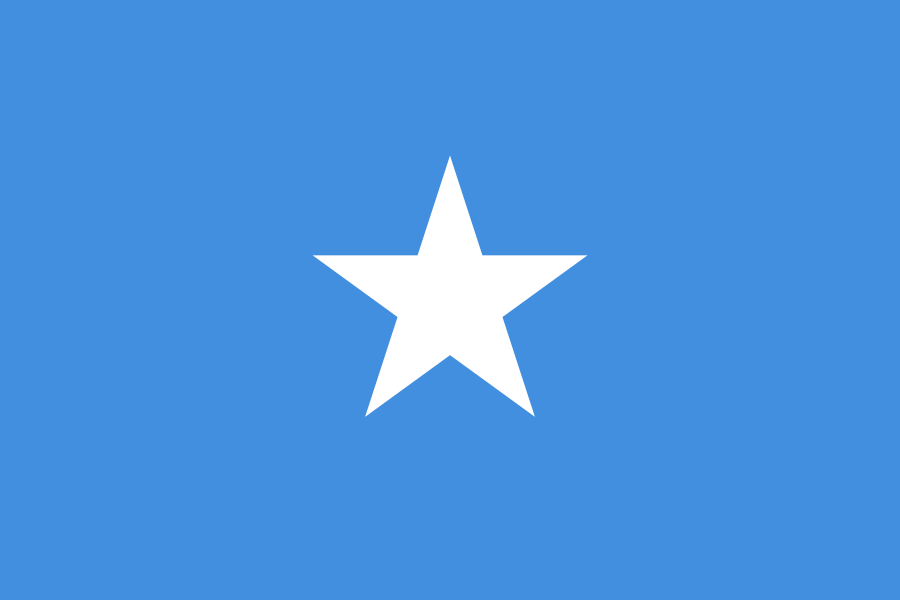
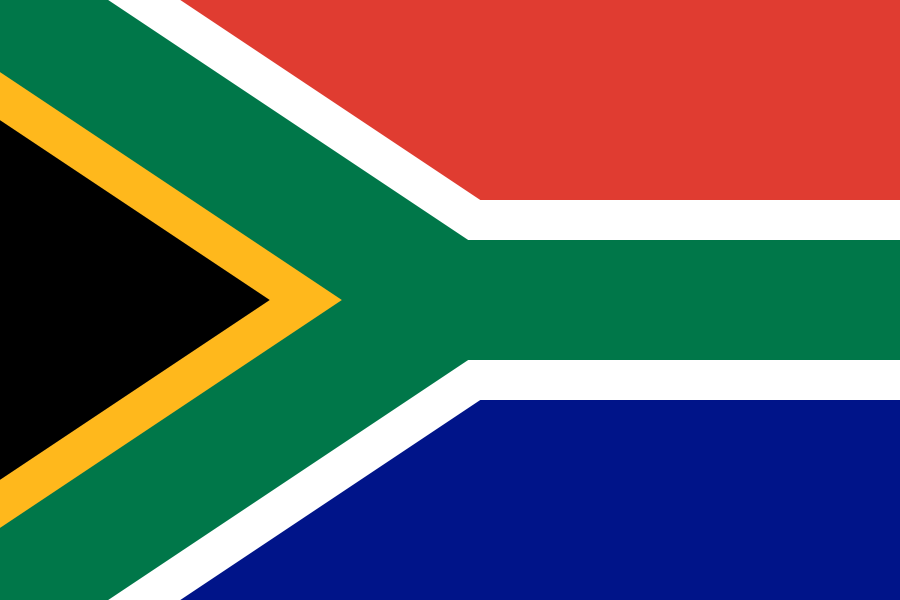
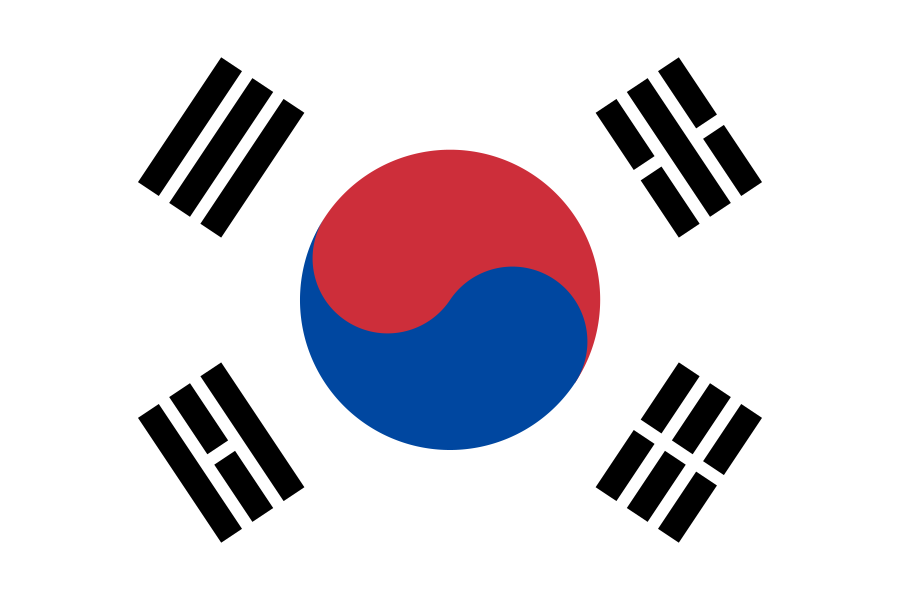
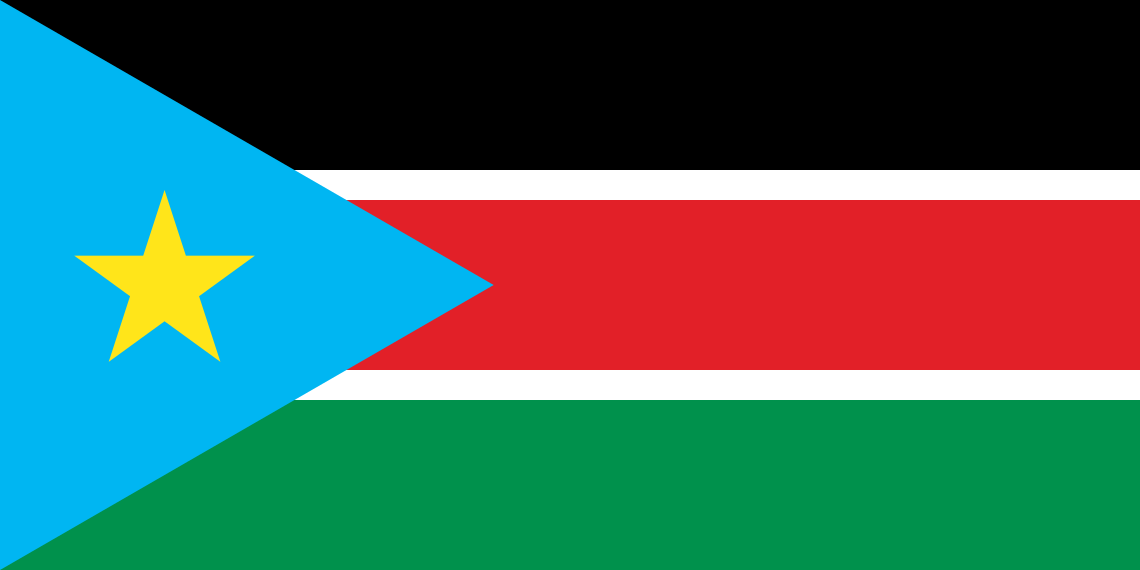
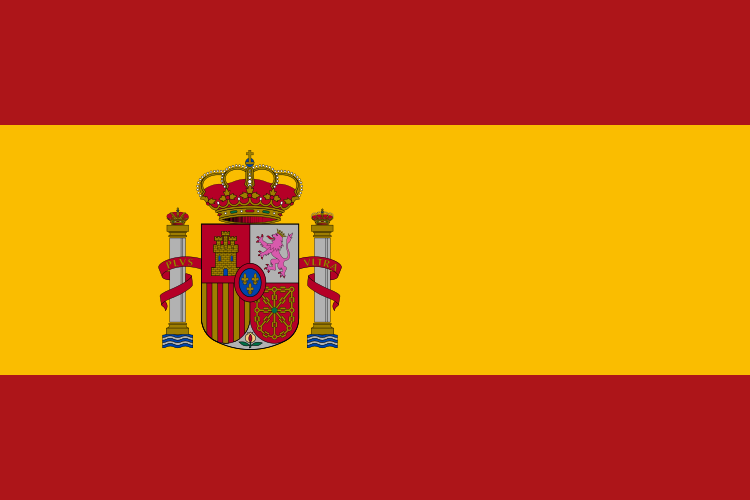
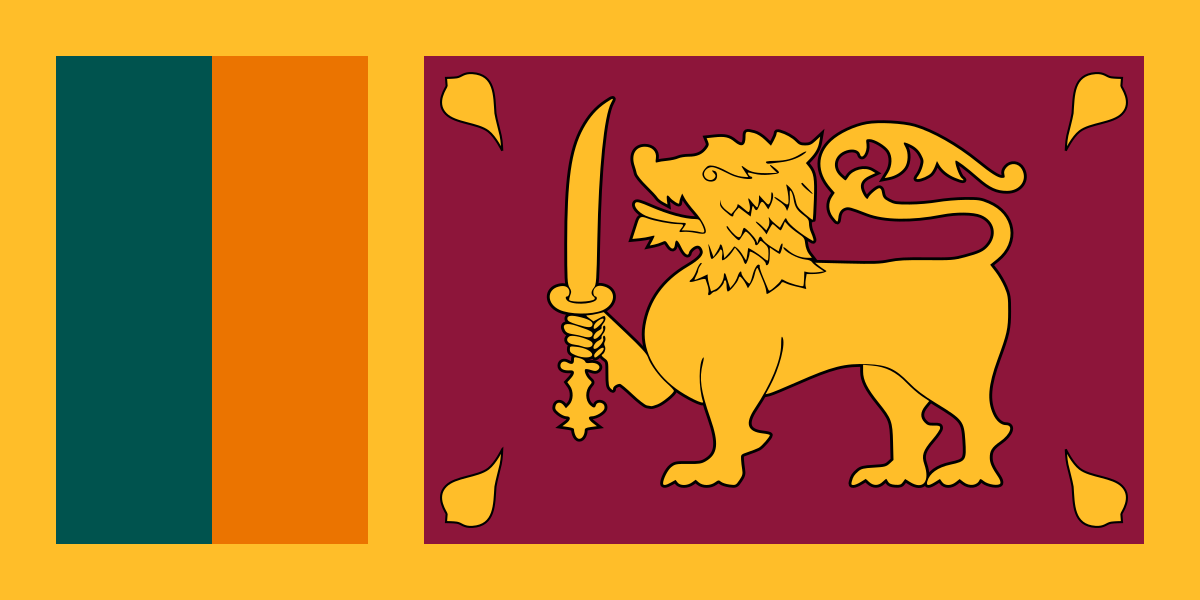
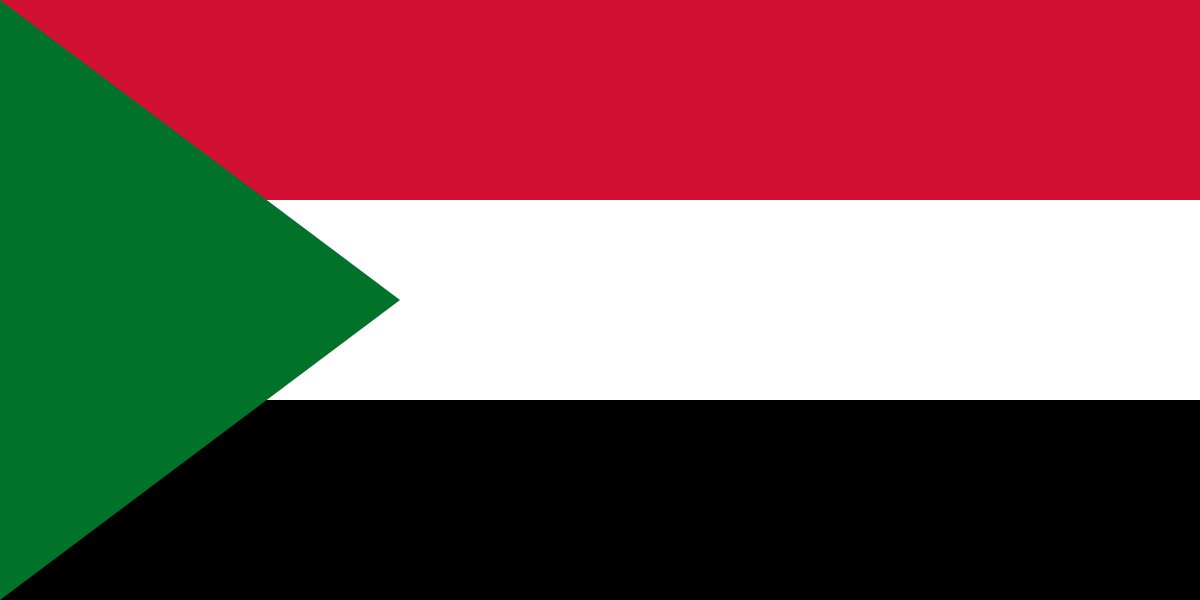
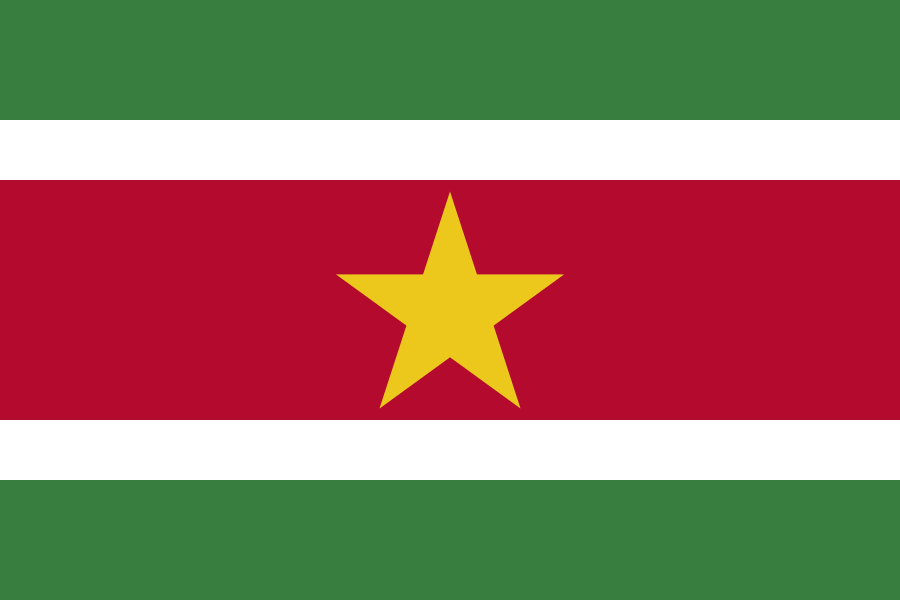
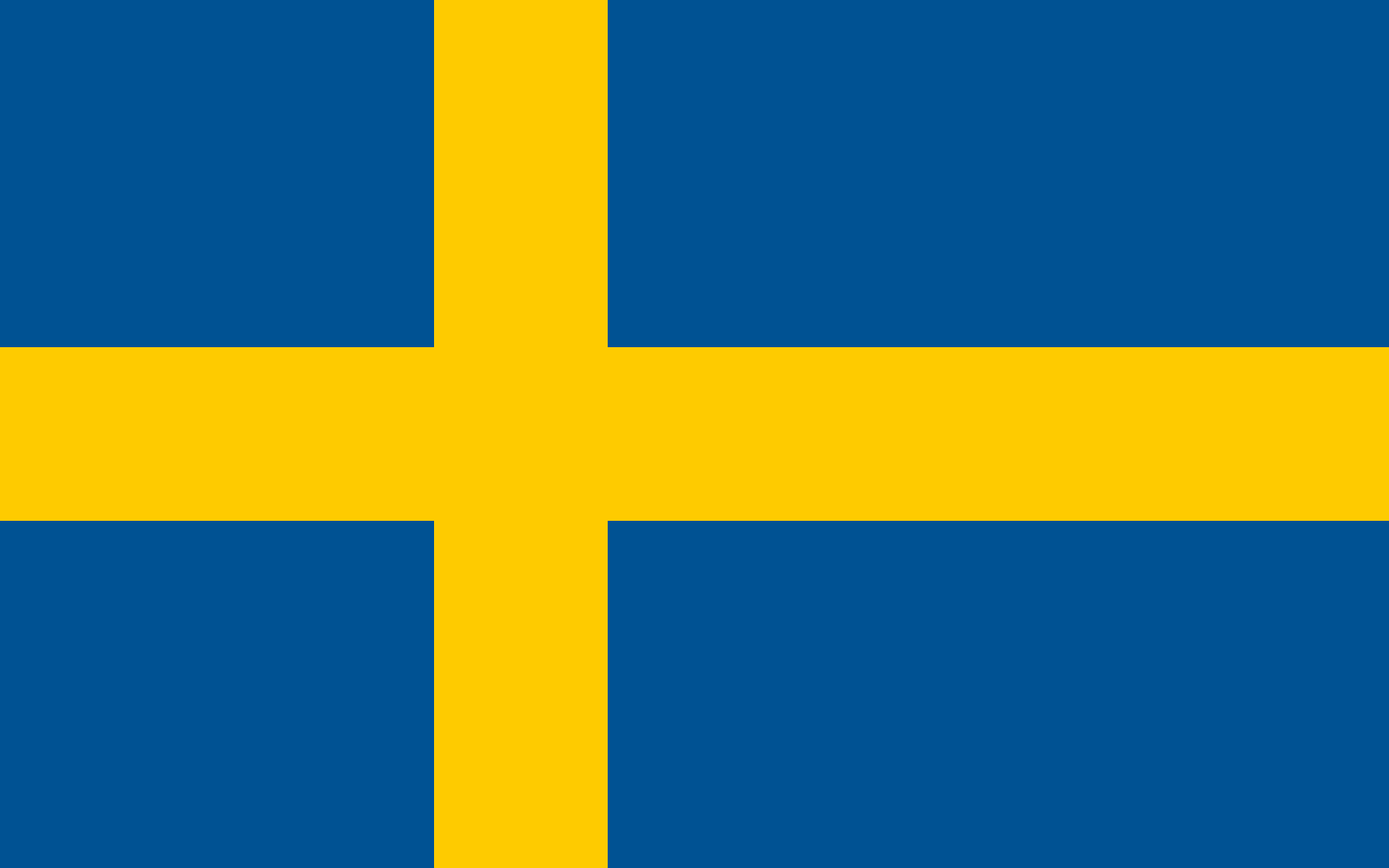
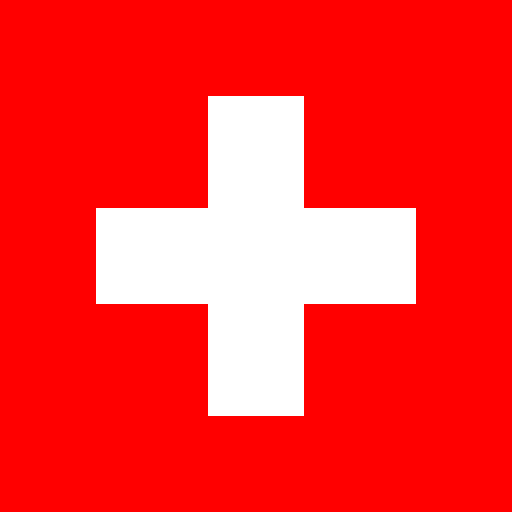
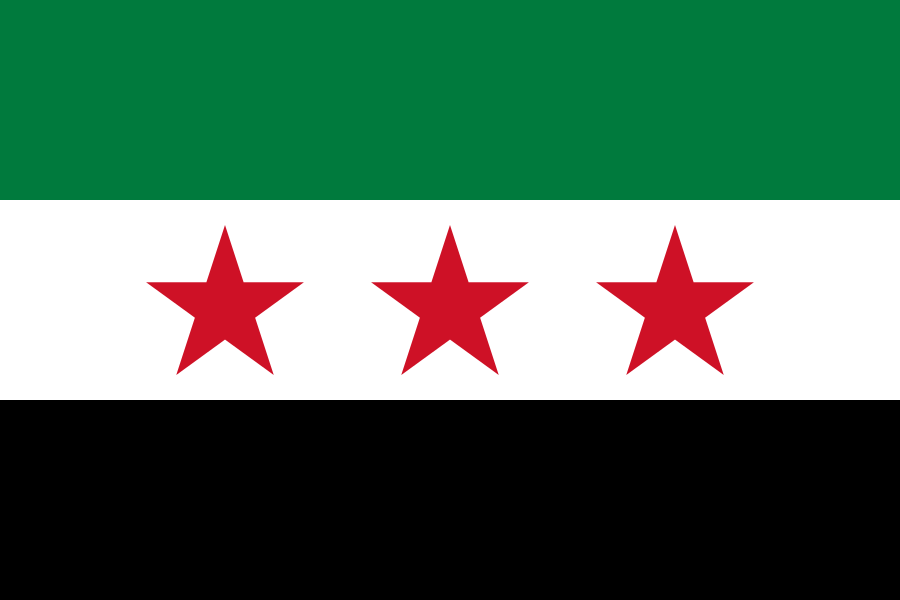
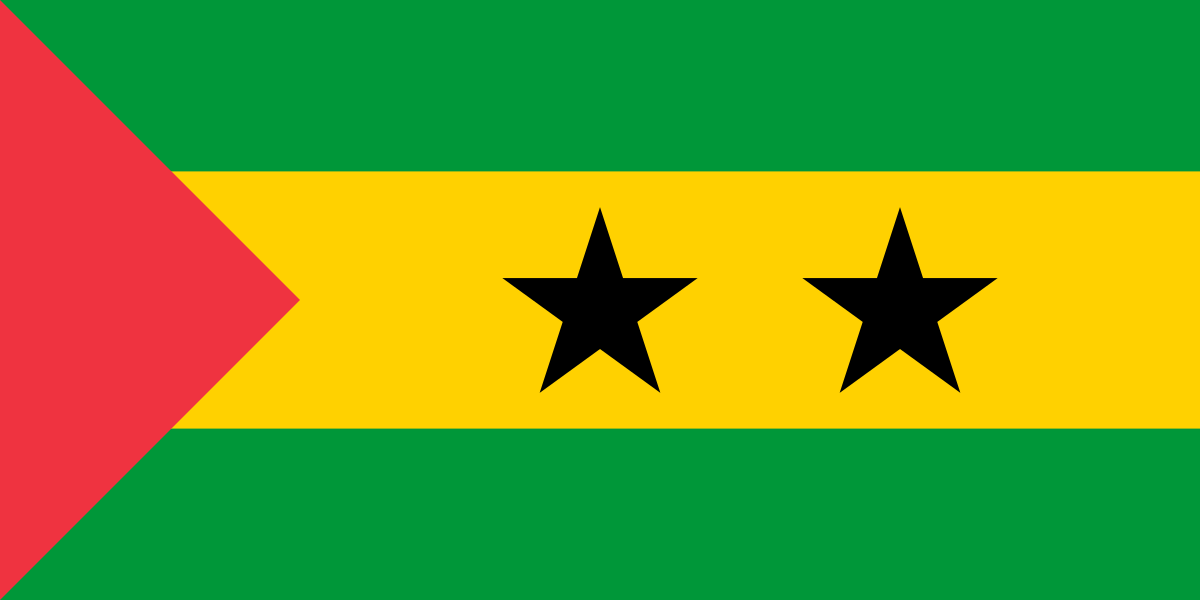
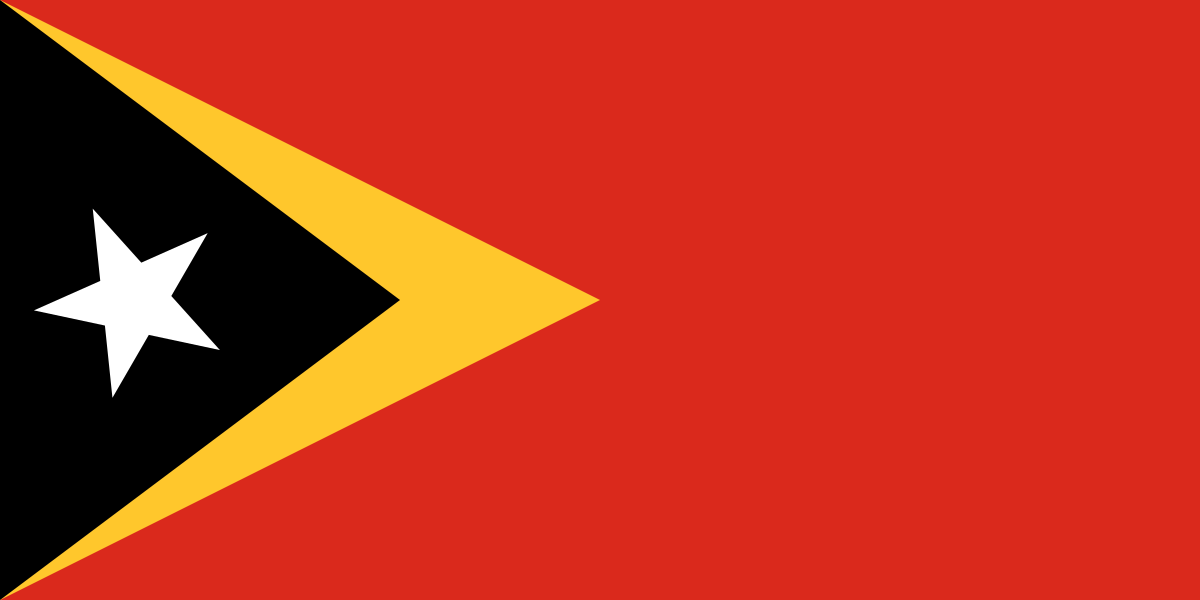
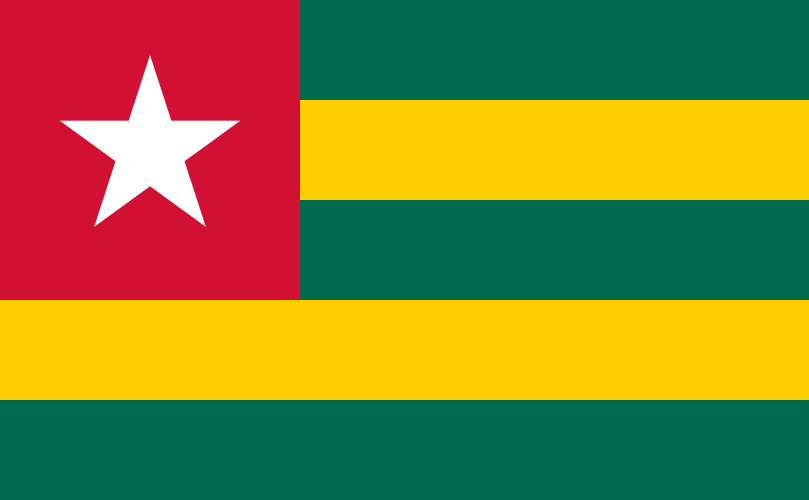
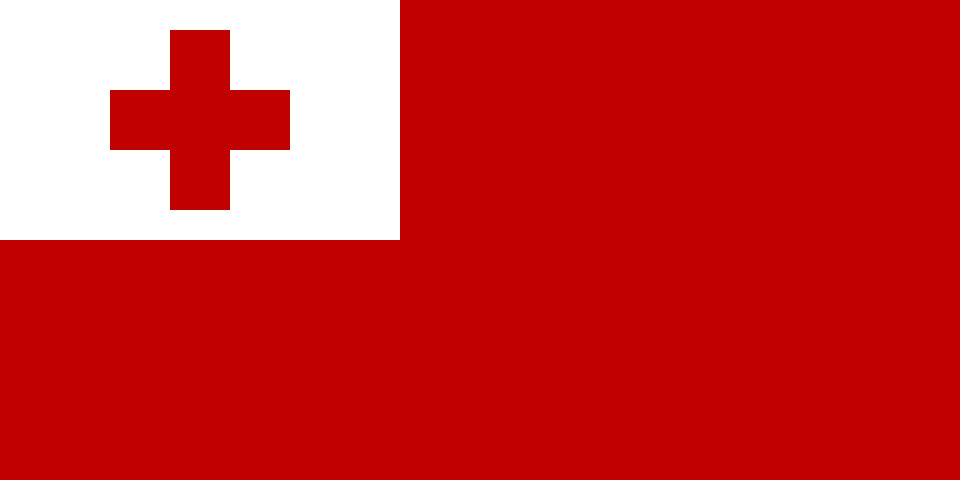
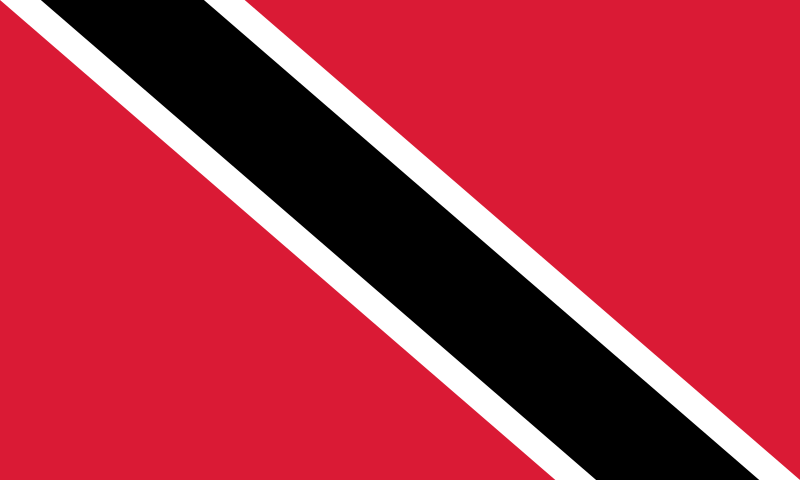
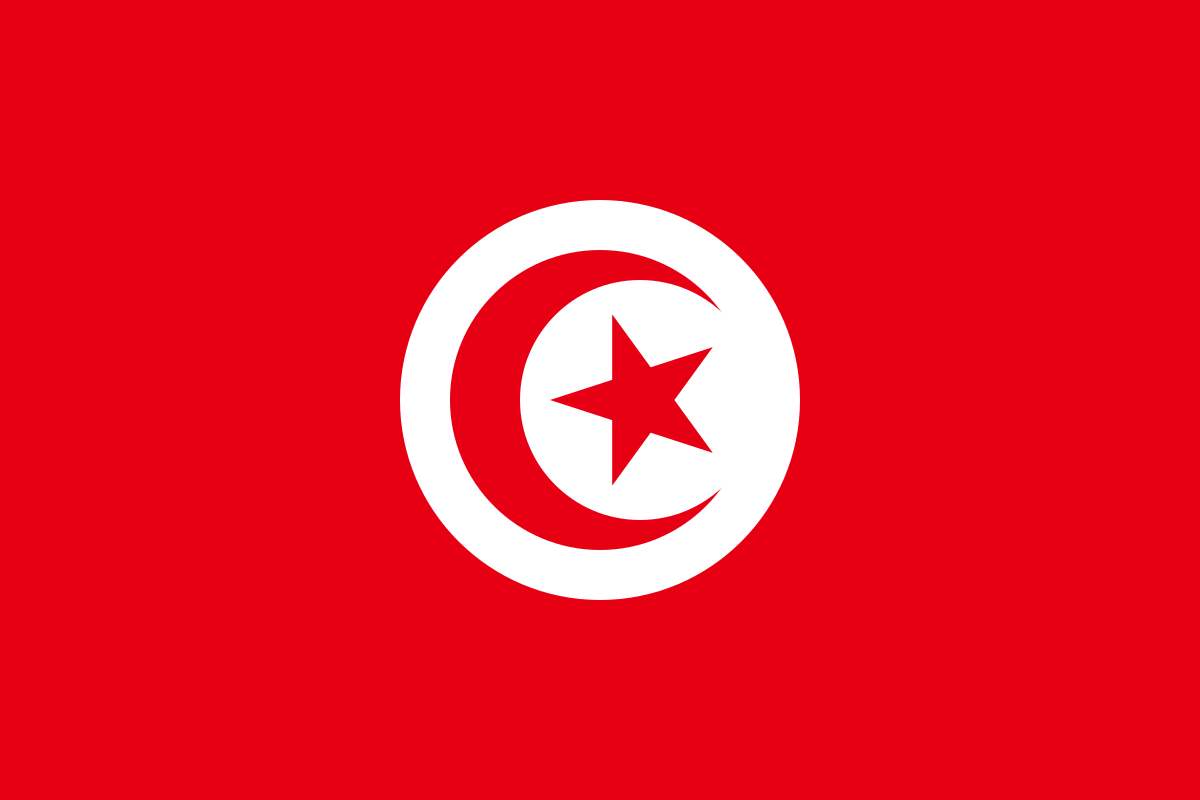
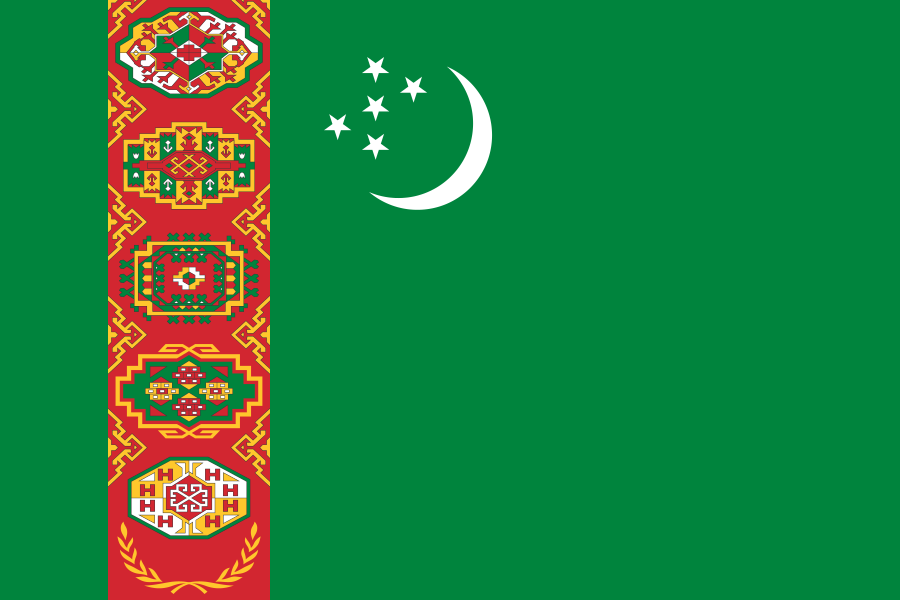
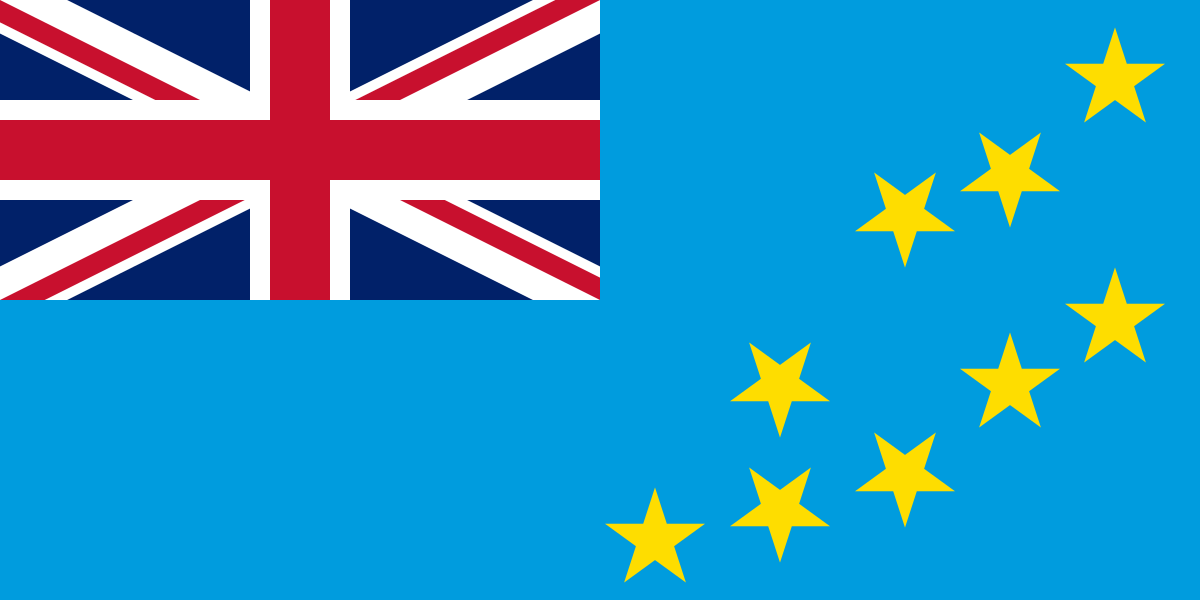
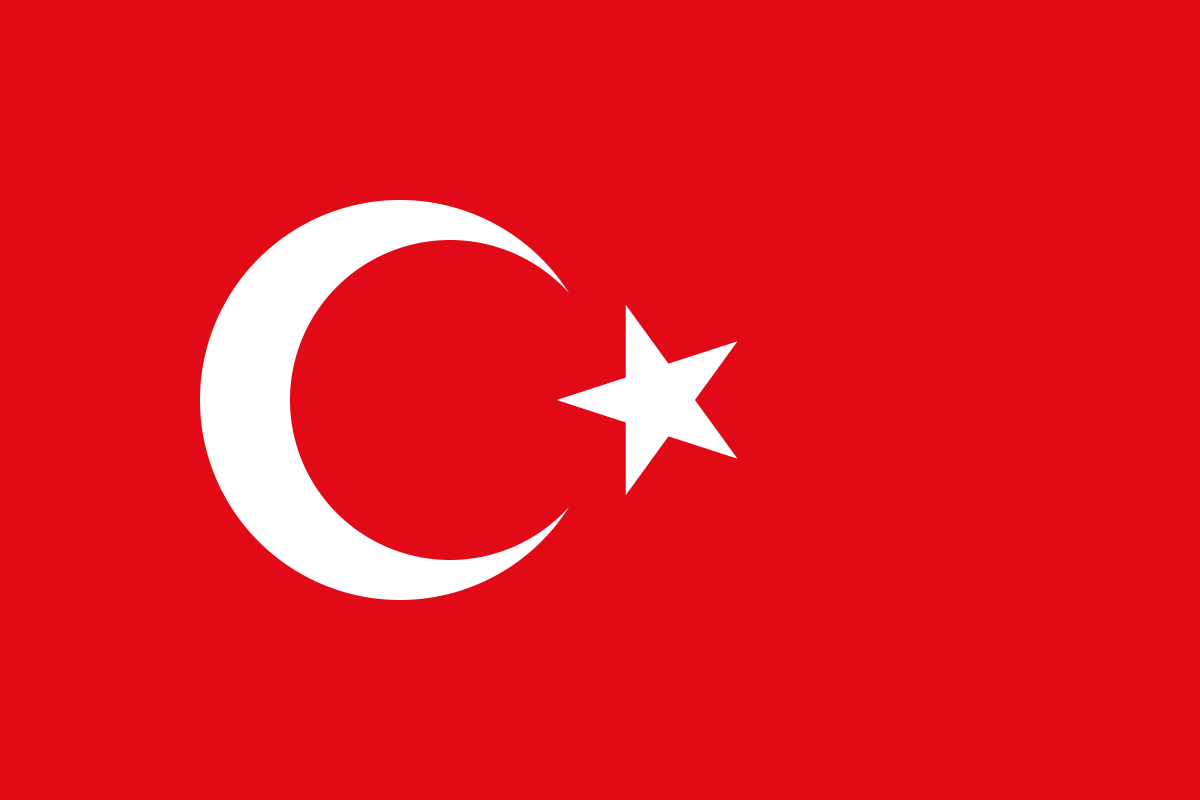
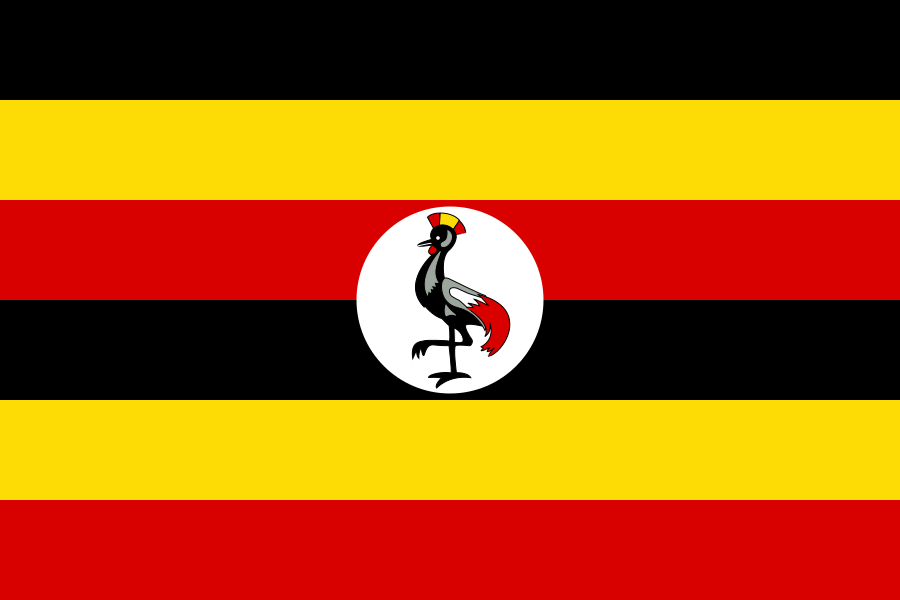
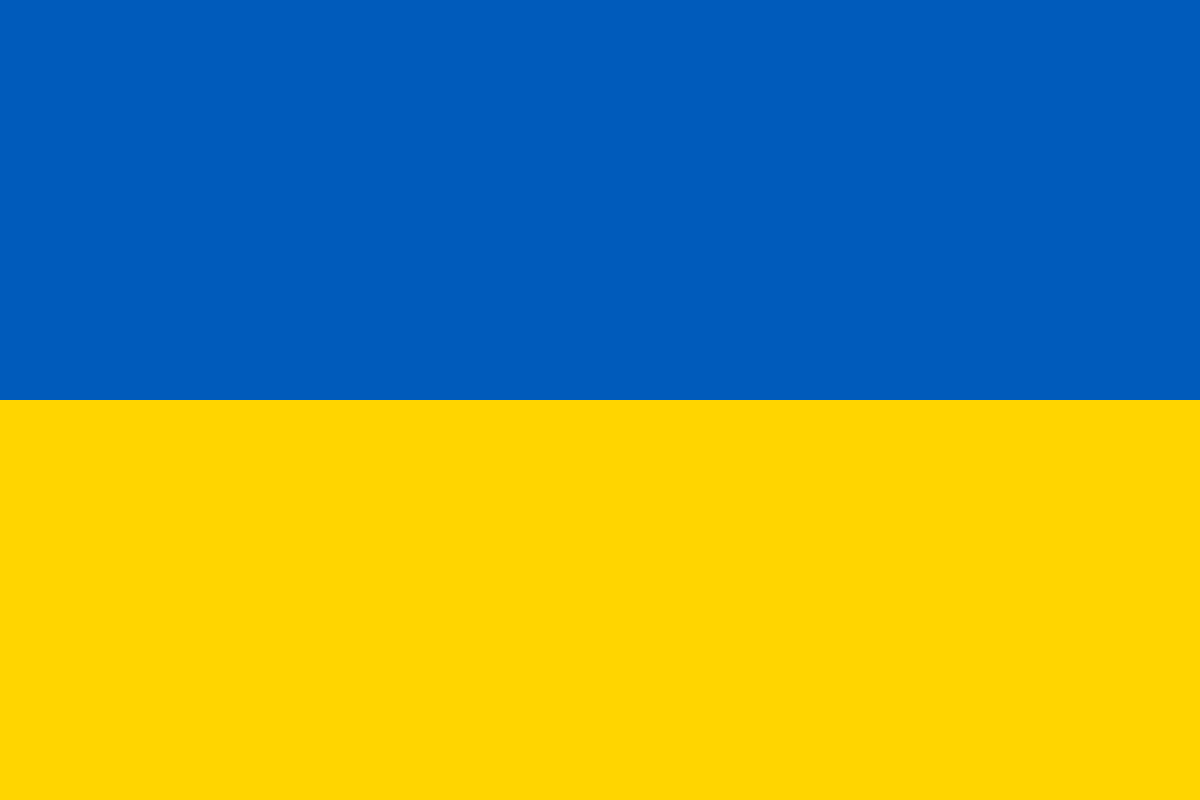
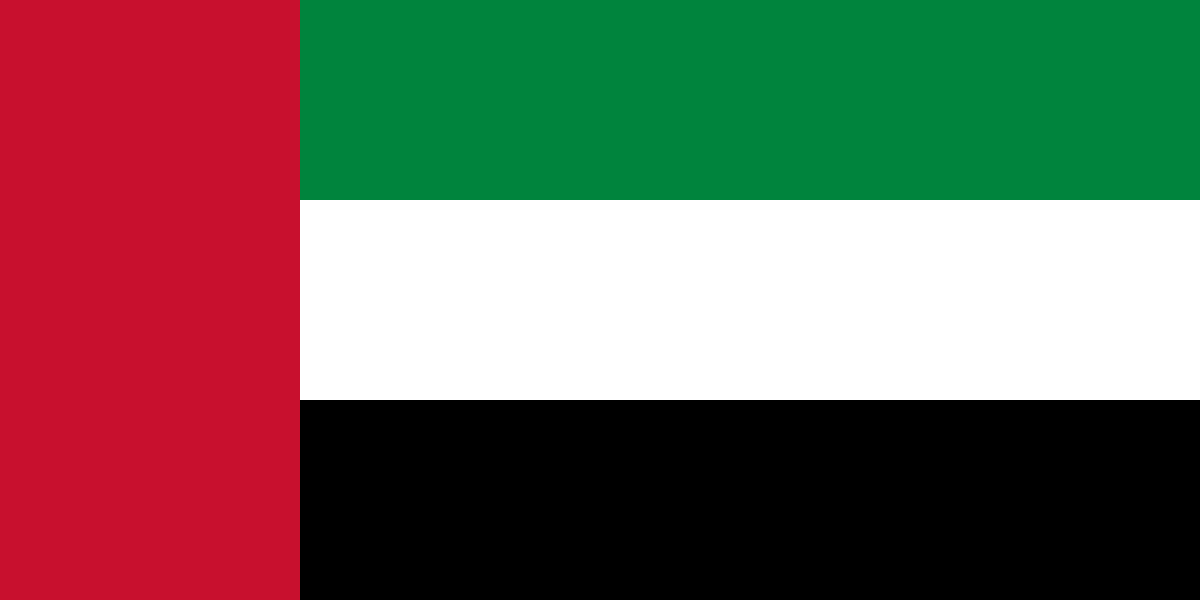
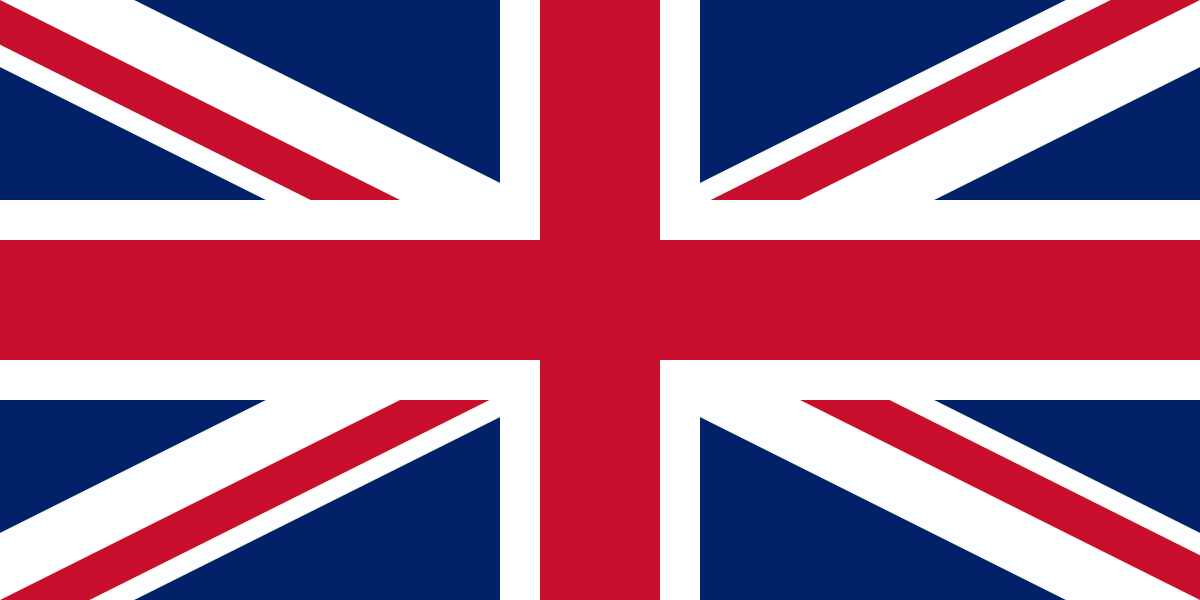
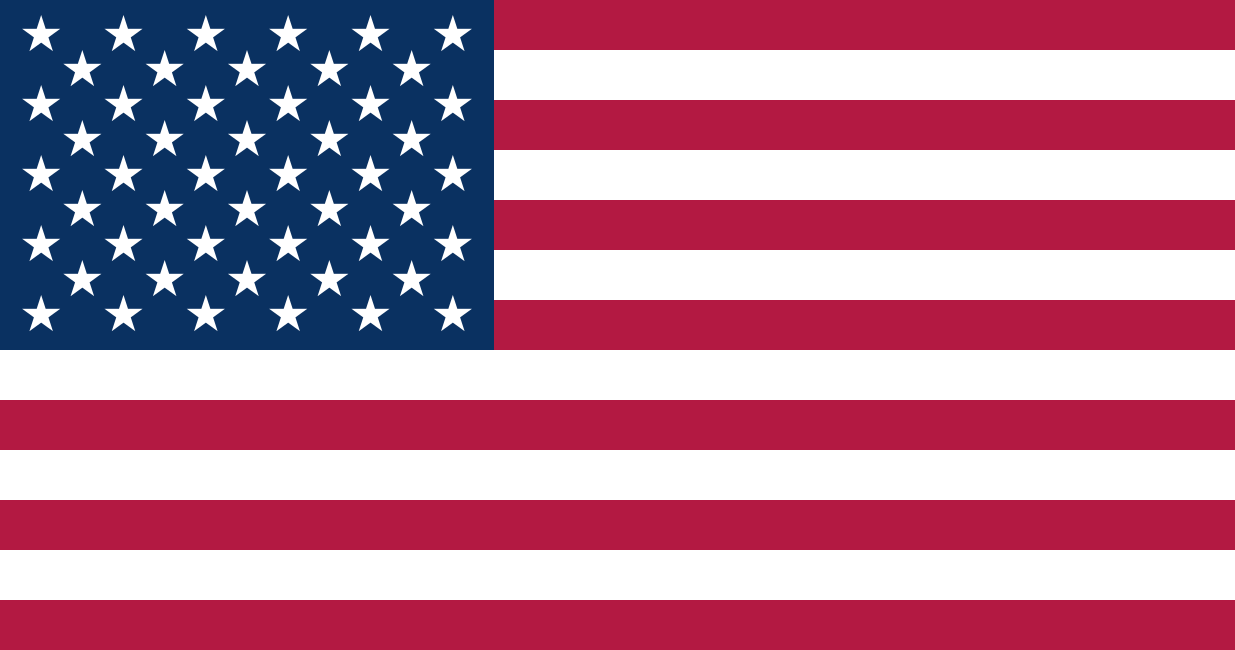
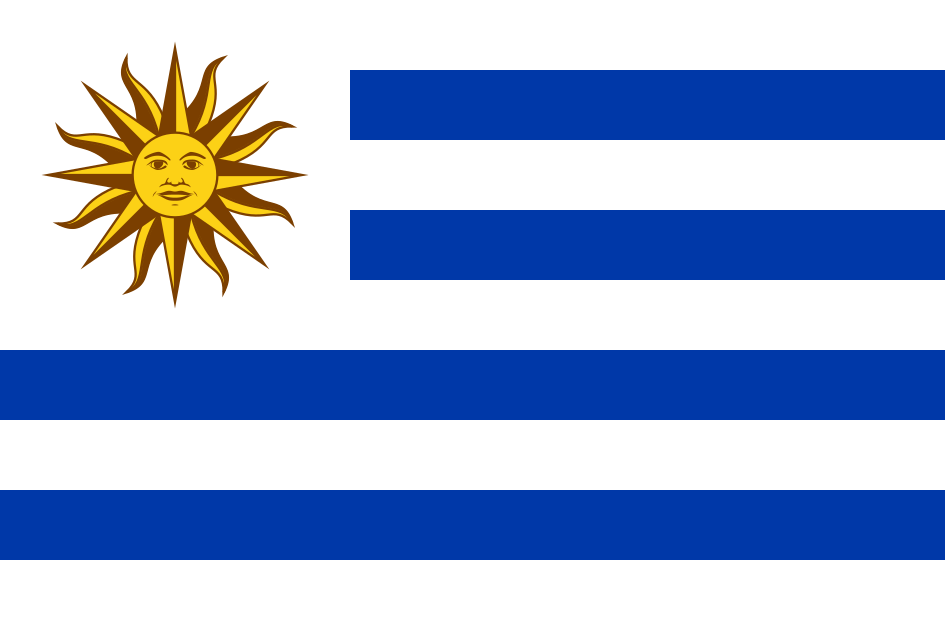
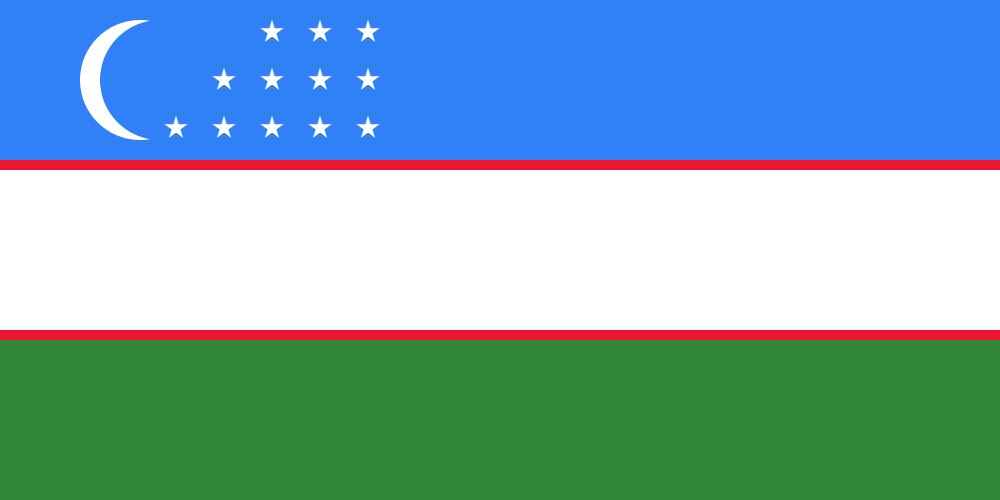
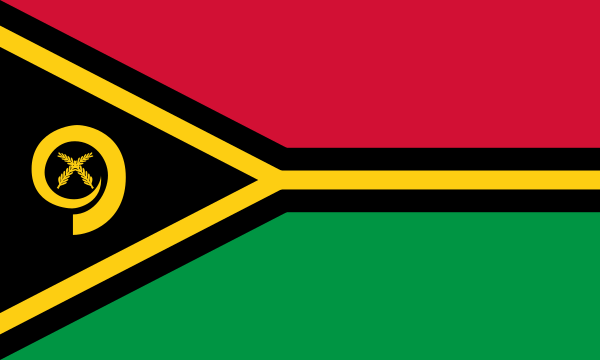
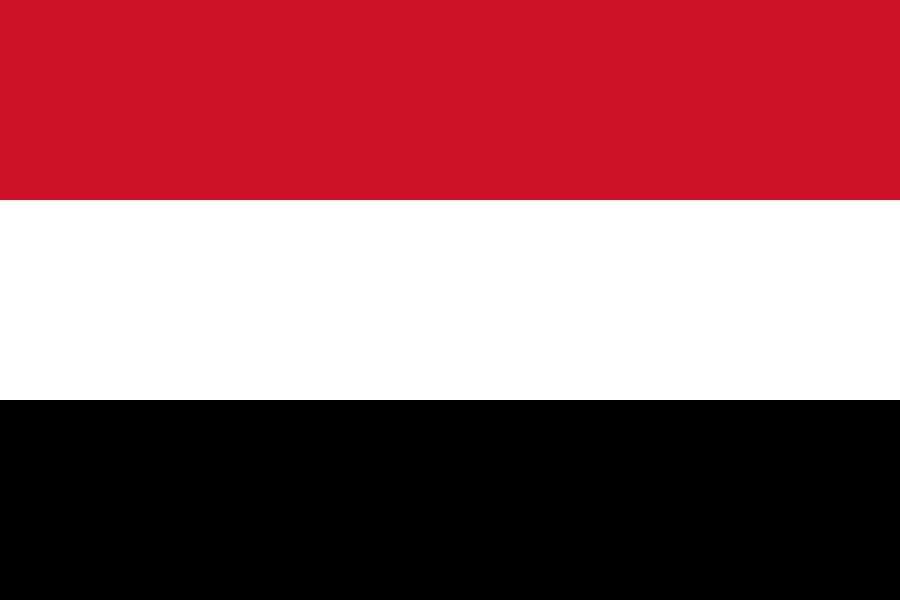
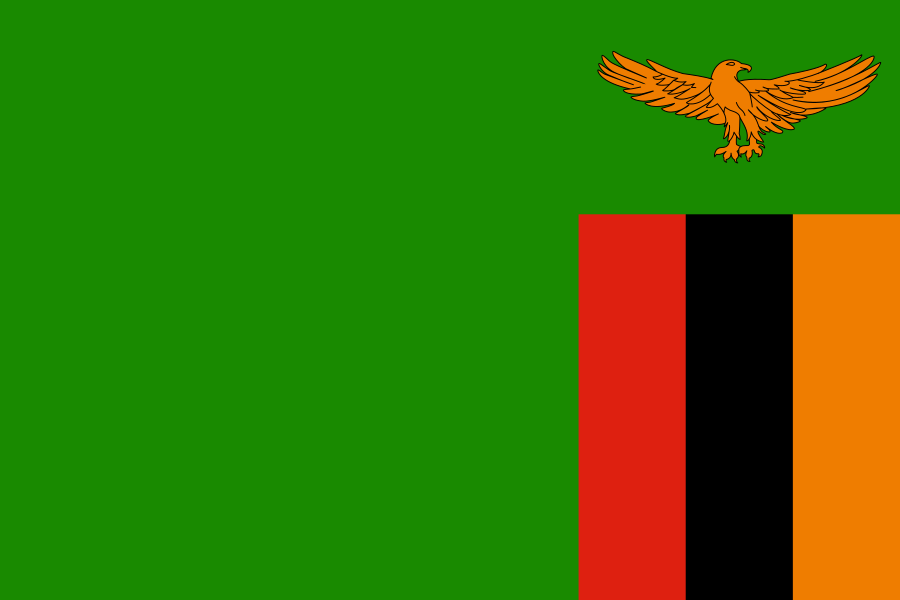
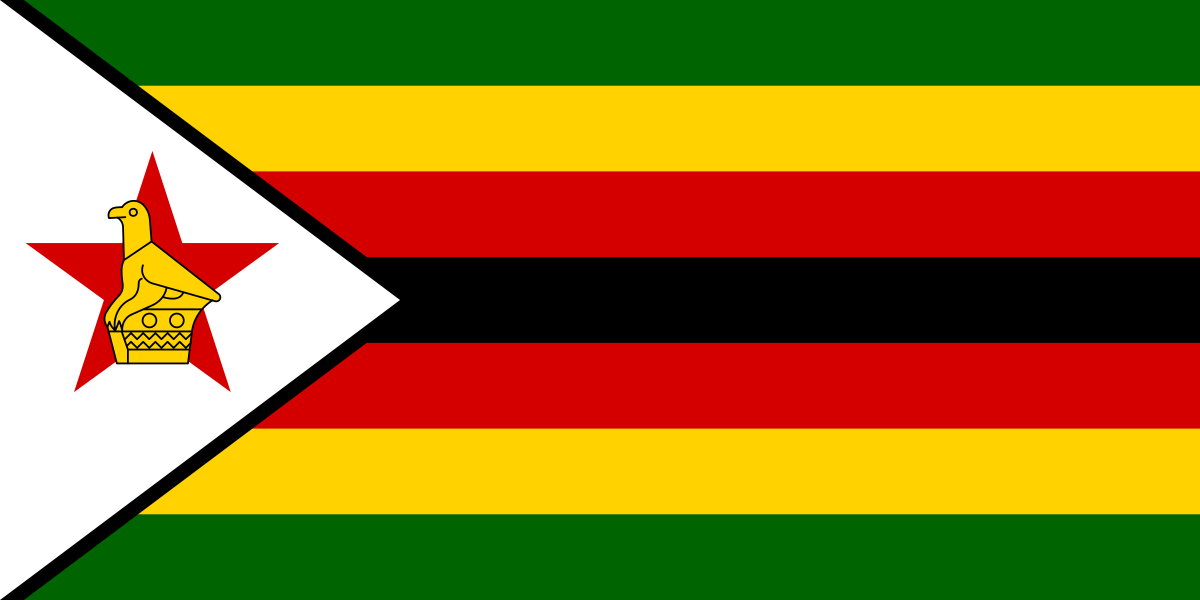
No flags match yet
Try a shorter country name or remove an appearance filter.
Country flags: names, meanings and designs
Country flags bring a place’s identity into a small, recognizable design. Their colors, stripes, crosses, stars and emblems can point to history, beliefs, landscapes or national ambitions. Looking at flags of the world together reveals connections, but the details of each flag matter. A familiar color combination can carry a different story on the other side of the world.
Identify a flag from its appearance
If you know the country, search its name to open the complete flag and its explanation. If you are trying to identify an unfamiliar flag, start with the features you remember: the main colors, the direction of the stripes and any visible symbol. A red-and-white flag with a cross needs a different shortlist from a red-and-white flag with a crescent. Add a continent when you know where you saw it, then compare the matching designs.
Read colors and symbols in context
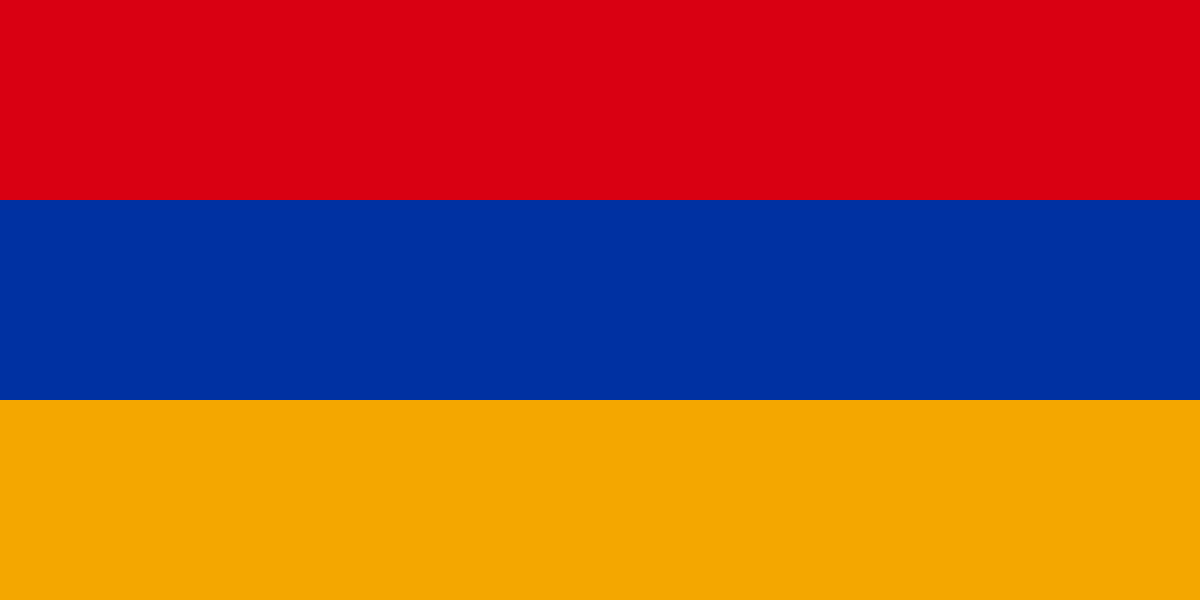
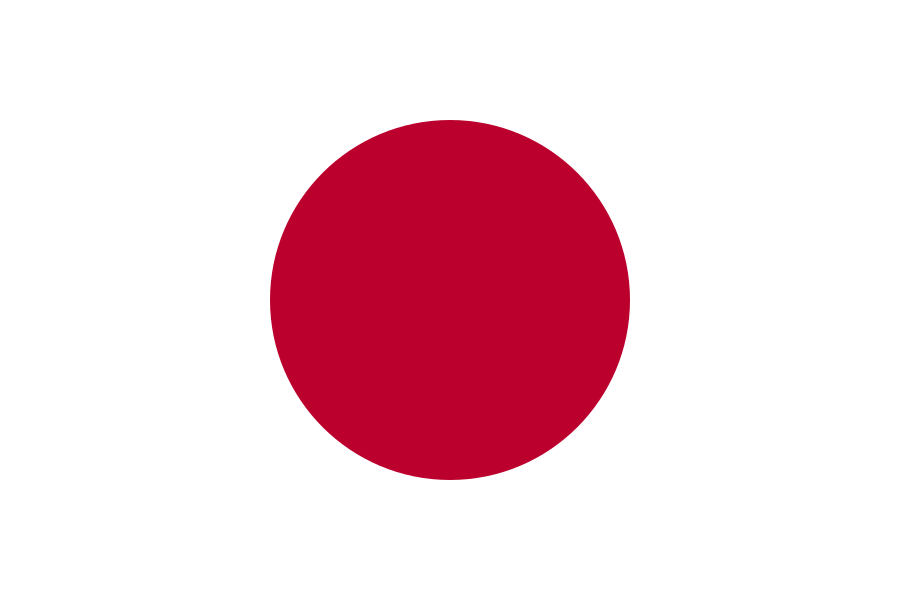
There is no universal dictionary in which every flag color means the same thing. The meaning may come from a country’s law, historical heraldry or a traditional interpretation. Japan’s official flag description identifies the red disc on white as the rising sun. Armenia’s state-symbols explanation connects orange with creative talent and diligence. Read the source attached to a country’s flag instead of assuming that a color or symbol has one worldwide meaning.
Look closely at similar country flags
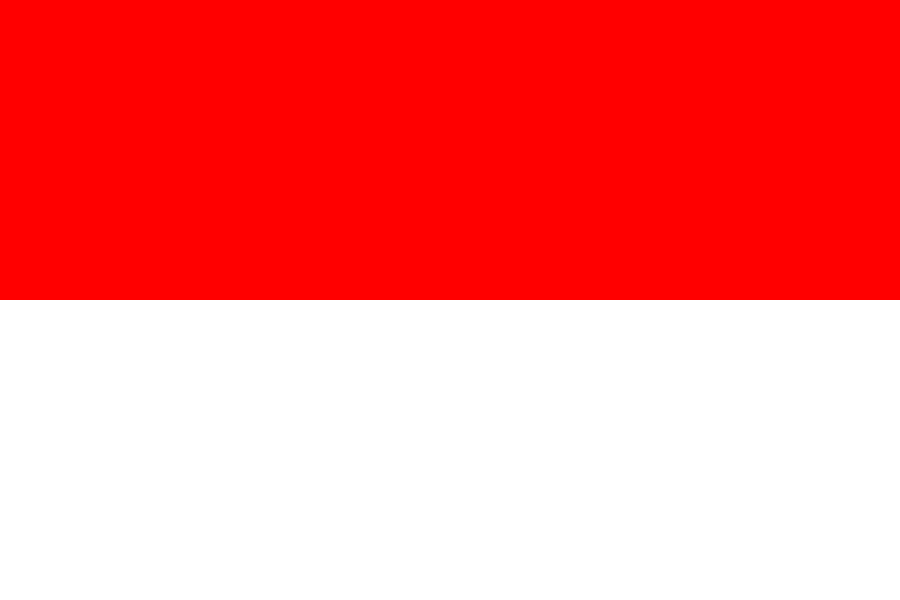
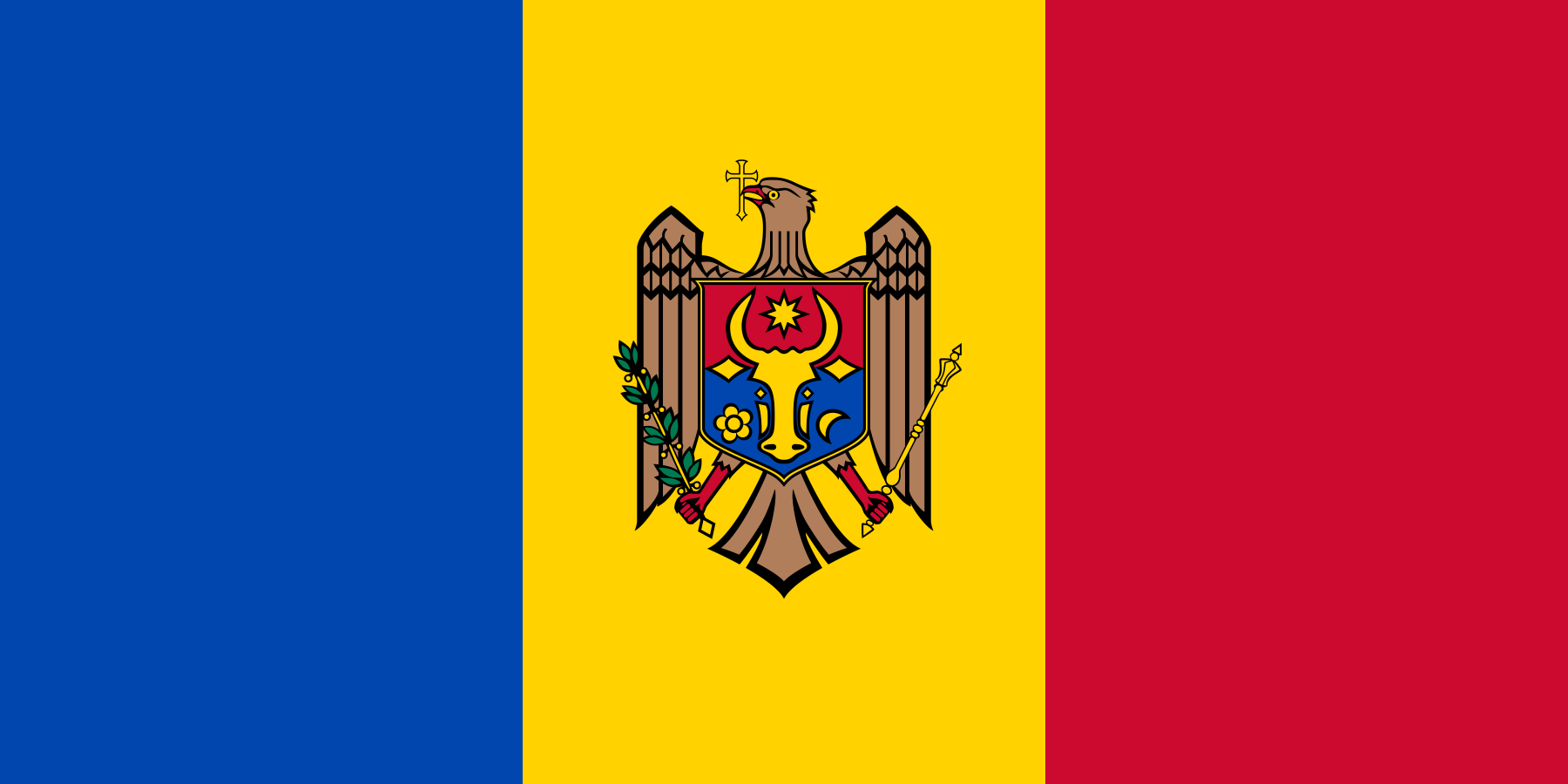
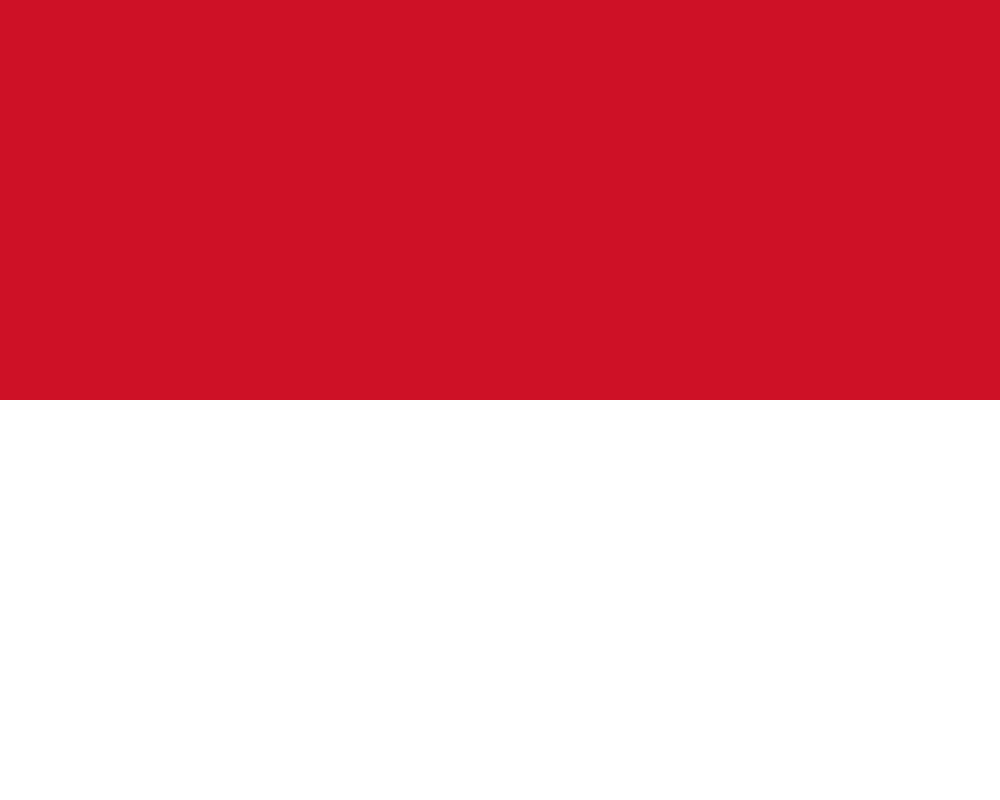
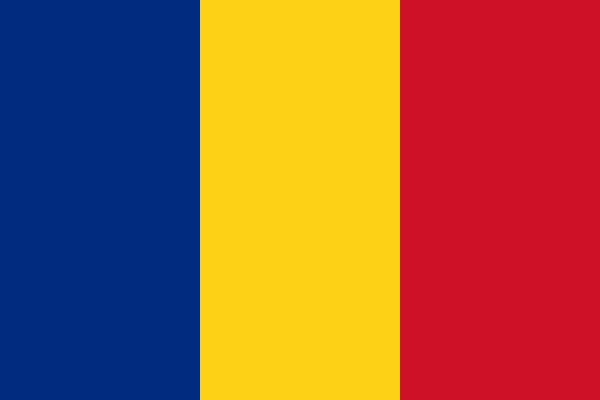
Some flags are easy to confuse at a glance. Romania and Chad both use vertical blue, yellow and red bands; Indonesia and Monaco both place red above white. Compare the actual images side by side and look for differences in shade, proportions, stripe order and emblems. The country name remains the clearest identifier. Shared colors or a similar layout can suggest a connection worth exploring, but appearance alone does not establish a shared origin.
Notice the shape and proportions
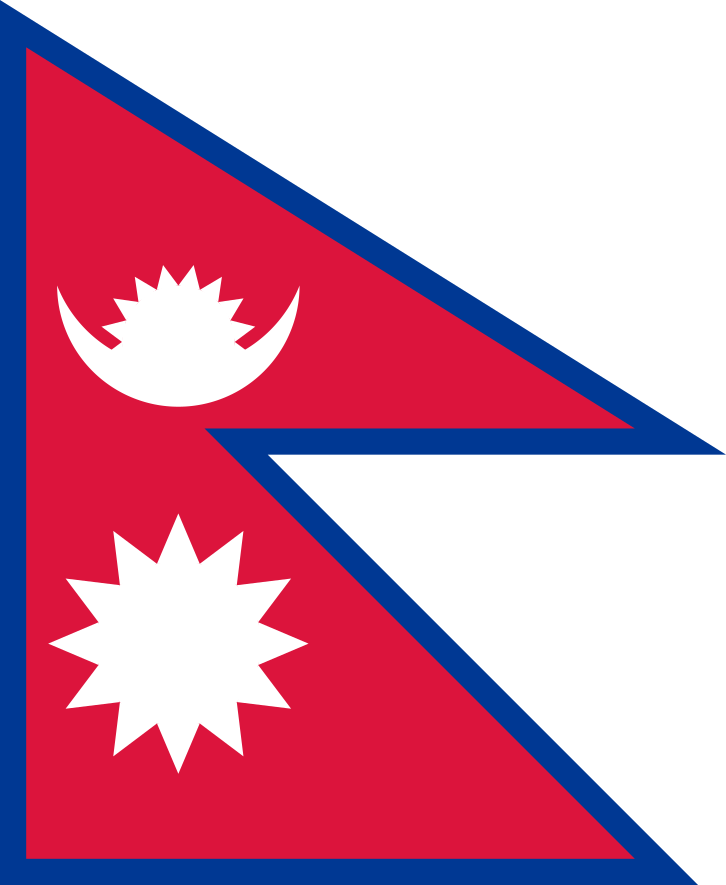
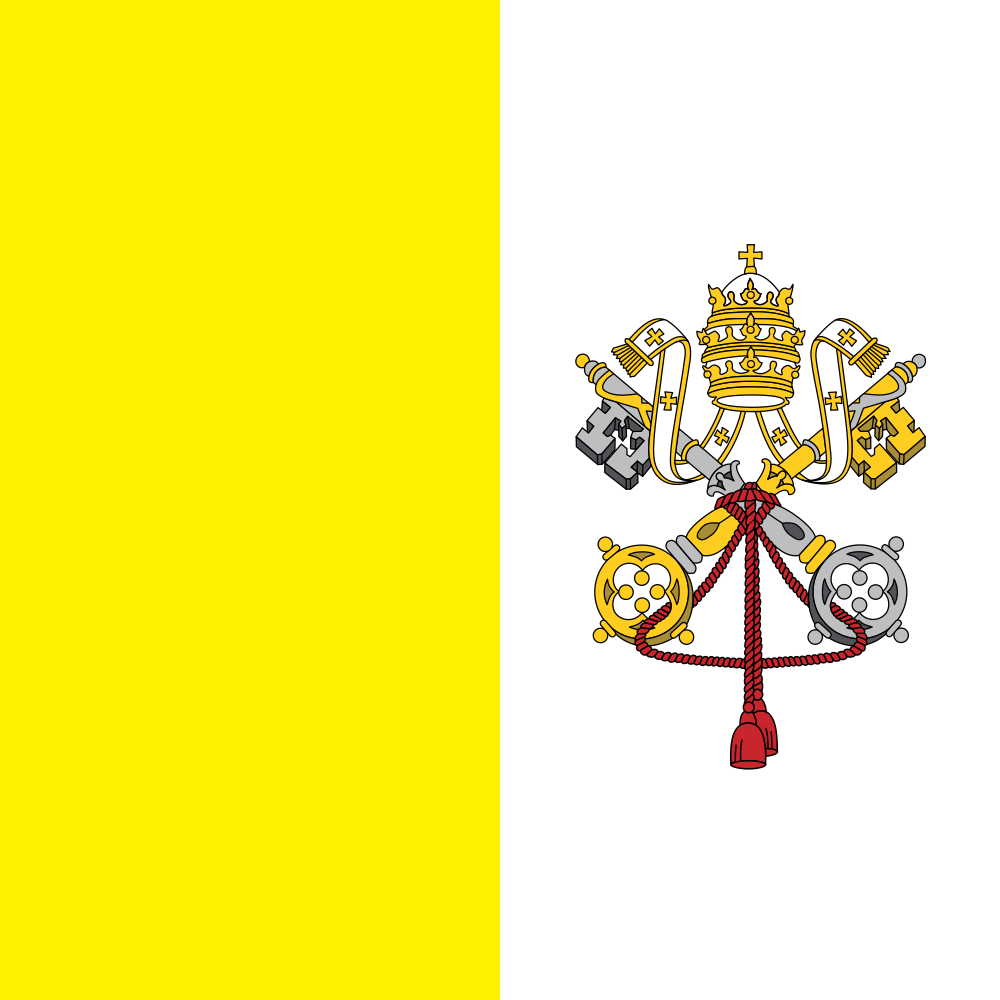
A flag’s proportions describe its height compared with its width. A ratio of 2:3 means two units high and three units wide; it does not mean two stripes or three colors. Equal-sized gallery spaces make browsing easier while the flags retain their own proportions inside them. Switzerland and Vatican City use square national flags. Nepal’s two joined pennants show why a complete flag image is more useful than forcing every design into the same rectangle.
Connect each flag with its place
The world flag map helps you connect a national symbol with a country’s position and neighbors. Its flag artwork is fitted to geographic outlines, so long coastlines, islands and narrow shapes can change proportions or crop important details. Open the country card for the complete design. In the gallery, continent filters provide a quicker way to browse a smaller group. Small countries remain available through search and the country list, even when their outlines are difficult to select at world scale.
Check which version you are viewing
A country can use more than one flag version: a civil flag may omit an emblem that appears on a state flag, and historical designs can remain familiar after an official change. The country notes identify relevant variants in this collection. Consult the linked reference when a precise design matters. Descriptions, meanings and downloadable artwork should be read together, with the complete flag providing the visual reference.
Which flags are included?
This collection covers 195 countries: the 193 United Nations member states plus the Holy See and the State of Palestine. Optional additional collections are labelled separately. Regional groupings are browsing aids. UN member states · UN observer states
Frequently asked questions about country flags
How many country flags are included?
This collection includes 195 country flags: the 193 United Nations member states plus the Holy See and the State of Palestine, the UN’s two non-member observer states. Territories, constituent countries and other flag-bearing places are outside this edition, so other collections may use a different total.
How can I identify a flag without knowing the country?
Open “Find a flag by appearance” and choose a main color, symbol or pattern. If you know the region, add a continent. Browse the matching flag images, then open a country card to inspect the complete design and compare similar flags.
Do the same colors mean the same thing on every flag?
No. Color meanings depend on the individual country and its history. A color can have an official explanation, a traditional interpretation or a connection with an older flag. Each country card links to its reference so you can read that meaning in context.
Why do some countries have similar flags?
Similar designs may reflect shared history, political traditions or common heraldic colors; sometimes countries arrive at similar layouts independently. Use the comparison view to examine the images and proportions. Similar appearance by itself does not tell you why two flags look alike.
Can I browse flags by continent?
Yes. In “All flags,” select Africa, Asia, Europe, North America, South America or Oceania. “All countries” removes the continent restriction; your search and appearance choices still apply. Each country is assigned to one browsing region, including countries that cross conventional continental boundaries.
Why does a flag look different inside the map outline?
Map artwork is fitted to a country’s geographic shape, so proportions and visible details can differ from the original flag. Narrow borders, distant islands and irregular coastlines can hide parts of the design. Open the country card or switch to “All flags” to see the complete design in its original proportions.
Can I download a country flag?
Yes. Open a country card and choose “Download SVG.” The downloaded file contains the complete flag rather than its cropped map version. SVG is a vector format, so it can be resized without the pixelation associated with enlarging a small bitmap image.
Why is Nepal’s flag a different shape?
Nepal’s national flag is made from two joined pennants rather than a rectangle. It has a crimson field, a blue border, and white moon and sun symbols. The gallery and download preserve that outline; the country card explains the design and its symbolism.