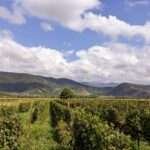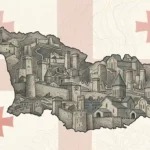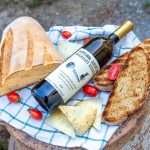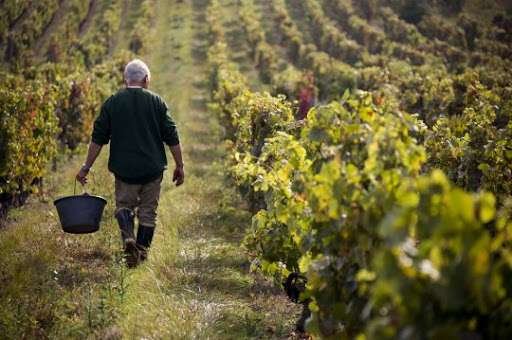
Saperavi and Rkatsiteli dominate public recognition, while hundreds of regional names survive in historical inventories, family plots, and research collections. The number attached to that heritage needs careful context.
Georgia has more than 500 documented local grape varieties, conventionally summarized as 525. That is an ampelographic heritage count, not 525 genetically confirmed commercial cultivars. The Jighaura national collection preserved 437 Georgian varieties in 2023, while a much smaller group dominates modern vineyards and wine labels.
How to use this article: Start with why the count varies, compare the two vineyard-area totals, see how to read the 529-entry index, or go straight to why qvevri methods vary.
Overview of Georgian Viticulture
Georgia has some of the earliest known archaeological evidence for grape wine. Organic residues recovered from Neolithic pottery at Gadachrili Gora and Shulaveris Gora date to roughly 6000–5800 BCE. That supports Georgia’s “Cradle of Wine” description without proving that every later wine tradition began in one place; the wider evidence is explained in where wine was first made.
Georgia’s law identifies ten viticultural zones: Kakheti, Kartli, Meskheti, Imereti, Racha, Lechkhumi, Guria, Samegrelo, Abkhazia, and Adjara. Kakheti is the largest commercial center, but western and highland zones preserve distinct grapes and methods. GeographyPin’s guide to Georgian wine regions follows that regional pattern in more detail.
How many Georgian grape varieties are there?
525 is the conventional national heritage figure. It comes from Georgian ampelographic scholarship and is repeated by the National Wine Agency and the Scientific-Research Center of Agriculture. “More than 500” is the safest rounded wording when the counting method is not being discussed.
A living collection produces a different number. The Scientific-Research Center of Agriculture reported 437 Georgian varieties preserved at its Jighaura collection in 2023. A peer-reviewed review also described more than 700 Georgian germplasm accessions—cataloged vine samples rather than necessarily distinct varieties—and warned that synonyms, homonyms, mutations, and past misidentifications still complicate the exact genetic count.
Why do official vineyard-area figures differ?
The National Wine Agency’s vineyard cadastre reported about 120,200 acres (48,642 hectares) in February 2024, covering 170,174 parcels and 47,091 growers. Geostat’s 2024 Agricultural Census later recorded about 148,100 acres (59,950 hectares) under vineyards operated by agricultural holdings; about 125,300 acres (50,690 hectares), or roughly 85% of that census total, were in Kakheti (National Wine Agency, 2024; Geostat, 2024 Agricultural Census).
These figures measure the sector through different systems, dates, and coverage rules. The older article’s 48,642-hectare total was therefore not invented, but it should have been identified as a cadastre figure rather than treated as the only nationwide acreage estimate.
The 529-Entry Regional Variety Index
Georgian grape descriptions use more than a simple red-versus-white division. Historical sources may classify berries as black, red, pink, gray, yellow, or white, while a finished wine’s color also depends on pressing, skin contact, blending, and winemaking technique.
How to read the catalog
The preserved index below contains 529 named entries in Romanized form, arranged by their associated region and recorded berry color. It comes from a Georgian historical and ethnographic name list. It is useful for regional orientation, but it is not a synonym-controlled genetic register and should not be cited as proof of 529 distinct cultivars.
Regional labels show the association used by the source, not an exclusive modern growing range. Spellings vary across Georgian, English, and scientific catalogs. Rows 288 and 327 repeat the same Kharist’vala t’et’ri entry, and other rows represent known synonyms, local forms, or color variants; they remain here because those overlaps help explain why a row count and a cultivar count are not interchangeable.
Open the 529-entry historical index
| № | Name | Associated Region | Recorded Berry Color |
|---|---|---|---|
| 1 | Absuazh | Abkhazia | Black |
| 2 | Agbizh | Abkhazia | Black |
| 3 | Agutolizh | Abkhazia | Black |
| 4 | At’asarakva | Abkhazia | Black |
| 5 | Akabil | Abkhazia | Black |
| 6 | Aklik | Abkhazia | Black |
| 7 | Akomshtal | Abkhazia | Black |
| 8 | Akubasa | Abkhazia | Black |
| 9 | Akumshtal | Abkhazia | Black |
| 10 | Akushar | Abkhazia | Black |
| 11 | Amgurchal | Abkhazia | Black |
| 12 | Amlakhu | Abkhazia | Black |
| 13 | Amokhp’izh | Abkhazia | Black |
| 14 | Apapnizh | Abkhazia | Black |
| 15 | Apuzhera | Abkhazia | Black |
| 16 | Aqap’sh | Abkhazia | Black |
| 17 | Ashughash | Abkhazia | Black |
| 18 | Achkikizh | Abkhazia | Black |
| 19 | Atsimlizh | Abkhazia | Black |
| 20 | Adznizh | Abkhazia | Black |
| 21 | Ats’lizh | Abkhazia | Black |
| 22 | Ach’andris ts’it’eli | Abkhazia | Black |
| 23 | Akhardan | Abkhazia | Black |
| 24 | Akhukhuzh | Abkhazia | Black |
| 25 | Kach’ich’i | Abkhazia | Black |
| 26 | Petrizhi | Abkhazia | Black |
| 27 | Tatlizhi | Abkhazia | Black |
| 28 | Amlakhu shavi | Abkhazia | Black |
| 29 | Tskhenisdzudzu ap’khazuri | Abkhazia | Black |
| 30 | Ts’vindirkhva | Abkhazia | Black |
| 31 | Lakoazh | Abkhazia | Dark Blue |
| 32 | Khap’shira | Abkhazia | Purple-Pink |
| 33 | Khupinizhi | Abkhazia | Purple-Pink |
| 34 | Abistazh | Abkhazia | White |
| 35 | Avasirkhva | Abkhazia | White |
| 36 | Avrekhi | Abkhazia | White |
| 37 | At’urk’uzh | Abkhazia | White |
| 38 | Akabilizh | Abkhazia | White |
| 39 | Akasazh | Abkhazia | White |
| 40 | Azhkvakva | Abkhazia | White |
| 41 | Azhkhvata | Abkhazia | White |
| 42 | Kiamokhta | Abkhazia | White |
| 43 | Makhvateli | Abkhazia | White |
| 44 | Khunalizhi | Abkhazia | White |
| 45 | Khutunizhi | Abkhazia | White |
| 46 | Agashkur | Abkhazia | Pink |
| 47 | Azhapsh | Abkhazia | Pink |
| 48 | Azhemchigh | Abkhazia | Pink |
| 49 | Azhia | Abkhazia | Pink |
| 50 | Azhigra | Abkhazia | Pink |
| 51 | Azhkhap’sh | Abkhazia | Pink |
| 52 | Almura shavi | Ajara | Black |
| 53 | Bat’omura | Ajara | Black |
| 54 | Burdzghala | Ajara | Black |
| 55 | Butko | Ajara | Black |
| 56 | Sap’eravi vaios | Ajara | Black |
| 57 | Kirts’ts’it’ela | Ajara | Black |
| 58 | Livanura shavi | Ajara | Black |
| 59 | Magara | Ajara | Black |
| 60 | Mekrenchkhi | Ajara | Black |
| 61 | Mortskhula | Ajara | Black |
| 62 | Saliklevi | Ajara | Black |
| 63 | Sap’eravi ach’aruli | Ajara | Black |
| 64 | Sats’uri | Ajara | Black |
| 65 | Tadzigura | Ajara | Black |
| 66 | Tqis vazi | Ajara | Black |
| 67 | Tqis qurdzena | Ajara | Black |
| 68 | K’ork’aula | Ajara | Black |
| 69 | Shishveli | Ajara | Black |
| 70 | Chitist’vala ach’aruli | Ajara | Black |
| 71 | Tskhenisdzudzu ach’aruli | Ajara | Black |
| 72 | Ch’ipakuri | Ajara | Black |
| 73 | Ch’odi | Ajara | Black |
| 74 | Kharist’vala ach’aruli | Ajara | Black |
| 75 | Jineshi | Ajara | Black |
| 76 | Akhalaki | Ajara | Dark Red |
| 77 | Povnili | Ajara | Dark Red |
| 78 | Almura t’et’ri | Ajara | White |
| 79 | Baghis qurdzeni | Ajara | White |
| 80 | Brola | Ajara | White |
| 81 | Gorgouli | Ajara | White |
| 82 | T’et’ra | Ajara | White |
| 83 | T’urvandi | Ajara | White |
| 84 | Kaikatsishviliseuli t’et’ri | Ajara | White |
| 85 | Kvirist’ava | Ajara | White |
| 86 | Klarjuli | Klarjeti–Adjara | White |
| 87 | Livanura t’et’ri | Ajara | White |
| 88 | Mts’vane ach’aruli | Ajara | White |
| 89 | Mts’vanura | Ajara | White |
| 90 | Orjokhuli | Ajara | White |
| 91 | Skhalt’uri | Ajara | White |
| 92 | Shavshura | Shavsheti–Adjara | White |
| 93 | Tsvit’e | Ajara | White |
| 94 | Ts’vite | Ajara | White |
| 95 | Ch’ech’ibera | Ajara | White |
| 96 | Javakhet’ura | Javakheti-Ajara | White |
| 97 | Kibura | Ajara | Pink |
| 98 | Kikacha shavi | Guria | Red |
| 99 | Kumusha | Guria | Red |
| 100 | Maganakuri | Guria | Red |
| 101 | Mandikouri | Guria | Red |
| 102 | Makhat’uri | Guria | Red |
| 103 | Mtredisp’ekha | Guria | Red |
| 104 | Mtsvivani guruli | Guria | Red |
| 105 | Samchkhavera | Guria | Red |
| 106 | Chepeshi | Guria | Red |
| 107 | Akido | Guria | Black |
| 108 | Aladasturi | Guria-Imereti | Black |
| 109 | Bakhvas qurdzeni | Guria | Black |
| 110 | Berdzula | Guria | Black |
| 111 | Vorona | Guria | Black |
| 112 | Kamuri shavi | Guria | Black |
| 113 | Kotskhana | Guria | Black |
| 114 | Mtevandidi | Guria | Black |
| 115 | Nasheneba | Guria | Black |
| 116 | Op’oura | Guria | Black |
| 117 | Ojaleshi guriis | Guria | Black |
| 118 | Rtskhili | Guria | Black |
| 119 | Sap’eravi guriis | Guria | Black |
| 120 | Skhilat’ubani | Guria | Black |
| 121 | Shavchkhavera | Guria | Black |
| 122 | Chkhaveri | Guria | Black |
| 123 | Tsanap’it’a | Guria | Black |
| 124 | Tsivchkhavera | Guria | Black |
| 125 | Ch’umuta | Guria | Black |
| 126 | Khemkhu | Guria | Black |
| 127 | Khushia shavi | Guria | Black |
| 128 | Jani | Guria | Black |
| 129 | Jani nakashidzis | Guria | Black |
| 130 | Jani tsikhuri | Guria | Black |
| 131 | Tsisp’ererula | Guria | Gray |
| 132 | Badagi | Guria | Dark Pink |
| 133 | At’inauri | Guria | White |
| 134 | Dordgho | Guria | White |
| 135 | Vatsits’vera | Guria | White |
| 136 | Zenat’uri | Guria | White |
| 137 | T’et’ri qurdzeni | Guria | White |
| 138 | Chkhaveri t’et’ri | Guria | White |
| 139 | T’k’vlap’a | Guria | White |
| 140 | Kaknatela | Guria | White |
| 141 | Kamuri t’et’ri | Guria | White |
| 142 | Kapistoni ts’its’iliani | Guria | White |
| 143 | Katuri | Guria | White |
| 144 | Keshelavas t’et’ri | Guria | White |
| 145 | Maisa | Guria | White |
| 146 | Mauri t’et’ri | Guria | White |
| 147 | Sakmiela | Guria | White |
| 148 | Saknatuna | Guria | White |
| 149 | Samarkhi | Guria | White |
| 150 | K’ak’ut’ura | Guria | White |
| 151 | Chkhinkilouri | Guria | White |
| 152 | Ch’ach’iet’is t’et’ra | Guria | White |
| 153 | Khushia t’et’ri | Guria | White |
| 154 | Tsivchkhavera vardisp’eri | Guria | Pink |
| 155 | Ts’it’lani | Guria | Pink |
| 156 | Kordzala | Guria-Ajara | Red |
| 157 | Gomis ts’it’eli | Imereti | Red |
| 158 | Machanauri | Imereti | Red |
| 159 | Rabat’is ts’it’eli | Imereti | Red |
| 160 | Adanasuri | Imereti | Black |
| 161 | Bets’oura | Imereti | Black |
| 162 | Bzvanura | Imereti | Black |
| 163 | Gabekhouri shavi | Imereti | Black |
| 164 | Didshava | Imereti | Black |
| 165 | Dondghlabi shavi | Imereti | Black |
| 166 | Endeladziseuli | Imereti | Black |
| 167 | Vertqvich’alis shavi | Imereti | Black |
| 168 | Klertmagara | Imereti | Black |
| 169 | Krakhuna shavi | Imereti | Black |
| 170 | Kundza shavi | Imereti | Black |
| 171 | Kuprashviliseuli | Imereti | Black |
| 172 | Mamukas vazi | Imereti | Black |
| 173 | Mamukas sap’ere | Imereti | Black |
| 174 | Marguli sap’ere | Imereti | Black |
| 175 | Maghlari | Imereti | Black |
| 176 | Maghranuli | Imereti | Black |
| 177 | Machanouri | Imereti | Black |
| 178 | Mgaloblishvili | Imereti | Black |
| 179 | Melaniaseuli | Imereti | Black |
| 180 | Mtredisp’era | Imereti | Black |
| 181 | Obchuri shavi | Imereti | Black |
| 182 | Otskhanuri sap’ere | Imereti | Black |
| 183 | Rko shavi | Imereti | Black |
| 184 | Samach’ria | Imereti | Black |
| 185 | Samch’ach’a | Imereti | Black |
| 186 | K’velouri | Imereti | Black |
| 187 | Ghorist’vala | Imereti | Black |
| 188 | Shavbarda | Imereti | Black |
| 189 | Shavqurdzena | Imereti | Black |
| 190 | Shemodgomis shavi | Imereti | Black |
| 191 | Dzaganidze | Imereti | Black |
| 192 | Dzelshavi adgilobrivi | Imereti | Black |
| 193 | Dzveli obchuri | Imereti | Black |
| 194 | Dzveli samach’re | Imereti | Black |
| 195 | Dziganouri | Imereti | Black |
| 196 | Dzirageulis shavi | Imereti | Black |
| 197 | Ch’ankilouri | Imereti | Black |
| 198 | Khit’eri (ughia) | Imereti | Black |
| 199 | Ghrubela imeruli | Imereti | Gray |
| 200 | Kharist’vala kolkhuri | Imereti | Dark Pink |
| 201 | Bazalet’uri | Imereti | White |
| 202 | Gabekhouri t’et’ri | Imereti | White |
| 203 | Gomis t’et’ri | Imereti | White |
| 204 | Dondghlabi t’et’ri | Imereti | White |
| 205 | Vertqvich’alis t’et’ri | Imereti | White |
| 206 | T’it’a imeruli | Imereti | White |
| 207 | T’k’lap’a | Imereti | White |
| 208 | T’khlap’a | Imereti | White |
| 209 | Kapistoni gaghmouri | Imereti | White |
| 210 | Kapistoni t’et’ri | Imereti | White |
| 211 | Kikacha t’et’ri | Imereti | White |
| 212 | Krakhuna t’et’ri | Imereti | White |
| 213 | Kundza t’et’ri | Imereti | White |
| 214 | Mskhvilt’vala | Imereti | White |
| 215 | Mskhvilkump’khala | Imereti | White |
| 216 | Muradouli | Imereti | White |
| 217 | Mtsvivani imeruli | Imereti | White |
| 218 | Mts’vane imeruli | Imereti | White |
| 219 | Mch’knara dondghlabi | Imereti | White |
| 220 | Nat’ela | Imereti | White |
| 221 | Okhtoura | Imereti | White |
| 222 | Rko t’et’ri | Imereti | White |
| 223 | Utsnobi t’et’ri | Imereti | White |
| 224 | K’art’ula | Imereti | White |
| 225 | K’vishkhuri (goruli mts’vane) | Imereti | White |
| 226 | Chighvinauri | Imereti | White |
| 227 | Chkhinkouri | Imereti | White |
| 228 | Tsitsk’a | Imereti | White |
| 229 | Tsitsk’a gabekhouri | Imereti | White |
| 230 | Tsitsk’a sachkheruli | Imereti | White |
| 231 | Tsolikouri | Imereti | White |
| 232 | Tsolikouri grdzelmartsvala | Imereti | White |
| 233 | Tsolikouri kokhadzis | Imereti | White |
| 234 | Tsolikouri mskhvilmartsvala | Imereti | White |
| 235 | Tsolikouri tsru | Imereti | White |
| 236 | Ts’vrilmartsvala t’et’ri | Imereti | White |
| 237 | Ts’irk’valis t’et’ri | Imereti | White |
| 238 | Chkhaveri vanis | Imereti | Pink |
| 239 | Usakhelouri vardisp’eri | Imereti | Pink |
| 240 | P’erovani pataridzis | Imereti | Pink |
| 241 | Budeshuri ts’it’eli | Kakheti | Red |
| 242 | Paateseuli | Kakheti | Red |
| 243 | Samadashviliseuli | Kakheti | Red |
| 244 | Uriat’ubnis ts’it’eli | Kakheti | Red |
| 245 | Gavazuri | Kakheti | Black |
| 246 | Gaghmamkhruli | Kakheti | Black |
| 247 | Dampala | Kakheti | Black |
| 248 | Vazisubnis ts’it’eli | Kakheti | Black |
| 249 | T’avkveri didmartsvala | Kakheti | Black |
| 250 | T’avkveri palant’euli | Kakheti | Black |
| 251 | T’avkveri sap’eraviseburi | Kakheti | Black |
| 252 | Iqalt’os ts’it’eli | Kakheti | Black |
| 253 | Kakhis ts’it’eli | Kakheti | Black |
| 254 | Kumsi shavi | Kakheti | Black |
| 255 | Lekuri qurdzeni | Kakheti | Black |
| 256 | Menjiant’euli | Kakheti | Black |
| 257 | Mosavliani | Kakheti | Black |
| 258 | Mts’klarta | Kakheti | Black |
| 259 | Papaskiri | Kakheti | Black |
| 260 | Zhghia sagviano | Kakheti | Black |
| 261 | Sap’eravi budeshuriseburi | Kakheti | Black |
| 262 | Sap’eravi t’et’ri | Kakheti | Black |
| 263 | Sap’eravi mskhvilmartsvala | Kakheti | Black |
| 264 | Sap’eravi p’anchkha | Kakheti | Black |
| 265 | Saghvine ts’it’eli | Kakheti | Black |
| 266 | Simonaseuli | Kakheti | Black |
| 267 | Utsnobi shavi | Kakheti | Black |
| 268 | K’istauruli shavi | Kakheti | Black |
| 269 | Ghvinis ts’it’eli | Kakheti | Black |
| 270 | Shavt’khila | Kakheti | Black |
| 271 | Shavi qurdzeni | Kakheti | Black |
| 272 | Chitist’vala shavi | Kakheti | Black |
| 273 | Ts’qobila | Kakheti | Black |
| 274 | Kharist’vala shavi | Kakheti | Black |
| 275 | Jach’vadziseuli | Kakheti | Black |
| 276 | Kumsi qvit’eli | Kakheti | Yellow |
| 277 | Mts’vane qvit’eli | Kakheti | Yellow |
| 278 | Ghrubela kakhuri | Kakheti | Gray |
| 279 | Zhghia | Kakheti | Dark Red |
| 280 | Vardisp’eri qurdzeni | Kakheti | Dark Pink |
| 281 | Bezhanuri | Kakheti | White |
| 282 | Bua qurdzeni | Kakheti | White |
| 283 | Buera | Kakheti | White |
| 284 | Grdzelmtevana | Kakheti | White |
| 285 | Dedat’qurdzeni | Kakheti | White |
| 286 | Vazisubnis t’et’ri | Kakheti | White |
| 287 | Mskhvilmartsvala t’et’ri | Kakheti | White |
| 288 | Kharist’vala t’et’ri | Kakheti | White |
| 289 | T’it’a kakhuri | Kakheti | White |
| 290 | Ingilouri | Kakheti | White |
| 291 | Institutis grdzelmtevana | Kakheti | White |
| 292 | Kakhis t’et’ri | Kakheti | White |
| 293 | Kakhis qurdzeni | Kakheti | White |
| 294 | Kakhuri t’et’ri | Kakheti | White |
| 295 | Kumsi t’et’ri | Kakheti | White |
| 296 | Kurkena | Kakheti | White |
| 297 | Mirzaanuli t’et’ri | Kakheti | White |
| 298 | Miskiet’a | Kakheti | White |
| 299 | Mskhvilt’vala t’et’ri | Kakheti | White |
| 300 | Mtsvivani adreula | Kakheti | White |
| 301 | Mtsvivani kakhuri | Kakheti | White |
| 302 | Mtsvivani patalant’euli | Kakheti | White |
| 303 | Mts’vane kakhuri | Kakheti | White |
| 304 | Mkhargrdzeli | Kakheti | White |
| 305 | Mkhargrdzeli qvit’eli | Kakheti | White |
| 306 | Ok’roula | Kakheti | White |
| 307 | Rk’ats’it’eli | Kakheti | White |
| 308 | Sap’ena | Kakheti | White |
| 309 | Sachurchkhle | Kakheti | White |
| 310 | Sirgula | Kakheti | White |
| 311 | Sup’ris t’et’ri | Kakheti | White |
| 312 | Ubakluri | Kakheti | White |
| 313 | K’art’uli saadreo | Kakheti | White |
| 314 | K’isi | Kakheti | White |
| 315 | Ghvinis t’et’ri | Kakheti | White |
| 316 | Tskhenisdzudzu qvit’eli | Kakheti | White |
| 317 | Chakmashura | Kakheti | White |
| 318 | Chitist’vala bodburi | Kakheti | White |
| 319 | Chitist’vala t’et’ri | Kakheti | White |
| 320 | Tskhenisdzudzu kakhuri | Kakheti | White |
| 321 | Dzaghliarch’ama | Kakheti | White |
| 322 | Dzuvani | Kakheti | White |
| 323 | Ts’noris t’et’ri | Kakheti | White |
| 324 | Ts’obenura | Kakheti | White |
| 325 | Ch’vartla | Kakheti | White |
| 326 | Ch’rogha kakhuri | Kakheti | White |
| 327 | Kharist’vala t’et’ri | Kakheti | White |
| 328 | Khikhvi(jananura) | Kakheti | White |
| 329 | Vardisp’era | Kakheti | Pink |
| 330 | Marjeni vardisp’eri | Kakheti | Pink |
| 331 | Ap’khazuri | Lechkhumi | Black |
| 332 | Belariani | Lechkhumi | Black |
| 333 | Ch’ubulo | Lechkhumi | Black |
| 334 | Sairmula | Lechkhumi | White |
| 335 | Tskhvedianis t’et’ra | Lechkhumi | White |
| 336 | Khikhvi lechkhumis | Lechkhumi | White |
| 337 | Kldis ts’it’eli | Samtskhe | Black |
| 338 | Tskhenisdzudzu shavi | Samtskhe | Black |
| 339 | Bezhana | Samtskhe | White |
| 340 | T’avdakiduli | Samtskhe | White |
| 341 | T’it’a meskhuri | Samtskhe | White |
| 342 | Sap’aruli | Samtskhe | White |
| 343 | Tskhenisdzudzu t’et’ri | Samtskhe | White |
| 344 | Kharist’vala meskhuri | Samtskhe | White |
| 345 | T’avtsetskhla | Samtskhe | Pink |
| 346 | Alek’sandrouli | Racha-Lechkhumi | Black |
| 347 | Arabeuli shavi | Racha | Black |
| 348 | Bakhva | Racha | Black |
| 349 | Berbesho | Racha | Black |
| 350 | Kirts’magara | Racha | Black |
| 351 | Nakut’vnili | Racha | Black |
| 352 | Natsara | Racha | Black |
| 353 | Dzelshavi rach’uli | Racha | Black |
| 354 | Khoteura | Racha | Black |
| 355 | Khrogi | Racha | Black |
| 356 | Alek’sandrouli t’et’ri | Racha | White |
| 357 | Arabeuli t’et’ri | Racha | White |
| 358 | Beglaris qurdzeni | Racha | White |
| 359 | Beroula | Racha | White |
| 360 | Butkua | Racha | White |
| 361 | T’it’a rach’uli | Racha | White |
| 362 | Megrelauri | Racha | White |
| 363 | Mts’vane rach’uli | Racha | White |
| 364 | Sakmevela | Racha | White |
| 365 | Ts’ulukidzis t’et’ra | Racha | White |
| 366 | Khikhvi rach’uli | Racha | White |
| 367 | Khop’at’uri | Racha | White |
| 368 | Aleshi t’et’ri | Racha | Pink |
| 369 | Mok’at’uri | Racha-Lechkhumi | Red |
| 370 | Ts’it’elouri | Racha-Lechkhumi | Red |
| 371 | Gamoqvanili | Racha-Lechkhumi | Black |
| 372 | Dak’tseuli | Racha-Lechkhumi | Black |
| 373 | Kabistoni shavi | Racha-Lechkhumi | Black |
| 374 | Kapistoni mrgvali | Racha-Lechkhumi | Black |
| 375 | Kortnula | Racha-Lechkhumi | Black |
| 376 | Mskhvilt’vala shavi | Racha-Lechkhumi | Black |
| 377 | Mujuret’uli | Racha-Lechkhumi | Black |
| 378 | Noshrio | Racha-Lechkhumi | Black |
| 379 | Orbeluri | Racha-Lechkhumi | Black |
| 380 | Usakhelouri | Racha-Lechkhumi | Black |
| 381 | P’erovani | Racha-Lechkhumi | Black |
| 382 | P’eruani | Racha-Lechkhumi | Black |
| 383 | Ghvanura | Racha-Lechkhumi | Black |
| 384 | Qvira | Racha-Lechkhumi | Black |
| 385 | Qornist’vala | Racha-Lechkhumi | Black |
| 386 | Alek’sandrouli dzveli | Racha-Lechkhumi | Black |
| 387 | Urishula | Racha-Lechkhumi | Dark Red |
| 388 | Gabasha | Racha-Lechkhumi | White |
| 389 | T’avts’it’ela | Racha-Lechkhumi | White |
| 390 | T’biluri | Racha-Lechkhumi | White |
| 391 | Labiladzis t’et’ra | Racha-Lechkhumi | White |
| 392 | T’valdamts’vriseuli | Racha-Lechkhumi | White |
| 393 | T’ovani | Racha-Lechkhumi | White |
| 394 | T’ut’ashi | Racha-Lechkhumi | White |
| 395 | T’k’vap’una | Racha-Lechkhumi | White |
| 396 | T’khmorula | Racha-Lechkhumi | White |
| 397 | Kudurauli | Racha-Lechkhumi | White |
| 398 | Mekrenchkhula | Racha-Lechkhumi | White |
| 399 | Mtsvivani rach’uli | Racha-Lechkhumi | White |
| 400 | Uts’qveti | Racha-Lechkhumi | White |
| 401 | P’achkhata | Racha-Lechkhumi | White |
| 402 | P’it’ra | Racha-Lechkhumi | White |
| 403 | K’ak’itauri | Racha-Lechkhumi | White |
| 404 | Dzveli t’et’ra | Racha-Lechkhumi | White |
| 405 | Ts’minda t’et’ri | Racha-Lechkhumi | White |
| 406 | Zak’at’alis ts’it’eli | Hereti | Red |
| 407 | Zak’at’alis shavi | Hereti | Dark Pink |
| 408 | Belak’nuri | Hereti | White |
| 409 | Devist’vala | Hereti | White |
| 410 | Didmtevana | Hereti | White |
| 411 | Ugvaro | Samegrelo | Red |
| 412 | Chkhorokuni | Samegrelo | Red |
| 413 | Ch’it’ashi | Samegrelo | Red |
| 414 | Abshiluri | Samegrelo | Black |
| 415 | Godaat’uri | Samegrelo | Black |
| 416 | Vernakhi | Samegrelo | Black |
| 417 | Ket’iluri | Samegrelo | Black |
| 418 | Kert’oli | Samegrelo | Black |
| 419 | Koloshi | Samegrelo | Black |
| 420 | Kutala | Samegrelo | Black |
| 421 | Mach’qvaturi | Samegrelo | Black |
| 422 | Mukhishkha | Samegrelo | Black |
| 423 | Ojaleshi | Samegrelo | Black |
| 424 | Paneshi | Samegrelo | Black |
| 425 | Pumpula | Samegrelo | Black |
| 426 | Usakhelo ts’it’eli | Samegrelo | Black |
| 427 | Uchach’uburi | Samegrelo | Black |
| 428 | Ucha khardani | Samegrelo | Black |
| 429 | Chkhaberdzula | Samegrelo | Black |
| 430 | Chkhushi | Samegrelo | Black |
| 431 | Ch’otishi | Samegrelo | Black |
| 432 | Khojist’oli | Samegrelo | Black |
| 433 | Ap’khazura | Samegrelo | White |
| 434 | Grekhi | Samegrelo | White |
| 435 | Dedop’lis kit’i | Samegrelo | White |
| 436 | Dudghushi | Samegrelo | White |
| 437 | Dghvlabe | Samegrelo | White |
| 438 | Egurdzguli | Samegrelo | White |
| 439 | Zerdagi | Samegrelo | White |
| 440 | T’et’risha | Samegrelo | White |
| 441 | T’khurt’khu | Samegrelo | White |
| 442 | Kapistoni megruli | Samegrelo | White |
| 443 | Kvats’akhura | Samegrelo | White |
| 444 | Lagiluri | Samegrelo | White |
| 445 | Op’op’i | Samegrelo | White |
| 446 | Ok’ona | Samegrelo | White |
| 447 | Sakuma | Samegrelo | White |
| 448 | Samach’ro | Samegrelo | White |
| 449 | Chekolishi | Samegrelo | White |
| 450 | Chergvali | Samegrelo | White |
| 451 | Cheshi | Samegrelo | White |
| 452 | Chechk’ishi | Samegrelo | White |
| 453 | Chech’ip’eshi | Samegrelo | White |
| 454 | Che khardani | Samegrelo | White |
| 455 | Chichkishi | Samegrelo | White |
| 456 | Chkhucheshi | Samegrelo | White |
| 457 | Ts’alenjikhis t’et’ri | Samegrelo | White |
| 458 | Ch’vitiluri | Samegrelo | White |
| 459 | Ch’uberi | Samegrelo | White |
| 460 | Dighmura | Shida Kartli | Red |
| 461 | Kapita | Shida Kartli | Red |
| 462 | Ch’rogha k’art’luri | Shida Kartli | Red |
| 463 | Ts’it’eli vazi | Shida Kartli | Red |
| 464 | Asuret’uli shavi | Kvemo Kartli | Black |
| 465 | Borchalo | Kvemo Kartli | Black |
| 466 | Buza | Shida Kartli | Black |
| 467 | Burdzghumi | Shida Kartli | Black |
| 468 | Ganakharuli | Shida Kartli | Black |
| 469 | Enaget’is ts’it’eli | Kvemo Kartli | Black |
| 470 | T’avkveri k’art’lis | Shida Kartli | Black |
| 471 | Marneulis shavi | Kvemo Kartli | Black |
| 472 | Pirghebula shavi | Kvemo Kartli | Black |
| 473 | Sap’eravi atenis | Shida Kartli | Black |
| 474 | Sap’eravi bezhashvilis | Shida Kartli | Black |
| 475 | Sap’eravi mejvriskhevis | Shida Kartli | Black |
| 476 | P’art’ala shavi | Shida Kartli | Black |
| 477 | K’ishuri shavi | Shida Kartli | Black |
| 478 | K’tsiis shavi | Kvemo Kartli | Black |
| 479 | Ghariba shavi | Shida Kartli-Kvemo Kartli | Black |
| 480 | Shavkapito | Shida Kartli | Black |
| 481 | Chinuri shavi | Shida Kartli | Black |
| 482 | Ghrubela k’art’lis | Shida Kartli | Gray |
| 483 | Danakharuli | Shida Kartli | Dark Red |
| 484 | Adreuli | Shida Kartli | White |
| 485 | Andreuli | Shida Kartli | White |
| 486 | Andriaseuli | Shida Kartli | White |
| 487 | Andriuli | Shida Kartli | White |
| 488 | Aragvispiruli | Shida Kartli | White |
| 489 | Budeshuri t’et’ri | Shida Kartli | White |
| 490 | Gorula | Shida Kartli | White |
| 491 | Mts’vane goruli | Shida Kartli | White |
| 492 | Grdzelmtevniani | Shida Kartli | White |
| 493 | Dakidula | Shida Kartli | White |
| 494 | Enaget’is t’et’ri | Kvemo Kartli | White |
| 495 | Viraqurdzeni | Shida Kartli | White |
| 496 | Kaspuri t’et’ri | Shida Kartli | White |
| 497 | Laki | Shida Kartli | White |
| 498 | Marneulis adreula | Kvemo Kartli | White |
| 499 | Melikuda | Shida Kartli | White |
| 500 | Mkvrivi qurdzeni | Shida Kartli | White |
| 501 | Mukha mts’vane | Shida Kartli | White |
| 502 | Avrekhi mts’vane | Shida Kartli | White |
| 503 | Pirghebula t’et’ri | Kvemo Kartli | White |
| 504 | Saadreo t’et’ri | Shida Kartli | White |
| 505 | Sabatono | Shida Kartli | White |
| 506 | Sionis t’et’ri | Shida Kartli | White |
| 507 | P’art’ala t’et’ri | Shida Kartli | White |
| 508 | K’ishuri t’et’ri | Shida Kartli | White |
| 509 | K’ishuri mskhvilmartsvala | Shida Kartli | White |
| 510 | K’ishuri saadreo | Shida Kartli | White |
| 511 | K’tsiis t’et’ri | Kvemo Kartli | White |
| 512 | Ghariba t’et’ri | Shida Kartli | White |
| 513 | Shaba | Shida Kartli | White |
| 514 | Shirakeni | Shida Kartli | White |
| 515 | Chinuri | Shida Kartli | White |
| 516 | Chinuri avrekhi | Shida Kartli | White |
| 517 | Chitist’vala k’art’lis | Shida Kartli | White |
| 518 | Ts’keni | Shida Kartli | White |
| 519 | Ch’rogha k’art’lis | Shida Kartli | White |
| 520 | Ch’qapa | Shida Kartli | White |
| 521 | Ch’qartala | Shida Kartli | White |
| 522 | Kharist’vala k’art’lis | Shida Kartli | White |
| 523 | Jvari | Shida Kartli | White |
| 524 | Kekhva | Shida Kartli | Pink |
| 525 | Pirghebula vardisp’eri | Kvemo Kartli | Pink |
| 526 | Tatanauri | Shida Kartli | Pink |
| 527 | K’urt’as vardisp’eri | Shida Kartli | Pink |
| 528 | Ch’eishvili | Guria | Black |
| 529 | Makhvatelia | Samegrelo | Black |
Signature Reds: Saperavi & Beyond
Georgia’s red-grape map is anchored by Saperavi in the east, but Kartli and western Georgia contribute grapes with lighter color, later ripening, higher acidity, or very different aromatic profiles.
Four reds to know first
- Saperavi: Its name means “something to color with” or “to dye.” Saperavi is a teinturier grape, meaning pigment occurs in the flesh as well as the skin. It produces deeply colored wines with dark-fruit, licorice, tobacco, chocolate, and spice notes, in styles ranging from dry to semi-sweet and sparkling. Concentrated dry examples can age for more than a decade (National Wine Agency).
- Aleksandrouli and Mujuretuli: These distinct but related Racha grapes form the traditional partnership behind Khvanchkara PDO, a naturally semi-sweet red. They are associated especially with the Rioni valley around Ambrolauri and neighboring Lechkhumi.
- Tavkveri: Tavkveri is indigenous to Kartli and also grows in Kakheti—not Imereti. Its functionally female flowers require compatible vines nearby for pollination. Producers use it for dry red, rosé, sparkling, fortified, and dessert styles, often with bright cherry, herbal, and earthy notes.
- Usakhelouri: The name is commonly explained as “the grape with no name,” not “heart’s treasure.” This black grape is closely associated with Lechkhumi and can produce floral, minty, peppery wines with lively acidity and relatively light tannin. It appears in both qvevri and non-qvevri versions.
Pairing depends on sweetness and winemaking style. Dry Saperavi commonly works with grilled lamb, beef, stews, and aged cheese, while lighter Tavkveri or rosé versions suit vegetables, poultry, and charcuterie. Check the label before pairing Khvanchkara or Usakhelouri because residual sweetness can change the balance of a meal.
Iconic Whites: Rkatsiteli & Kakhetian Grapes
Rkatsiteli, whose name means “red stem,” is Georgia’s leading white grape. In a low-skin-contact style it can show citrus, quince, apple, and restrained floral notes; extended qvevri contact can add tannin and flavors associated with honey, dried orange peel, spice, and stone fruit (National Wine Agency).
| Variety | Main association | Useful flavor and style cue |
|---|---|---|
| Rkatsiteli | Kakheti; also Kartli | High acidity; fresh white or structured amber qvevri styles |
| Kisi | Kakheti | Floral, pear, citrus, and green tea; qvevri versions may show apricot and walnut |
| Mtsvane Kakhuri | Kakheti | White peach, flowers, citrus, and tropical fruit; often blended with Rkatsiteli |
| Khikhvi | Kakheti; also Kartli | Floral and yellow-fruit character; made dry, sweet, fortified, or in qvevri |
Table downloads (2)
- Historical regional index of 529 Georgian grape names and local forms (530 × 4)View tableDownload CSV
- Four important Kakhetian white grapes (5 × 3)View tableDownload CSV
Harvest dates, sugar concentration, and acidity are not fixed varietal constants. They change with site, elevation, weather, crop load, and the producer’s intended style, so the former exact Brix-and-acidity table has been replaced with a comparison that remains useful across vintages.
Regional and Less Common Varieties
Not every grape outside Kakheti is rare, and not every rare grape is commercially available. The most useful way to understand these varieties is by their regional home and the styles they can support.
- Ojaleshi (Samegrelo): A thick-skinned, dark blue-black grape historically trained up trees. It ripens late and traditionally produces ruby-colored semi-sweet or sweet wines with red-fruit, pepper, and spice notes, although dry versions also exist.
- Tsolikouri (western Georgia): Tsolikouri is not a tiny heirloom; it is the leading white grape of western Georgia, especially important in Imereti and also found in Guria, Racha-Lechkhumi, Samegrelo, and Adjara. It can produce still or sparkling wines with yellow-fruit, melon, floral, and mineral character.
- Otskhanuri Sapere (Imereti and Racha-Lechkhumi): This western grape is genetically distinct from Saperavi. Its wines can be deep ruby, firm, tannic, and high in acidity, with cherry, plum, forest-fruit, and herbal notes and strong aging potential.
- Chkhaveri (Guria, Adjara, and Imereti): Chkhaveri has pinkish-violet skin, not pink flesh. It ripens late near the Black Sea and can make still or sparkling, dry or semi-sweet wines with red-berry, cherry, forest-fruit, and spice notes.
- Shavkapito (Kartli): Shavkapito originated in Kartli, not Racha. It typically gives light cherry- to ruby-colored wines with berry and herbal notes, and its body changes noticeably between valley-floor and slope sites. Producers use both qvevri and non-qvevri methods.
Production & Export Trends
Georgia’s 2024 vintage processed about 352,700 U.S. short tons (320,000 metric tons) of grapes, approximately 45% more than in 2023. In 2025, wineries processed a record 374,800 U.S. short tons (340,000 metric tons), involving about 22,000 growers (National Wine Agency, 2024–2025).
Production and processed-grape totals should not be mixed without a label: agricultural production counts the crop, while vintage reports count grapes received and processed by wineries. That distinction explains why official releases can show nearby but non-identical totals.
The export curve changed in 2025
In 2024, Georgia exported about 25.1 million U.S. gallons (95 million liters) of wine worth $276.1 million to 72 countries. Volume rose 6% and value 7% from 2023. The United States received about 317,000 U.S. gallons (1.2 million liters), a 32% increase—not the 22% previously stated.
In 2025, exports eased to about 23.7 million U.S. gallons (89.7 million liters) worth $267.91 million across 71 countries. Volume fell 5% and value 3%, while the average export price increased from $2.91 to $2.98 per liter. The sector therefore did not continue one uninterrupted upward curve: harvest processing reached a new high even as export volume and revenue declined modestly.
How Qvevri Winemaking Works
UNESCO inscribed the ancient Georgian traditional qvevri wine-making method on its Representative List of the Intangible Cultural Heritage of Humanity in 2013. The recognition applies to the living method and its knowledge—not to every clay vessel or every wine marketed as qvevri wine.
Why there is no single qvevri recipe
A qvevri is an egg-shaped clay vessel commonly buried in the ground. Regional practice, grape color, wine style, vessel size, cellar conditions, and producer choices all affect the process. Kakhetian white-wine practice commonly uses all the grape solids, while Imeretian practice may use no more than about one-third. Red wines usually spend much less time on their skins than traditional Kakhetian amber wines.
- Crush or press the grapes: Traditionally, grapes may be pressed in a satsnakheli, and the must is transferred to the qvevri.
- Choose the solid-material share: Depending on region and style, the must may enter with some or all skins, pips, and stems. This solid grape material is often called chacha; the same word also names the spirit distilled from pomace.
- Ferment and manage the cap: As fermentation releases carbon dioxide, solids rise and require regular punch-downs or stirring before they settle.
- Set the contact period: The National Wine Agency describes red wine as remaining with solids through alcoholic fermentation, commonly about 7–10 days and at most around two weeks. Kakhetian white wine may remain on solids until spring, while western methods often use less material and shorter contact.
- Seal, rack, and mature: After fermentation and settling, the vessel can be sealed; clear wine is later separated from sediment and may continue maturing in qvevri, tank, or barrel.
- Finish for the intended style: Fining, filtration, blending, and bottling choices vary. Minimal filtration is common among some producers, but it is not a requirement of the traditional method.
The National Wine Agency describes buried qvevri temperatures around 55–59°F (13–15°C). That range explains the earth’s buffering effect, but it should not be treated as a universal fermentation setting for every cellar, vessel, or season.
Visiting Georgian Wineries
Tasting by region is the quickest way to make sense of Georgia’s grape list. The main harvest, rtveli, usually falls in September and October in eastern Georgia, although timing shifts with weather, elevation, grape variety, and region; some western grapes ripen later.
Choosing a region
- Kakheti: Telavi and Sighnaghi are practical bases for comparing Saperavi, Rkatsiteli, Mtsvane Kakhuri, Kisi, and Khikhvi across large estates and family cellars.
- Kartli: Look for Chinuri, Goruli Mtsvane, Tavkveri, and Shavkapito, including still and sparkling styles. Kartli is convenient for travelers based in Tbilisi.
- Imereti: Around Kutaisi and the surrounding villages, expect Tsolikouri, Tsitska, Krakhuna, and Otskhanuri Sapere, often made with less skin contact than Kakhetian qvevri whites.
- Racha and Lechkhumi: Ambrolauri and the Rioni valley are the reference points for Aleksandrouli, Mujuretuli, and Khvanchkara; Lechkhumi adds Usakhelouri and Tsolikouri.
- Guria, Samegrelo, and Adjara: These western areas reward advance planning for Chkhaveri, Ojaleshi, and other small-production grapes that may not appear on every tasting list.
Many family marani receive visitors only by arrangement, and rural driving is best planned around tasting rather than combined with it. If the trip begins in the capital, GeographyPin’s Tbilisi travel guide helps with the city base; confirm winery opening days, tasting availability, and transport directly before setting out.
Frequently Asked Questions
How many indigenous grape varieties does Georgia have?
Georgia is conventionally credited with 525 local varieties, and “more than 500” is the sound rounded description. Exact totals depend on whether a source counts historical names, synonyms, color mutations, collection accessions, or genetically distinct cultivars.
Which Georgian grapes should a beginner know first?
Start with Saperavi for red wine and Rkatsiteli for white or amber wine. Then add Mtsvane Kakhuri and Kisi from Kakheti, Tavkveri and Chinuri from Kartli, Tsolikouri from western Georgia, and Aleksandrouli with Mujuretuli from Racha.
Are qvevri wine and amber wine the same thing?
No. Qvevri describes the clay vessel and associated winemaking method. Amber wine describes a white-grape wine made with enough skin contact to gain deeper color, tannin, and texture. Qvevri can also be used for red, rosé, and lighter white wines.
What exactly did UNESCO recognize?
UNESCO inscribed the ancient Georgian traditional qvevri wine-making method in 2013. The inscription recognizes the knowledge, practice, and cultural transmission of the method, not every qvevri vessel or commercial wine label.
Which Georgian wine region is best to visit first?
Kakheti offers the broadest concentration of wineries and the easiest introduction to Saperavi, Rkatsiteli, and qvevri wine. Kartli is convenient from Tbilisi, while Imereti, Racha-Lechkhumi, Guria, and Samegrelo are better for contrasting regional grapes and methods.
What Did We Learn Today?
Georgia’s vine diversity is real, but its headline numbers describe different things: 525 is the conventional heritage count, 529 is the number of named entries preserved in this regional index, and 437 was the reported Georgian-variety total in the Jighaura living collection. Saperavi and Rkatsiteli remain the clearest starting points, while regional grapes and variable qvevri methods reveal the fuller geography.
Sources & Data Notes
Principal sources consulted for this update were the National Wine Agency of Georgia’s varietal, regional, cadastre, vintage, export, and qvevri materials; the National Statistics Office of Georgia’s 2024 Agricultural Census; the Scientific-Research Center of Agriculture’s Jighaura collection reporting; Georgia’s Law on Vine and Wine; UNESCO’s Intangible Cultural Heritage record; the 2017 PNAS archaeological study led by Patrick McGovern; the 2021 peer-reviewed review of Georgian grapevine germplasm; and Ilia State University’s ethnographic index underlying the preserved 529-entry table. Counts and areas are labeled by source because heritage inventories, living collections, cadastral parcels, and census holdings use different methods. This article was prepared and editorially reviewed by Zurab Koniashvili (Z.K. Atlas), who completed the final factual checks and publication approval. AI tools may have assisted during the editorial process, including with language refinement and the creation or editing of visual materials.