Flag Explorer
Guinea Flag Meaning and the Order of Its Colors
Guinea chose independence in the 1958 referendum on the French Community and adopted its national flag soon afterward.
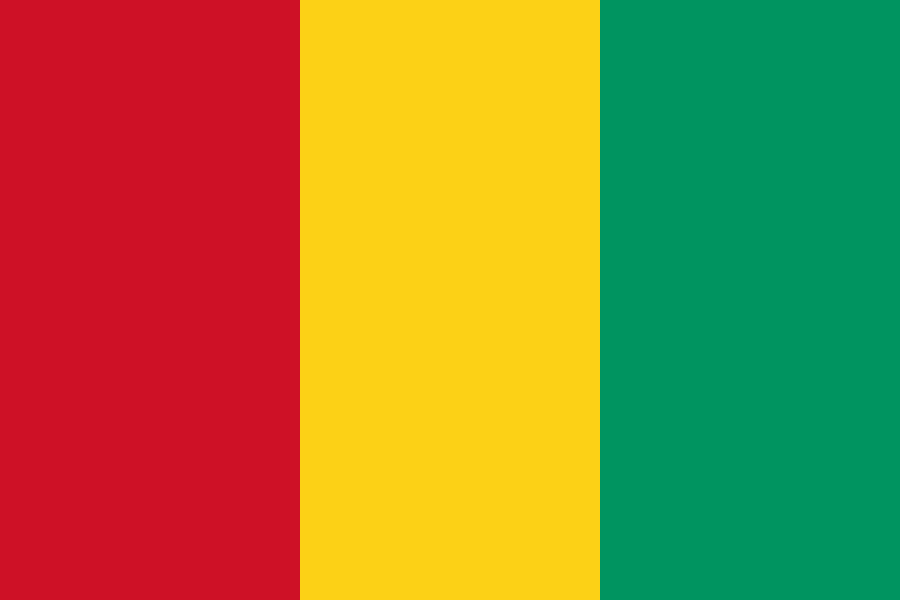
How can you tell Guinea’s flag from Mali’s?
Both flags use the same three vertical colors. Guinea starts with red at the pole and ends in green. Mali starts with green at the pole and ends in red. Ghana also uses these colors but arranges them horizontally around a black star.
The design and its details
Three equal vertical bands of red (left side), yellow, and green.
| Collection | Country flags |
|---|---|
| Adoption or design date | 10 November 1958 |
| Geographic region | Africa · Western Africa |
| Illustrated proportions (height to width) | 2:3 |
What the flag means
Red is linked with sacrifice and work, yellow with sunshine and wealth, and green with the land and national hope. These are complementary national interpretations, not an exact map of three regions.
| Element | Meaning or historical connection |
|---|---|
| Red | Sacrifice and work. |
| Yellow | The sun and the riches of the land. |
| Green | Vegetation and hope for national development. |
| Pan-African colors | A link with the wider independence movement, arranged in a national vertical tricolour. |
Compare the flags of Guinea and Mali
Read from the flagpole. Which tricolor begins with green? In both drawings, the flagpole side is on the left.
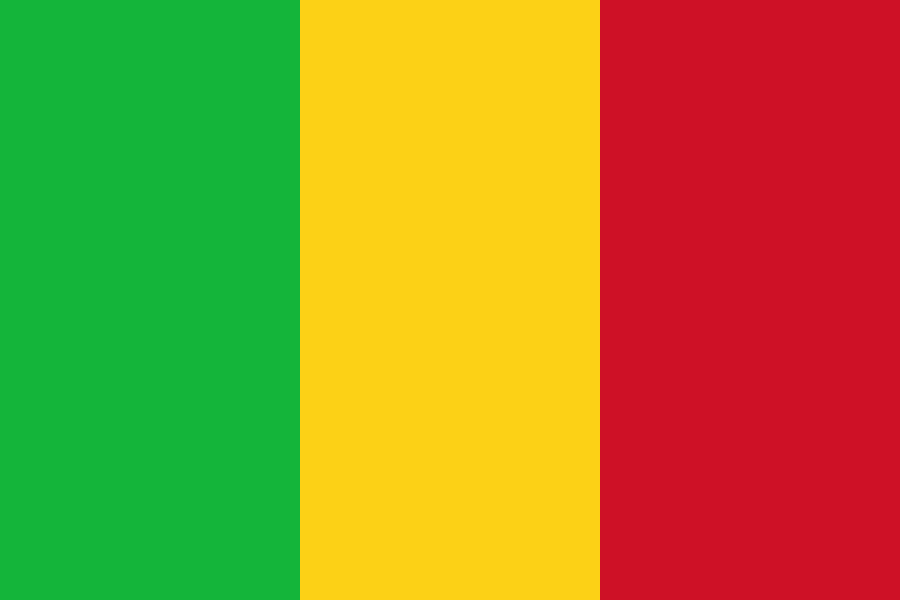
Reveal the flag names and clues
A · Mali — The bands run green, yellow, red from the hoist. The central yellow band has no emblem.
B · Guinea — The bands run red, yellow, green from the hoist. Without a visible pole, a photograph of the reverse can mislead.
How the flag developed
Its red-yellow-green colors reflected the Pan-African outlook shared with newly independent Ghana.
The vertical arrangement also belongs to the republican tricolour format familiar from French rule. Guinea retained its own color order, however, and the absence of an emblem makes that order essential. Mali uses the same colors with green at the hoist, so the two flags should be compared from the pole side rather than guessed from their general palette.
The main changes over time
1958 — Independence referendum
Guinea left the proposed French Community.
1958 — National tricolour
The present red-yellow-green order was adopted.
Earlier designs and other uses
A reversed photograph can resemble Mali’s flag; the hoist edge resolves the intended order.
Download the flag
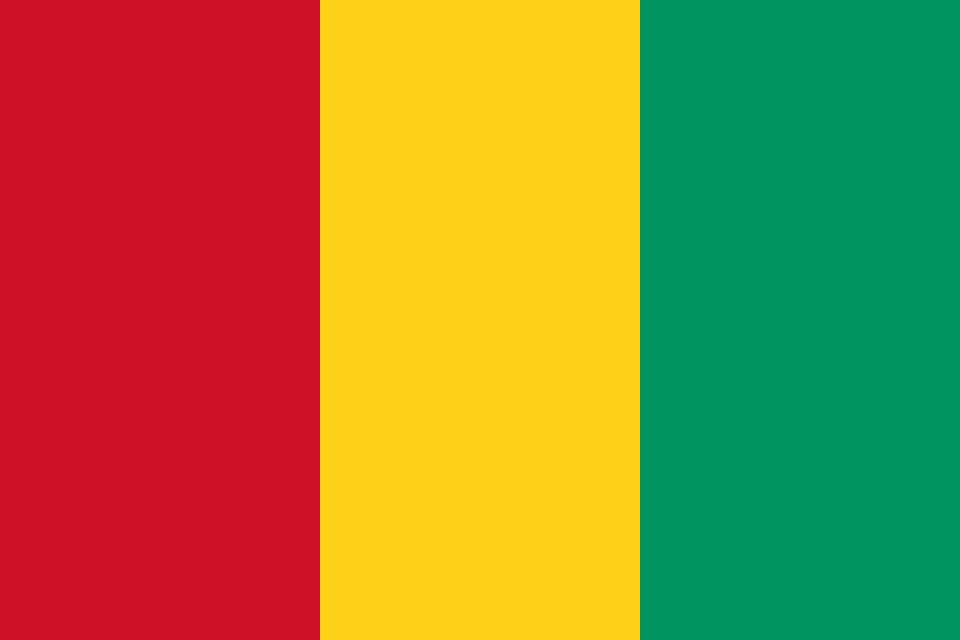
Artwork credit and reuse
Flagpedia vector collection · Public domain. The PNG is a raster export of the credited SVG.
What Did We Learn Today?
From the hoist: red, yellow, green. Mali reverses the outer colors.
Sources & Data Notes
View references and illustration credits
The dates distinguish adoption of the flag from later revisions to its artwork. The comparison uses the two illustrations at the same height, with the hoist on the left.
- Republic of Guinea, official graphic charter — The flag section identifies the national colors, gives their color codes and explains their symbolism.
- Archived World Factbook country record — background flag description and symbolic interpretations; later changes are explained above.
- Flagpedia: Guinea — flag artwork and comparison reference.
- Flag history reference and bibliography — chronology and links to underlying sources.
The flag downloads include the artwork credit and reuse terms for the SVG and PNG.