National flag guide
Flag of Portugal: Meaning, Symbols and History
Portugal’s green-red flag followed the republican revolution of October 1910.
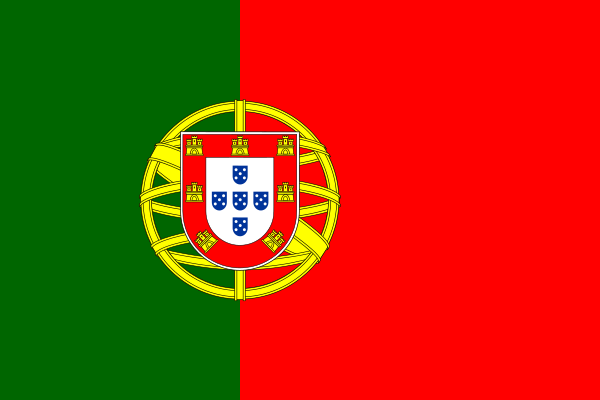
Two vertical bands of green (left side, two-fifths) and red (three-fifths), with the national coat of arms (armillary sphere and national shield) centered on the dividing line. Green is popularly explained as hope and red as sacrifice. The colors also had a direct association with the republican movement.
The design and its details
Two vertical bands of green (left side, two-fifths) and red (three-fifths), with the national coat of arms (armillary sphere and national shield) centered on the dividing line.
| Flag | Portugal |
|---|---|
| Collection | Country flags |
| Adoption or specification | 30 June 1911 |
| Browsing region | Europe · Southern Europe |
| Illustrated proportions (height:width) | 2:3 |
What the flag means
Green is popularly explained as hope and red as sacrifice. The colors also had a direct association with the republican movement. The historical political connection and later patriotic interpretations should both be recognised.
| Element | Meaning or historical connection |
|---|---|
| Green | Commonly explained as hope in the republican national design. |
| Red | Commonly linked with courage and sacrifice for the country. |
| Armillary sphere | A navigational emblem recalling maritime history. |
| White shield and blue escutcheons | The quinas belong to Portugal’s historic royal heraldry; traditional religious and military explanations have developed around them. |
| Castles | Historical heraldic devices around the shield, not a count of modern districts. |
How the flag developed
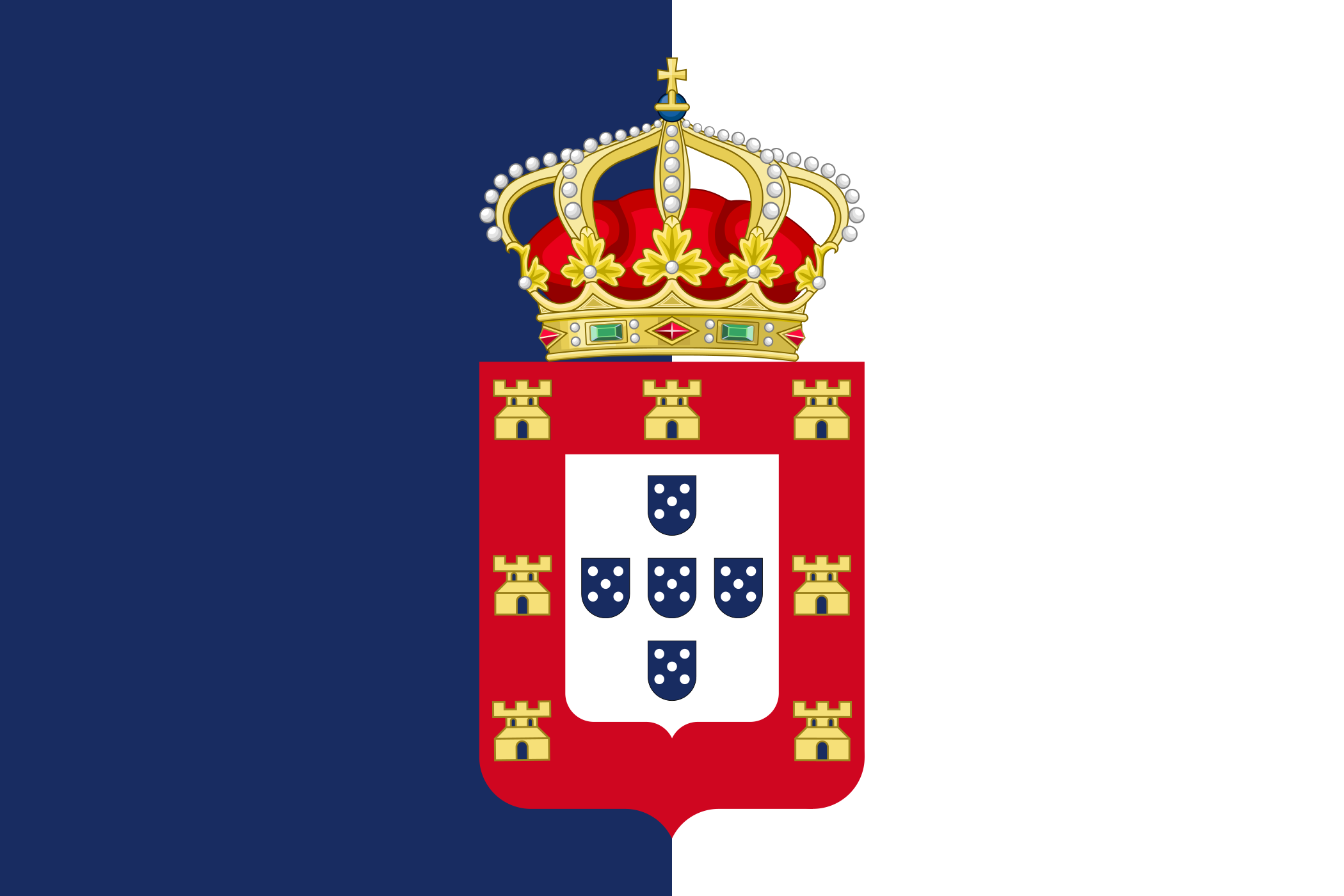
Portugal’s green-red flag followed the republican revolution of October 1910. It replaced the monarchy’s blue-and-white flag, while retaining national heraldic devices in a new political setting. A commission selected the design, which was presented in 1910 and formally established in 1911.
The armillary sphere evokes Portugal’s maritime and imperial history, while the shield reaches further into the country’s heraldic tradition. Retaining those devices allowed the republic to combine a break with monarchy and continuity with the nation’s past. The present design is therefore more than a simple two-color replacement: its emblem brings together several historical layers.
The main changes over time
1830s–1910 — Blue-and-white monarchy
The monarchy used a different bicolour with royal arms.
1910 — Republican revolution
Green and red became the new national arrangement.
1911 — Formal adoption
The republican flag was established by decree.
Historical flags in pictures
How to recognise this flag
The green hoist band takes two-fifths of the width, and red takes three-fifths. The arms sit over the boundary, not at the geometric center of the whole flag.
Earlier designs and other uses
Military and maritime versions can add surrounding details to the arms. The national flag’s unequal green and red bands remain essential.
Questions about this flag
When was the flag adopted?
30 June 1911. An adoption date can refer to a design, its restoration or a later legal specification; the timeline above separates those stages.
What should I check before identifying an older example?
Military and maritime versions can add surrounding details to the arms. The national flag’s unequal green and red bands remain essential.
What Did We Learn Today?
The green hoist band takes two-fifths of the width, and red takes three-fifths. The arms sit over the boundary, not at the geometric center of the whole flag. Its adoption and later changes reflect the national history described in the timeline, while older or specialist flags need their own labels.
Sources & Data Notes
This guide distinguishes first use, national adoption, restoration and later construction standards. Traditional or commonly reported interpretations are identified where they differ from a formal specification. It is a dated reference, not a live record of every change in official flag use.
- Archived World Factbook country record — background flag description and symbolic interpretations; later changes are explained above.
- Flagpedia: Portugal — flag artwork and comparison reference.
- Flag history reference and bibliography — chronology and links to underlying sources.
The main illustration preserves the selected flag artwork’s proportions; these are a reproduction guide, not a substitute for a legal construction drawing. Color names group shades for browsing.
Illustration credits
- Flag of Portugal (1830–1910).svg — Tonyjeff, based on ancient national symbol.; Public domain.
