National flag guide
Flag of New Zealand: Meaning, Symbols and History
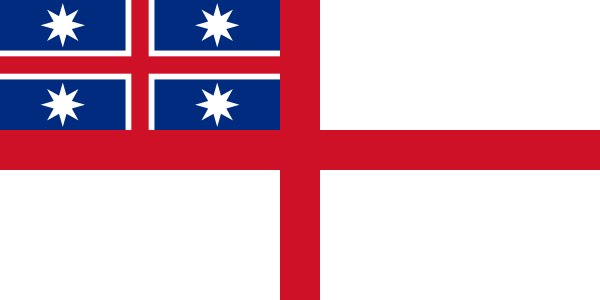
The United Tribes flag selected by Māori chiefs in 1834 was an earlier internationally recognised flag connected with New Zealand shipping and sovereignty.
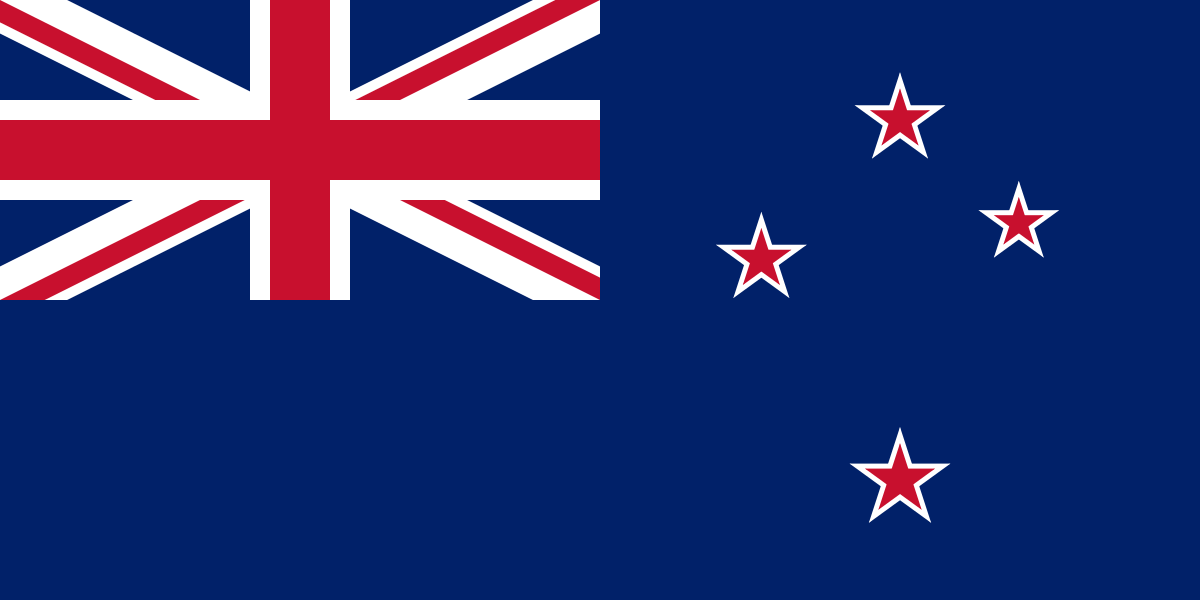
Blue with the UK flag in the upper-left quadrant, with four five-pointed red stars edged in white centered in the right half of the flag. The four stars represent the Southern Cross. The national flag has no large Commonwealth Star below the Union Flag, which is the quickest difference from Australia.
The design and its details
Blue with the UK flag in the upper-left quadrant, with four five-pointed red stars edged in white centered in the right half of the flag.
| Flag | New Zealand |
|---|---|
| Collection | Country flags |
| Adoption or specification | 24 March 1902; design in use from 1869 |
| Browsing region | Oceania · Australia and New Zealand |
| Illustrated proportions (height:width) | 1:2 |
What the flag means
The four stars represent the Southern Cross. The national flag has no large Commonwealth Star below the Union Flag, which is the quickest difference from Australia.
| Element | Meaning or historical connection |
|---|---|
| Union Flag | The historical British connection. |
| Four red stars with white borders | The principal stars of the Southern Cross constellation. |
| Blue field | The inherited Blue Ensign background. |
| Four-star arrangement | An important identifying difference from Australia’s flag, which also carries a separate Commonwealth Star. |
How the flag developed
The United Tribes flag selected by Māori chiefs in 1834 was an earlier internationally recognised flag connected with New Zealand shipping and sovereignty. After British annexation in 1840, British flags and colonial ensigns entered official use.
The present Southern Cross design developed in 1869 and gained statutory national status in 1902. It combines the Union Flag with four red stars bordered in white. Two referendums in 2015 and 2016 considered a replacement; voters retained the existing flag in the final referendum. The alternative silver-fern design was therefore never a former national flag.
Other flags, including the Māori national flag commonly called Tino Rangatiratanga, have distinct cultural and political histories. They should be identified on their own terms rather than called earlier versions of the present national flag.
The main changes over time
1834 — United Tribes flag
Māori chiefs selected an earlier national and shipping symbol.
1869 — Southern Cross design
The present basic arrangement entered use.
1902 — Statutory national flag
Legislation established the national design.
2016 — Referendum result
Voters retained the existing flag.
Historical flags in pictures
How to recognise this flag
Four red five-pointed stars edged in white sit on dark blue beside the Union Flag. Australia’s stars are white and include a large separate star below the canton.
Compare the relevant designs in these guides:
Earlier designs and other uses
The referendum alternative was unadopted. The United Tribes and Māori national flags have their own histories and continuing contexts.
Questions about this flag
When was the flag adopted?
24 March 1902; design in use from 1869. An adoption date can refer to a design, its restoration or a later legal specification; the timeline above separates those stages.
What should I check before identifying an older example?
The referendum alternative was unadopted. The United Tribes and Māori national flags have their own histories and continuing contexts.
What Did We Learn Today?
Four red five-pointed stars edged in white sit on dark blue beside the Union Flag. Australia’s stars are white and include a large separate star below the canton. Its adoption and later changes reflect the national history described in the timeline, while older or specialist flags need their own labels.
Sources & Data Notes
This guide distinguishes first use, national adoption, restoration and later construction standards. Traditional or commonly reported interpretations are identified where they differ from a formal specification. It is a dated reference, not a live record of every change in official flag use.
- Archived World Factbook country record — background flag description and symbolic interpretations; later changes are explained above.
- Flagpedia: New Zealand — flag artwork and comparison reference.
- Flag history reference and bibliography — chronology and links to underlying sources.
The main illustration preserves the selected flag artwork’s proportions; these are a reproduction guide, not a substitute for a legal construction drawing. Color names group shades for browsing.
Illustration credits
- Flag of the United Tribes of New Zealand.svg — No machine-readable author provided. Greentubing assumed (based on copyright claims).; CC BY-SA 2.5.
