Climate & Weather
How to Read a Wind Rose: Direction, Speed and Frequency
To read a wind rose, match each spoke to the direction the wind came from, read its length against the frequency rings, and use…
Learn geography
Browse geography by subject. Start with Physical Geography (landforms, climate, ecosystems) or Human Geography (people, cities, cultures, economies). You’ll also find Explainers for common questions, practical Travel Guides, and quick Quizzes. Use this hub to jump into any topic, then filter by continent, country, or city when you need local detail.
To read a wind rose, match each spoke to the direction the wind came from, read its length against the frequency rings, and use…
To read a climograph, identify the months, temperature line, precipitation bars and their separate labeled axes. Read each value on its own scale, then…
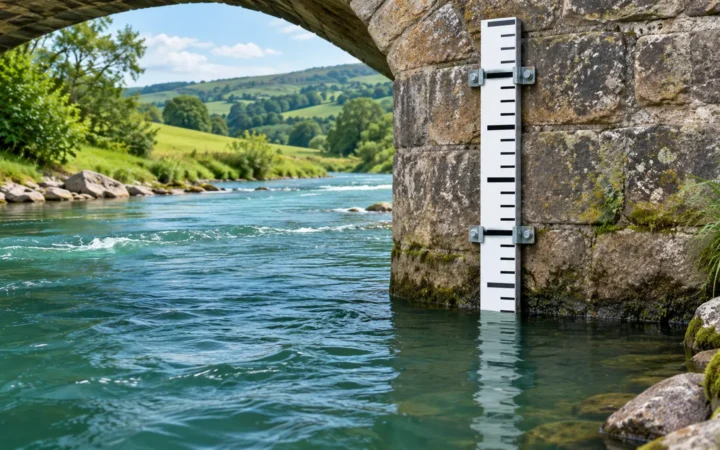
Start with the station, variable, units and timestamp. Stage is water-surface height relative to a stated reference; discharge is volume flowing past a section…
For horizontal motion, the Coriolis contribution acts to the right of travel in the Northern Hemisphere and to the left in the Southern Hemisphere.…
Relative humidity is the percentage ratio of actual water vapor pressure to saturation vapor pressure at the air temperature. Dew point is the temperature…
First confirm that sand, silt and clay percentages total 100 on the same fine-earth weight basis. Find each percentage on the USDA triangle and…
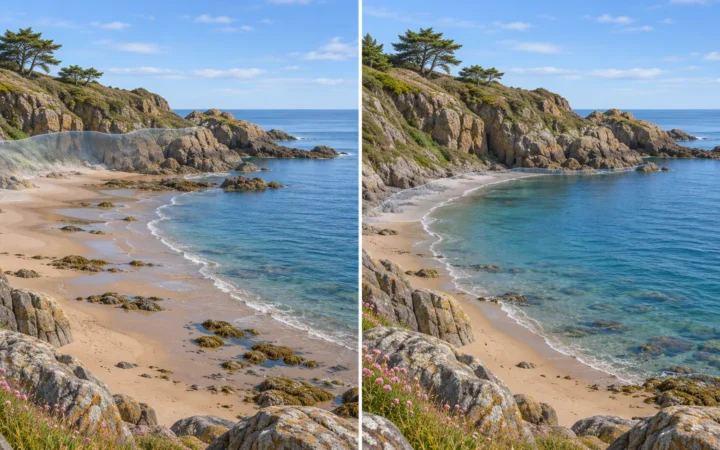
Spring tides have a larger difference between high and low water, generally around new and full moons. Neap tides have a smaller difference, generally…
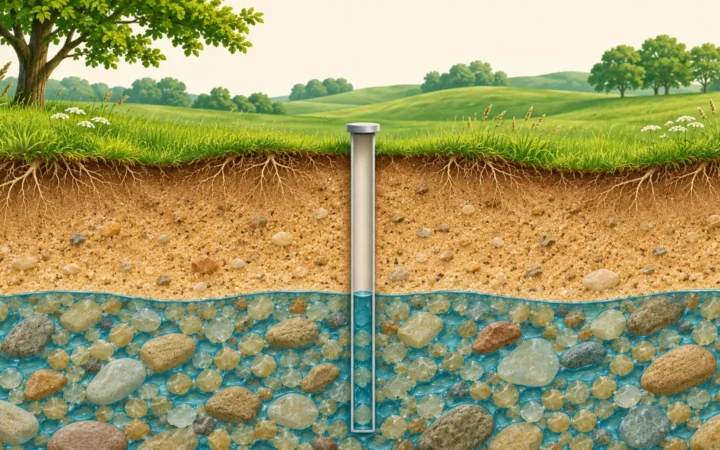
To compare groundwater levels, subtract each well’s depth to water from the elevation of the exact measuring point, using the same datum. Then check…
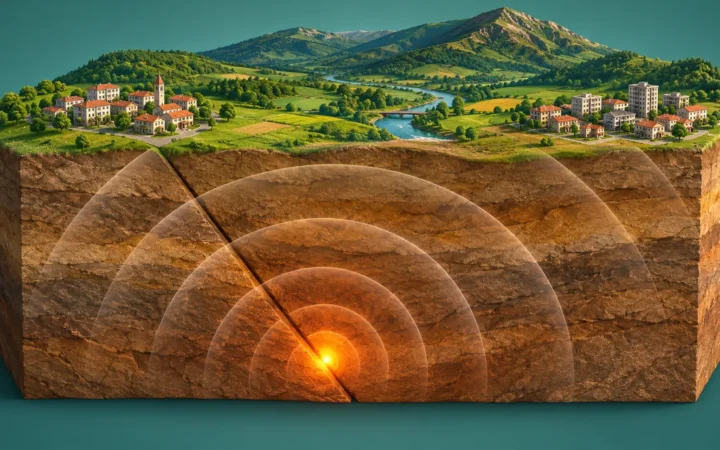
Magnitude describes the size of an earthquake at its source. Intensity describes the shaking and its effects at a particular place. One earthquake therefore…
An urban heat island is an urban area that is warmer than its surrounding reference area. Built surfaces, reduced vegetation, building geometry and human-generated…