Category: Landforms & Water

Rivers, lakes, seas, coasts, mountains, valleys, deserts, and more—concise explainers and case studies with maps, cross-sections, and quick facts.

Saltiest Lakes in the World: Why They’re Shrinking

22 mins read

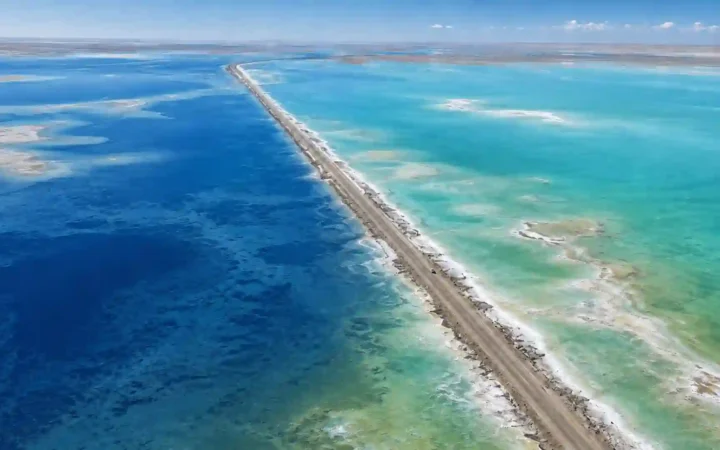
On a hot afternoon in Ethiopia’s Danakil Depression, a small pool called Gaet’ale Pond is so salty that crystals crunch underfoot. On the other side of the world, Utah’s Great Salt Lake has lost most of its water and now sends salty dust toward nearby cities. From Ethiopia to Antarctica, the saltiest lakes in the […]

Read more

Countries Whose Borders Change Every Year (Due to Rivers)

15 mins read

Rivers do not stay where maps put them. Channels creep sideways, islands rise out of muddy water, and banks crumble after big floods. Along a few international rivers, those quiet shifts can move the exact line of a border by a few yards. In some places, they even push it hundreds of yards from one […]

Read more

The World’s Rarest Landforms You’ve Never Heard Of (With Examples)

13 mins read

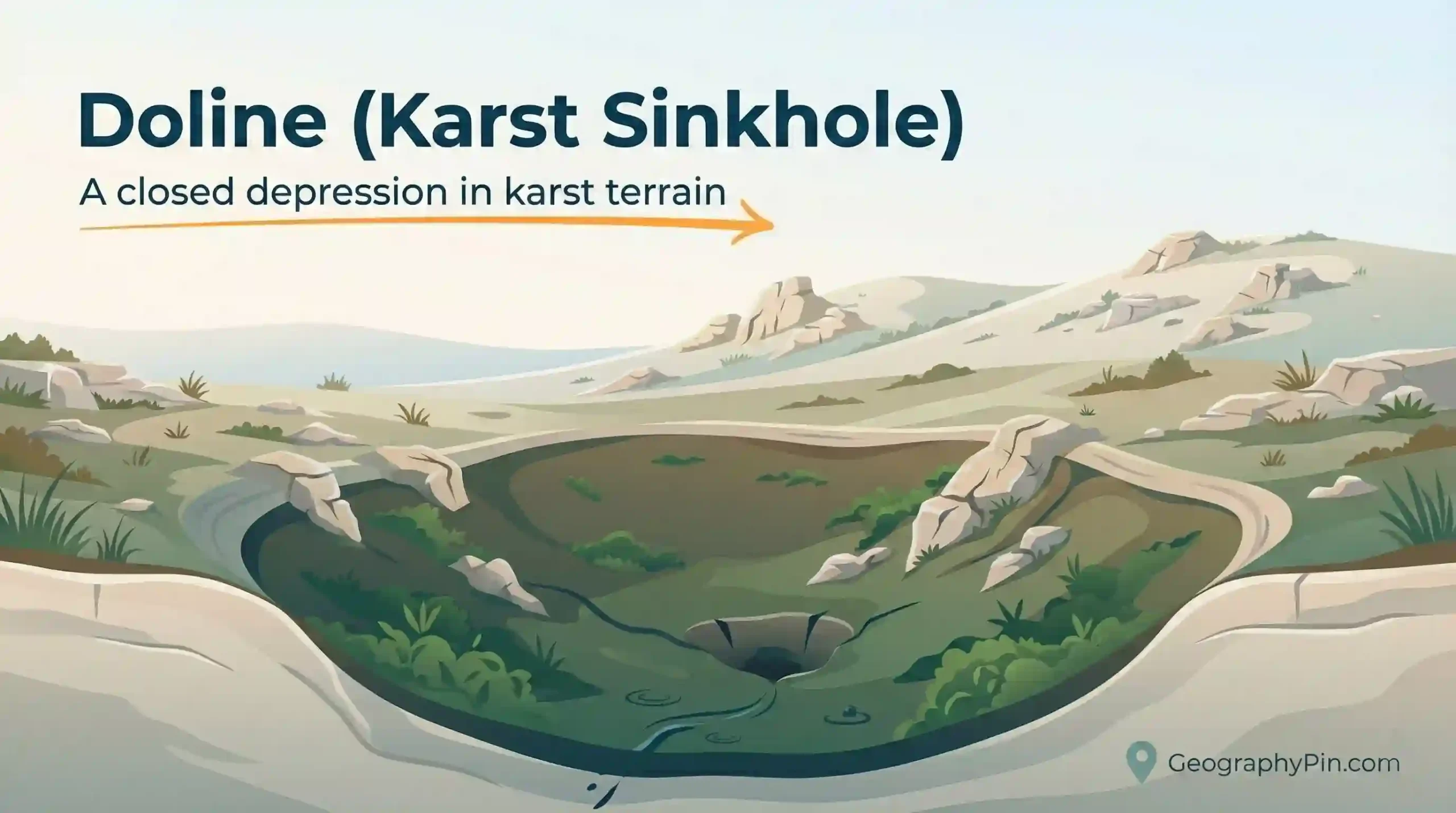
In most school atlases you meet mountains, plains, valleys and maybe a famous canyon or two. But Earth’s surface is full of stranger shapes that only specialists usually talk about. As of 2025, geomorphologists have mapped landforms so unusual that even many geography fans have never met their names: nubbins, poljes, mega-yardangs and more. What […]

Read more

The Deepest Points on Each Continent (Not What You Think)

10 mins read

Ask most people about Earth’s deepest place and they’ll jump straight to the Mariana Trench. That part is correct, but “deepest points on each continent” is a different question. It depends on how you define a continent, whether you count land under ice, and even which year you measure, because water levels are changing as […]

Read more

The Suwalki Gap: NATO’s Most Dangerous Corridor?

14 mins read

For years, a short stretch of countryside on the border between Poland and Lithuania has had an alarming label in headlines: “the most dangerous place on Earth.” This 60-mile (about 100-kilometer) strip, known as the Suwałki Gap or Suwałki Corridor, is where NATO territory squeezes between Russia’s Kaliningrad exclave and its ally Belarus.If a conflict […]

Read more

Is Iceland in North America or Europe? (Plates, Maps & Politics Explained)

12 mins read

Look at a world map and Iceland sits alone in the North Atlantic Ocean between Greenland and Norway. Some people say it belongs to North America, others insist it is European, and both sides can point to facts. In reality, Iceland’s geology and its politics tell slightly different stories. Is Iceland in North America or […]

Read more

Lake Baikal: World’s Deepest Lake – Depth, Location & Wildlife

13 mins read

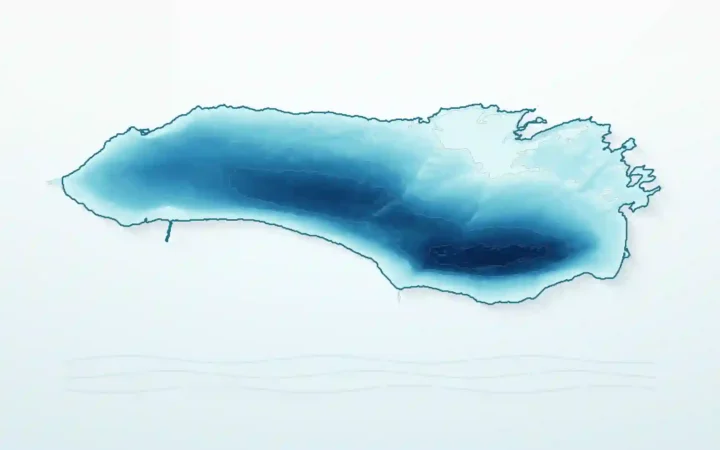
On most world maps, Lake Baikal looks like a slim blue scar in the middle of Siberia. In reality, this “scar” is a huge lake about 395 miles (636 kilometers) long and surrounded by mountains. It is the deepest and one of the oldest freshwater lakes on Earth. It also holds more freshwater than any […]

Read more

Lake Titicaca: World’s Highest Navigable Lake

8 mins read

Lake Titicaca glitters on the Andean Altiplano between Peru and Bolivia, high enough that many first-time visitors feel the altitude the moment they step off the boat. Stretching roughly 120 miles (190 kilometers) from northwest to southeast, it is both a cultural heartland and one of South America’s great geographic extremes. UNESCO World Heritage Centre […]

Read more

Greenland’s Hidden Geography: Bedrock Secrets & Island Mystery

13 mins read

Greenland is the world’s largest island — a vast white expanse in the far north. At first glance, it appears as one giant block of ice and rock. Yet this frozen colossus hides surprising secrets beneath its ice sheet. Picture mountains entombed under ice, canyons deeper than skyscrapers are tall, and even the possibility that […]

Read more

Pacific Ocean: Size, Depth, Climate & Ring of Fire

9 mins read

The Pacific Ocean is Earth’s largest and deepest ocean. It stretches from the icy Southern Ocean to the Arctic, touching Asia and Australia in the west and the Americas in the east. At roughly 63.8 million square miles (about 165.2 million square kilometers), it covers more area than all land on Earth combined. Its deepest […]

Read more