Some countries still give you that older travel feeling: more space, stronger local texture, and fewer places built mainly for the tourism machine. This list focuses on countries where the landscapes are memorable, the cultural identity feels intact, and the experience still tends to feel less packaged than in the usual global hotspots.
The top countries for off-the-beaten-path travel are places like Kyrgyzstan, Oman, Namibia, Bolivia, and Laos because they combine striking geography, distinctive culture, and a lower-tourism feel than mainstream alternatives. They are not unknown; they simply still reward travelers looking for space, texture, and a stronger sense of discovery.
How to use this article: Start with what “off the beaten path” means here, jump to the quick country snapshot table, check how to choose the right match for your travel style, or use the planning reality check before you commit.
What makes these countries off the beaten path?
“Off the beaten path” does not have to mean unreachable, dangerous, or completely unknown. In this context, it means countries where you are still more likely to notice everyday life, regional variation, and open space than queue systems, branded experiences, and crowd management. Some of the countries below already have established tourism sectors, but they still feel less saturated than the obvious alternatives in their region.
What “off the beaten path” means here
This list favors countries that offer at least three things at once: strong landscapes, real cultural specificity, and a lower-pressure tourism atmosphere. That can mean mountain yurt stays instead of resort strips, historic towns that still feel lived-in rather than staged, or long empty roads where the journey itself matters as much as the postcard stop.
Quick country snapshot
| Country | Best for | What gives it the offbeat feel |
|---|---|---|
| Kyrgyzstan | Horse trekking, alpine camps, nomadic culture | Big mountain geography and a travel style built around homestays, yurts, and long overland movement |
| Oman | Desert camps, wadis, forts, mountain drives | A more restrained tourism profile than the region’s flashier headline destinations |
| Albania | Affordable coast, hiking, Ottoman towns | Parts of it are growing fast, but large stretches still feel less polished and less crowded than nearby Mediterranean staples |
| Namibia | Desert road trips, wildlife, dark skies | Vast distances, low density, and a travel rhythm built around solitude and self-drive movement |
| Bolivia | Altitude, salt flats, indigenous culture | Raw logistics, high-elevation travel, and a cultural atmosphere that still feels less smoothed out for outside consumption |
| Nicaragua | Volcanoes, lakes, colonial cities, surf | A strong geography profile with much lighter international attention than Costa Rica or Mexico |
| Laos | River towns, Buddhist heritage, slow travel | A calmer, lower-intensity version of mainland Southeast Asia, especially outside the best-known stops |
How to pick the right match for your travel style
If you want space and self-drive freedom, Namibia stands out. If you want mountains plus living pastoral culture, Kyrgyzstan is stronger. If you want history and desert landscapes, Oman is the cleaner fit. If you want budget coast and mountain variety in Europe, Albania is the easy shortlist entry. Bolivia suits travelers who do well with altitude and rougher edges, while Laos rewards patience and slower pacing.
Planning reality check
The trade-off is simple: less saturation often means less frictionless infrastructure. Distances may be long, weather matters more, English may be less common, and transport may be less predictable. That is part of the value, but it also means these countries reward travelers who plan around season, overland time, and local conditions rather than assuming a plug-and-play trip.
Kyrgyzstan – Nomadic Mountains of Central Asia
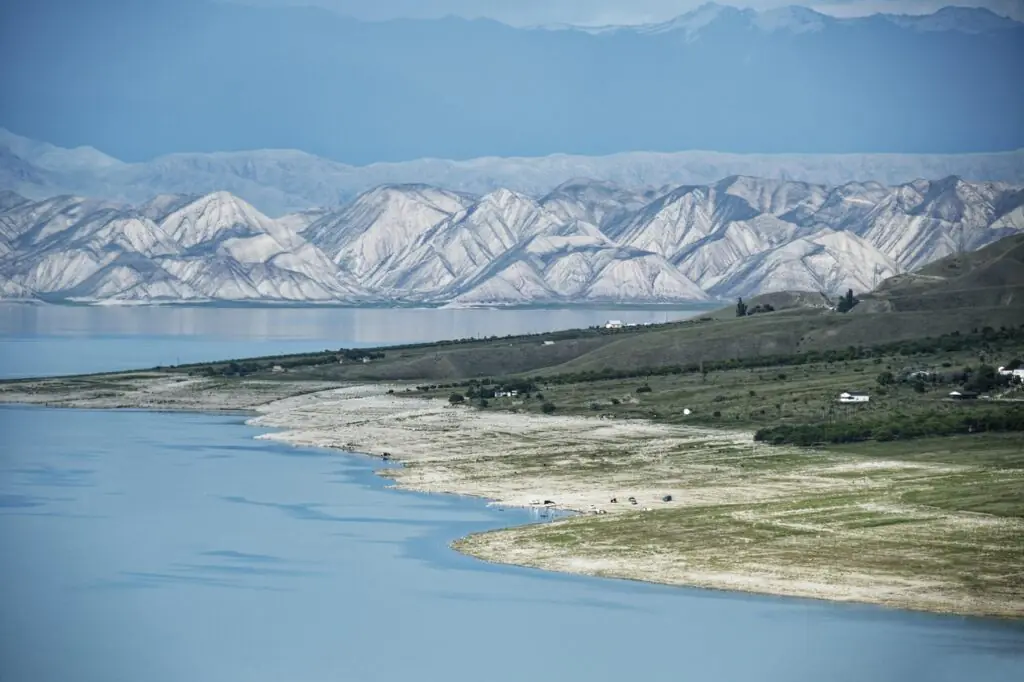
Kyrgyzstan works so well for off-the-beaten-path travel because the country’s basic geography already pushes the experience away from mass tourism. Most of the country sits within the Tien Shan mountain system, and travel often revolves around passes, lakes, meadows, and seasonal camps rather than big urban circuits. That immediately creates a different rhythm: more horses, more overland movement, more nights spent under open sky, and more contact with village or pastoral life than with resort infrastructure.
Its appeal is not only scenic. Kyrgyzstan still carries a strong nomadic cultural memory into the present, and that shows in yurt traditions, horse culture, summer pasture movement, and regional hospitality. Issyk-Kul remains one of the country’s best-known anchors, but the bigger draw for many travelers is the feeling that the landscape is still doing most of the talking. A route can move from lake shore to alpine jailoo to a caravanserai like Tash Rabat without ever feeling over-scripted.
That is what makes Kyrgyzstan more than just a mountain destination. It gives you high scenery, but it also gives you a travel format that still feels grounded in local patterns rather than fully standardized for outsiders. For travelers who want trekking, homestays, horseback routes, and a strong sense of terrain shaping daily life, Kyrgyzstan remains one of the clearest “go there before it gets smoother” countries in Eurasia.
Oman – Arabian Desert Oasis Off the Radar
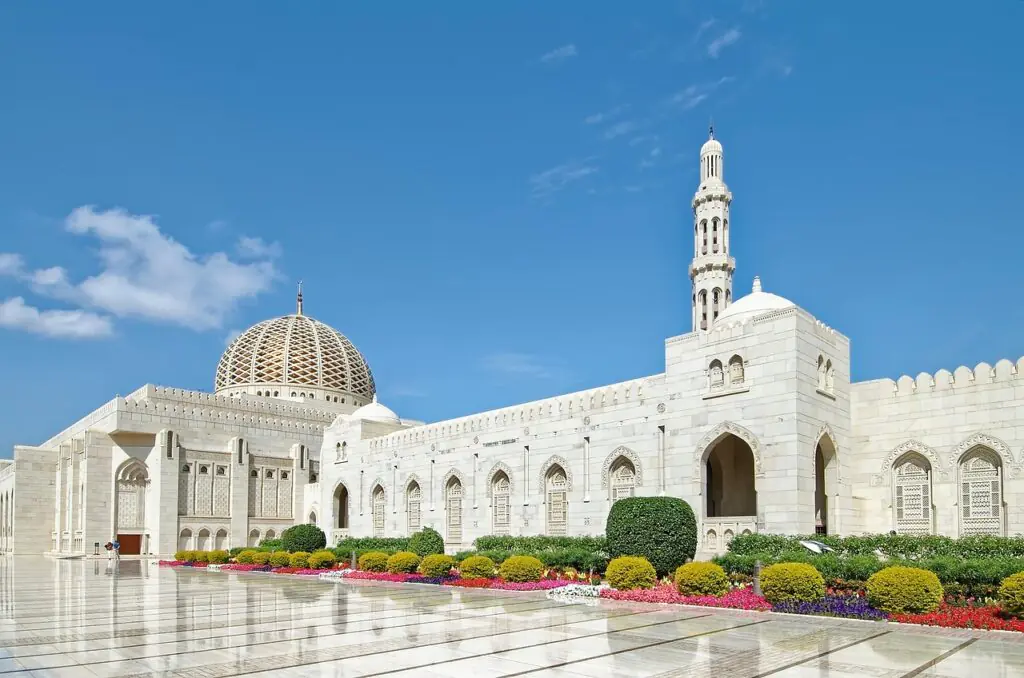
Oman is one of the strongest offbeat options in the Middle East because it offers desert drama, historic depth, and coastline without the same tourism aesthetic that dominates parts of the Gulf. Instead of leaning heavily into spectacle, Oman often feels quieter, cleaner, and more grounded in older settlement patterns. Fort towns, wadis, mountain villages, and long coastal drives create a country that is easy to romanticize but also genuinely rewarding on the ground.
The variety matters. You can move from Muscat’s restrained urban character to the dune fields of Wahiba Sands, then up into the Hajar Mountains where Jebel Shams rises to roughly 2,980 meters (Britannica). In the south, the UNESCO-listed Land of Frankincense preserves the memory of a trade network that once linked Oman to far wider worlds. That combination of desert, mountains, coast, and layered history is unusually dense for a country of this size.
Oman also benefits from a travel mood that feels relatively composed. The appeal is not nightlife intensity or oversized entertainment zones. It is scenic contrast, heritage, and a sense that the country still wants to be visited on its own terms. For travelers who want Arabia without the most crowded regional narratives, Oman remains one of the clearest answers.
Albania – Europe’s Hidden Mediterranean Gem
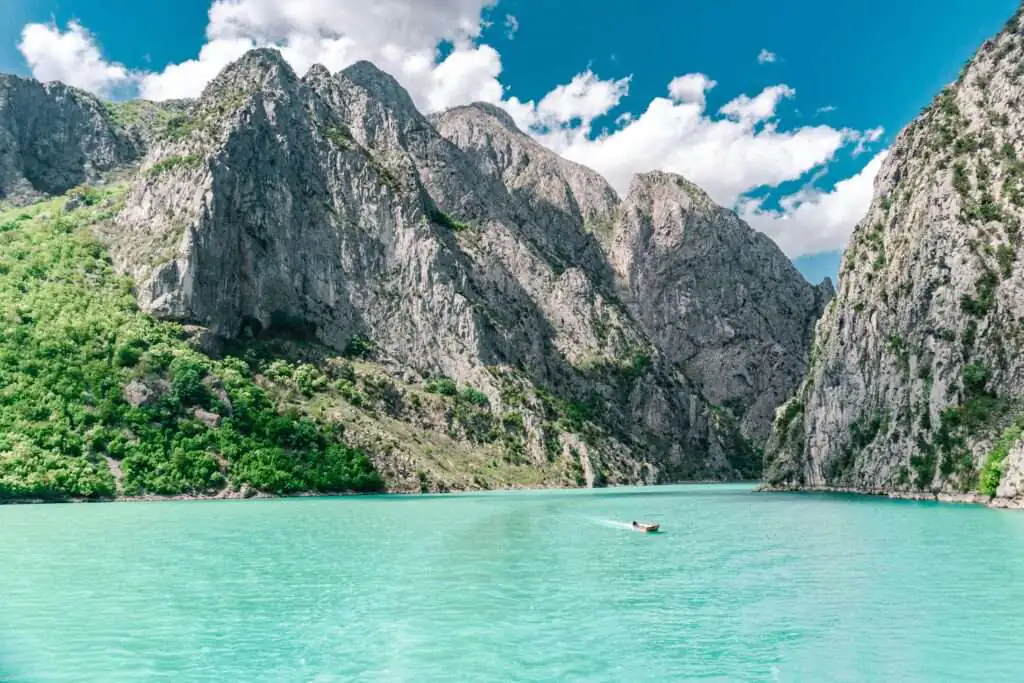
Albania sits in an unusual position on this list. It is no longer obscure, and in some coastal zones it is clearly growing fast. But it still belongs in an off-the-beaten-path conversation because large parts of the country feel less saturated, less polished, and less expensive than comparable Mediterranean destinations. You can still move between coast, mountain, and historic town in a way that feels exploratory rather than over-managed.
The Albanian Riviera gets the headlines, but the stronger argument for Albania is range. The coast gives you clear water and dramatic limestone scenery, the north gives you trekking routes through the Albanian Alps, and the interior holds places with unusually strong historic continuity. Berat and Gjirokastër, both recognized by UNESCO, preserve major Ottoman-era urban fabric, while Butrint adds a very different archaeological layer on the southern edge of the country.
What keeps Albania compelling is the mix of familiarity and roughness. It is in Europe, it is relatively easy to combine with other Balkan routes, and it offers enough tourism infrastructure to be workable. But it still often feels less standardized than Croatia, less expensive than Greece, and less processed than Italy’s best-known coastal circuits. For travelers who want the Mediterranean without the full mainstream Mediterranean script, Albania is one of the smartest picks now.
Namibia – Untamed African Wilderness
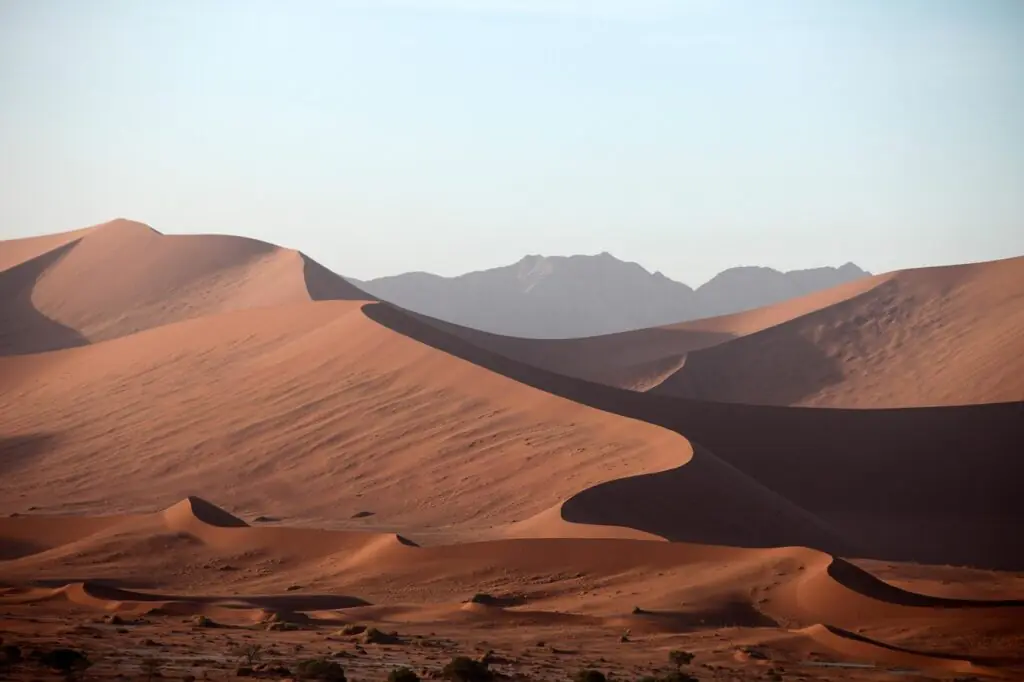
Namibia may be the cleanest pure-landscape entry on this list. The country’s scale, low population density, and self-drive logic produce a kind of travel that feels spacious almost by default. Long roads, empty horizons, dark skies, and the absence of constant visual clutter are part of the experience. Even before you reach a named attraction, Namibia already feels different.
The country’s signature draw is the Namib Desert, often described as one of the world’s oldest deserts. The UNESCO-listed Namib Sand Sea is especially distinctive because it is a coastal desert with extensive dune fields influenced by fog. Sossusvlei, Dead Vlei, the Skeleton Coast, Etosha, and Fish River Canyon all offer very different versions of starkness, which is one reason Namibia works so well as a road-trip country rather than a single-site destination.
Namibia’s offbeat quality comes from more than emptiness. It is also about the way scenery, wildlife, and movement fit together. You are often not trying to “do” a city or tick off a rapid-fire cluster of museums. You are driving, waiting for light, watching animal movement at waterholes, or sitting still in a landscape that asks for less noise. For travelers who want desert, wildlife, and one of the strongest solitude profiles in Africa, Namibia remains elite.
Bolivia – High-Altitude Adventures in the Andes
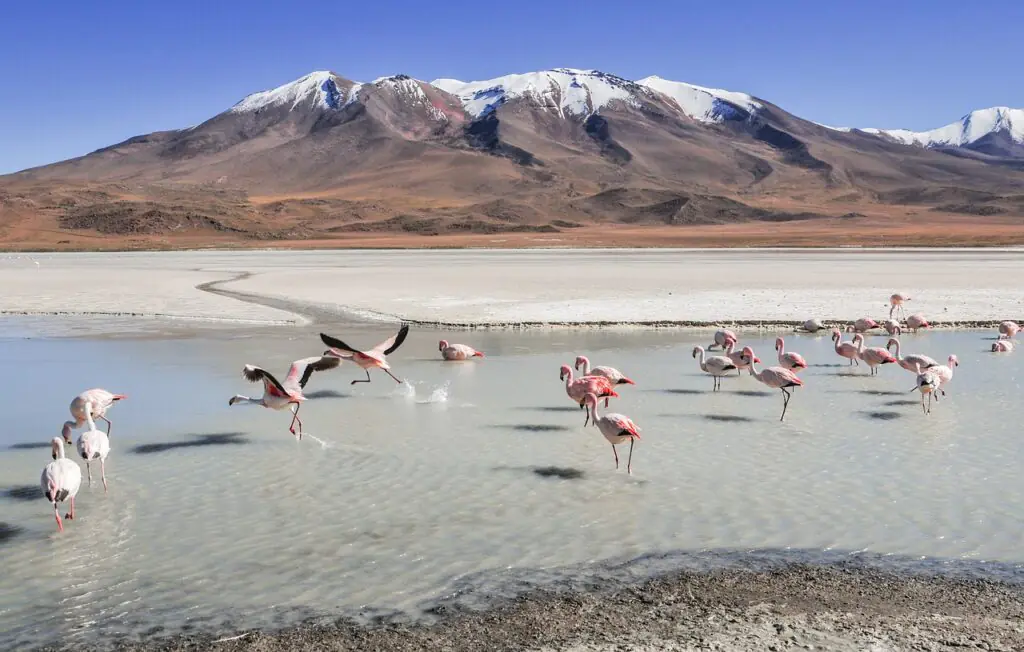
Bolivia belongs on this list because it still feels like a country where geography is not a backdrop but a force. Altitude shapes movement, weather, architecture, agriculture, and even how hard a normal travel day can feel. That alone filters the experience away from casual mass tourism. The result is a country that can be demanding, but also one that gives back something harder to standardize.
The obvious headline is the Salar de Uyuni, which covers about 10,582 square kilometers and remains the largest salt flat in the world (Britannica). But Bolivia is stronger than its single most famous image. The southwest altiplano, high lakes with flamingos, colonial mining history, Amazonian lowlands, and the dense indigenous presence in everyday public life all give the country unusual depth. Bolivia’s constitutional framework also recognizes Spanish alongside 36 indigenous languages, which says something important about its cultural landscape even before you arrive (Britannica).
Travel here can be rougher than in more streamlined South American circuits, and that is part of why Bolivia still qualifies as off the beaten path. Buses can be long, altitude can hit hard, and infrastructure is uneven. But if you want a destination where the Andes feel politically, culturally, and physically present at full strength, Bolivia remains one of the most rewarding countries on the continent.
Nicaragua – The Land of Lakes and Volcanoes
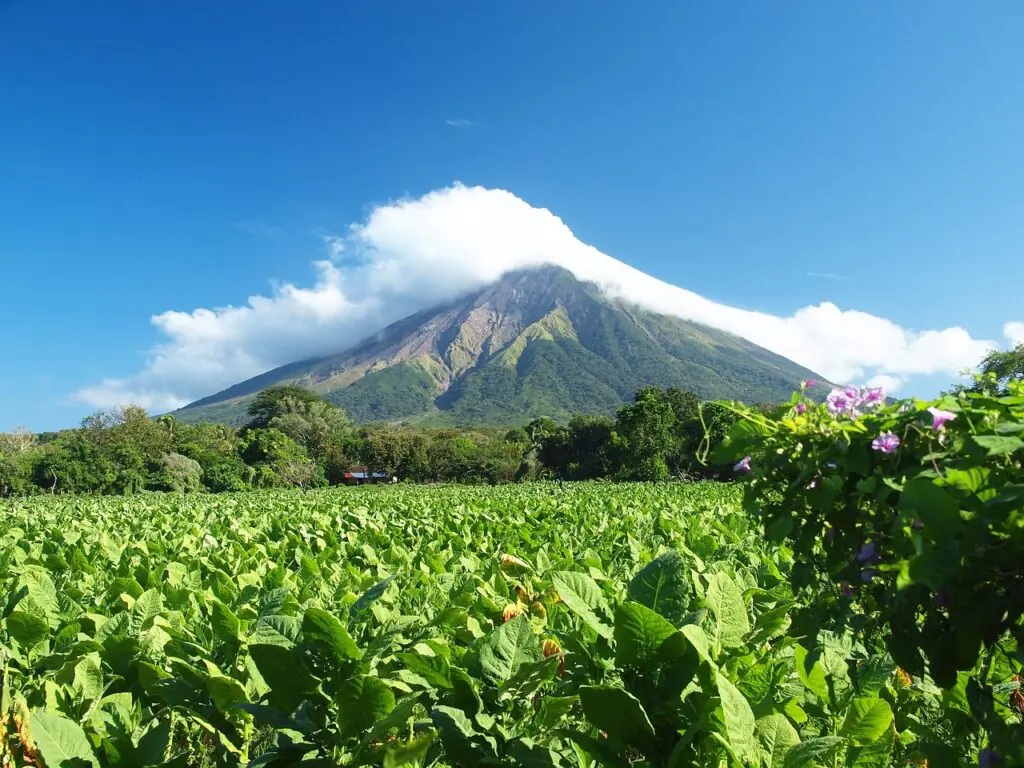
Nicaragua is geographically one of the strongest-value countries in Central America. Volcanoes, large lakes, colonial cities, rainforests, surf coast, and Caribbean islands all sit inside one relatively compact national frame. That alone gives it offbeat appeal, especially because it receives far less mainstream attention than Costa Rica despite a similarly strong physical geography profile.
Lake Nicaragua is the largest lake in Central America, at about 8,157 square kilometers, and Ometepe remains one of the region’s clearest “how is this not more famous?” landscapes (Britannica). Granada and León add different colonial and political textures, while Bosawás, recognized by UNESCO’s Man and the Biosphere Programme, points to the country’s much larger ecological footprint beyond the postcard circuit. The core case for Nicaragua is simple: the country gives you a lot of geography very quickly.
Still, Nicaragua is one of the entries here where practical judgment matters most. Political conditions and travel advisories can shift, and that means this is best approached as a researched destination rather than an impulsive add-on. But for travelers who plan carefully and want volcanoes, freshwater landscapes, and a lower-saturation Central American route, Nicaragua remains a serious contender.
Laos – Southeast Asia’s Sleepy Treasure
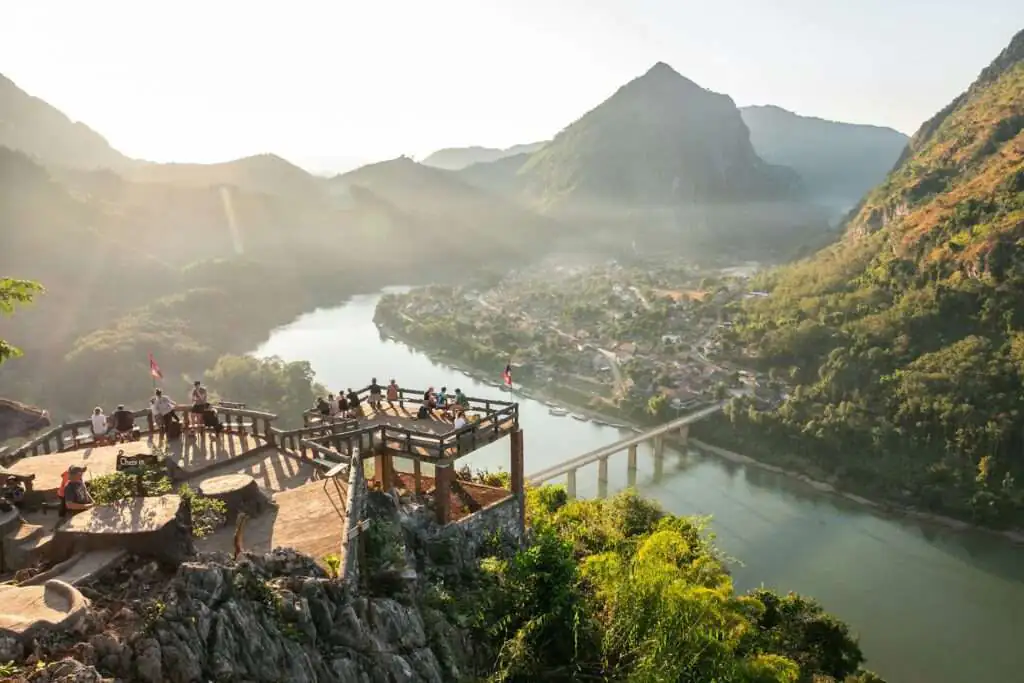
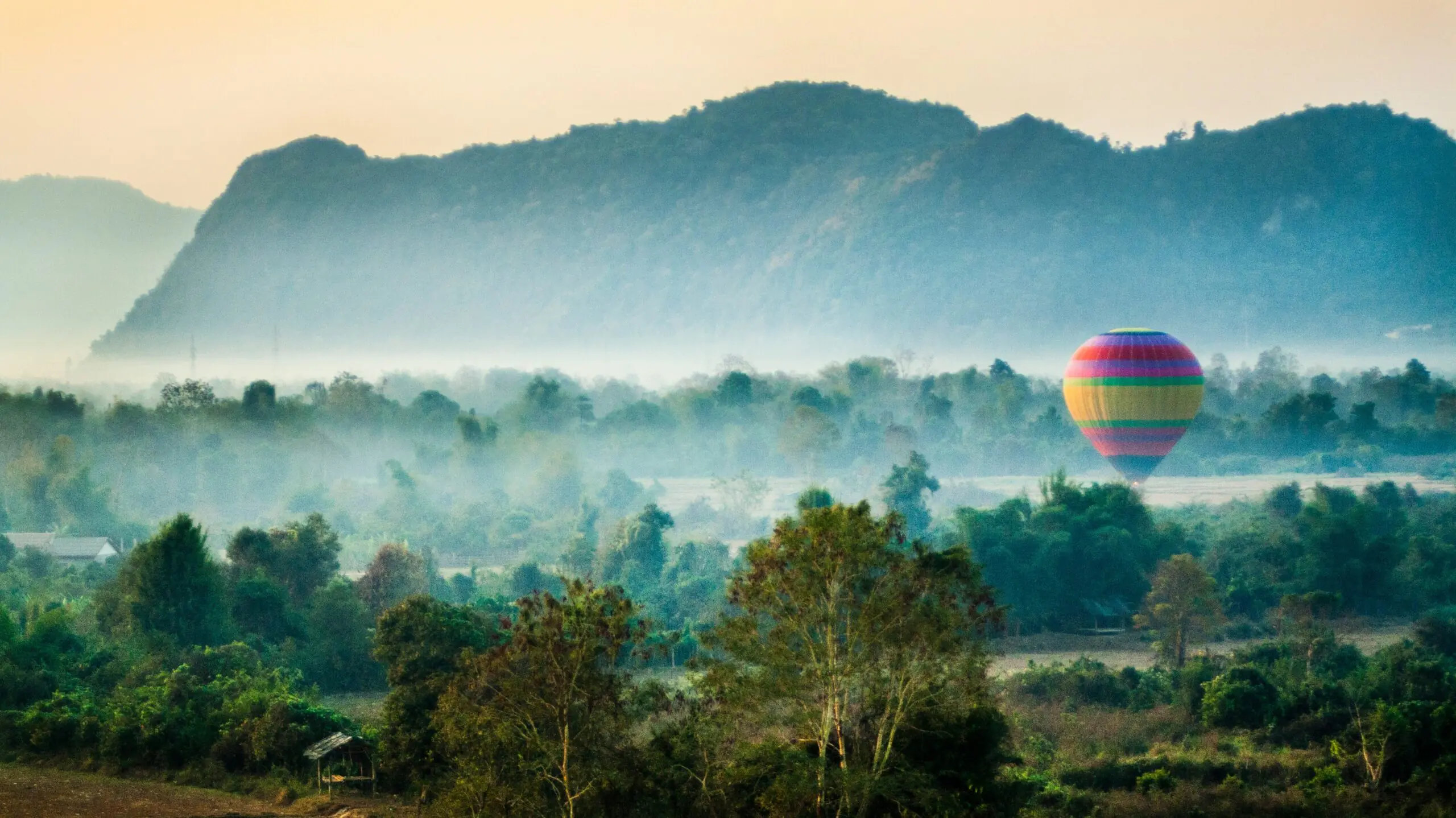
Laos stands out because it offers a very different tempo from the rest of mainland Southeast Asia. It is not empty, and some routes are well established, but the overall pace is slower, the urban scale is softer, and the tourism atmosphere usually feels less intense than in neighboring Thailand or Vietnam. That lower-pressure mood is a major part of the country’s appeal.
Luang Prabang remains the strongest single anchor. UNESCO recognizes the town for its fusion of Lao and colonial-era urban fabric, and that combination still gives it a distinct character rather than just a generic “historic center” feel. Beyond that, Laos broadens out into river journeys, limestone mountain scenery, Buddhist sites, village-based experiences, and the archaeological landscape of the Plain of Jars, also recognized by UNESCO.
The reason Laos belongs in an off-the-beaten-path list is that it still rewards people who can slow down. You are not really there for velocity. You are there for river light, temple courtyards, mountain viewpoints, market rhythms, and the quieter edges of a region that is often marketed at much higher volume. For travelers who want Southeast Asia without the constant sensory pressure, Laos remains one of the best answers available.
FAQ
What actually counts as off-the-beaten-path travel?
It usually means a destination where tourism exists, but does not dominate the whole experience. You still notice local routines, regional culture, and real logistical texture rather than constant crowd control and heavily standardized visitor infrastructure.
Are these countries always cheaper than mainstream alternatives?
Often, but not automatically. Albania and Bolivia can be relatively budget-friendly, while Oman or Namibia can become expensive if you rent a vehicle, travel in peak season, or rely on longer overland routes. “Offbeat” and “cheap” overlap sometimes, but they are not the same category.
Which country on this list is easiest for a first offbeat trip?
For many travelers, Albania is the easiest entry point because it combines recognizable European travel logic with a lower-saturation feel. Oman is also relatively approachable if you are comfortable with self-drive travel. Kyrgyzstan and Bolivia are more rewarding for travelers who already know they enjoy rougher logistics.
Do I need a car for these countries?
Not always, but in some places it changes the trip completely. Namibia and Oman are especially strong with self-drive freedom. Albania, Bolivia, Kyrgyzstan, and Laos can be done with a mix of public transport, shared cars, local drivers, and small tours, though travel time may stretch more than expected.
How should I think about safety and planning?
Treat safety as destination-specific, not category-specific. Some of these countries feel straightforward on the ground; others need more research around roads, altitude, weather, or current political conditions. The smart move is to check recent advisories, seasonal patterns, and local transport realities before building the itinerary.
What Did We Learn Today?
The best off-the-beaten-path countries are not necessarily the least known ones. They are the places where geography, culture, and travel rhythm still feel stronger than tourism packaging. Kyrgyzstan gives you mountain nomadism, Oman gives you a quieter Arabia, Albania gives you a less-saturated Mediterranean option, Namibia gives you scale and silence, Bolivia gives you altitude and depth, Nicaragua gives you concentrated physical drama, and Laos gives you pace and softness in a region often sold at full volume.
Sources & Data Notes
For this roundup, I cross-check stable travel anchors with sources such as UNESCO site records, World Bank / UN Tourism arrival series, and standard reference works for geography and country basics. I keep the country descriptions pattern-based where exact figures are not essential, and where numbers do appear they are rounded or simplified because tourism and demographic datasets can shift by release year and methodology. Some visuals or image-support elements on GeographyPin may be AI-assisted, but the editorial aim here is still simple: keep the geography and travel logic accurate, useful, and readable.