Political Geography
Countries That Still Have Slavery
“Slavery” today means modern slavery. No country makes slavery legal , but prevalence is highest in places with conflict, repression, or weak worker protections.…
Learn geography
Browse geography by subject. Start with Physical Geography (landforms, climate, ecosystems) or Human Geography (people, cities, cultures, economies). You’ll also find Explainers for common questions, practical Travel Guides, and quick Quizzes. Use this hub to jump into any topic, then filter by continent, country, or city when you need local detail.
“Slavery” today means modern slavery. No country makes slavery legal , but prevalence is highest in places with conflict, repression, or weak worker protections.…
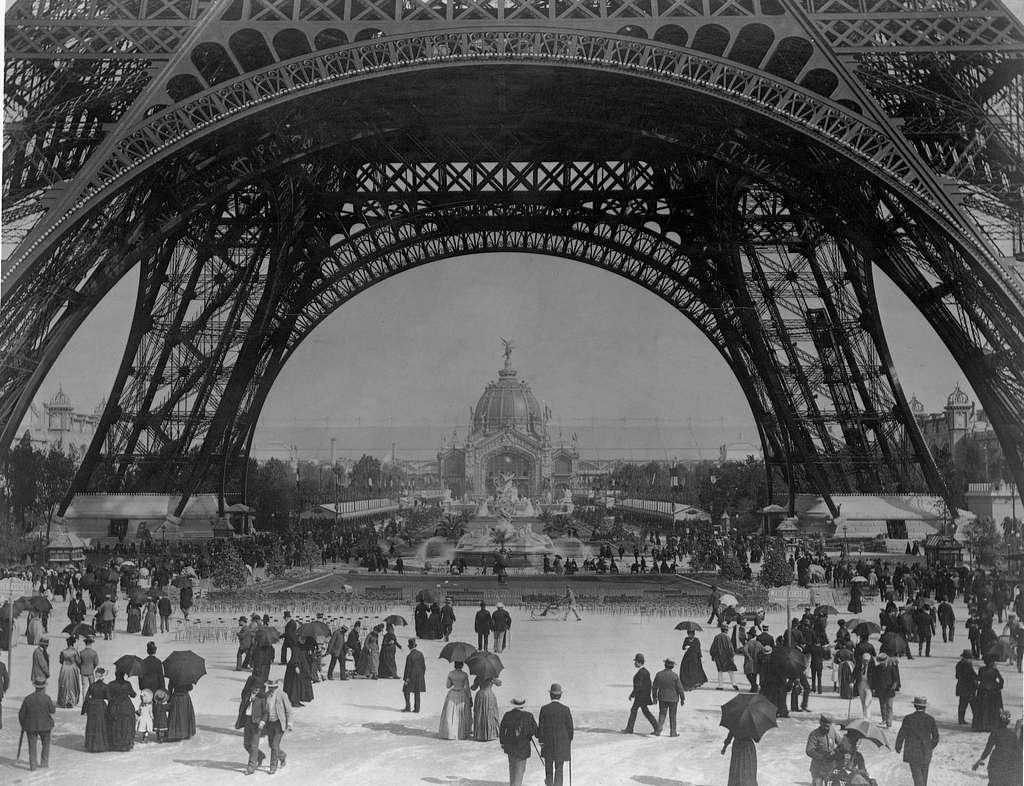
The Eiffel Tower began as a bold statement about what engineers could build. Its place in Paris today can make it seem inevitable, but…
The Eiffel Tower didn’t spring fully formed from one mind. It began as a bold engineering sketch in 1884, sharpened by a crucial patent,…
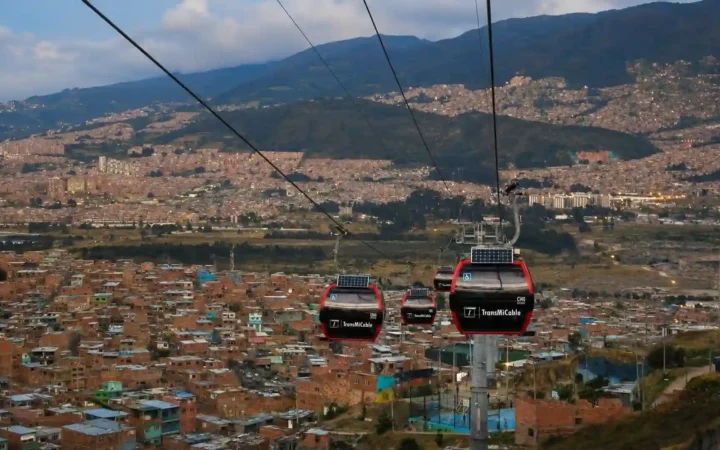
Several national capitals use urban cable cars for everyday public transport, including Mexico City, Bogotá, Caracas, Santo Domingo, Algiers, and Tbilisi. Mi Teleférico serves…
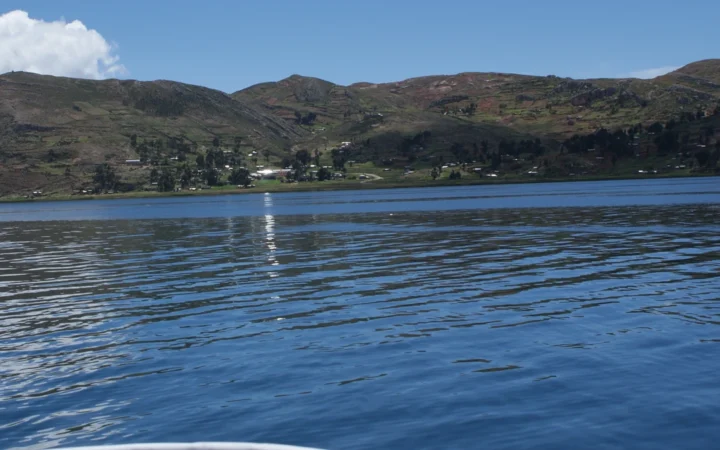
Lake Titicaca glitters on the Andean Altiplano between Peru and Bolivia. Its open water, reed-fringed shallows and inhabited islands form both a cultural heartland…
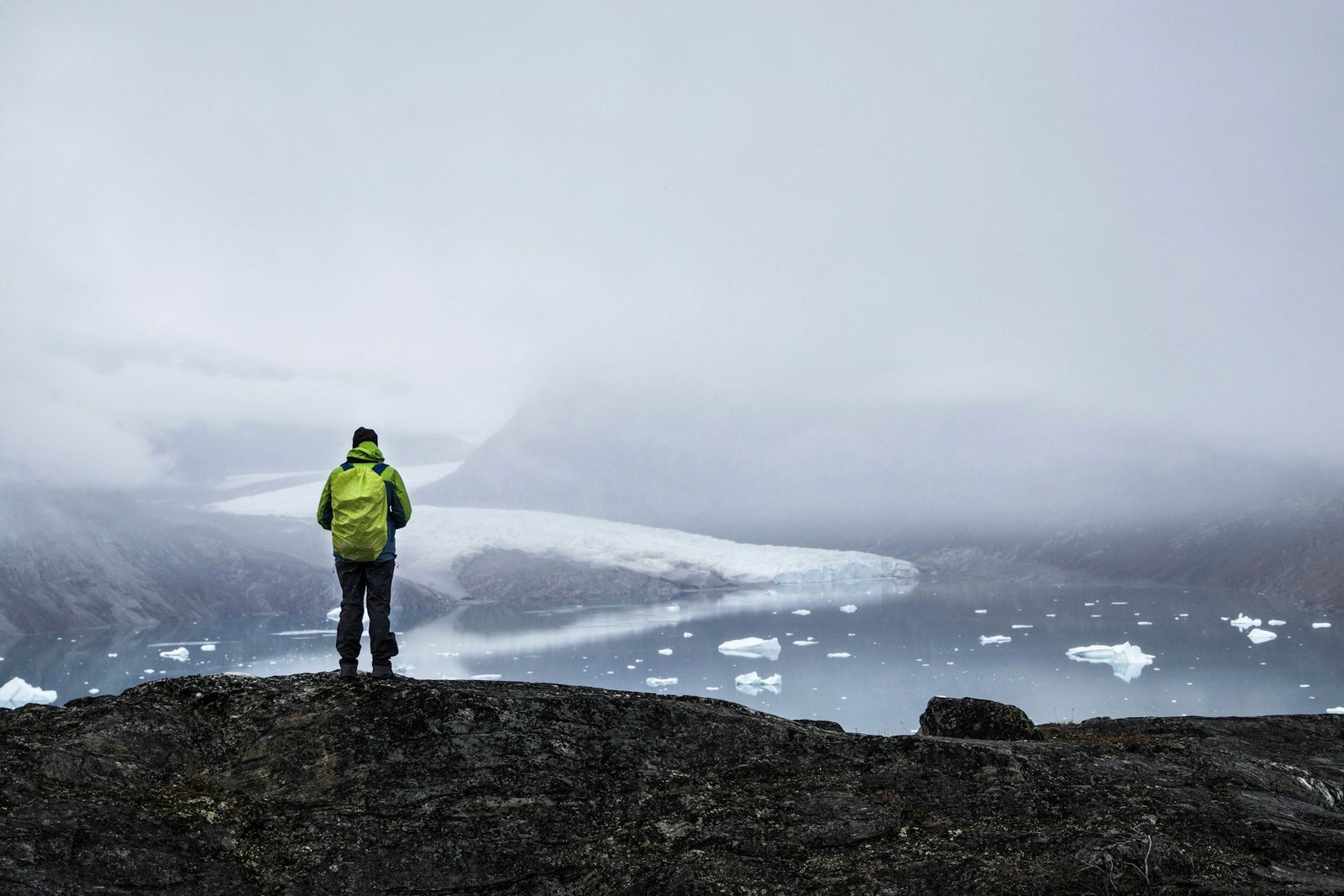
Greenland is the world’s largest island — a vast white expanse in the far north. At first glance, it appears as one giant block…
The Pacific Ocean is Earth’s largest and deepest ocean. It stretches from the icy Southern Ocean to the Arctic, touching Asia and Australia in…
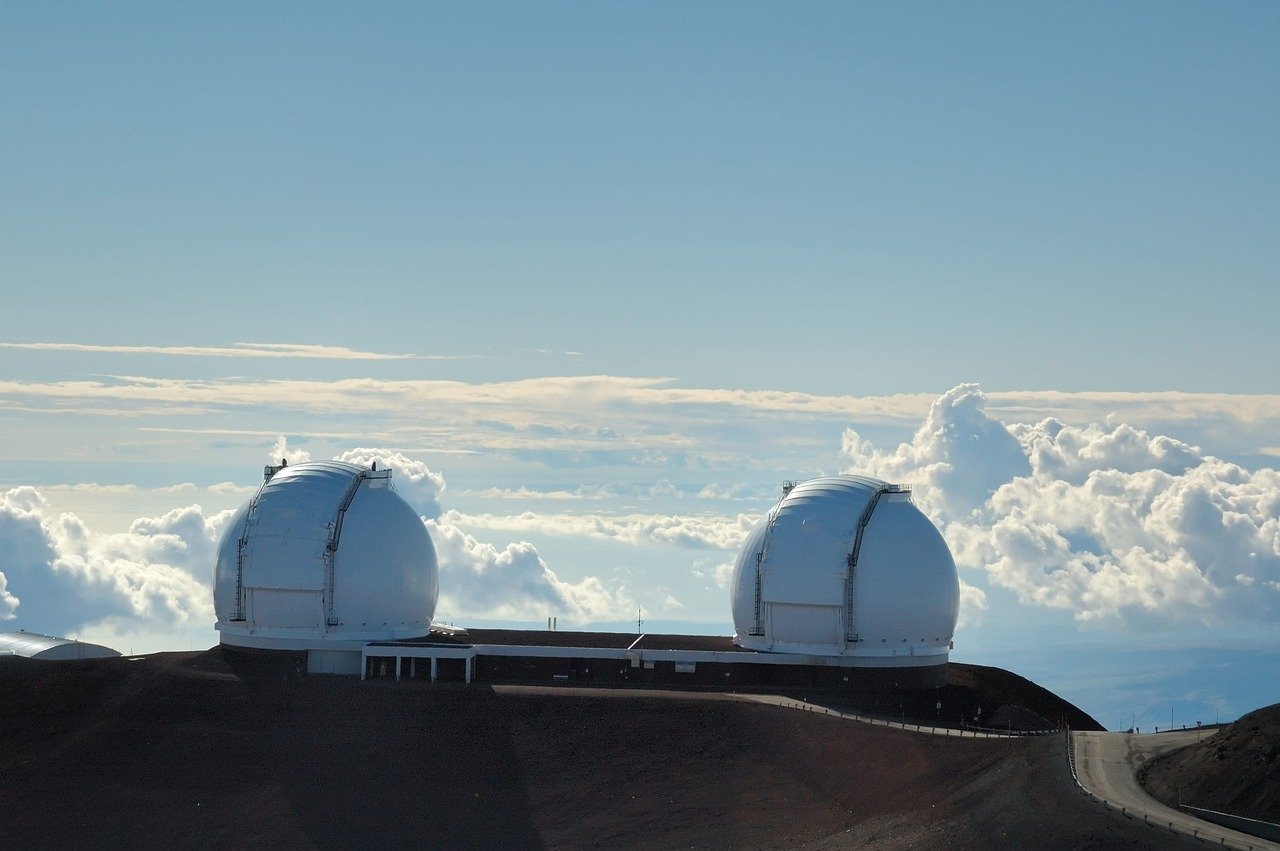
Mauna Kea rises 13,803 feet (4,207 m) above sea level, but about 33,480–33,500 feet (10,205–10,210 m) from a selected submarine base. It is taller…
La Paz is one of South America’s most geographically distinctive major cities: Bolivia’s seat of government occupies a steep Andean basin, while El Alto…
A lake is an inland body of standing or relatively slow-moving water that occupies a basin and is surrounded by land. It may be…