Countries
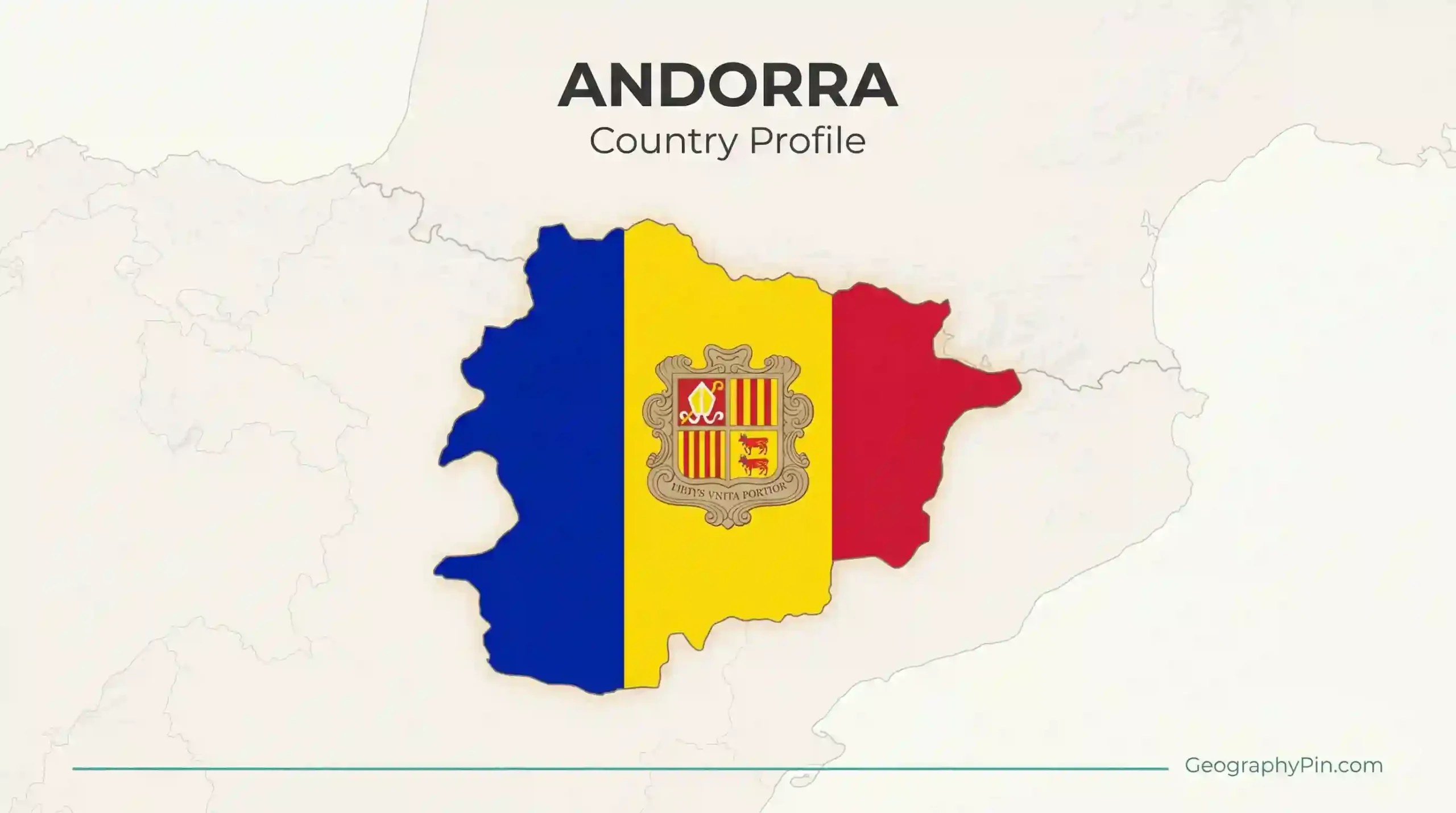
Andorra: Country Profile
Andorra is one of Europe’s smallest sovereign states, set high in the eastern Pyrenees between Spain and France. Its official language is Catalan, its capital is Andorra la…
GeographyPin author
I’m Z.K. Atlas, founder and editor of GeographyPin. I studied geography as a minor and personally research, write, fact-check, and publish the site’s articles while also building its mapping tools. My work focuses on explaining physical and human geography—including places, borders, maps, political systems, and geographic patterns—in clear language without removing the context that matters.
Andorra is one of Europe’s smallest sovereign states, set high in the eastern Pyrenees between Spain and France. Its official language is Catalan, its capital is Andorra la…
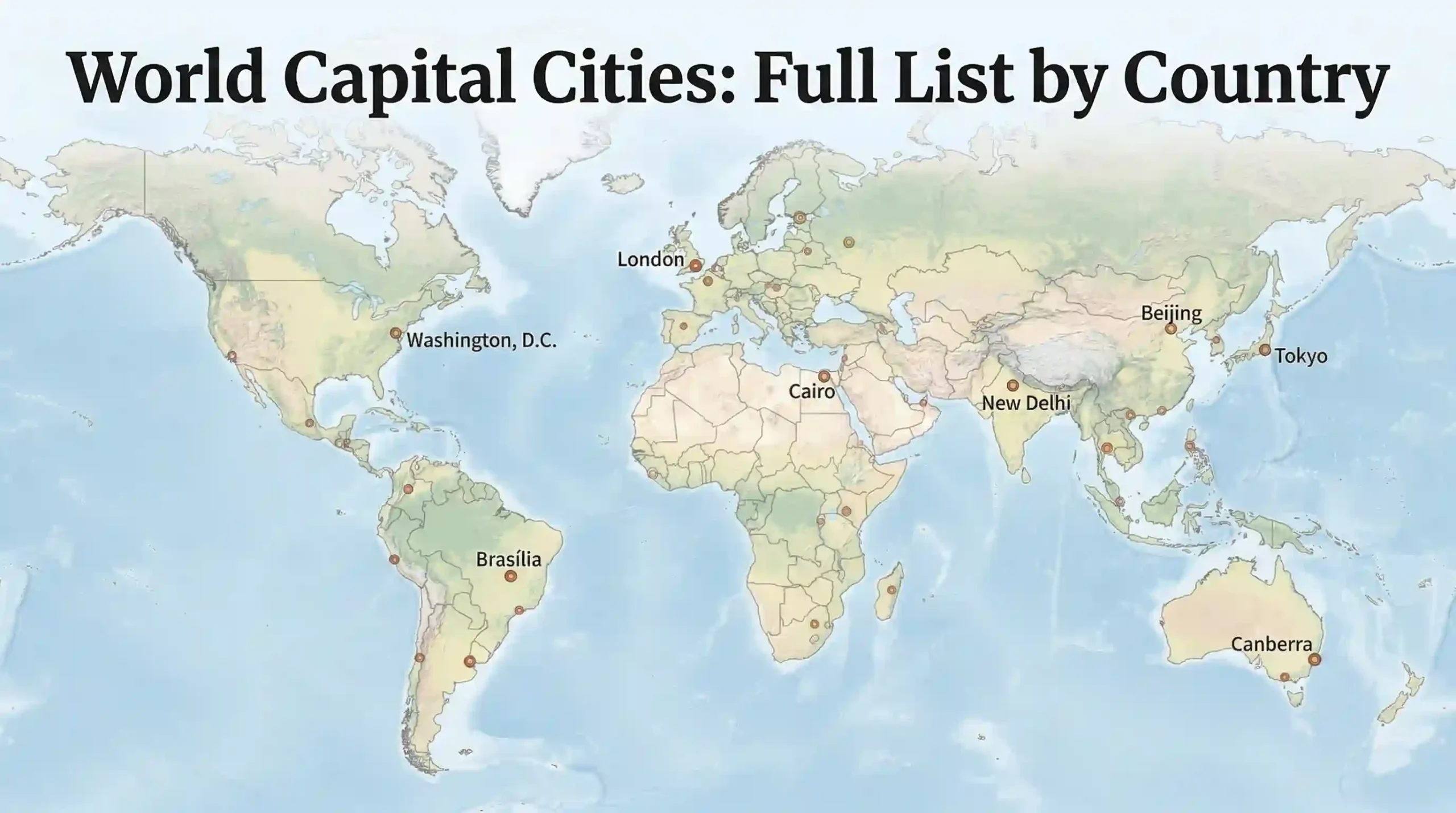
Here is the complete alphabetical list of world capital cities by country, built for fast lookup on a phone or desktop. It follows the common 195-country convention and…
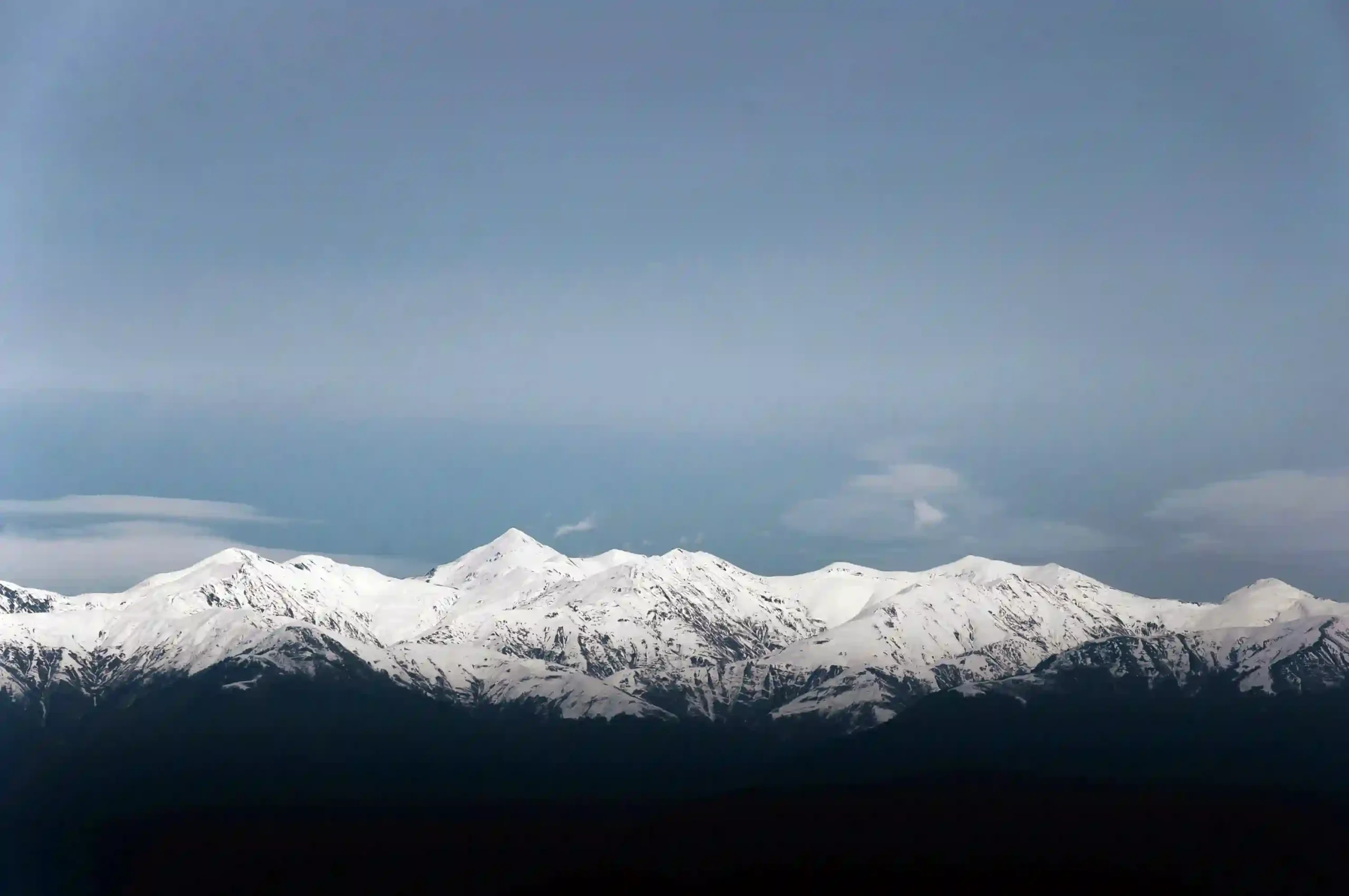
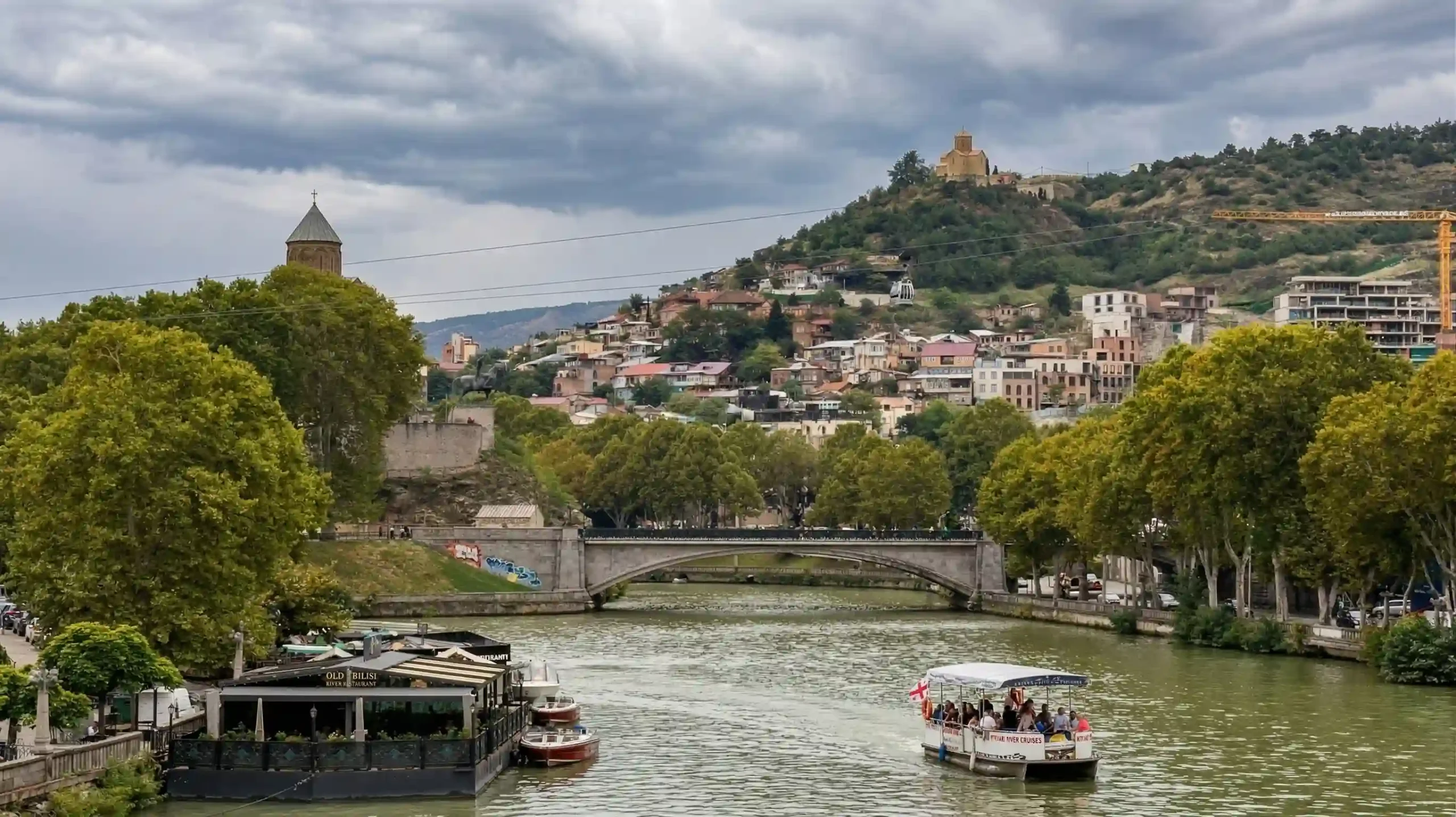
The Caucasus is one of those mountain regions many readers recognize immediately but place only vaguely. The usual confusion is not just about location; it is also about…
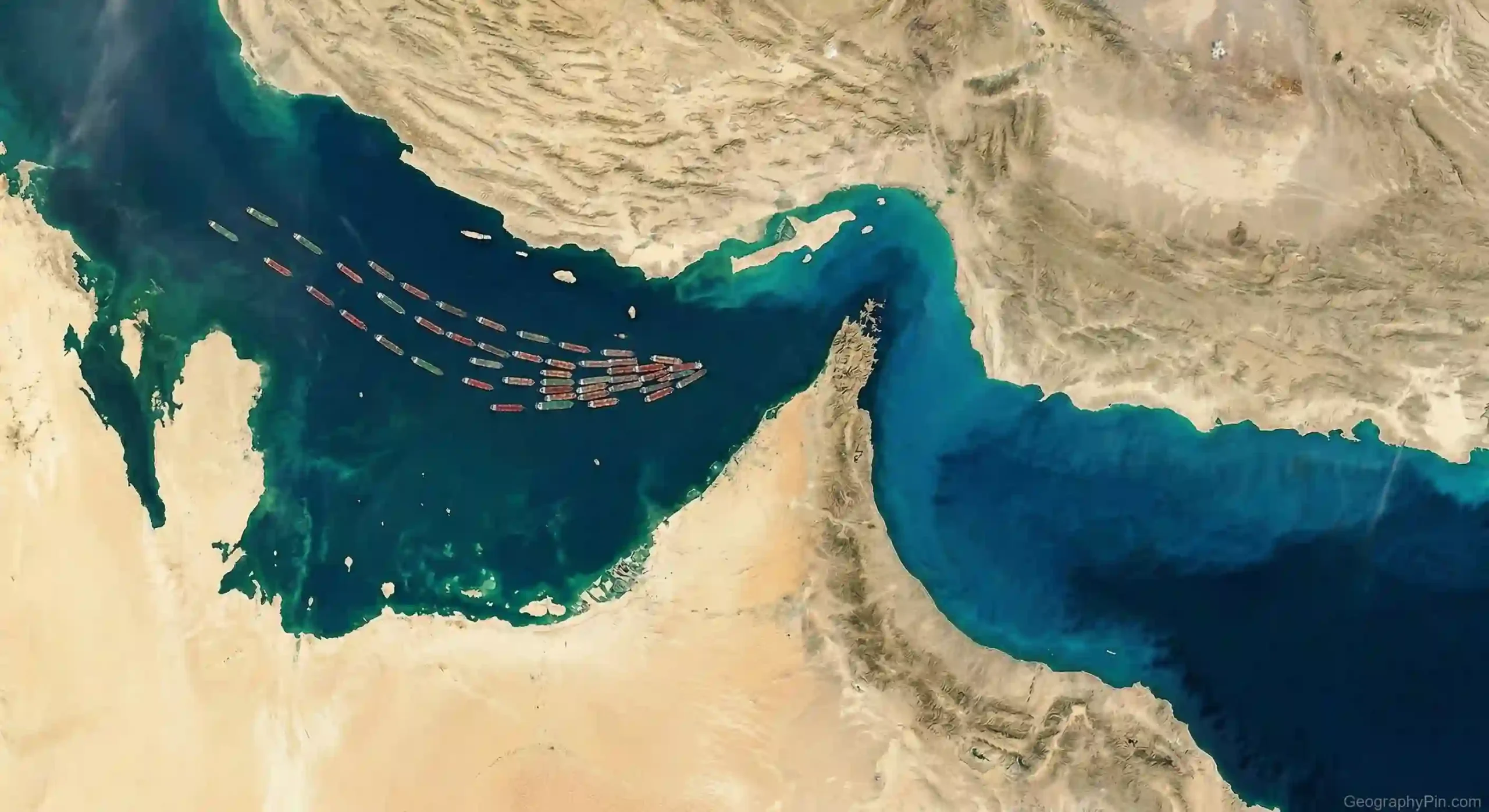
The Strait of Hormuz is one of those places that turns up whenever oil prices jump or military tension rises in the Gulf. The reason is straightforward: it…
This question sounds simple, but it carries a century of political baggage. Most people asking it are really trying to sort out three different things at once: who…
Many readers meet this river under two different names and assume they are looking at two different waterways. They are not. The confusion comes from language, mapping habits,…
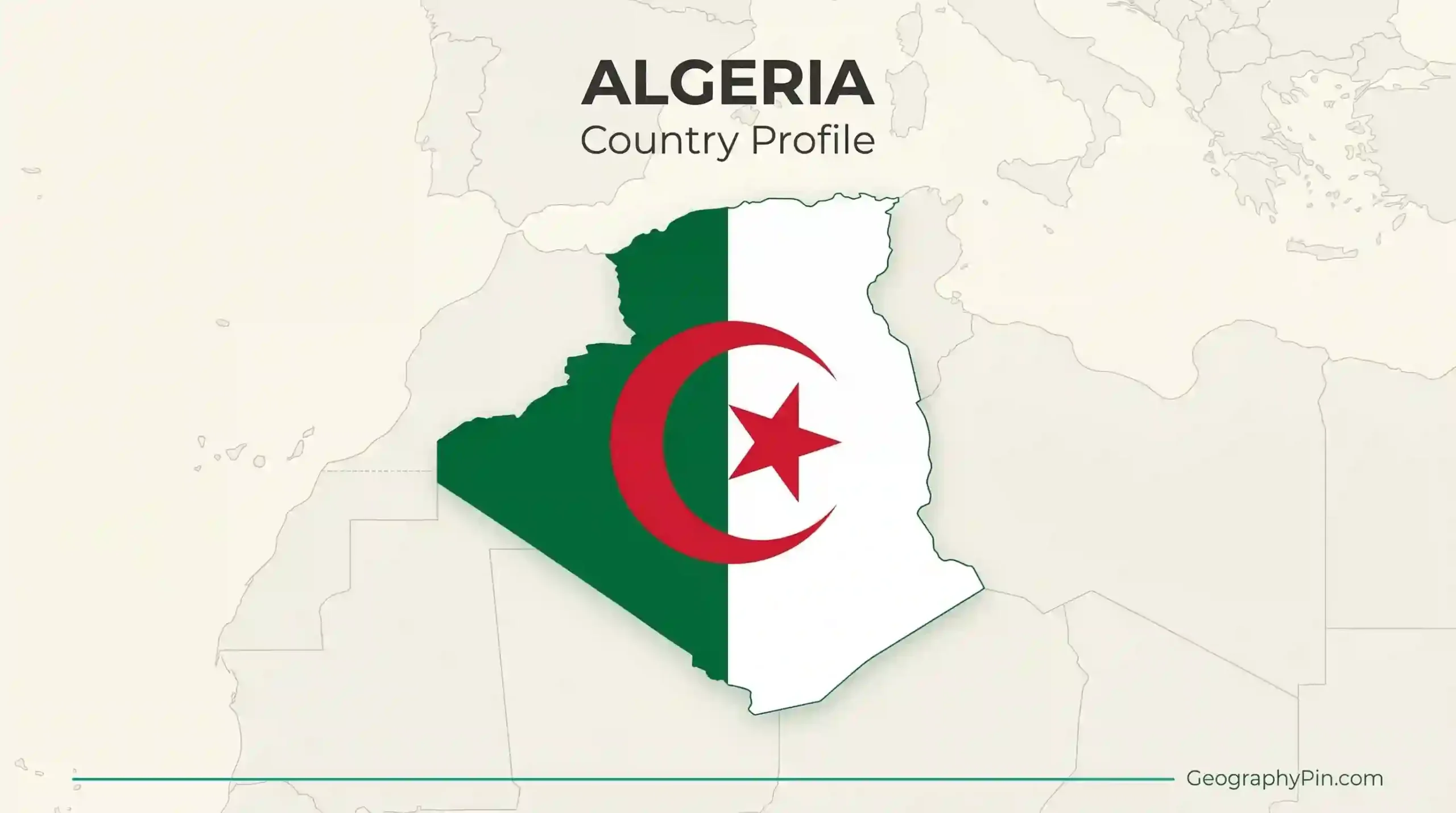
Algeria is a major North African country on the Mediterranean Sea. It is the largest country in Africa by area, but most of its people, farms, ports, and…
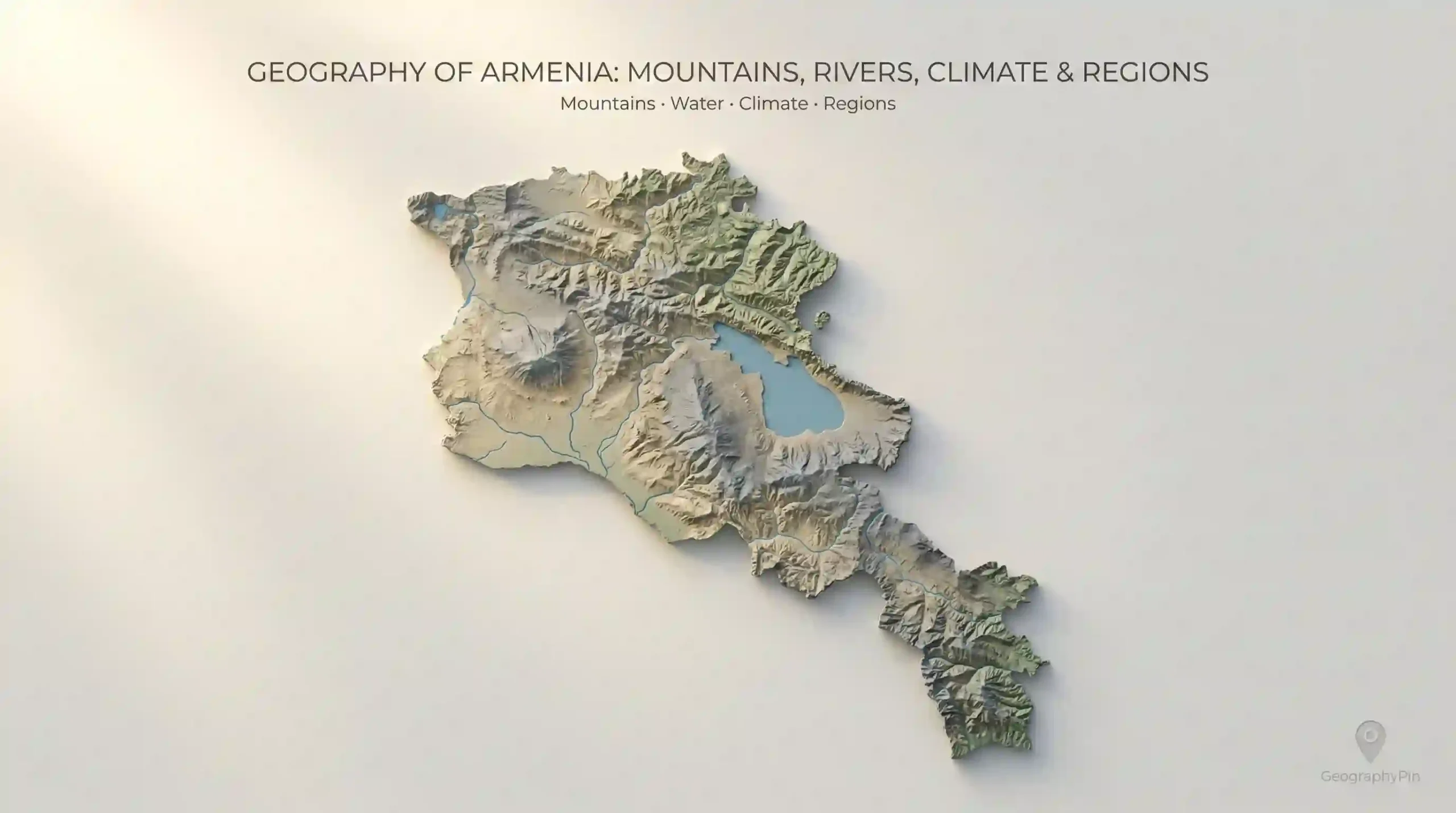
Armenia (the modern Republic of Armenia in the South Caucasus) is compact on a world map—about 11,484 square miles (29,743 square kilometers)—but it behaves like a much larger…
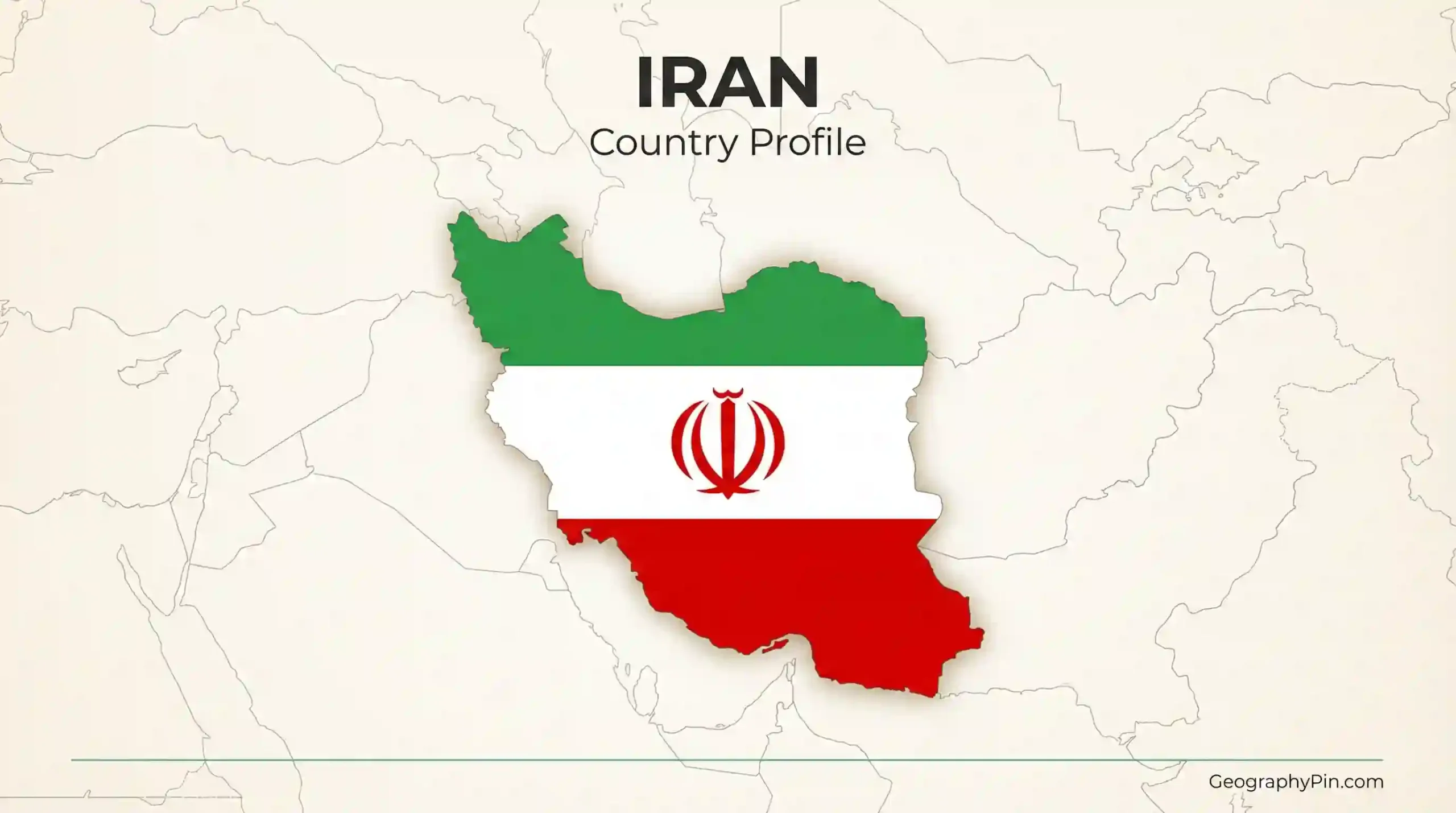
Iran is easiest to understand as a high interior “roof” (the Iranian Plateau) with strong edges: mountains that act like walls, deserts that act like sinks, and coastlines…
This profile covers the modern state of Iran (the Islamic Republic of Iran) in West Asia. “Persia” is a historical and cultural label that still appears in language…