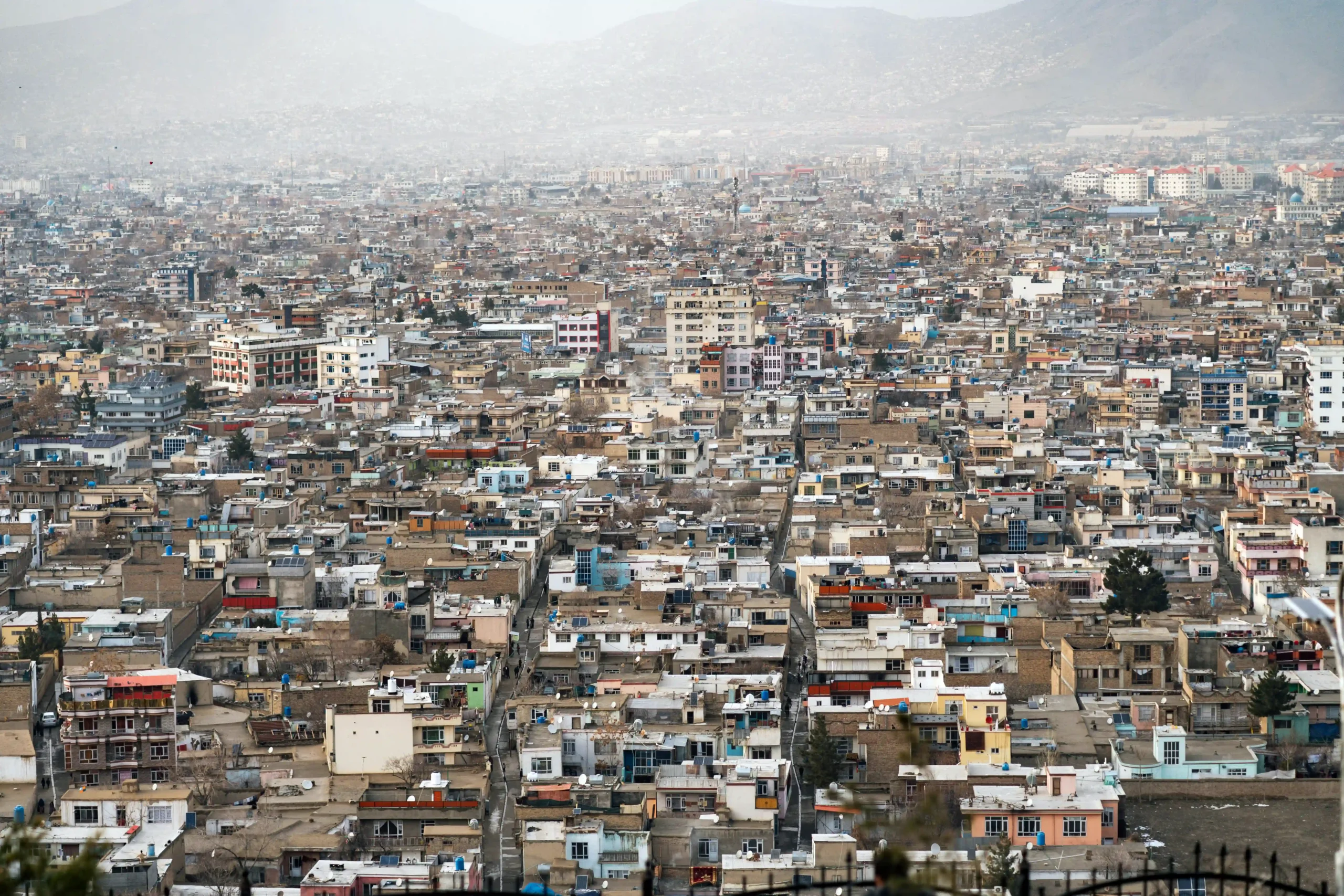
Kabul is the capital of Afghanistan and the country’s largest urban center. It sits in a high valley on the Kabul River and has served as Afghanistan’s capital since 1776, which is why it remains the country’s main political and historical reference point.
How to use this article: Start with the fast location check for the basic answer, jump to why Kabul became the capital for the key historical point, use the landmark shortlist for quick place context, or go straight to the city-versus-country clarification if that is the confusion you wanted to solve.
Where Kabul is and what it is
Kabul is a city in east-central Afghanistan. It is the national capital, the capital of Kabul Province, and the country’s largest urban center, which is why it shows up so often in school geography, atlases, and general knowledge lists.
For many readers, that already answers the main search. But the location gives the answer more meaning: Kabul is not a coastal capital and not a lowland river city. It is an inland capital set high among mountains, which shapes how it grew and why it mattered.
Fast location check
Kabul lies in a high valley through which the Kabul River passes. Its position helped connect different parts of Afghanistan and linked the city to routes moving east, north, and south. That made Kabul more than a local settlement; it made it a practical center of movement and power.
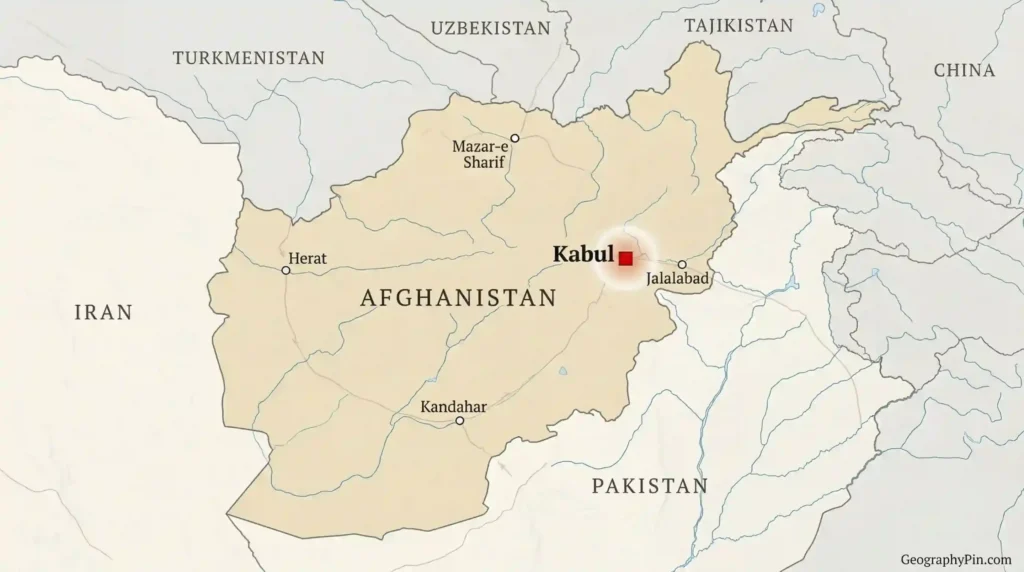
If someone asks, “What country is Kabul in?” the answer is simple: Kabul is in Afghanistan. If they ask, “Is Kabul a country?” the answer is no. Kabul is a city, and specifically the capital city of Afghanistan.
Why Kabul became Afghanistan’s capital
Kabul’s capital status was not just a ceremonial choice. Cities become capitals for reasons, and in Kabul’s case geography was part of the story. The city stood in a position that connected important internal routes while also giving rulers access to a strategic mountain-basin center.
Why Kabul became the capital
Kabul has served as the capital of Afghanistan since 1776, when Timur Shah Durrani transferred the capital from Kandahar. That change gave Kabul a lasting political role that continued into the modern Afghan state.
The city’s location helped support that decision. Kabul was well placed for communication and control compared with a more regionally rooted southern capital. That does not mean Kandahar lost its importance, but it does help explain why Kabul became the main seat of power.
What Kabul’s setting tells you
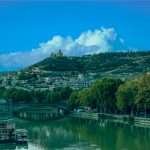
Kabul stands about 5,900 feet (1,800 meters) above sea level in a mountain-framed valley. That one fact immediately separates it from many other world capitals. It is a high-elevation capital, and the landscape around it is part of its identity.
The Kabul River runs through the city, and the surrounding ranges help define its shape. This is one reason Kabul feels like a contained basin city rather than an open plain city. The physical setting affects transport, expansion, climate, and even the visual impression of the capital.
It also helps explain why Kabul can feel both connected and constrained at the same time. The city is an urban center, but it developed in a terrain where hills, ridges, and valley space matter. That combination gives Kabul a distinct geographic character inside Afghanistan.
The history behind the capital
Kabul is not just politically important; it is also very old. A settlement has existed in or around the Kabul area for thousands of years, which makes the city one of the historically significant urban sites of the wider region.
Over time, Kabul passed through different empires, rulers, and turning points. It was conquered, rebuilt, damaged, and redefined more than once. That layered past is a major reason the city matters beyond modern state borders and beyond the single fact that it is Afghanistan’s capital.
One especially important name is Babur, who captured Kabul in 1504. His connection to the city is still visible in Bagh-e Babur, the famous garden associated with him and later with his burial tradition (UNESCO, 2009). That link places Kabul inside both Afghan history and the wider Mughal story.
The city also suffered heavily in the late 20th century, especially during years of war and factional fighting. Modern Kabul therefore carries two histories at once: the long history of an old crossroads city and the more recent history of damage, rebuilding, and urban pressure.
Places that help you understand Kabul
Landmarks often explain a city more clearly than a list of dates. In Kabul, a few well-known places show the city’s historical depth, political importance, and cultural memory better than a long abstract description can.
The landmark shortlist
- Bagh-e Babur: This terraced garden is one of Kabul’s best-known historic sites and one of the clearest reminders of the city’s connection to Babur and the early Mughal world.
- Bala Hissar: The old fortress above the city reflects Kabul’s long military and political history. Even when damaged or altered over time, it remains one of the strongest symbols of the city’s past.
- National Museum of Afghanistan: The museum helps place Kabul in the wider story of Afghan civilization by preserving archaeological and cultural material from across the country.
- The old urban quarters: Historic parts of Kabul show that the city is not only an administrative capital. It is also an old lived-in urban space with layers of local architecture, trade, faith, and memory.
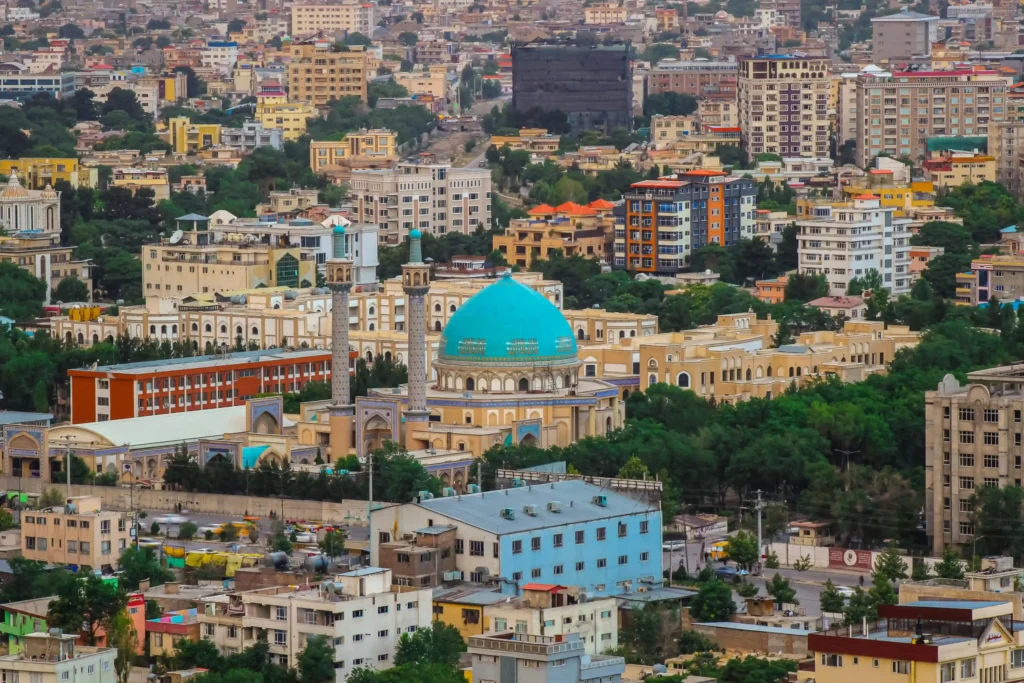
Bagh-e Babur deserves special attention because it presents a side of Kabul that many readers do not expect. It shows the city not only as a place of power or conflict, but also as a place of gardens, memory, and historical continuity.
Common confusions about Kabul
Capital-city searches usually hide a second question. People may type “Kabul” because they want the basic answer, but often they are also trying to clear up a confusion about the city, the country, or the province.
Kabul, Kabul Province, and Afghanistan are not the same thing
| Name | What it is | Why people mix it up |
|---|---|---|
| Kabul | The capital city of Afghanistan. | This is the place most people mean when they ask for the capital. |
| Kabul Province | A province that includes Kabul city. | The city and the province share the same name. |
| Afghanistan | The country of which Kabul is the capital. | Some basic searches blur the difference between city and country. |
Another common confusion involves population. Readers often expect one exact current total, but Kabul’s demographic figures are not as neat as city profiles elsewhere. In Afghanistan, recent figures often depend on estimates and projections rather than a perfectly settled count, so it is better to be careful than overly precise.
The clearest summary is this: Kabul is Afghanistan’s capital city, but it is also a historic mountain-valley city with a long past, strategic setting, and national importance that goes well beyond a one-line quiz answer.
FAQ
Is Kabul the capital of Afghanistan?
Yes. Kabul is the capital of Afghanistan and has held that status since 1776.
Is Kabul a city or a province?
Kabul is both the name of a city and the name of a province, but they are not the same thing. Kabul city is the national capital; Kabul Province is the larger administrative area that contains the city.
Why is Kabul important?
Kabul matters because it is Afghanistan’s political center, largest urban center, and one of the country’s most historically important cities. Its geography and long history both helped shape that role.
What river runs through Kabul?
The Kabul River runs through the city and is one of the key geographic features that helps define Kabul’s setting.
What is Kabul known for historically?
Kabul is known for its long urban history, its role in Afghan state formation, its connection to Babur, and landmarks such as Bagh-e Babur, Bala Hissar, and the National Museum of Afghanistan.
What Did We Learn Today?
- Kabul is the capital of Afghanistan and the country’s largest urban center.
- It became the Afghan capital in 1776 under Timur Shah Durrani.
- The city stands about 5,900 feet (1,800 meters) above sea level in a mountain-framed valley.
- Kabul matters not only as a political capital, but also as a historic city shaped by geography, empire, conflict, and rebuilding.
Sources & Data Notes
This article uses standard reference material for Kabul’s geography, capital status, historical background, and major landmarks, including general reference works and cultural heritage sources. Some figures may be rounded for readability, and a few details may change as newer data becomes available, especially where recent urban estimates vary by source. Visual and drafting support included AI-assisted tools, followed by editorial review.