Category: Physical Geography

Explore Earth’s physical systems—from mountains and rivers to climate patterns and fragile ecosystems. This hub organizes our best guides to landforms and water, weather and climate, biodiversity, and today’s pressing environmental issues. Start here, then dive into focused subtopics or explore places by continent, country, and city.

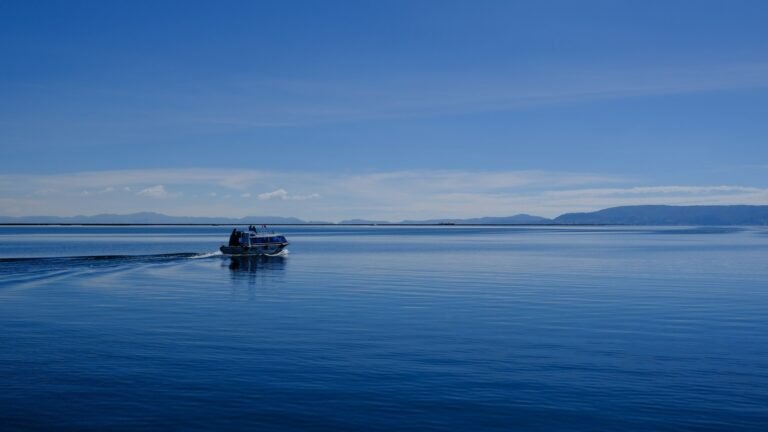
Lake Titicaca: World’s Highest Navigable Lake

8 mins read

Lake Titicaca glitters on the Andean Altiplano between Peru and Bolivia, high enough that many first-time visitors feel the altitude the moment they step off the boat. Stretching roughly 120 miles (190 kilometers) from northwest to southeast, it is both a cultural heartland and one of South America’s great geographic extremes. UNESCO World Heritage Centre […]

Read more

Greenland’s Hidden Geography: Bedrock Secrets & Island Mystery

13 mins read

Greenland is the world’s largest island — a vast white expanse in the far north. At first glance, it appears as one giant block of ice and rock. Yet this frozen colossus hides surprising secrets beneath its ice sheet. Picture mountains entombed under ice, canyons deeper than skyscrapers are tall, and even the possibility that […]

Read more

Pacific Ocean: Size, Depth, Climate & Ring of Fire

9 mins read

The Pacific Ocean is Earth’s largest and deepest ocean. It stretches from the icy Southern Ocean to the Arctic, touching Asia and Australia in the west and the Americas in the east. At roughly 63.8 million square miles (about 165.2 million square kilometers), it covers more area than all land on Earth combined. Its deepest […]

Read more

Mauna Kea: Tallest Mountain from Base to Summit

18 mins read

Mauna Kea is not your average mountain. Picture a massive volcano rising from the warm tropical seas of Hawaiʻi. Its summit climbs so high that it can wear a cap of snow in winter. This dormant giant on the Big Island holds a surprising record that many people don’t expect—one that challenges how we define […]

Read more

What Is a Lake?

7 mins read

Stand at the shore of a quiet blue basin and you’re looking at one of Earth’s most useful landforms: the lake. Below, we answer the question simply, then build up the science with plain language, real numbers, and examples you can picture. What is a lake? A lake is a mostly enclosed, inland body of […]

Read more

Bee Lifespan: Queen, Worker & Drone Explained

6 mins read

Bees don’t all live the same length of time. A worker honey bee hatched in July might last only a few weeks, while a “winter bee” lives for months, and a queen can persist for years. Understanding which bee we mean—worker, drone, queen; honey bee, bumblebee, or solitary species—changes the answer and explains why colonies […]

Read more

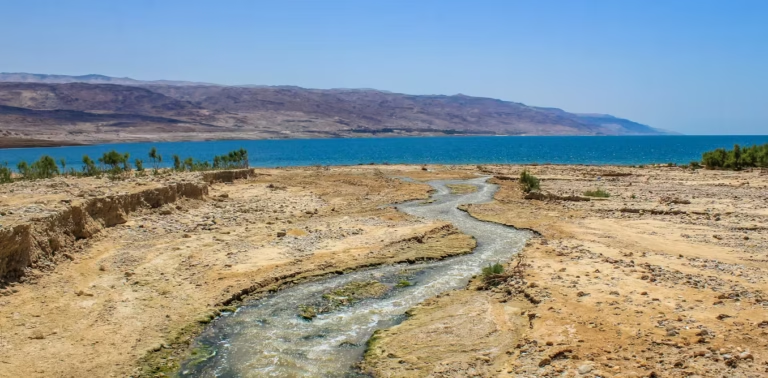
Jordan River & the Dead Sea: How the River Feeds a Salt Lake

8 mins read

The Jordan River threads south from the snows of Mount Hermon to the lowest land on Earth, the Dead Sea—about 251 kilometers (156 miles) of meanders through the Jordan Rift. Along the way it passes through the Sea of Galilee (Lake Kinneret) before ending in a lake with no outlet, where water disappears not to […]

Read more

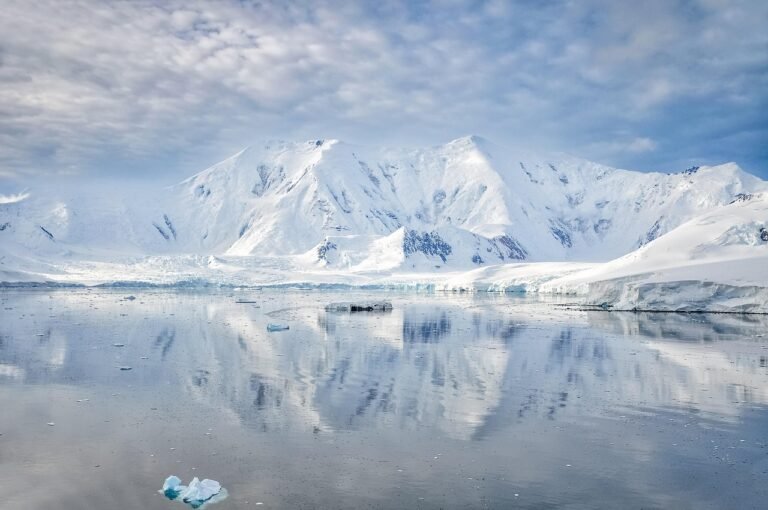
Antarctica

7 mins read

Antarctica is Earth’s southernmost continent—a vast, windswept wilderness about the size of the United States and Mexico combined. It holds most of the planet’s fresh water locked in ice and is ringed by the powerful Southern Ocean. There are no cities, no permanent residents, and the rules here are set by an international treaty focused […]

Read more

Dead Sea Israel vs. Jordan: Which Side Is Better for You?

9 mins read

The Dead Sea’s shores stretch along Israel/West Bank to the west and Jordan to the east, meeting at Earth’s lowest dry-land elevation, roughly 1,300 feet (≈430 meters) below sea level. That single fact shapes everything here: hotter air, denser water, and surreal landscapes. As a visitor, your real question isn’t “which country is best,” but […]

Read more

What Is the Dead Sea? A Simple, Complete Overview

11 mins read

The Dead Sea is a small lake with a big reputation. Straddling Jordan to the east and Israel and the West Bank to the west, it sits at roughly −1,444 feet (−440 meters) below sea level—Earth’s lowest land elevation. Famous for effortless floating, other superlatives tell an urgent story: extreme salinity, intense evaporation, falling water […]

Read more