A good Georgia travel plan starts with a choice: the eastern cities and wine country, the western coast and mountain routes, or the southern forest-and-heritage circuit. Distances on the map can hide slow mountain journeys, and the season that suits a Tbilisi walk may not suit a high-country hike.
For a first trip to Georgia, allow seven days for Tbilisi and one regional priority, ten for a selective east-to-west route, or fourteen for a slower trip including Svaneti or the south. Choose the season around your main activity, reserve real transfer days, and check passport-specific entry rules and mandatory tourist insurance before departure.
How to use this article: Start with the regional route choice, compare seasons by activity, check tourist insurance, or follow the seven-day starting itinerary.
Choose a Route Before Choosing Every Stop
Georgia is the country in the South Caucasus, with the Black Sea to the west and the Greater Caucasus along its northern side. Tbilisi is in the east, Kutaisi in the west, and Batumi on the southwestern coast. For national geography, population and political context, use the separate Georgia country profile. Here, the task is deciding where to travel and how the stops fit together.
Three practical routes, plus a mountain commitment
An eastern trip starts with Tbilisi and can add Mtskheta, Kakheti and the road north to Kazbegi. A western trip combines Kutaisi with Batumi or a longer journey into Svaneti. A southern trip links Borjomi, Akhaltsikhe and Vardzia. These are planning groups, not official regional boundaries.
Choose one group for a short holiday, or connect two when you have more time. Mestia and Stepantsminda are both mountain bases, but they are not neighboring stops joined by a quick drive across the peaks. A cross-country transfer uses time that otherwise belongs to sightseeing.
Start with the experience you would most regret missing: city life, wine country, mountain walking, the coast or southern heritage. Give that priority enough nights, then add places that fit its geography. A seven-day trip with fewer bases is usually more useful than seven consecutive hotel changes.
Find the Right Destination Guide
The choices below are starting recommendations for a first trip. Full days mean time on the ground, not a late arrival or the morning before an early flight. Follow the linked destination guides for neighborhood choices and detailed visits.
| Destination | Choose it for | Useful starting allowance |
|---|---|---|
| Tbilisi | Old streets, museums, baths and food | Three full city days |
| Mtskheta | Svetitskhoveli, Samtavro and separate hilltop Jvari | Half to one day from Tbilisi |
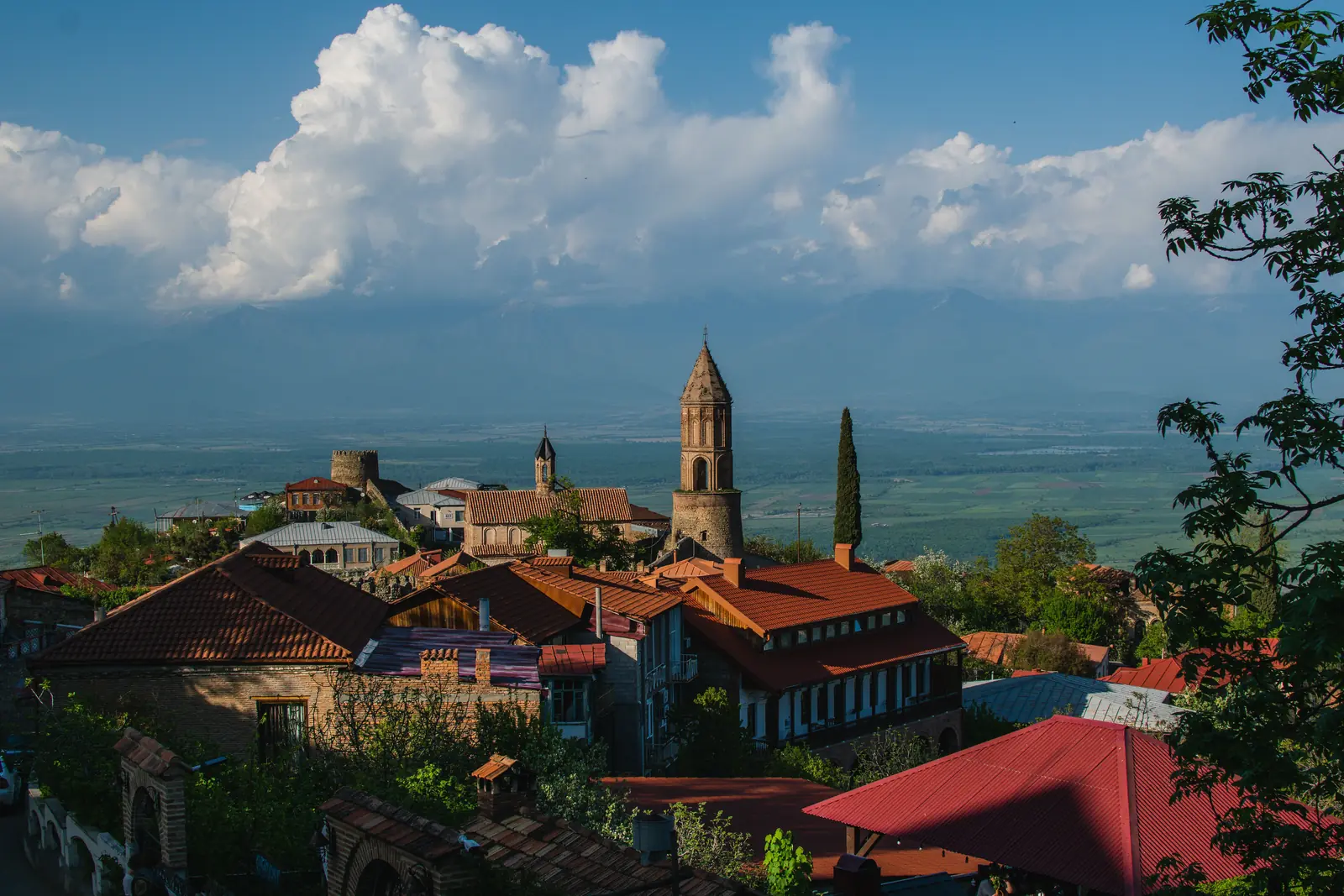
| Kakheti | Sighnaghi or Telavi, wine visits and countryside meals | One focused day or two days with an overnight |
| Kazbegi / Stepantsminda | Gergeti and selected mountain-valley outings | Two nights; longer for more walking |
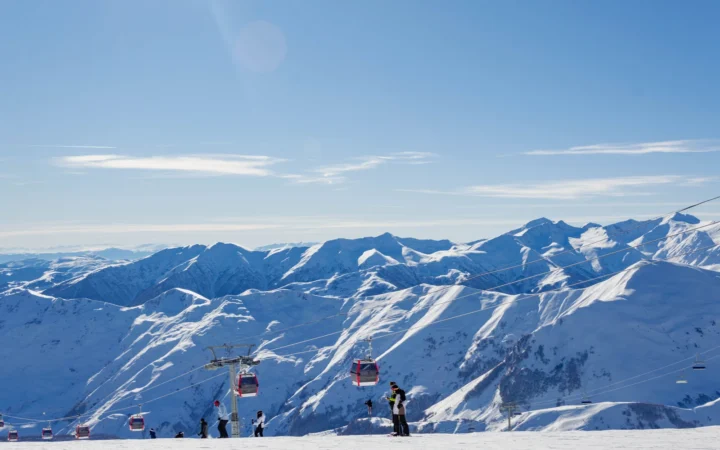
| Gudauri | Lift-served skiing and a winter resort stay | Three nights for a short break |
| Kutaisi | A river city with separate monastery or nature excursions | Two full days |
| Batumi | Black Sea waterfront, regional food and Adjara | Two or three full days |
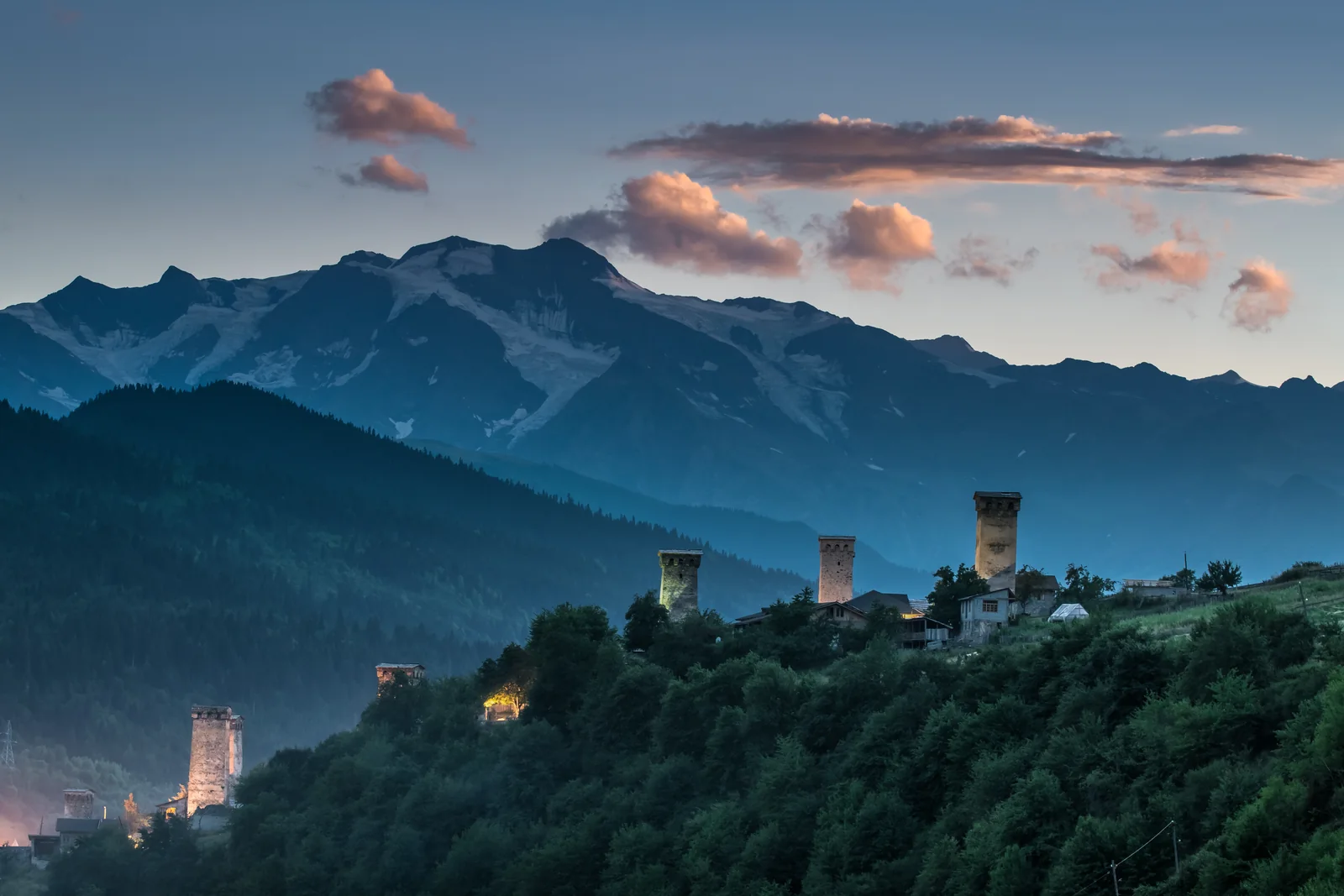
| Mestia and Svaneti | Svan towers, museums and mountain outings | Three or four nights, plus travel time |
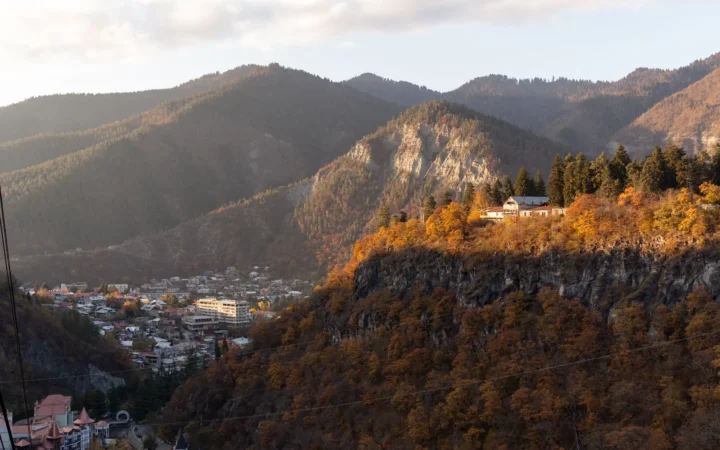
| Borjomi | Mineral-spring town and registered national-park walks | One town day; add a hiking day |
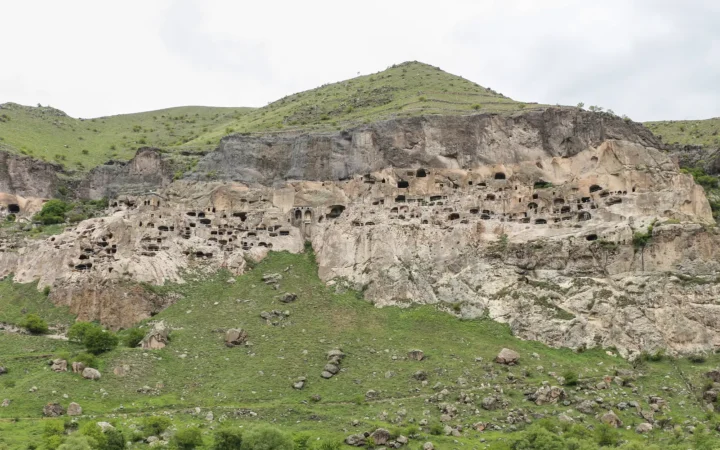
| Akhaltsikhe and Vardzia | Rabati Castle and a separate cave-monastery excursion | Two visiting days with an overnight base |
Choose one mountain experience first. Kazbegi fits an eastern route; Mestia is a larger commitment from western Georgia; Gudauri is the focused skiing choice. A full Mestia–Ushguli trek or a Mount Kazbek ascent needs its own itinerary, preparation and extra days.
Choose a base, not just a regional name. Kakheti’s Sighnaghi and Telavi lead to different outings. Borjomi’s Central Park is not the same visit as Borjomi-Kharagauli National Park. Akhaltsikhe and Vardzia are separate places, while Kutaisi’s cave and canyon trips are outside the city. These distinctions decide how much transport you need.
Match the Season to the Landscape
Cities, high trails, coast or skiing?
Georgia’s tourism board recommends spring and autumn for cultural sightseeing, summer for mountain hiking and the Black Sea coast, and winter for skiing. Use that broad seasonal guidance to choose a trip type, not to promise weather or trail access.
| Main priority | Start planning around | Keep flexible |
|---|---|---|
| City and heritage touring | Spring or early autumn | Rain, heat, shorter late-season days and site access |
| High-country walking | Summer into early autumn | Snow at elevation, storms, river crossings and road access |
| Batumi and the coast | Summer or early autumn | Rain, sea conditions and seasonal services |
| Kakheti harvest visit | Autumn, arranged with a producer | Actual grape readiness and the host’s working schedule |
| Gudauri skiing | Winter, within the announced operating season | Individual lifts, snow, wind and road restrictions |
A comfortable afternoon in Tbilisi says little about a pass above Kazbegi. Likewise, reaching Mestia town does not establish that a high trail or the onward road to Ushguli is suitable. For a hiking-led holiday, select the route with local advice close to departure; for a spring city holiday, keep mountain outings optional.
Pack for the places you will actually visit: shoes with grip, sun protection and a rain layer for touring, warmer clothing for mountain evenings, and suitable activity equipment where needed. Batumi is not a reliably dry beach resort. A city or museum alternative makes a coastal stay less dependent on sunshine.
Winter needs a different itinerary, not the summer route with a coat added. Concentrate on a ski base and manageable city time, verify operations with the resort, and allow room for road disruption. Do not use an old opening announcement as proof that every lift is running.
Entry Documents and Tourist Insurance
Check the rules for your own passport
Visa requirements depend on nationality, travel document and sometimes other visas or residence permits. Use Georgia’s consular entry information, or ask the relevant Georgian embassy if the online guidance does not settle your case. The official e-Visa portal serves eligible short-stay applicants. Do not assume another traveler’s visa-free allowance applies to you.
Check document validity, permitted stay and supporting-document requirements before making nonrefundable bookings. Keep your accommodation details, onward arrangements and insurance accessible during travel. Permission to visit is not automatically permission to work, study or stay indefinitely; those plans need separate official advice.
Insurance is an entry requirement, not just an optional extra
Under the Georgian Ministry of Foreign Affairs notice, tourists entering from January 1, 2026 generally must hold health and accident insurance with coverage of at least GEL 30,000. It must cover the entire stay, including arrival and departure dates, and be available in Georgian or English, on paper or electronically. A Georgian or foreign insurer may issue it; the notice also lists exemptions.
Check the policy’s required information against that notice, including territorial coverage, insured risks, dates and limits. Save an offline copy before departure. Separately verify coverage for your actual activities, especially hiking at altitude, skiing, off-piste travel, rescue and evacuation. Meeting the entry minimum does not establish that every excursion is insured.
Arriving and Getting Between Regions
Choose the airport around the itinerary
Tbilisi is the natural starting point for an eastern trip. Kutaisi suits a western start, and Batumi suits a coast-led holiday when a suitable flight operates. Compare the complete journey: airfare and baggage, arrival hour, airport transfer, first night’s accommodation and the return to your departure airport.
A cheaper flight on the opposite side of the country can cost a substantial part of a short holiday. Conversely, arriving in one city and departing from another can reduce backtracking when flights and prices fit. Confirm the actual service for your date rather than relying on an airport’s route list.
Kutaisi Airport’s official transfer information identifies Georgian Bus and Omnibus and links to their services. Check the city destination and final stop: an airport connection toward Tbilisi or Batumi is not a transfer to every Kutaisi hotel. Late-night arrivals also need confirmed check-in arrangements.
Train, shared transport or a driver?
Rail is useful on selected intercity corridors, including Tbilisi–Batumi and Tbilisi–Zugdidi. Check the Georgian Railway schedule and book through its passenger service for your date. Confirm the station and final local transfer. A train to Zugdidi does not reach Mestia; road travel remains part of that journey.
Coaches and marshrutkas, the shared minibuses used on many routes, can suit flexible travel between towns. Establish the departure point, destination, luggage arrangement and return service before relying on them. Do not assume a through vehicle stops for sightseeing or that a rural return runs late.
A private driver or organized excursion is useful for dispersed wineries, monasteries and trailheads. Agree on the whole route, waiting time, return journey, seatbelts and child restraints where needed. Guiding, admission and meals may be separate from transport.
A rental car offers independence outside the cities, but is not necessary for a standard Tbilisi or Batumi stay. Check permitted roads, insurance exclusions, winter equipment and the actual route condition. Never drive after wine tasting. Allow a full transfer block when moving between regions rather than adding a distant attraction to both ends of the journey.
For overland arrival or onward travel, check the specific crossing, direction, nationality rules and transport service before booking. Do not assume every border shown on the map is an ordinary open tourist route. The UK regional advisory reports restrictions at the Azerbaijan land border and warns against entering through Abkhazia or South Ossetia.
Georgia Itineraries for 7, 10 and 14 Days
These are editorial route plans, not package tours or guaranteed schedules. They count usable days in Georgia and reserve time for transfers. Add nights if your flights arrive late or depart early. The mountain versions assume suitable seasonal conditions; none includes a multi-day trek or technical climb.
7 days: Tbilisi and one regional priority
- Days 1–3: Tbilisi. Give the capital three city days rather than using it only as a hotel between excursions.
- Day 4: Mtskheta. Visit the town’s churches and arrange Jvari separately. Sleep in Tbilisi to avoid another luggage move.
- Day 5: travel to Stepantsminda. Keep the day focused on the road and settling in. Gergeti is optional if timing and conditions suit.
- Day 6: one Kazbegi outing. Choose Gergeti and a manageable local route, or one valley excursion after checking access.
- Day 7: return to Tbilisi. Leave room for delays and spend the night before an onward flight where practical.
Wine-country alternative: replace days 5–6 with two days around Sighnaghi or Telavi, returning to Tbilisi on day 7. This works better when wine and countryside meals matter more than mountains, or when mountain conditions are poor. Do not squeeze both Kakheti and Kazbegi into the same two-day block.
10 days: add western Georgia, not every region
- Days 1–3: Tbilisi. Keep the city time intact.
- Day 4: Mtskheta from Tbilisi. Return to the same base.
- Day 5: transfer to Kutaisi. Use any remaining time for a central walk, without promising a rural excursion.
- Day 6: Kutaisi. Choose a city-focused day or one confirmed monastery or nature outing, depending on what day 5 allowed.
- Day 7: transfer to Batumi. Settle in and walk the waterfront if time permits.
- Days 8–9: Batumi and one nearby priority. Give the city a full day, then choose the Botanical Garden, coast or a suitable Adjara outing.
- Day 10: departure logistics. Use this for the return to Tbilisi or your departure city, not another distant excursion.
This city-and-coast route intentionally omits Kazbegi, Svaneti and the south. If mountains are the priority, extend the seven-day eastern plan instead: add another Kazbegi night and a two-day Kakheti stay, preserving a final return day. A tenth day does not make every region fit.
14 days: a western mountain journey with breathing room
- Days 1–3: Tbilisi. Start with city time.
- Day 4: Mtskheta. Return to Tbilisi afterward.
- Day 5: transfer to Kutaisi. Keep arrival plans light.
- Day 6: Kutaisi and one chosen priority. Select the city or a rural outing based on access and interests.
- Day 7: travel to Mestia. Treat this as a mountain transfer day.
- Days 8–10: Mestia and Svaneti. Keep one day for town culture, one for a suitable mountain outing and one for weather flexibility or Ushguli by road if accessible. Stay four nights, days 7–10.
- Day 11: leave Svaneti for Batumi. Reserve the day for the road journey, with no essential timed attraction afterward.
- Days 12–13: Batumi. Enjoy the waterfront, city and one selected outer attraction.
- Day 14: departure logistics. Return to the necessary airport city, or depart locally if a suitable flight fits. Avoid a tight long-distance connection.
Southern alternative: replace the Svaneti-and-coast portion with a slower Borjomi and Akhaltsikhe route. Give Borjomi separate town and hiking days, allow a transfer into Akhaltsikhe, and devote a full day to Vardzia before returning toward Tbilisi. Use the remaining time for Kutaisi or Kakheti, not both automatically. Confirm Vardzia’s permitted route and any national-park registration before building bookings around them.
If your holiday is exactly 14 calendar days including international flights, remove a destination or shorten the city stays deliberately. Do not quietly turn the arrival and departure days into full sightseeing days. For a trekking holiday, replace an entire regional block with the trek and its travel days.
Money, Meals and the Bookings That Matter
The currency is the Georgian lari, code GEL. Compare quotes in lari and check whether a price is per person, per room or per vehicle. Keep some cash for smaller businesses and rural arrangements, and confirm card acceptance before depending on it.
A useful budget has separate lines for accommodation, meals, intercity transport, local excursions, admissions and insurance. A walking day in a city and a privately driven mountain day have different costs. Obtain current quotes rather than planning around a single national daily-budget figure or an old exchange rate.
Food also helps choose a route: Imeretian khachapuri in and around Kutaisi, Adjarian cheese bread on the coast, and a planned cellar meal in Kakheti are different experiences. Leave time for meals instead of treating them as breaks between transfers. Ask about walnuts, dairy, meat and other ingredients if you have dietary restrictions.
Book the parts with the greatest consequences first: flights, the main overnight bases, essential intercity seats, specialist guides and any wine visit that anchors a day. Keep weather-sensitive excursions more flexible where cancellation terms allow. Confirm heating or air-conditioning, luggage storage and late check-in rather than assuming a listing answers every practical question.
Arrange mobile data that covers the regions you plan to visit, save addresses in Georgian as well as English, and download maps and booking details before going into the mountains. Ask accommodation providers about actual steps, slopes, bathrooms and vehicle access if mobility is a concern. A scenic terrace or a central address does not establish step-free access.
Safety, Access and a Final Departure Checklist
Read your own government’s latest advice before travel. The UK safety guidance warns about demonstrations, road and mountain hazards, and harassment affecting some minority and LGBT+ travelers. Avoid political gatherings, use normal precautions with belongings and drinks, and choose vehicles with working seatbelts. Georgia’s emergency number is 112.
The UK regional advisory advises against all travel to Abkhazia and South Ossetia and against all but essential travel immediately beside their administrative boundary lines. These territories are internationally recognized as part of Georgia but outside Tbilisi’s effective control. They are not included in the routes here. Do not approach or cross boundary lines as a sightseeing detour.
For mountain travel, check the precise road and activity, not simply whether the destination town is reachable. Follow closures, use qualified guides for terrain beyond your experience and confirm rescue coverage. A phone signal, quick emergency response or clear trail should never be assumed. At the coast, obey current beach flags and lifeguard instructions.
- Before booking: check entry eligibility, insurance, the season for your main activity and the total transfer burden.
- Before each regional move: confirm the road or service, exact pickup and arrival points, accommodation access and return options.
- Before an excursion: check operating conditions, weather, suitable footwear, water, necessary registration and any restricted areas.
- Before flying home: leave a buffer after mountains or a long cross-country journey. Keep the final night near the departure city when the connection would otherwise be fragile.
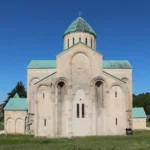
Historic-site descriptions do not establish that every interior is open. Restoration, religious services and conservation restrictions can change a visit. Confirm the specific feature you care about, follow local dress and photography rules, and respect barriers even when an older guide describes a different route.
What Did We Learn Today?
Georgia becomes easier to plan when regions, seasons and transfer days shape the itinerary before individual attractions do. Tbilisi anchors an eastern trip, Kutaisi and Batumi organize western travel, and Mestia or the southern heritage route needs a deliberate allocation of time. Choose a manageable combination, use the destination guides for detail, and protect the trip with appropriate insurance, current access checks and room for a changed mountain or transport plan.
Sources & Data Notes
Route groupings, stay lengths and itineraries are editorial planning recommendations, not transport schedules or guarantees of access. Entry rules, insurance, border operations, attraction restrictions and services can change. Tourism sources support destination and seasonal context; government and operator sources support practical checks. No fixed fare, national daily budget or current trail-opening guarantee is asserted.
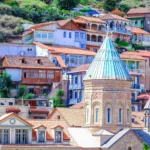
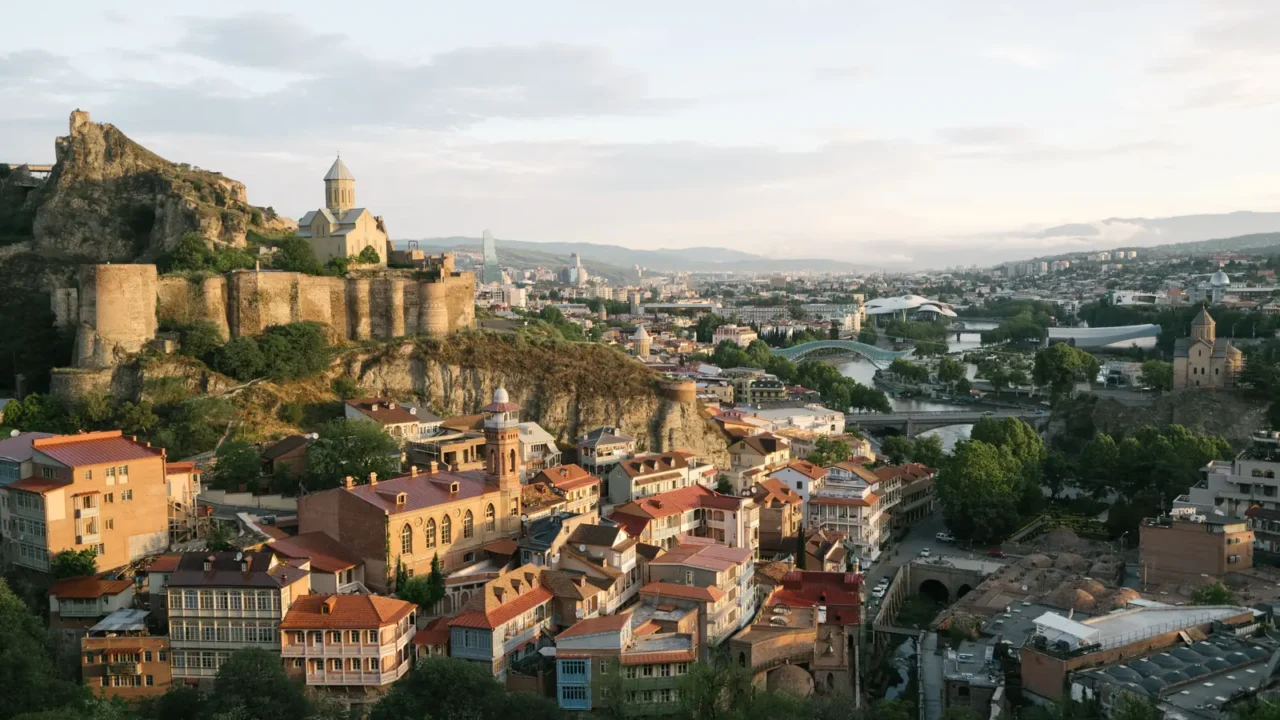
Featured photograph: Narikala Fortress and Tbilisi Old Town in warm light, photographed in May 2016. Photo: ArtHouse Studio / Pexels. Pexels License. Resized and converted to WebP.
- Georgian Ministry of Foreign Affairs: consular entry information.
- Georgian Ministry of Foreign Affairs: e-Visa portal.
- Georgian MFA: mandatory tourist health and accident insurance.
- Georgia Travel: seasonal guidance.
- Georgia Travel: public airports.
- Kutaisi Airport: transfer and visitor information.
- Georgian Railway: passenger schedule.
- Georgia Travel: Mestia and road-access context.
- UK FCDO: Georgia safety and security.
- UK FCDO: Georgia regional risks.