Why native names matter (and what this page aims to do)
Countries can have more than one correct “native” name: think Schweiz / Suisse / Svizzera / Svizra for Switzerland or België / Belgique / Belgien for Belgium. Endonyms are crucial in linguistics, diplomacy, maps, and contracts. Using the right form shows respect, improves clarity, and reduces legal risk when referencing a sovereign entity.
This page focuses on the short country names commonly used in domestic law and administration (when different from ceremonial long names). It relies on current international standards and public documents. For context: Earth’s total land area is about 57 million sq mi (148 million km²), partitioned among sovereign states, dependencies, and other territories—our scope here is the 193 UN members specifically.
What counts as a native name (endonym)?
An endonym is the name a state uses for itself in its own official language(s). Where a state has several official languages, multiple endonyms are equally valid. For Arabic-script states, we present the Arabic endonym; for Cyrillic, the local Cyrillic form; for non-Latin systems, the domestic script (e.g., Devanagari, Hangul, Kanji, Khmer, Lao, Sinhala, Thai, Tibetan). Where needed, we include more than one script.
Two quick notes for accuracy: (1) We use standard orthography (accents, diacritics, capitalization) as in official sources. (2) We list short names unless the long name is the only official form in domestic use. For example, “Türkiye” is the domestic short name, while “Bolivia” coexists with the long constitutional form “Estado Plurinacional de Bolivia”.
Multiple official languages
Belgium, Canada, Cameroon, Switzerland, South Africa, Singapore and others maintain parallel endonyms. These are not translations—they are co-equal names in different official languages.
Short vs. long official names
Some states favor a long formal style (e.g., “United Republic of Tanzania”) alongside a short style (“Tanzania”). We prioritize what domestic law and government sites use in ordinary contexts. When the long name is prevalent domestically (e.g., “Brunei Darussalam”), we show it.
Regional patterns and tricky cases
Parallel endonyms: Switzerland presents four equal short names; Singapore lists English, Malay, Mandarin Chinese, and Tamil forms; South Africa recognizes 11 official languages, leading to many valid endonyms. Script shifts: North Macedonia uses Северна Македонија domestically; Kazakhstan is transitioning alphabets but the current state endonym Қазақстан remains standard in Kazakh.
Official short vs. long: “Côte d’Ivoire” domestically resists translation (“Ivory Coast”). “Türkiye” is the domestic endonym and has been encouraged for international use. “Timor-Leste” is the official Portuguese/Tetum form, not “East Timor.” When in doubt, consult a state’s constitution or foreign ministry website and cross-reference ISO 3166.
Complete A–Z list — All 193 countries & their native names
The table below lists every UN member (A–Z by English short name) with its native short name(s). Multiple entries indicate co-official languages. Long ceremonial names appear only when they are the primary domestic form. Typography follows official orthography.
| N | Country | Endonym(s) | Pronunciation | Language(s) |
|---|---|---|---|---|
| 1 | Afghanistan | افغانستان | Afġānestān | Pashto, Dari |
| 2 | Albania | Shqipëria | Shchee-PUHR-ee-a | Albanian |
| 3 | Algeria | الجزائر / ⴷⵣⴰⵢⴻⵔ | al-Jazāʾir / Dzayer | Arabic, Tamazight (Berber) |
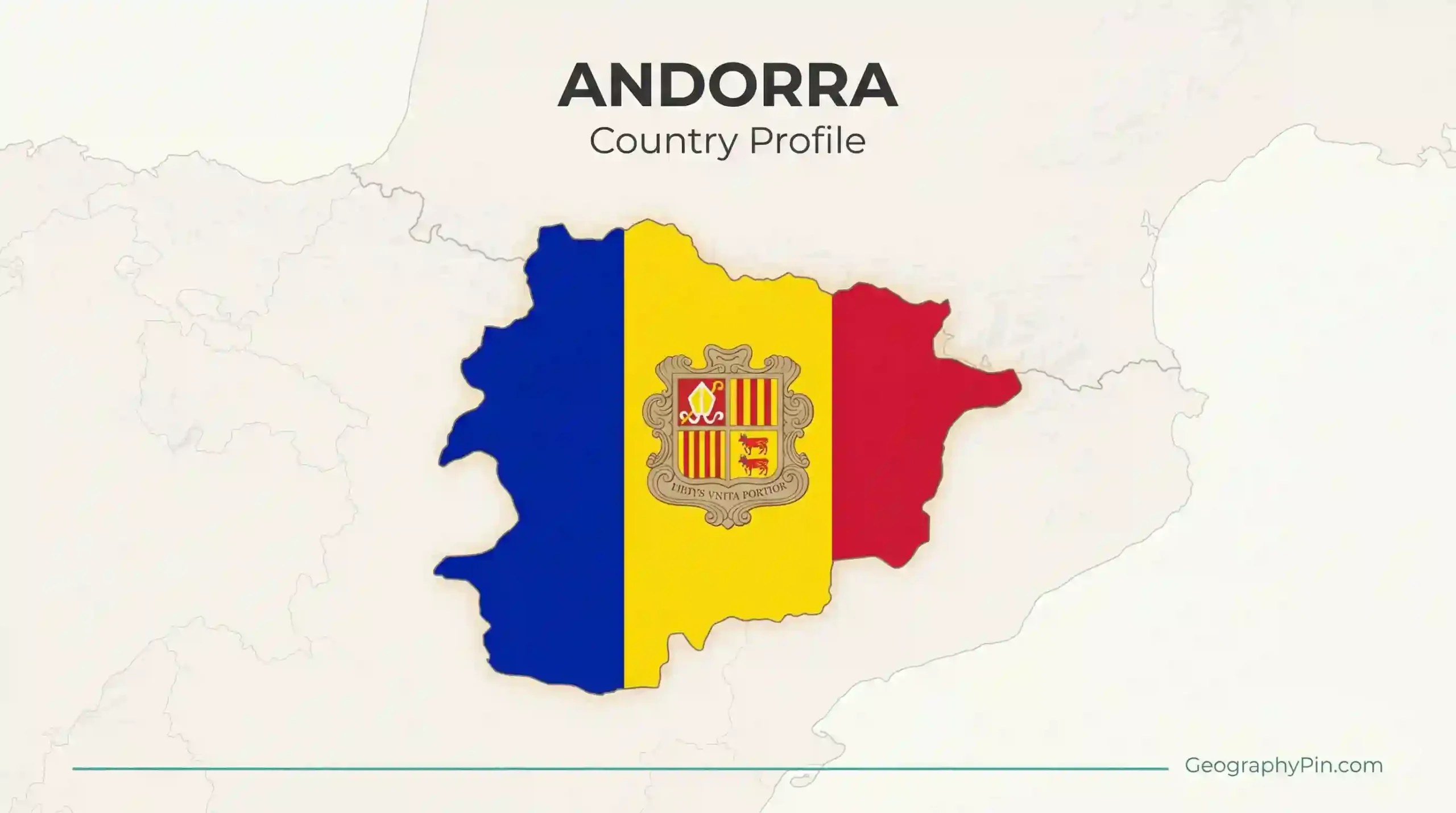
| 4 | Andorra | Andorra (Principat d’Andorra) | ahn-DOR-a | Catalan |
| 5 | Angola | Angola (República de Angola) | ang-GOH-la | Portuguese |
| 6 | Antigua and Barbuda | Antigua and Barbuda | an-TEE-gwə and bar-BYOO-də | English |
| 7 | Argentina | Argentina (República Argentina) | ahr-hen-TEE-na | Spanish |
| 8 | Armenia | Հայաստան (Hayastan) | ha-ya-STAN | Armenian |
| 9 | Australia | Australia | aw-STRAY-lee-ə | English |
| 10 | Austria | Österreich | UR-stair-raikh | German |
| 11 | Azerbaijan | Azərbaycan | ah-zer-bye-JAHN | Azerbaijani |
| 12 | Bahamas | The Bahamas | bə-HAH-məz | English |
| 13 | Bahrain | البحرين | al-Baḥ-RAYN | Arabic |
| 14 | Bangladesh | বাংলাদেশ | Bangla-DESH | Bengali |
| 15 | Barbados | Barbados | bar-BAY-dos | English |
| 16 | Belarus | Беларусь | bye-la-ROOS’ | Belarusian |
| 17 | Belgium | België / Belgique / Belgien | BEL-khi-ə / bell-ZHEEK / BEL-gee-ən | Dutch, French, German |
| 18 | Belize | Belize | beh-LEEZ | English |
| 19 | Benin | Bénin | bay-NAN | French |
| 20 | Bhutan | འབྲུག་ཡུལ་ (Druk Yul) | drook yool | Dzongkha |
| 21 | Bolivia | Bolivia / Wuliwya / Bulivia | boh-LEE-vyah / woo-LEE-wya | Spanish, Aymara, Quechua |
| 22 | Bosnia and Herzegovina | Bosna i Hercegovina / Босна и Херцеговина | BOS-na ee HER-tseh-go-vee-na | Bosnian, Croatian, Serbian |
| 23 | Botswana | Botswana | bot-SWAH-na | English, Tswana |
| 24 | Brazil | Brasil | brah-ZEEL | Portuguese |
| 25 | Brunei | Brunei Darussalam | broo-NAY dah-roo-SAH-lam | Malay |
| 26 | Bulgaria | България | BUL-gar-i-ya | Bulgarian |
| 27 | Burkina Faso | Burkina Faso | bur-KEE-na FAH-so | French |
| 28 | Burundi | Uburundi / Burundi | oo-boo-ROON-dee | Kirundi, French |
| 29 | Cabo Verde | Cabo Verde | KAH-boo VER-day | Portuguese |
| 30 | Cambodia | កម្ពុជា (Kâmpŭchéa) | Kom-POO-chea | Khmer |
| 31 | Cameroon | Cameroun / Cameroon | kam-uh-ROON | French, English |
| 32 | Canada | Canada / Canada | KAN-ə-də | English, French |
| 33 | Central African Republic | République centrafricaine / Ködörösêse tî Bêafrîka | ray-poob-LEEK san-traf-ree-KEN | French, Sango |
| 34 | Chad | Tchad / تشاد | chad / tʃaːd | French, Arabic |
| 35 | Chile | Chile | CHEE-leh | Spanish |
| 36 | China | 中国 | JONG-gwo | Chinese (Mandarin) |
| 37 | Colombia | Colombia | ko-LOHM-bia | Spanish |
| 38 | Comoros | Udzima wa Komori / Union des Comores / جزر القمر | ood-ZEE-ma wa ko-MOR-i | Comorian, French, Arabic |
| 39 | Congo (Republic) | République du Congo | ray-poob-LEEK doo KON-go | French |
| 40 | Congo (Democratic Republic) | République démocratique du Congo | ray-poob-LEEK day-mo-kra-TEEK | French |
| 41 | Costa Rica | Costa Rica | KOSS-ta REE-ka | Spanish |
| 42 | Côte d’Ivoire | Côte d’Ivoire | koht dee-VWAR | French |
| 43 | Croatia | Hrvatska | HR-vaht-ska | Croatian |
| 44 | Cuba | Cuba | KOO-ba | Spanish |
| 45 | Cyprus | Κύπρος / Kıbrıs | KEE-pros / KUH-brus | Greek, Turkish |
| 46 | Czechia | Česko | CHESS-ko | Czech |
| 47 | Denmark | Danmark | DAN-mark | Danish |
| 48 | Djibouti | Djibouti / جيبوتي | jee-BOO-tee | French, Arabic |
| 49 | Dominica | Dominica | do-mih-NEE-ka | English |
| 50 | Dominican Republic | República Dominicana | ray-POOB-lee-ka doh-mee-nee-KAH-na | Spanish |
| 51 | Ecuador | Ecuador | eh-kwah-DOR | Spanish |
| 52 | Egypt | مصر (Miṣr) | misr | Arabic |
| 53 | El Salvador | El Salvador | el sal-vah-DOR | Spanish |
| 54 | Equatorial Guinea | Guinea Ecuatorial / Guinée équatoriale / Guiné Equatorial | gee-NAY eh-kwah-to-ree-AL | Spanish, French, Portuguese |
| 55 | Eritrea | ኤርትራ / إريتريا | er-TREE-a | Tigrinya, Arabic |
| 56 | Estonia | Eesti | EH-stee | Estonian |
| 57 | Eswatini | eSwatini | es-wah-TEE-nee | siSwati |
| 58 | Ethiopia | ኢትዮጵያ (Ītyōṗṗyā) | ee-tee-OH-pee-a | Amharic |
| 59 | Fiji | Viti / Fiji | vee-tee / FEE-jee | Fijian, English |
| 60 | Finland | Suomi | SWO-mi | Finnish |
| 61 | France | France | FRAHNS | French |
| 62 | Gabon | Gabon | ga-BOHN | French |
| 63 | Gambia | The Gambia | GAM-bee-ə | English |
| 64 | Georgia | საქართველო (Sakartvelo) | sa-kart-VE-lo | Georgian |
| 65 | Germany | Deutschland | DOYCH-lahnd | German |
| 66 | Ghana | Ghana | GAH-na | English |
| 67 | Greece | Ελλάδα (Elláda) | eh-LAH-tha | Greek |
| 68 | Grenada | Grenada | grə-NAY-də | English |
| 69 | Guatemala | Guatemala | gwa-teh-MA-la | Spanish |
| 70 | Guinea | Guinée | gee-NAY | French |
| 71 | Guinea-Bissau | Guiné-Bissau | gee-NAY bee-SOW | Portuguese |
| 72 | Guyana | Guyana | guy-AN-ə | English |
| 73 | Haiti | Ayiti / Haïti | ah-yee-TEE / eye-EE-tee | Haitian Creole, French |
| 74 | Honduras | Honduras | on-DOO-ras | Spanish |
| 75 | Hungary | Magyarország | MAW-dyar-or-sag | Hungarian |
| 76 | Iceland | Ísland | EES-lahnd | Icelandic |
| 77 | India | भारत (Bhārat) | BHAA-rut | Hindi |
| 78 | Indonesia | Indonesia | in-do-NEE-zhə | Indonesian |
| 79 | Iran | ایران (Īrān) | ee-RAHN | Persian |
| 80 | Iraq | العراق (al-ʿIrāq) | al-ee-RAHK | Arabic |
| 81 | Ireland | Éire / Ireland | EH-ra | Irish, English |
| 82 | Israel | יִשְׂרָאֵל (Yisra’el) | yis-rah-EL | Hebrew |
| 83 | Italy | Italia | ee-TAH-lya | Italian |
| 84 | Jamaica | Jamaica | jə-MAY-kə | English |
| 85 | Japan | 日本 (Nippon/Nihon) | NEEP-pone / NEE-hone | Japanese |
| 86 | Jordan | الأردن (al-Urdunn) | al-oor-DOON | Arabic |
| 87 | Kazakhstan | Қазақстан (Qazaqstan) | qa-ZAQ-stan | Kazakh |
| 88 | Kenya | Kenya | KEN-ya | English, Swahili |
| 89 | Kiribati | Kiribati | kee-ree-BAS | English, Gilbertese |
| 90 | Kuwait | الكويت (al-Kuwait) | al-koo-WAIT | Arabic |
| 91 | Kyrgyzstan | Кыргызстан (Kyrgyzstan) | keer-GIZ-stan | Kyrgyz |
| 92 | Laos | ປະເທດລາວ (Pathet Lao) | lah-OH | Lao |
| 93 | Latvia | Latvija | LAT-vee-ya | Latvian |
| 94 | Lebanon | لبنان (Lubnān) | loob-NAHN | Arabic |
| 95 | Lesotho | Lesotho | le-SOO-too | Sesotho, English |
| 96 | Liberia | Liberia | lye-BEER-ee-a | English |
| 97 | Libya | ليبيا (Lībiyā) | LEE-bee-ya | Arabic |
| 98 | Liechtenstein | Liechtenstein | LIK-ten-stine | German |
| 99 | Lithuania | Lietuva | lye-eh-too-VAH | Lithuanian |
| 100 | Luxembourg | Lëtzebuerg / Luxembourg / Luxemburg | LETS-eh-boorg / LOOK-sam-boorg | Luxembourgish, French, German |
| 101 | Madagascar | Madagasikara | mah-dah-gah-SEE-kah-rah | Malagasy |
| 102 | Malawi | Malawi (Malaŵi) | mah-LAH-wee | English, Chichewa |
| 103 | Malaysia | Malaysia | mah-LAY-zhə | Malay |
| 104 | Maldives | ދިވެހި ރާއްޖޭ (Dhivehi Raajje) | DEE-veh-hee RAA-jay | Dhivehi |
| 105 | Mali | Mali | MAH-lee | French |
| 106 | Malta | Malta (Repubblika ta’ Malta) | MAL-ta | Maltese |
| 107 | Marshall Islands | Aolepān Aorōkin M̧ajeļ | ow-leh-PAHN ah-oh-RO-kin MA-jel | Marshallese |
| 108 | Mauritania | موريتانيا | moo-ree-TAH-nyah | Arabic |
| 109 | Mauritius | Moris / Maurice | mo-REES / moh-REESS | Mauritian Creole, French |
| 110 | Mexico | México | MEH-hee-ko | Spanish |
| 111 | Micronesia (Federated States of) | Federated States of Micronesia | MY-kroh-NEE-zhə | English |
| 112 | Moldova | Republica Moldova | reh-POOB-lee-ka mol-DOH-va | Romanian |
| 113 | Monaco | Monaco (Principauté de Monaco) | MOH-nah-koh | French |
| 114 | Mongolia | Монгол Улс (Mongol Uls) | MONG-gol uls | Mongolian |
| 115 | Montenegro | Crna Gora | TSR-nah GO-rah | Montenegrin |
| 116 | Morocco | المغرب (al-Maghrib) | al-MAH-ghrib | Arabic |
| 117 | Mozambique | Moçambique | mo-san-BEEK | Portuguese |
| 118 | Myanmar | မြန်မာ (Myanma) | MYAN-mar / myan-MAH | Burmese (Myanmar language) |
| 119 | Namibia | Namibia | na-MI-bee-a | English |
| 120 | Nauru | Naoero | nah-OW-eh-ro | Nauruan |
| 121 | Nepal | नेपाल (Nepāl) | nay-PAHL | Nepali |
| 122 | Netherlands | Nederland | NAY-der-lahnd | Dutch |
| 123 | New Zealand | Aotearoa / New Zealand | ow-teh-ah-RO-ah | Māori, English |
| 124 | Nicaragua | Nicaragua | nee-kah-RAH-gwa | Spanish |
| 125 | Niger | Niger | nee-ZHAIR | French |
| 126 | Nigeria | Nigeria | nye-JEER-ee-ah | English |
| 127 | North Korea | 조선 (Chosŏn) | cho-SŎN | Korean |
| 128 | North Macedonia | Северна Македонија (Severna Makedonija) | SEH-ver-na mah-keh-DO-nee-ya | Macedonian |
| 129 | Norway | Norge / Noreg | NOR-geh / NO-reg | Norwegian (Bokmål/Nynorsk) |
| 130 | Oman | عُمان (ʿUmān) | oo-MAAN | Arabic |
| 131 | Pakistan | پاکستان (Pākistān) | PAH-ki-stahn | Urdu |
| 132 | Palau | Belau / Beluu er a Belau | beh-LAU | Palauan |
| 133 | Panama | Panamá | pah-nah-MAH | Spanish |
| 134 | Papua New Guinea | Papua Niugini | PAH-poo-ah new-GHEE-nee | Tok Pisin |
| 135 | Paraguay | Paraguay | pa-rah-GWAI | Spanish |
| 136 | Peru | Perú | peh-ROO | Spanish |
| 137 | Philippines | Pilipinas / Philippines | pee-lee-PEE-nas | Filipino, English |
| 138 | Poland | Polska | POL-ska | Polish |
| 139 | Portugal | Portugal | POR-too-gal | Portuguese |
| 140 | Qatar | قطر (Qaṭar) | QAH-tar / kuh-TAR | Arabic |
| 141 | Romania | România | ro-MUH-nee-a | Romanian |
| 142 | Russia | Россия (Rossiya) | rah-SEE-ya | Russian |
| 143 | Rwanda | U Rwanda | oo RWAN-dah | Kinyarwanda |
| 144 | Saint Kitts and Nevis | Saint Kitts and Nevis | saynt KITS … NEE-vis | English |
| 145 | Saint Lucia | Saint Lucia | saynt LOO-sha | English |
| 146 | Saint Vincent and the Grenadines | Saint Vincent and the Grenadines | … GREH-nah-deens | English |
| 147 | Samoa | Sāmoa | SAH-moh-ah | Samoan |
| 148 | San Marino | San Marino | sahn mah-REE-no | Italian |
| 149 | São Tomé and Príncipe | São Tomé e Príncipe | sow toh-MEH ee PRIN-see-peh | Portuguese |
| 150 | Saudi Arabia | المملكة العربية السعودية | al-mam-LA-kah … as-su-U-dee-ya | Arabic |
| 151 | Senegal | Sénégal | SAY-neh-gal | French |
| 152 | Serbia | Србија (Srbija) | SRB-ee-ya | Serbian |
| 153 | Seychelles | Sesel / Seychelles | seh-SEL / say-SHELLZ | Seychellois Creole, English, French |
| 154 | Sierra Leone | Sierra Leone | see-ER-ah lee-OH-nay | English |
| 155 | Singapore | Singapura / Singapore / 新加坡 / சிங்கப்பூர் | sing-ah-POOR / shin-jia-PO | Malay, English, Chinese, Tamil |
| 156 | Slovakia | Slovensko | slov-EN-sko | Slovak |
| 157 | Slovenia | Slovenija | slo-VE-nee-ya | Slovene |
| 158 | Solomon Islands | Solomon Islands / Solomon Aelan | SOH-lo-mon EYE-ləndz | English, Solomon Islands Pijin |
| 159 | Somalia | Soomaaliya / الصومال | soh-mah-LEE-ya | Somali, Arabic |
| 160 | South Africa | South Africa / Suid-Afrika / iNingizimu Afrika | sooth AF-ri-ka / SOYT-af-ri-ka | English, Afrikaans, Zulu |
| 161 | South Korea | 대한민국 (Daehan Minguk) | deh-han MIN-gook | Korean |
| 162 | South Sudan | South Sudan / جنوب السودان | south soo-DAHN | English, Arabic |
| 163 | Spain | España | es-PAHN-ya | Spanish |
| 164 | Sri Lanka | ශ්රී ලංකා / இலங்கை | shree LANK-a / ee-LANG-kai | Sinhala, Tamil |
| 165 | Sudan | السودان | as-soo-DAHN | Arabic |
| 166 | Suriname | Suriname | SOOR-ih-nahm | Dutch |
| 167 | Sweden | Sverige | SVAIR-yeh | Swedish |
| 168 | Switzerland | Schweiz / Suisse / Svizzera / Svizra | shv-ITES / swees / sveet-TSER-ah / ZVEE-tsrah | German, French, Italian, Romansh |
| 169 | Syria | سوريا | SOO-ree-ya | Arabic |
| 170 | Tajikistan | Тоҷикистон (Tojikiston) | toh-jee-KEE-ston | Tajik |
| 171 | Tanzania | Tanzania | tan-zah-NEE-uh | Swahili, English |
| 172 | Thailand | ประเทศไทย (Prathet Thai) | pra-TATE tie | Thai |
| 173 | Timor-Leste | Timor-Leste / Timor Lorosa’e | tee-MOR LES-tay / lo-ro-SAH-eh | Portuguese, Tetum |
| 174 | Togo | Togo | TOH-go | French |
| 175 | Tonga | Tonga | TONG-ah | Tongan, English |
| 176 | Trinidad and Tobago | Trinidad and Tobago | TRIN-ih-dad … toh-BAY-go | English |
| 177 | Tunisia | تونس (Tūnis) | TOO-nis | Arabic |
| 178 | Türkiye | Türkiye | TUR-kee-ye | Turkish |
| 179 | Turkmenistan | Türkmenistan | TURK-men-ih-stan | Turkmen |
| 180 | Tuvalu | Tuvalu | too-VAH-loo | Tuvaluan, English |
| 181 | Uganda | Uganda | oo-GAN-da | English, Swahili |
| 182 | Ukraine | Україна (Ukrayina) | oo-kra-EE-na | Ukrainian |
| 183 | United Arab Emirates | الإمارات العربية المتحدة | al-im-a-RAAT al-a-RA-bee-ya al-mut-TA-hi-da | Arabic |
| 184 | United Kingdom | United Kingdom / Y Deyrnas Unedig / An Rìoghachd Aonaichte | … dayr-nas eh-NEH-dig / an REE-uchk ah-nee-CH-tchuh | English, Welsh, Scottish Gaelic |
| 185 | United States | United States of America | you-NIGH-ted STAYTS … | English |
| 186 | Uruguay | Uruguay | OO-roo-gwai | Spanish |
| 187 | Uzbekistan | Oʻzbekiston | uz-bek-IS-tan | Uzbek |
| 188 | Vanuatu | Vanuatu | vah-noo-AH-too | Bislama, English, French |
| 189 | Venezuela | Venezuela | veh-neh-SWAY-lah | Spanish |
| 190 | Viet Nam | Việt Nam | vee-et NAHM | Vietnamese |
| 191 | Yemen | اليمن (al-Yaman) | al-YA-man | Arabic |
| 192 | Zambia | Zambia | ZAM-bee-a | English |
| 193 | Zimbabwe | Zimbabwe | zim-BOB-way | English |
Notes: Where several forms appear, they reflect co-official languages (e.g., Cyprus, Singapore) or widely used domestic variants (e.g., Bolivia’s constitutional long form). Some states (e.g., the UK, US) primarily use English domestically; their endonym equals the English name.
How to use this list
For study & teaching: Build flashcards that pair the English short name with its endonym. Group by script to speed recognition (Latin, Cyrillic, Arabic, Indic, CJK, etc.).
For media & business: Use endonyms in parentheses on first reference when writing for a global audience (e.g., “Côte d’Ivoire (Côte d’Ivoire)”), then the English short name thereafter. For contracts, confirm the legally binding long name in local law and compare it with ISO 3166 entries and the state’s foreign ministry website.
FAQ
Why are some entries in multiple languages?
Countries like Belgium, Switzerland, Singapore, and South Africa have more than one official language. Each co-official language has its own equally valid endonym, so we list the set rather than a single form.
Why does this page use “Czechia” and “Türkiye”?
These are the internationally recognized short names preferred by the states themselves. “Czechia” (Česko) and “Türkiye” are consistent with UN/ISO usage and domestic guidance as of 2025.
Is “Ivory Coast” acceptable?
Domestically the state is “Côte d’Ivoire,” and the country requests that non-translated form internationally. Style guides therefore recommend “Côte d’Ivoire” rather than “Ivory Coast.”
What Did We Learn Today?
- There are 193 UN member states, each with one or more valid native endonyms.
- Multi-language states (e.g., Switzerland, Belgium) have parallel endonyms with equal status.
- Short names differ from formal long names; we prioritize what’s used domestically.
- Standards bodies (UN, ISO 3166) and national laws are the best verification sources.
- Using endonyms improves precision and cultural respect in maps, media, and contracts.