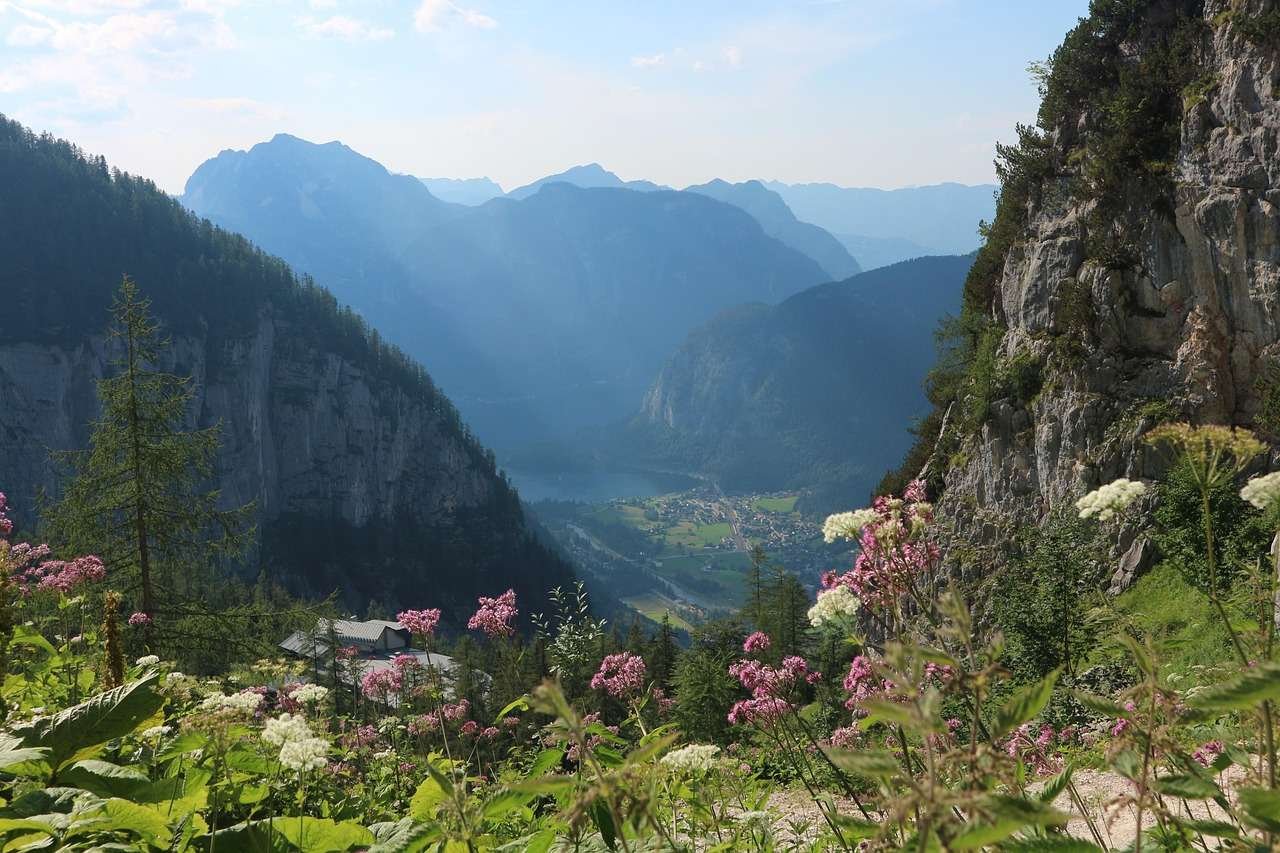
No country is objectively the world’s most beautiful, but Italy, Japan, New Zealand, Norway, Switzerland, Greece, Peru, and the other destinations in this 15-country shortlist offer unusually strong combinations of scenery, culture, and workable routes. The best choice depends on your preferred landscapes, season, budget, and tolerance for long travel days.
How to use this article: Check how the shortlist works, begin with the European standouts, read what the UNESCO totals do and do not mean, or use the fast match by trip style.
How We Chose the “Most Beautiful Countries to Travel To”
Beauty cannot be proved by a dataset. UNESCO does not rank attractive countries, a transport index cannot measure emotional impact, and a peace ranking cannot tell you how a particular street, trail, or road will feel on the day you visit.
Those sources still provide useful context when their limits are respected. The shortlist therefore combines editorial judgment about place with evidence about heritage, tourism infrastructure, and broad national conditions.
How the shortlist works
Each country was considered through five practical questions:
- Scenic range: Does the country offer a strong mix of mountains, coasts, forests, deserts, lakes, islands, or other distinctive landscapes?
- Cultural depth: Can natural scenery be paired with historic places, living traditions, architecture, food, and local identity?
- Route quality: Can a traveler connect several worthwhile places without spending most of the trip in transit?
- Seasonal range: Does the destination reward travel in more than one season, or offer a clear window for a particular kind of trip?
- Planning reality: Are transport, accommodation, visitor information, and access workable for the intended route?
No numerical “beauty score” is used. Assigning precise weights would create false accuracy because these factors are not interchangeable: a traveler who wants quiet wilderness will value them differently from someone who wants historic streets, rail travel, or tropical islands.
What the data can—and cannot—tell us
The UNESCO World Heritage List identifies cultural and natural properties judged to have outstanding universal value. It helps show heritage breadth, but a country’s raw total is not a measure of beauty, site quality, or how easy those places are to visit.
The World Economic Forum’s Travel & Tourism Development Index 2024 compares conditions that support tourism development. The United States, Spain, Japan, France, Australia, Germany, the United Kingdom, China, Italy, and Switzerland formed its top ten, but the index is broader than visitor convenience and should not be read as a ranking of vacations.
The Global Peace Index 2026 supplies country-level context about peacefulness. It is useful as one background signal, not as a substitute for current destination advisories, local weather alerts, or route-specific judgment.
15 Beautiful Countries Worth Traveling For
These countries are numbered only to make the list easier to scan. The order is regional, not a claim that one country is universally more beautiful than the next.
Europe standouts
- Italy — The Dolomites, northern lakes, Tuscan hills, Amalfi Coast, volcanic south, and art-rich cities give Italy exceptional variety without requiring a continent-scale itinerary. Rail works well for a Venice–Florence–Rome route, while the mountains, smaller hill towns, Sicily, Sardinia, or Puglia are better treated as focused extensions. Italy is the strongest all-rounder here for travelers who want scenery and built heritage in the same trip.
- Switzerland — Alpine ridges, glacier-fed lakes, compact cities, and panoramic railways make Switzerland unusually efficient for mountain scenery. Lauterbrunnen, the Bernese Oberland, Zermatt, the Engadin, and Lake Lucerne can support very different trips. The tradeoff is cost: route concentration is excellent, but accommodation, mountain transport, and dining can make an improvised itinerary expensive.
- Norway — Western fjords, high plateaus, waterfalls, Arctic islands, and long summer light give Norway a scale that feels different from the Alps. The scenery is not as compact as a map may suggest; roads curve around water and mountains, ferries matter, and northern Norway can require a separate flight or a long overland journey. Choose one region rather than trying to collect every famous viewpoint.
- Greece — Greece is more than white Cycladic villages. The mainland adds Meteora’s rock pillars and monasteries, the Pindus Mountains, the Peloponnese, and major archaeological landscapes, while different island groups have their own terrain and architecture. Late spring and early fall often suit travelers who want coastal color without building the entire trip around peak-summer heat and crowds.
- France — France combines the Alps and Pyrenees with Atlantic headlands, Mediterranean coves, vineyard landscapes, river valleys, rural villages, and major cities. Its advantage is choice rather than one signature view. A rail-centered city trip, a Provence base, an Alpine week, and a Brittany road trip would all reveal different versions of the country.
Asia–Pacific gems
- Japan — Japan pairs temple towns, dense modern cities, forested mountains, volcanic landscapes, and long coastlines with one of the world’s most useful intercity rail systems. Spring blossoms and autumn color are major draws, but timing moves by latitude, elevation, and weather. Japan placed third in the 2024 TTDI, which supports its reputation for strong tourism infrastructure without turning that index into a beauty ranking.
- New Zealand — Fiords, alpine lakes, volcanic plateaus, beaches, native forest, and geothermal landscapes create remarkable range across two main islands. The South Island is strongest for a mountain-and-road itinerary; the North Island adds Māori culture, volcanic terrain, and warmer coastal areas. The country rewards realistic drive times, so use a focused route rather than treating every pin on the map as a day trip. GeographyPin’s New Zealand country profile adds broader geographic context.
- Indonesia — Indonesia offers volcanic ridges, rice terraces, tropical forests, reefs, beaches, and highly distinctive local cultures. Its scale is also the central planning challenge. Bali, eastern Java, Komodo and Flores, Sumatra, or Sulawesi can each anchor a separate trip; trying to combine distant islands quickly can turn scenic ambition into airport time.
- Vietnam — Northern karst landscapes and terraced highlands, the long central coast, imperial Huế, Hội An, and the waterways of the south give Vietnam a strong culture-and-landscape balance. Climate differs sharply between north, center, and south, so a good national route depends on the month. Travelers with limited time are often better served by one or two regions than a rushed end-to-end itinerary.
- Australia — Australia’s reef systems, tropical north, red interior, temperate forests, surf coasts, and large cities offer enormous variety. That variety is separated by enormous distances. The most satisfying scenic trips are usually regional: Tasmania, the Great Ocean Road and Victoria, the Red Centre, tropical Queensland, Western Australia, or a tightly planned combination linked by flights.
Americas and Africa icons
- Canada — The Canadian Rockies, Pacific coast, Atlantic provinces, northern landscapes, forests, and lake regions make Canada one of the strongest choices for large-scale nature. Its beauty is spread across a vast country, so Banff and Jasper, coastal British Columbia, Québec, or the Atlantic provinces should be treated as different trip concepts rather than stops on one ordinary vacation.
- Peru — Peru layers Pacific desert, Andean peaks, high plateaus, cloud forest, Amazonian lowlands, and archaeological landscapes. Cusco, the Sacred Valley, and Machu Picchu form the classic route, but altitude and advance reservations affect the pace. Build in acclimatization time instead of treating high-elevation stops like ordinary city breaks.
- United States — Few countries match the United States for geographic range: Arctic tundra, subtropical wetlands, volcanic islands, high mountains, red-rock deserts, temperate rainforests, and long coastlines all appear within one national system. That does not make them close together. A Southwest parks loop, Pacific Northwest trip, New England fall route, Alaska journey, or Hawaiian island stay works better than a checklist spanning the country.
- South Africa — Table Mountain, the Cape Peninsula, the Garden Route, semi-arid interior, Drakensberg escarpment, and wildlife reserves create one of the list’s broadest combinations of coast, mountains, and animals. Route planning should account for regional weather, long driving segments, and local security conditions rather than assuming one national pattern.
- Morocco — Morocco brings together Atlantic and Mediterranean coasts, historic medinas, the Rif and High Atlas, palm valleys, earthen architecture, and Saharan-edge dune landscapes. Marrakech, the High Atlas, and the southeast can make a coherent route, while Fez, Chefchaouen, and the north form another. Desert heat and mountain cold can occur within the same broader trip, so season and elevation matter.
UNESCO-Rich Countries at a Glance
UNESCO listings are not a beauty contest, but they are useful evidence of how much internationally recognized cultural and natural heritage a country contains. The table preserves the original article’s comparison while correcting its interpretation: these are raw state-party totals, not “heritage density.”
How to read the heritage counts
The totals below are the figures displayed on UNESCO’s official state-party pages when checked on July 25, 2026. Counts can change when the World Heritage Committee inscribes, extends, or delists properties, and a transnational property can be associated with more than one participating country.
| Country | Properties listed | Travel-planning value |
|---|---|---|
| Italy | 61 | A broad spread of historic centers, archaeological places, cultural landscapes, and natural properties. |
| China | 61 | Exceptional range, but large distances mean the national total cannot be experienced as one compact route. |
| Germany | 55 | Many urban, industrial, archaeological, and cultural-landscape sites can be combined by rail. |
| France | 54 | Historic cities and monuments sit alongside cultural landscapes and natural properties across several regions. |
| Spain | 50 | Strong rail-linked city heritage is complemented by archaeological, island, and natural properties. |
A larger total does not mean a better trip. Distribution, access, conservation rules, opening conditions, and the traveler’s interests matter more than the headline number.
Best Time to Visit by Region
There is no reliable “best month” for countries that stretch across several climate zones. Treat the windows below as starting points, then check the specific cities, parks, islands, elevations, and activities on your route.
Seasonal starting points
| Destination group | Useful starting window | Main caution |
|---|---|---|
| Italy, Greece, and France | May–June or September–October for many city-and-coast routes | Mountain conditions, island transport, harvest periods, and southern heat vary by place. |
| Switzerland, Norway, Canada, and U.S. mountain regions | Late June–September for many hiking and high-road trips; winter for snow travel | Snow can close higher routes beyond the calendar season, while wildfire smoke can disrupt some summer regions. |
| Japan | Spring for blossoms or October–November for autumn color in many central areas | Bloom and foliage dates move by latitude, elevation, and annual weather; consult current regional forecasts. |
| New Zealand and southern Australia | October–April for many road and outdoor itineraries | December–February is summer and can be busy; alpine and tropical areas follow different patterns. |
| Indonesia and Vietnam | Choose dates after selecting the exact island or region | Monsoon timing is not uniform across either country, and a national “dry season” can mislead. |
| Peru | May–September is a common starting point for a drier Andean route | The Pacific coast and Amazonian lowlands follow different weather patterns; altitude remains relevant in every season. |
| South Africa | November–March for many Cape-focused trips; June–August for many safari plans | The Western Cape’s winter-rain pattern differs from much of the country, so a combined route needs regional checks. |
| Morocco | March–May or September–November for many city, mountain, and desert-edge routes | Day–night temperature swings and elevation can matter more than a national monthly average. |
Japan’s national tourism organization publishes region-specific weather and seasonal information, while New Zealand’s official tourism guidance confirms that its summer runs from December through February. South African Tourism separately distinguishes Cape travel from the drier winter safari pattern—good examples of why country-wide advice needs regional interpretation.
Practical Planning: Safety, Costs, and Sustainability
Safety is more local than a country ranking
New Zealand, Switzerland, and Japan were among the ten highest-ranked countries in the 2026 Global Peace Index. That is relevant context, but it does not measure every risk a traveler faces. Crime can vary by neighborhood, mountain roads can close, extreme weather can disrupt parks, and conditions can change after any annual index is published.
U.S. travelers should check the U.S. Department of State’s destination advisories and the CDC destination pages shortly before departure. Other travelers should use their own government’s guidance as well. If you are going alone, GeographyPin’s guide to solo travel destinations focuses more directly on transport, social ease, and practical risk.
Build a route budget, not a country-wide daily promise
Static daily budgets age quickly and can hide the expense that actually shapes a scenic trip. A Swiss rail-and-mountain itinerary, a Norwegian ferry route, an Indonesian island transfer, and a Peru trek distribute costs in completely different ways.
Price these six lines before deciding that one country is affordable or expensive:
- Accommodation, including taxes and resort or city fees
- Intercity trains, domestic flights, ferries, or car rental
- Fuel, tolls, parking, and one-way vehicle charges where relevant
- Local transport and airport transfers
- Timed-entry attractions, park fees, guides, and required permits
- Insurance and a contingency allowance for weather or schedule changes
Use live prices from official transport operators, park authorities, and the accommodation you would genuinely book. The route—not the national average—determines whether the trip fits your budget.
Fast match by trip style
| Priority | Strong matches | Planning note |
|---|---|---|
| Scenery plus historic cities | Italy, Japan, France, Morocco, Peru | Best when the route connects a few strong bases instead of changing hotels every night. |
| Alpine or fjord landscapes | Switzerland, Norway, New Zealand, Canada | Weather, elevation, road openings, and mountain transport shape the itinerary. |
| Islands and coastlines | Greece, Indonesia, Australia, Vietnam | Ferry or flight frequency and regional rainy seasons matter more than country averages. |
| Large road-trip landscapes | United States, Canada, Australia, New Zealand, Norway, South Africa | Limit the route to one region and calculate real driving time before booking. |
| Seasonal photography | Japan, Italy, New Zealand, Peru, Morocco | For a more specialized comparison, see GeographyPin’s top countries for photography. |
Table downloads (3)
- UNESCO World Heritage properties by state party, checked July 25, 2026 (6 × 3)View tableDownload CSV
- Useful planning windows for the destinations in this shortlist (9 × 3)View tableDownload CSV
- Which countries best match the trip you want? (6 × 3)View tableDownload CSV
Lower-impact planning that also improves the trip
A slower route is often both more responsible and more enjoyable. Use rail or ferries where they fit the geography, stay several nights in each base, avoid unnecessary domestic hops, follow marked trails, and respect timed-entry or conservation rules at protected places.
Do not assume every landscape is an unrestricted viewpoint. Drone rules, fire restrictions, wildlife distances, sacred-site expectations, water conditions, and trail closures can change by place and season. Check the responsible authority for the exact park, monument, beach, or cultural site rather than relying on a country-wide travel summary.
Frequently Asked Questions
What is the most beautiful country in the world to visit?
There is no objective winner. Italy is a strong all-round choice for scenery, historic cities, and route efficiency; New Zealand and Norway are stronger for landscape-first trips; Japan stands out for seasonal contrast, culture, and transport.
Which country currently has the most UNESCO World Heritage properties?
Italy and China were tied at 61 properties on UNESCO’s official state-party pages when checked on July 25, 2026. Counts can change after World Heritage Committee decisions, and the total should not be treated as a beauty ranking.
Which countries on this list are easiest for a first major international trip?
Italy, Japan, and Switzerland combine clear visitor infrastructure with strong rail-based routes, while New Zealand is a practical choice for travelers comfortable with self-driving. The easiest option still depends on language, budget, flight access, and whether you prefer trains or a car.
Which choices combine dramatic nature with high peacefulness?
New Zealand and Switzerland combine major mountain scenery with top-ten positions in the 2026 Global Peace Index; Japan also appears in that top ten. Use current official travel advice for the actual route because an annual national index does not replace destination-specific risk information.
What is the best month for a scenic international trip?
No single month works worldwide. May, June, September, and October suit many temperate destinations, but Japan’s seasonal color, New Zealand’s Southern Hemisphere seasons, tropical monsoons, Andean rainfall, and South Africa’s regional patterns require separate timing.
What Did We Learn Today?
The most beautiful country is not a measurable title: the useful question is which country combines the scenery, culture, season, route, and pace you want. Italy and Japan are strong mixed trips, New Zealand and Norway favor landscape-led travel, and every large or climatically diverse country becomes easier to enjoy when you plan one coherent region instead of chasing a national checklist.
Sources & Data Notes
The principal references used for this update were the UNESCO World Heritage Centre and its state-party pages, the World Economic Forum’s Travel & Tourism Development Index 2024, the Institute for Economics & Peace’s Global Peace Index 2026, U.S. Department of State travel guidance, CDC Travelers’ Health, and official destination guidance from Japan, New Zealand, and South Africa. UNESCO counts are a July 25, 2026 snapshot and may change after later committee decisions; seasonal windows are planning ranges rather than weather guarantees. This article was prepared and editorially reviewed by Zurab Koniashvili (Z.K. Atlas), who completed the final factual checks and publication approval. AI tools may have assisted during the editorial process, including with language refinement and the creation or editing of visual materials.