Category: Places

Explore the world by location. Start with the six continents, then dive into countries and cities for maps, facts, and focused case studies. Each place page links to related topics—landforms, climate, culture, economy, and travel tips—so you can see how geography works on the ground.

Top Countries for Off-the-Beaten-Path Travel

14 mins read

Some countries still give you that older travel feeling: more space, stronger local texture, and fewer places built mainly for the tourism machine. This list focuses on countries where the landscapes are memorable, the cultural identity feels intact, and the experience still tends to feel less packaged than in the usual global hotspots. What’s the […]

Read more

Most Beautiful Countries to Travel To in 2026

9 mins read

Picture snow-dusted peaks dropping into turquoise fjords, jungle valleys stitched with rice terraces, ancient stone lanes that open onto sunlit piazzas. This guide curates the most beautiful countries to travel to in 2026—balancing scenery, culture, safety, and ease—so you can plan a trip that looks breathtaking and feels effortless. What are the most beautiful countries […]

Read more

Travel to Edinburgh

11 mins read

Edinburgh fits best as a compact city break rather than a rushed stop on a longer route. Most people searching this topic are really trying to answer a handful of practical questions at once: when to go, where to stay, how to get in from the airport, and whether the city needs two days or […]

Read more

Capital of Canada: Ottawa

6 mins read

Canada’s political heart beats in Ottawa—set where the Ottawa and Rideau rivers meet, about 124 miles (200 kilometers) west of Montréal and 280 miles (450 kilometers) northeast of Toronto. Since the late 1800s, Parliament Hill’s Gothic spires have symbolized a country built on compromise, bilingualism, and a frontier spirit shaped by forests, waterways, and winter. […]

Read more

Mestia, Georgia

7 mins read

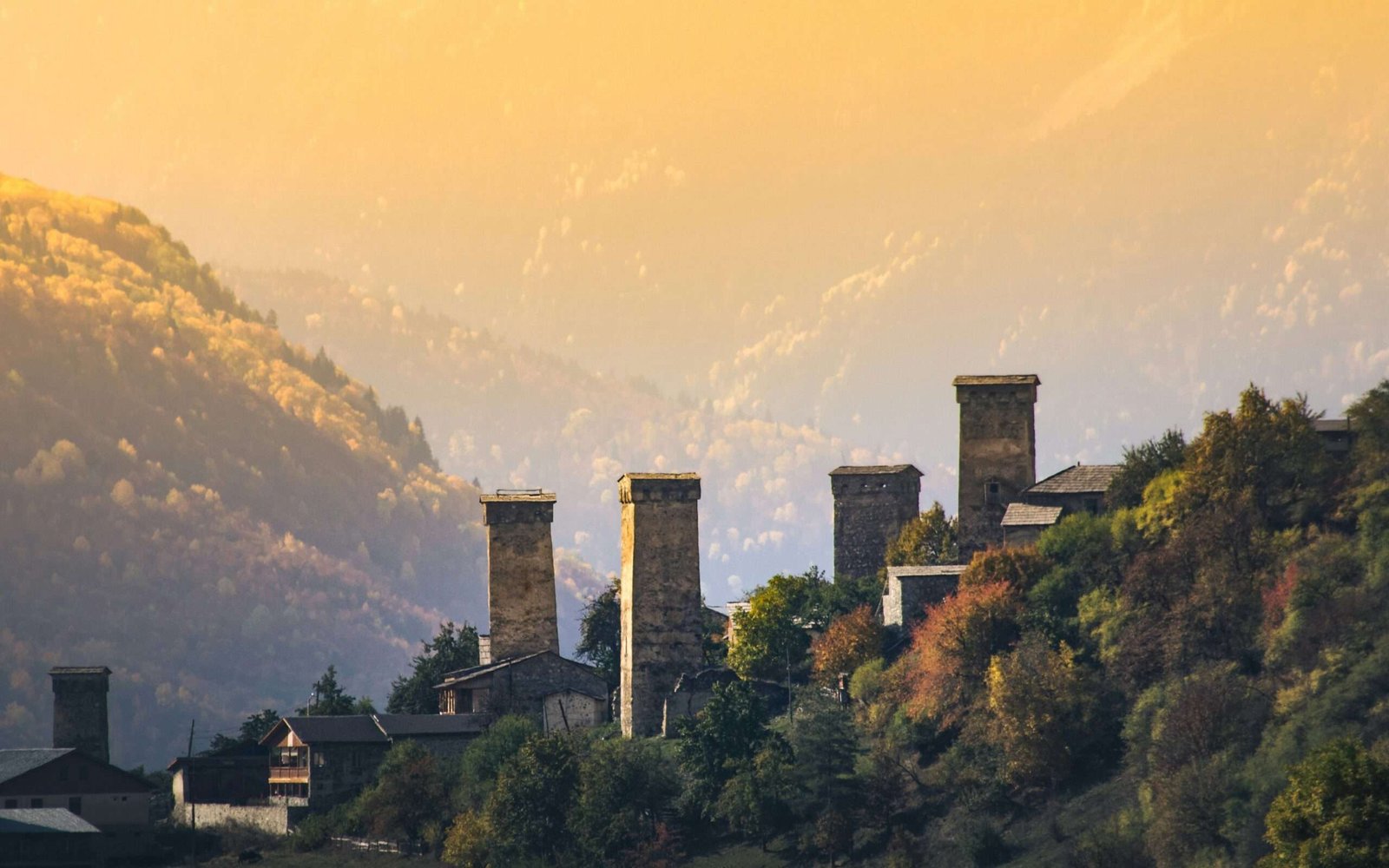
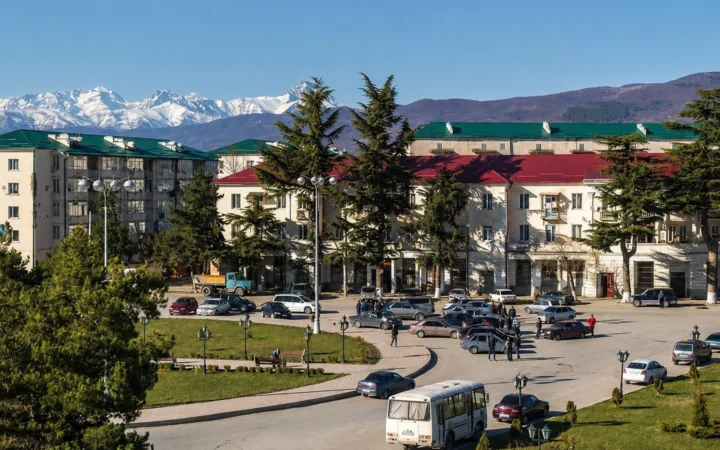
Nestled deep in Georgia’s Caucasus Mountains, Mestia (მესტია) is the small highland hub of Upper Svaneti — a place of stone towers, glacier-fed rivers, airy ridgelines, and living traditions. It sits about 4,921 feet (1,500 meters) above sea level, with Svan communities spread along the Enguri River valleys and remote hamlets like Ushguli further up […]

Read more

Why People Float in the Dead Sea (and How It Works)

8 mins read

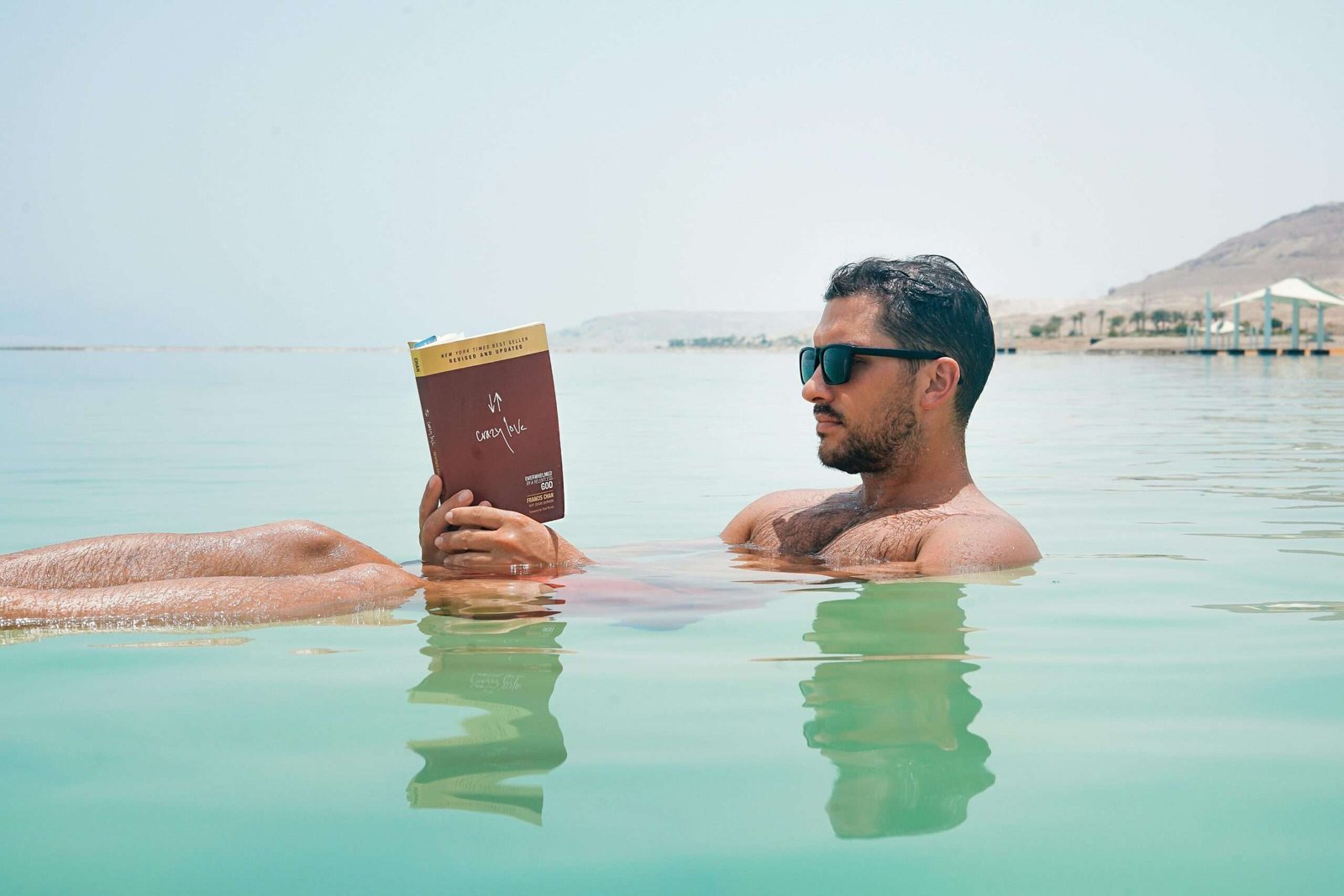
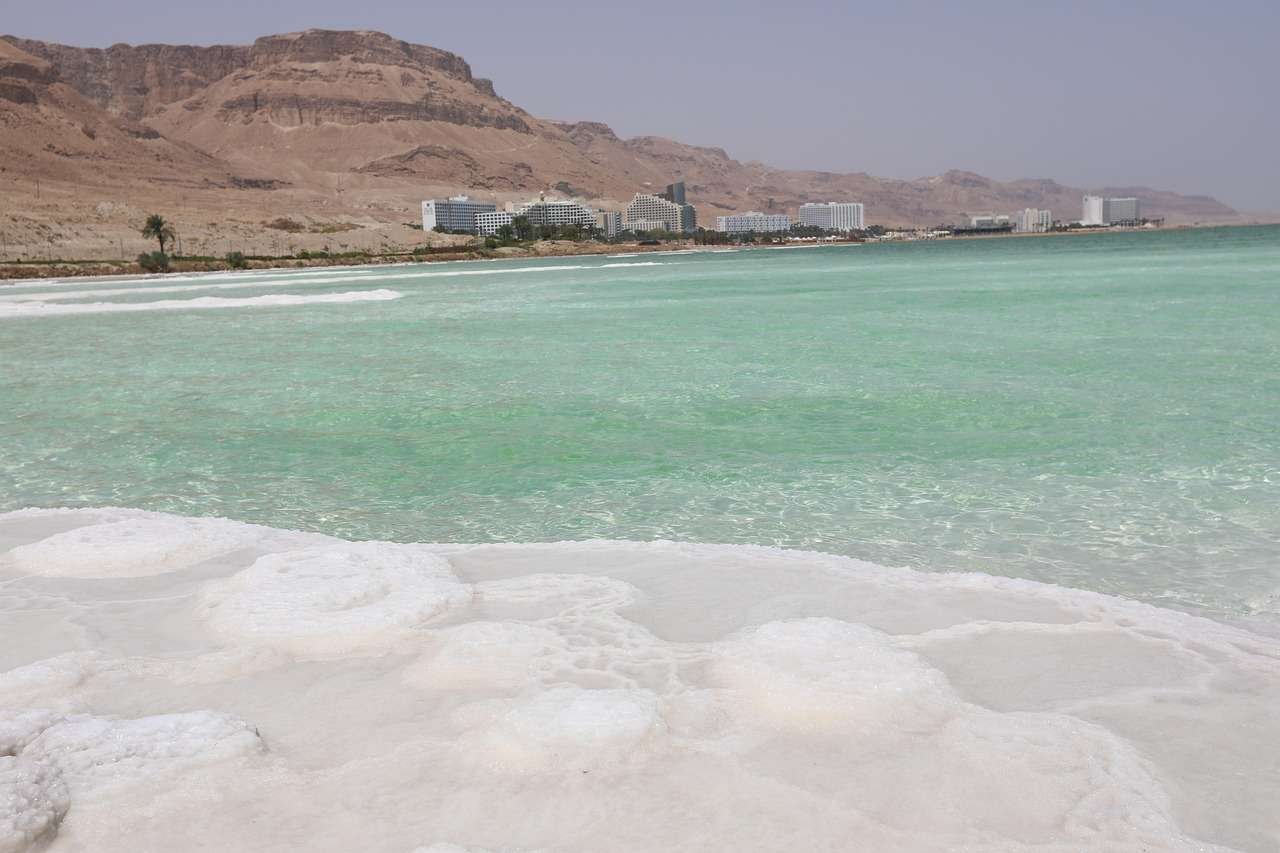
The Dead Sea is famous for a simple, almost magical moment: you lean back and—without kicking—you bob to the surface like a cork. Sitting in the Jordan Rift Valley at roughly 1,410 ft (430 m) below sea level, this hypersaline lake lets nearly everyone float with zero effort thanks to its unusual chemistry and physics. […]

Read more

Which Mineral Is the Dead Sea Rich In? Composition & Benefits

8 mins read

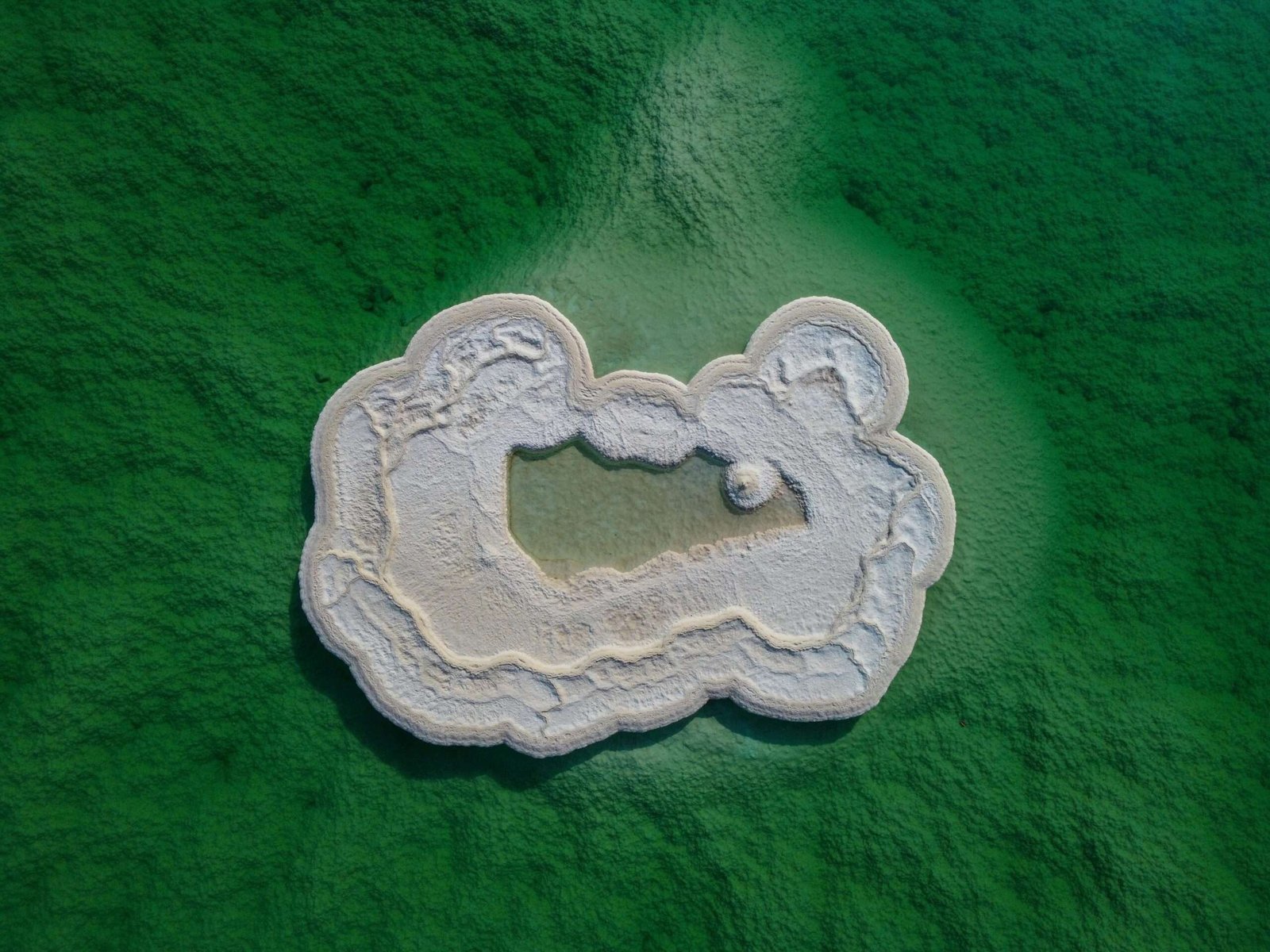
The Dead Sea, straddling Israel, the West Bank, and Jordan, is famous for water so dense you float without trying. Beyond the fun photo, its chemistry is unique: unlike normal seas dominated by table salt (sodium chloride), the Dead Sea is loaded with other minerals that shape its feel, buoyancy, and uses (as of 2025). […]

Read more

Is Armenia in Europe or Asia

6 mins read

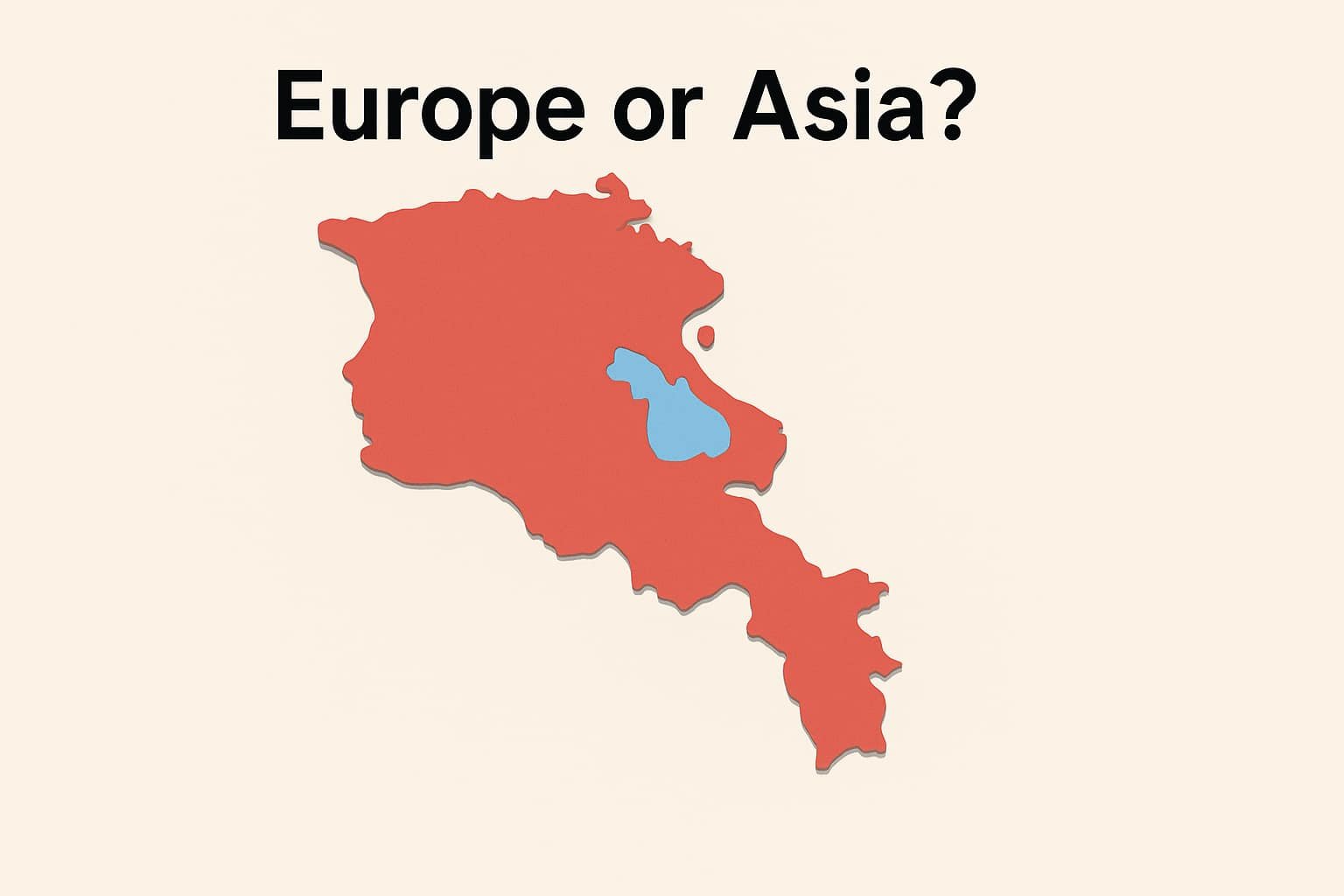
Ask any two atlases this question and you may get two different answers. Armenia sits in the South Caucasus, a mountainous land bridge between the Black Sea and the Caspian Sea. Geographers, historians, and institutions use slightly different rules to place it—by land it’s West Asian; by institutions and culture it leans strongly European. (As […]

Read more

South Ossetia

7 mins read

South Ossetia is a small, mountainous territory in the central Greater Caucasus. It lies entirely within Georgia’s internationally recognized borders, yet has been under the control of de facto authorities closely aligned with Russia since armed conflicts in the early 1990s and in August 2008. Its capital is Tskhinvali, about 62 miles (100 kilometers) northwest […]

Read more

What Is the Primary Reason the Dead Sea Is Known for Its High Salinity?

8 mins read

The Dead Sea sits in the Jordan Rift Valley at roughly 1,443 feet (440 meters) below sea level, making it Earth’s lowest exposed land. It has no natural outlet to the ocean, yet sunlight and desert heat take water away every day. What stays behind are salts—year after year—so the brine grows ever denser and […]

Read more