The most famous Greek islands are not all famous for the same reason. Some built their reputation on volcanic scenery and whitewashed cliff villages, some on nightlife, and others on a deeper mix of beaches, history, and easier all-round travel. For a 2026 shortlist, the safest starting point is still Santorini and Mykonos, then Crete, Corfu, Rhodes, and Zakynthos depending on the kind of island trip you actually want.
The most famous Greek islands are Santorini and Mykonos, with Crete, Rhodes, Corfu, and Zakynthos close behind as broader crowd-pleasers. For a 2026 trip, those names still cover the best-known mix of caldera views, nightlife, major heritage sites, greener Ionian scenery, and classic beach escapes.
How to use this article: Start with what makes these islands famous if you want the short logic behind the list, jump to Santorini vs Mykonos for the biggest split, use the fast comparison table for quick decisions, or go straight to the best season window if timing is your main question.
Most Famous Greek Islands at a Glance
What makes these islands famous
“Most famous” does not just mean “most beautiful.” It usually means an island has a strong visual identity, a reputation that travels well internationally, and one or two instantly recognizable experiences attached to its name. In Greece, that is why Santorini and Mykonos dominate the global shortlist, while Crete, Corfu, Rhodes, and Zakynthos stay highly visible as bigger or more varied alternatives.
Why the list goes beyond Santorini and Mykonos
Greece has thousands of islands, islets, and rocky islets, but only a small share are inhabited, and the famous names are spread across very different island groups. The Cyclades supply the classic white-and-blue Aegean image, the Ionian Islands lean greener and softer, and islands such as Rhodes and Crete add heavier historical weight and larger interior landscapes. That is why a serious “top picks” list cannot stop at only two names.
Practical takeaway: if you want the postcard version of Greece, start in the Cyclades; if you want more room to roam, stronger regional variety, or a less one-note trip, look hard at Crete, Corfu, Rhodes, or Zakynthos.
Iconic Cyclades Islands
Santorini and Mykonos: the two names everyone knows
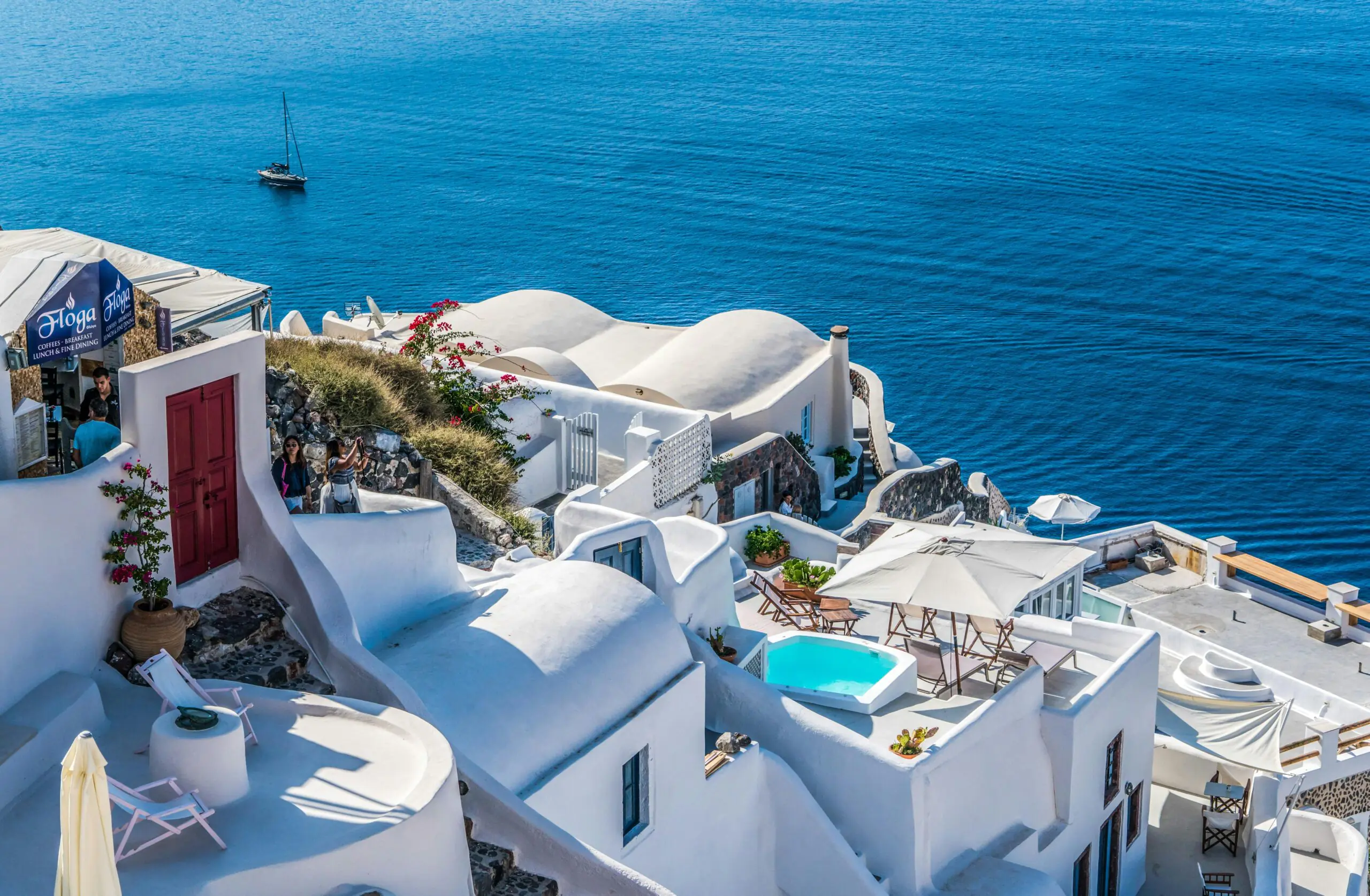
Santorini and Mykonos sit at the center of Greek-island fame, but they are famous for different reasons. Santorini is the dramatic one: caldera edges, cliff villages, volcanic history, and sunset viewpoints that look almost unreal. Mykonos is the social one: windmills, waterfront lanes, beach clubs, polished nightlife, and a stronger cosmopolitan party image. If you only remember two Greek islands by name, it is usually these two.
Santorini
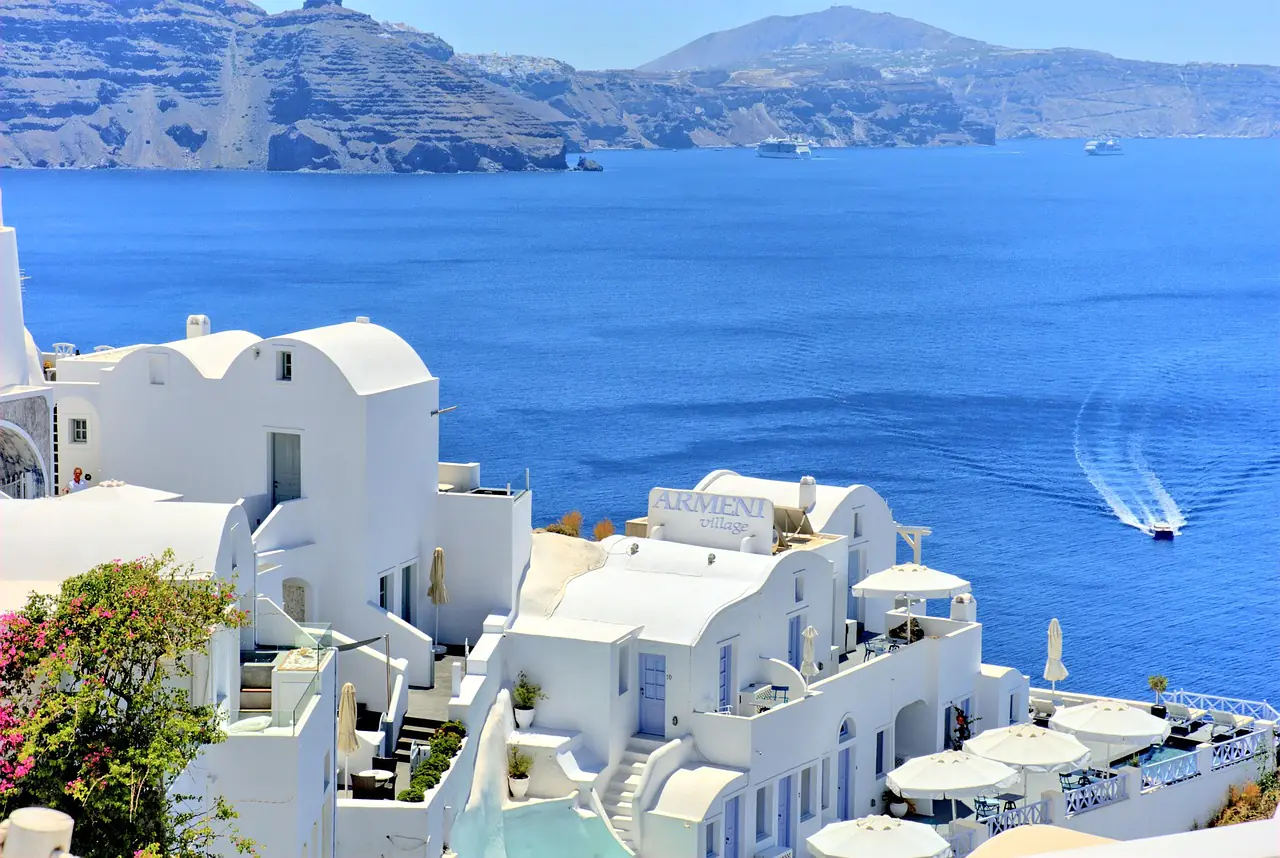
Santorini, also known as Thira, remains the island people picture when they think of dramatic Greek scenery. Its signature look comes from the caldera and the cliff-built settlements of Fira, Oia, Imerovigli, and nearby villages, while Akrotiri adds a real archaeological layer rather than just scenery. It is the strongest pick for couples, first-time Greece dream trips, and travelers who care more about atmosphere and viewpoints than about sandy-beach variety.
- Best known for: caldera views, sunset terraces, volcanic character, and photogenic villages.
- Works best for: short stays, romantic trips, and travelers who do not mind paying for location.
- Keep in mind: the fame is earned, but peak-season crowding is real.
Mykonos
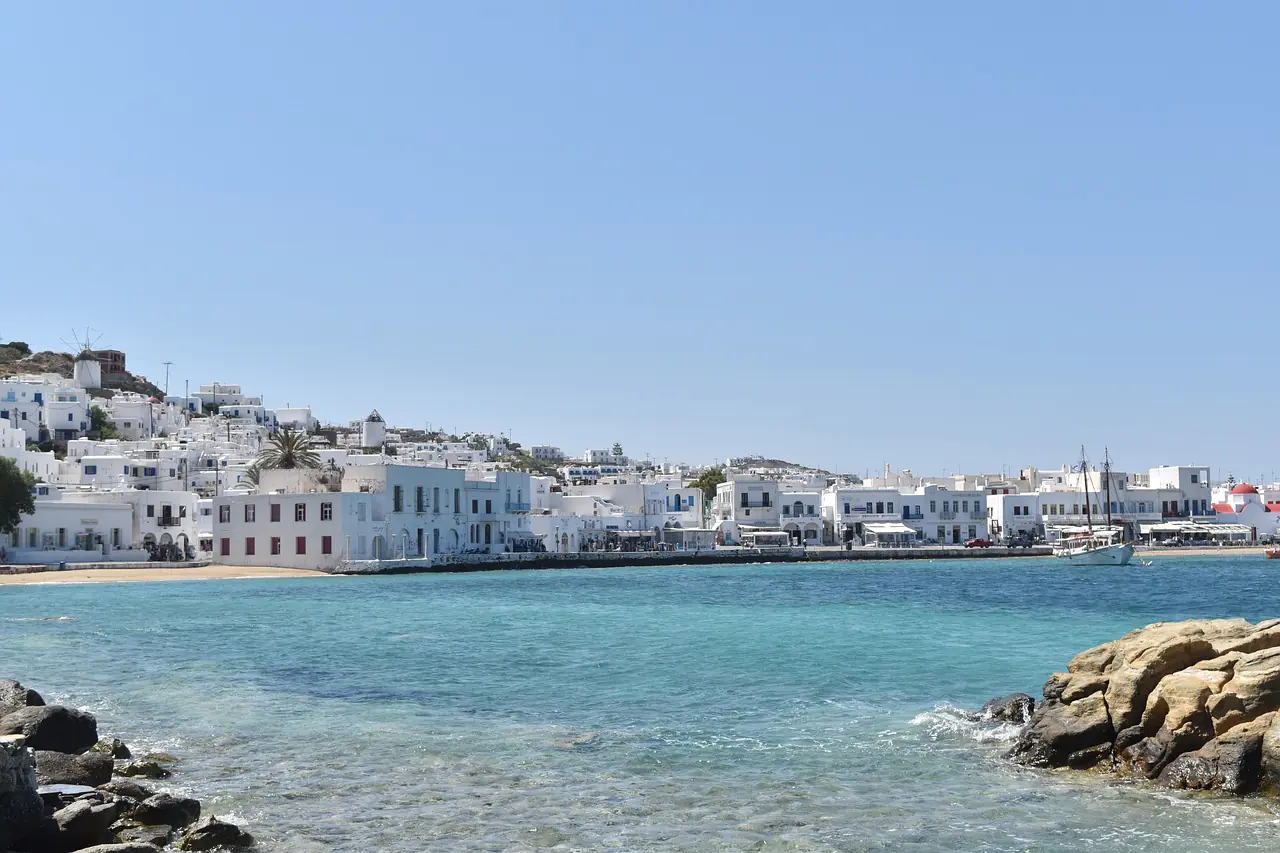
Mykonos keeps its status because it is instantly recognizable and relentlessly social. The windmills, Little Venice, whitewashed lanes, and beach-club culture give it a stronger nightlife identity than almost any other Greek island, yet it also works for travelers who want design hotels, polished dining, and easy access to Delos for a day trip with historical depth.
- Best known for: nightlife, beach clubs, windmills, and a high-energy summer scene.
- Works best for: friend groups, short stylish breaks, and travelers who like late evenings.
- Keep in mind: it is not only a party island, but that reputation is a major part of why it is so famous.
Naxos & Paros
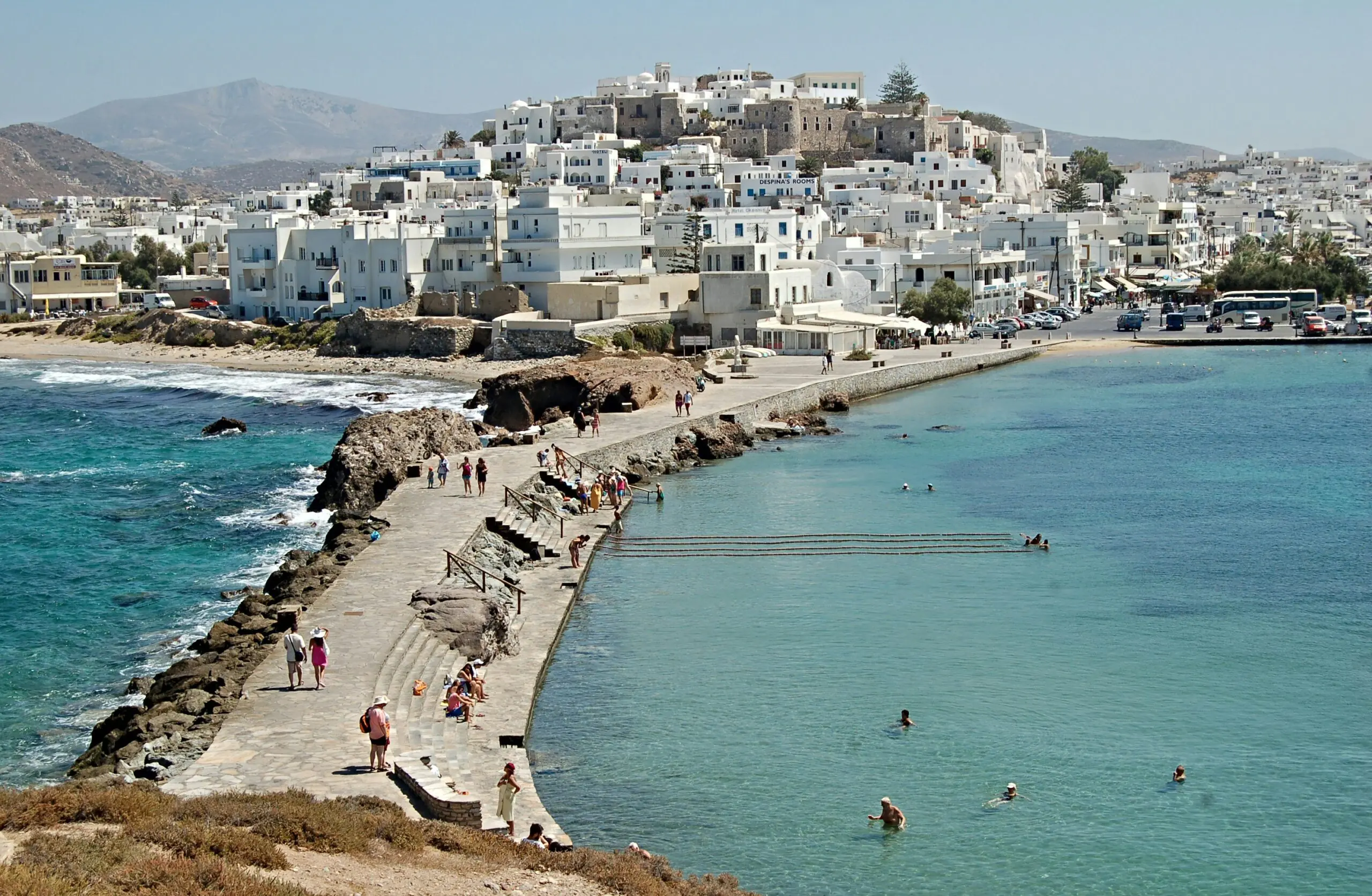
Naxos and Paros are not usually the first two names in the global fame race, but they matter because they often become the smarter add-on once Santorini or Mykonos has done the headline work. Naxos offers a broader, more grounded island feel with good beaches and village depth, while Paros balances polished harbor towns with a lighter, easier Cycladic rhythm. For many travelers, they are where the trip starts feeling less performative and more lived-in.
Beyond the Cyclades: Crete, Corfu, Rhodes, and Zakynthos
Crete
Crete is Greece’s largest island and the one that behaves least like a small island break. It combines major archaeological weight, mountain interiors, long road-trip potential, strong regional food culture, and beaches that vary sharply from one coast to another. If Santorini and Mykonos are famous in a concentrated way, Crete is famous because it can carry an entire trip by itself.
Best for: travelers who want history, driving freedom, village food, and enough scale to stay busy for a week or more.
Corfu
Corfu stands apart because it looks and feels different from the classic Cycladic stereotype. Its reputation rests on a greener Ionian setting, an old town shaped by Venetian and later influences, and a softer visual palette of coves, olive groves, and historic facades. It suits travelers who want a famous island without the stark volcanic or party-heavy image.
Best for: mixed-age trips, scenic drives, old-town wandering, and travelers who prefer a lusher island atmosphere.
Rhodes
Rhodes stays famous because it delivers both beach appeal and one of the strongest historical urban cores in the Greek islands. Its medieval city, fortification legacy, and broader Dodecanese setting give it a different tone from the Cyclades, while the island still works well for straightforward summer holiday planning. It is a strong middle ground if you want famous, practical, and historically substantial at the same time.
Best for: travelers who want a famous name with a heavier built-history component and an easy beach-history split.
Zakynthos
Zakynthos is one of the best-known Ionian islands largely because of its coast imagery: white cliffs, blue water, sea caves, and the global recognition of Navagio views. That fame is visual first, but the island also has greener interiors and a broader beach holiday appeal than many people expect. If your shortlist is driven by dramatic sea color and quick visual payoff, Zakynthos belongs on it.
Best for: scenic boat days, high-impact coastlines, and travelers who want a famous island with a greener frame.
A Fast Comparison of the Top Picks
A fast island-by-island comparison
| Island | Best known for | Overall feel | Strongest fit | Broad best season window |
|---|---|---|---|---|
| Santorini | Caldera views and cliff villages | Dramatic, compact, high-visibility | Romantic stays and first-time dream trips | Late spring and early autumn |
| Mykonos | Nightlife, windmills, social energy | Stylish, busy, late-night | Friends, short breaks, beach-club trips | Late spring and early autumn |
| Crete | Scale, archaeology, food, road trips | Big, varied, regionally rich | Longer stays and mixed-interest trips | Spring to early autumn |
| Corfu | Green scenery and old-town atmosphere | Lush, elegant, easier-going | Families and scenic mixed-pace travel | Late spring and early autumn |
| Rhodes | Medieval city and beach-history balance | Historic, practical, broad-appeal | Travelers wanting famous and versatile | Late spring and early autumn |
| Zakynthos | Navagio views and vivid coastal scenery | Visual, beach-led, greener than expected | Sea-focused summer escapes | Late spring to early autumn |
Best season window
The safest broad advice is still to favor late spring and early autumn, especially for Santorini and Mykonos, where the core sights are strong enough without peak-summer density. Crete and Rhodes can absorb longer stays because of their scale, while Corfu and Zakynthos often appeal most when you want greener scenery with warm-water beach weather and a slightly less compressed feel.
If you want the shortest decision rule: pick Santorini for scenery, Mykonos for energy, Crete for range, Corfu for greenery, Rhodes for history plus practicality, and Zakynthos for coast-driven visual impact.
FAQ
Which Greek island is the most famous overall?
Santorini is usually the strongest answer if you mean pure global recognition tied to a single visual image. Mykonos is close behind, especially if nightlife and luxury visibility matter as much as scenery.
Which island is best for a first trip to Greece?
Santorini is the classic first-trip headline choice, but Crete is often the more forgiving all-round option if you want beaches, food, history, and room to move without building the whole trip around one famous view.
Is Mykonos only for partying?
No, but nightlife is a major part of its public identity. Travelers also go for the townscape, beaches, shopping, dining, and Delos, yet the social-energy factor is still central to why Mykonos stays so famous.
Which famous Greek island works best for families?
Crete and Corfu are usually the safer family picks because they offer more range, more breathing room, and less dependence on one crowded hotspot. Parts of Zakynthos and Naxos also work well for a softer-paced family trip.
Can you combine these islands in one trip?
Yes, but the cleaner combinations are usually within the same broader region. Santorini, Mykonos, Naxos, and Paros pair naturally in the Cyclades, while Corfu and Zakynthos belong to a different western-island rhythm, and Crete often works better as a destination in its own right.
What Did We Learn Today?
The most famous Greek islands are famous for different reasons, not because they all offer the same trip: Santorini leads on drama, Mykonos on energy, Crete on depth and scale, Corfu on greenery and old-town charm, Rhodes on history plus ease, and Zakynthos on coastline impact, so the smartest 2026 pick depends less on fame alone than on the kind of island experience you actually want.
Sources & Data Notes
For this piece, I cross-check the core island descriptions, regional grouping, and landmark claims against official Greek tourism material and standard geography references, and I keep timing advice broad rather than pretending false precision. Any figures or labels are rounded where needed, newer releases can shift practical travel details, and some visuals or simplified comparisons on GeographyPin may be AI-assisted even when the editorial judgment and final wording are mine.