
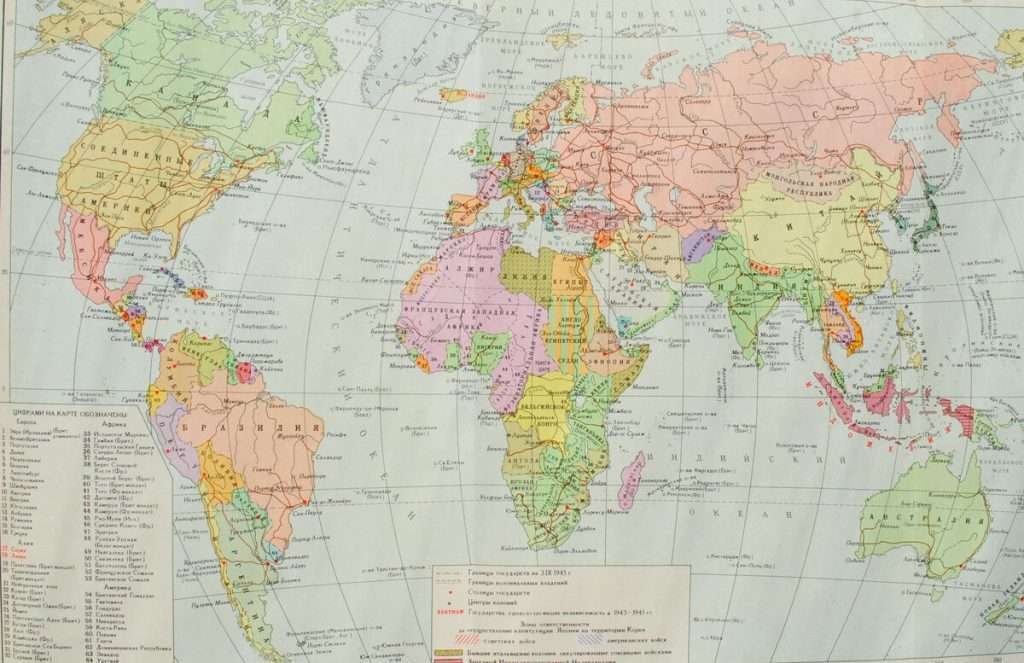
In 2025, four UN member states administer territories on the UN’s Non-Self-Governing Territories list: the United Kingdom (10), the United States (3), France (2), and New Zealand (1). Western Sahara is also on the list as a special case. Beyond the UN list, countries like Australia, Denmark, the Netherlands, and Norway retain overseas territories or dependencies (not classified as colonies by the UN).
What “colony” means today (and why terminology matters)
After decolonization, most states stopped using the term colony. The UN instead monitors Non-Self-Governing Territories (NSGTs)—places “whose people have not yet attained a full measure of self-government.” These are the core of any modern answer to “Who still has colonies?”
Separate from NSGTs, some countries have overseas departments/regions (fully integral parts of the state), overseas collectivities/dependencies (varying autonomy), freely associated states (self-governing countries linked by treaty), or Antarctic claims (frozen by treaty). These aren’t called “colonies” in law, but readers often search the topic using that term—which is why clarity and precise naming matter.
The world at a glance
This snapshot shows who administers UN-listed NSGTs and who else retains overseas territories (not on the UN decolonization list). Use it as your quick map to the landscape.
| Administering state | Status today | Examples (not exhaustive) | UN NSGT? |
|---|---|---|---|
| United Kingdom | 14 Overseas Territories (OTs); 10 on the UN list | Bermuda, Gibraltar, Falklands, Cayman, Turks & Caicos, St Helena/Ascension/Tristan, Anguilla, Montserrat, BVI; also Akrotiri & Dhekelia, BIOT, Pitcairn, South Georgia & South Sandwich, British Antarctic Territory | Yes (10) |
| United States | 5 inhabited + several uninhabited territories | Puerto Rico, Guam, US Virgin Islands, American Samoa, Northern Mariana Islands; plus Palmyra Atoll (≈1.56 sq mi / 4.04 km²), Wake, Midway, Baker, Howland, Jarvis, Johnston, Kingman, Navassa | Yes (3) |
| France | Overseas departments/regions & collectivities; 2 on the UN list | Guadeloupe, Martinique, French Guiana, Réunion, Mayotte; French Polynesia*, New Caledonia*; Wallis & Futuna, Saint Pierre & Miquelon, Saint-Martin, Saint-Barthélemy; TAAF; Clipperton | Yes (2*) |
| New Zealand | Realm state with one UN-listed territory; two states in free association | Tokelau (NSGT); Cook Islands & Niue (self-governing in free association) | Yes (1) |
| Australia | External territories (not on UN list) | Christmas, Cocos (Keeling), Norfolk, Ashmore & Cartier, Coral Sea Islands, Heard & McDonald | No |
| Denmark | Autonomous territories in the Danish Realm | Greenland, Faroe Islands | No |
| Kingdom of the Netherlands | 4 countries + 3 Caribbean public bodies | Aruba, Curaçao, Sint Maarten; Bonaire, Sint Eustatius, Saba (Caribbean Netherlands) | No |
| Norway | Dependencies/territories | Svalbard, Jan Mayen, Bouvet Island (≈19 sq mi / 49–59 km²) | No |
Countries administering UN-listed Non-Self-Governing Territories (NSGTs)
The UN maintains a live list of 17 NSGTs. In 2025, they are administered by four states (UK, US, France, New Zealand) plus Western Sahara as a special case. Source:
United Kingdom (10 NSGTs)
Anguilla; Bermuda; British Virgin Islands; Cayman Islands; Falkland Islands (Malvinas); Gibraltar; Montserrat; Pitcairn, Henderson, Ducie & Oeno; Saint Helena, Ascension & Tristan da Cunha; Turks and Caicos Islands. (The UK has 14 Overseas Territories in total; only 10 are on the UN list.) For the full OT list, see the UK’s official toponymic reference (FCDO).
United States (3 NSGTs)
American Samoa; Guam; United States Virgin Islands. The US also holds other territories (e.g., Puerto Rico, Northern Mariana Islands) and several uninhabited islands/atolls; note that Palmyra Atoll is the only incorporated US territory at ≈1.56 sq mi (4.04 km²).
France (2 NSGTs)
New Caledonia; French Polynesia. France also has overseas departments/regions (fully integral to France and the EU) and other collectivities not on the UN list.
New Zealand (1 NSGT)
Tokelau. In contrast, the Cook Islands and Niue are self-governing states in free association with New Zealand (not UN-listed colonies).
Western Sahara (special case)
Western Sahara remains on the UN list with its final status unresolved; Morocco administers most of the territory while the Polisario Front claims independence. The UN supports a negotiated solution; MINURSO’s mandate is renewed periodically.
Other countries with overseas territories (not classed as UN “colonies”)
Several countries maintain overseas territories that aren’t on the UN NSGT list. These still matter for geography, law, and travel—but they’re not treated by the UN as colonies.
Australia. External territories include Christmas Island, Cocos (Keeling) Islands, Norfolk Island, Ashmore & Cartier Islands, Coral Sea Islands, and the remote Heard & McDonald Islands in the southern Indian Ocean. Administration is split among federal departments (e.g., the Australian Antarctic Division manages Heard & McDonald). Australia also claims the Australian Antarctic Territory (subject to the Antarctic Treaty).
Denmark. The Kingdom of Denmark comprises Denmark proper plus two autonomous territories: Greenland and the Faroe Islands (both self-governing with extensive powers; Copenhagen retains defence/foreign affairs).
Kingdom of the Netherlands. Since the 2010 dissolution of the Netherlands Antilles, the Kingdom consists of four countries—Aruba, Curaçao, Sint Maarten, and the Netherlands—and three Caribbean public bodies (special municipalities) of the Netherlands: Bonaire, Sint Eustatius, and Saba (the “BES islands”).
Norway. Svalbard (under the Svalbard Treaty), Jan Mayen, and Bouvet Island (≈19 sq mi / 49–59 km², uninhabited) are Norwegian territories/dependencies with special regimes; Norway also claims Antarctic territories.
France (rest of “Outre-mer”). Beyond its two NSGTs, France’s overseas map includes five overseas departments/regions (Guadeloupe, Martinique, French Guiana, Réunion, Mayotte) and several overseas collectivities (Saint Pierre & Miquelon, Saint-Martin, Saint-Barthélemy, Wallis & Futuna), plus French Southern & Antarctic Lands and Clipperton.
United Kingdom (notes). The UK’s 14 Overseas Territories include Akrotiri & Dhekelia (sovereign base areas on Cyprus) and the British Antarctic Territory. Importantly, the Crown Dependencies—Jersey, Guernsey, and the Isle of Man—are not Overseas Territories and are self-governing possessions of the Crown.
Disputed/occupied areas & Antarctic claims vs. “colonies”
Some readers mix disputed or occupied territories with “colonies.” These categories are different. Western Sahara is the only such dispute on the UN decolonization list. Others—like the occupied Palestinian territory (Gaza Strip and West Bank, including East Jerusalem), or contested features in the South China Sea—are treated under separate legal frameworks, not as NSGTs. Likewise, Antarctic claims are held in abeyance by the Antarctic Treaty System.
FAQ
Is there a single, exact number of “colonies” left?
For UN purposes, there are 17 NSGTs in 2025. Beyond that, counts vary because some territories are integral parts of their state (e.g., French overseas departments) or have distinct constitutional setups (e.g., free-association). Treat lists that claim one “total number” with caution.
Did the “Netherlands Antilles” really still exist?
No. The Netherlands Antilles was dissolved in 2010. Today the Kingdom comprises four countries (Aruba, Curaçao, Sint Maarten, Netherlands) plus three Caribbean public bodies (Bonaire, Sint Eustatius, Saba).
Are Jersey, Guernsey, and the Isle of Man UK colonies?
No. They are Crown Dependencies—self-governing possessions of the Crown—not UK Overseas Territories, and not on the UN NSGT list.
Which countries on the UN list have the most territories?
The UK has 10 NSGTs, the US has 3, France has 2, and New Zealand has 1 (Tokelau). Western Sahara appears as a special case.
Is Puerto Rico a “colony”?
Puerto Rico is a US territory but not on the UN NSGT list. It has a distinct political status as a US unincorporated territory with its own local government; debates over statehood or other status options are ongoing.
Do Antarctic claims count?
Antarctic claims (e.g., British, Australian, Norwegian) exist, but the Antarctic Treaty freezes new claims and sets strict scientific/peaceful-use rules. These aren’t treated as colonies in the UN sense.
What Did We Learn Today?
- The UN’s working list of “modern colonies” is the 17 Non-Self-Governing Territories (as of 2025).
- Only four UN member states administer NSGTs today: UK, US, France, New Zealand; Western Sahara is listed as a special case.
- Other states (Australia, Denmark, Netherlands, Norway) retain overseas territories not classed as NSGTs.
- “Crown Dependencies” and many French overseas entities are not legally colonies; they’re integral/autonomous parts.
- Disputed/occupied zones and Antarctic claims are governed by different legal regimes—not counted as colonies.


