For a first trip to Armenia, start with Yerevan, Garni and Geghard, then choose a regional route: Lake Sevan and Dilijan for lake scenery and forest walks, Gyumri and Lori for cities and monasteries, or Areni and Tatev for a longer journey south. A week gives you a useful introduction, but it does not leave much time to explore every region.
This Armenia travel guide covers what to see, how to build a realistic itinerary, entry requirements, transport and the practical checks to make before departure. Mountain roads, sightseeing stops and winter conditions matter more than the country’s size on a map.
Planning information checked: November 10, 2026. Border advice, visa rules and transport schedules can change. Recheck the official links for your travel dates.
What to see in Armenia
Yerevan: the starting point
Give the capital at least two days rather than treating it only as an airport stop. Combine Republic Square and the central streets with the Cascade, then leave room for a museum and an unhurried meal. The Matenadaran suits an interest in manuscripts; the History Museum of Armenia provides broader historical context. Check individual opening days before choosing your museum day.
Stay centrally if you want to walk between restaurants and sights. Even then, expect slopes and stairs around the Cascade. Our guide to Yerevan, Armenia’s capital explains the city’s location and history.
Garni and Geghard: a natural day-trip pair
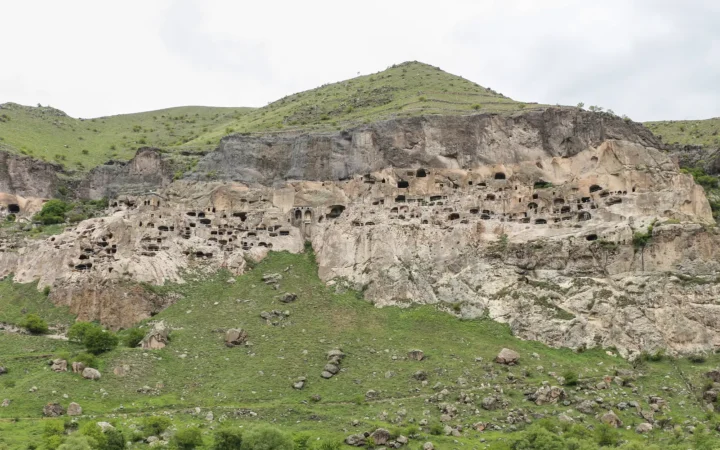
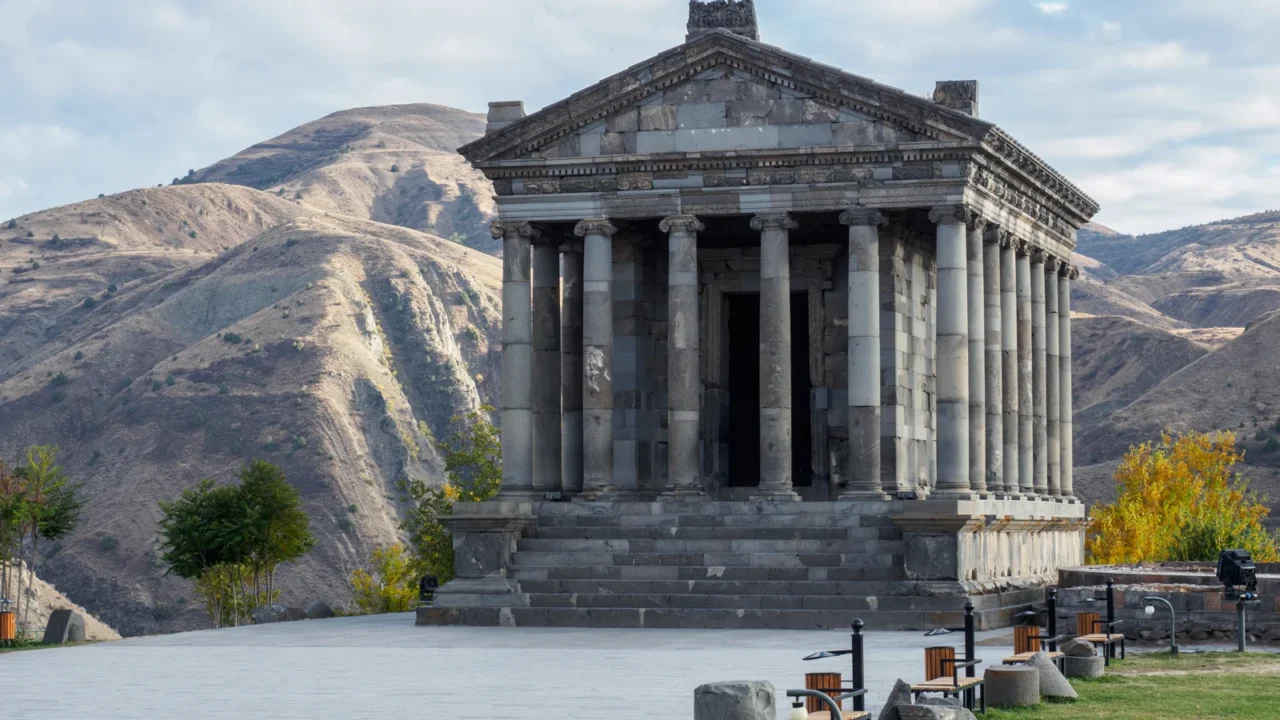
Garni’s classical temple and Geghard’s rock-cut religious spaces offer contrasting architecture on the same excursion. Add the basalt columns of the Symphony of Stones in Garni Gorge if you have time and suitable footwear. A walk in the gorge needs its own time allowance; it is not simply another stop beside the temple.
Geghard and the Upper Azat Valley form a UNESCO World Heritage property. Garni is not part of that inscription. Keep the distinction in mind when choosing a tour described as a “UNESCO day trip.”
Etchmiadzin and Zvartnots: church history near Yerevan
Vagharshapat, also widely called Etchmiadzin, and the ruins of Zvartnots make a focused excursion west of the capital. The cathedral, associated churches and archaeological site are covered by a UNESCO inscription. Visitors interested in Armenian church history should allow time to explore rather than rushing through on an airport transfer.
Lake Sevan and Dilijan: choose views or walking time
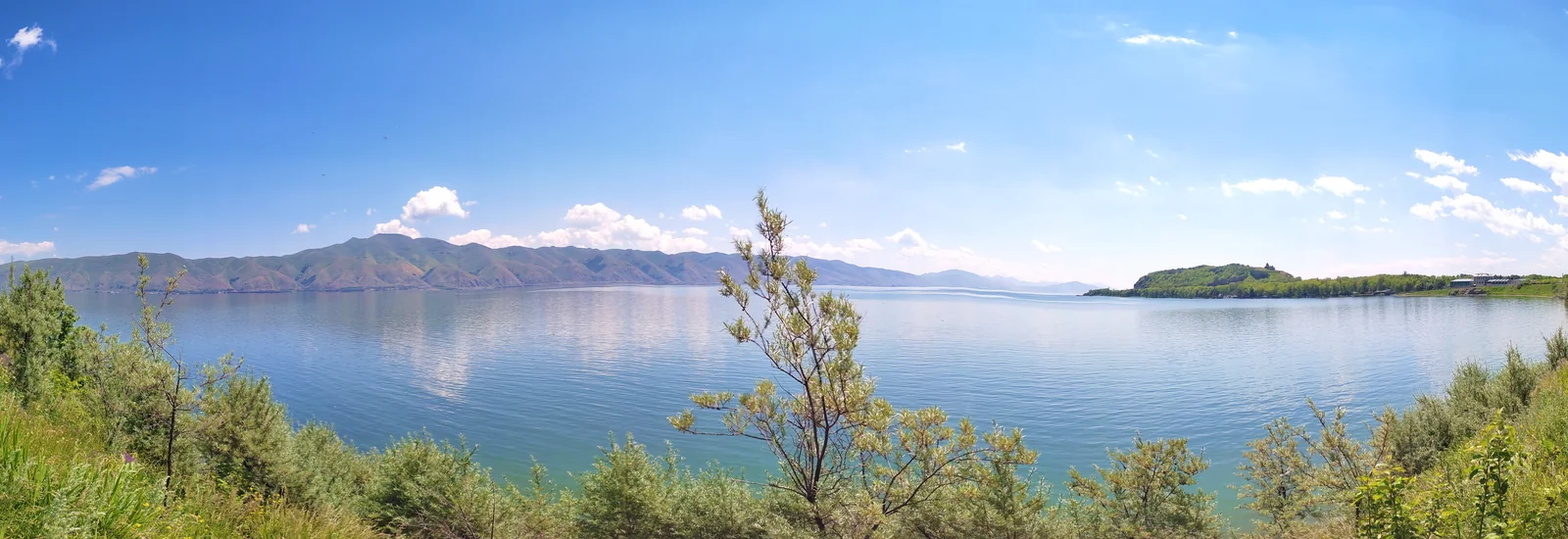
Lake Sevan is a useful contrast to the capital. Sevanavank is a popular viewpoint, but a quick peninsula visit is not the same as a lakeside holiday. Bring a warm layer even when Yerevan feels hot.
Dilijan works better with an overnight stay if walking is a priority. Combining a lake stop, several monasteries and a substantial forest hike in one day leaves little margin. Pick one main walk, check current trail conditions and arrange the return journey before setting out.
Gyumri and the Debed Canyon: a northern alternative
Choose Gyumri for a city-focused stop, with time for its historic streets, museums and cafés. An overnight stay avoids having to fit everything around the return train.
Farther east in Lori, Haghpat and Sanahin are the UNESCO-listed monastery pair associated with the Debed Canyon. Use a local overnight base if you want to visit both and spend time in the valley. Treat Gyumri and Lori as a northern route choice, not extra stops to squeeze between Dilijan and Tatev.
Khor Virap, Areni and Noravank: a southern route
Khor Virap is known for its view toward Mount Ararat, which stands across the border in Turkey. Visibility is weather-dependent, so do not make a clear mountain photograph the only reason for the visit. Farther south, Areni offers a wine-country stop and Noravank sits within a striking rocky landscape.
A driver or organized excursion makes this combination easier than trying to connect multiple rural stops by public transport. If you include a tasting, arrange a sober driver. This is already a full sightseeing day from Yerevan; Tatev is a separate commitment.
Tatev: allow an overnight journey south
Tatev Monastery and the Vorotan gorge deserve more than a rushed final stop. Goris, Halidzor or Tatev can serve as an overnight base, depending on your transport and accommodation plans. The Wings of Tatev operator provides booking information for the cableway between Halidzor and Tatev.
Check operation for your exact date before booking accommodation around a cableway ride. Weather or security conditions can interrupt service. Do not rely on an undated ticket price or assume that a departure time shown online is available every day.
Which places are UNESCO-listed? Armenia has three inscribed World Heritage properties: Haghpat and Sanahin; the cathedral and churches of Echmiatsin with Zvartnots; and Geghard with the Upper Azat Valley. The UNESCO country list distinguishes these from places on the Tentative List, including Tatev and Noravank.
A realistic 7-day Armenia itinerary
This plan assumes seven usable sightseeing days, with arrival and departure arrangements that leave them available. Add time if a late arrival, early flight or public-transport connection takes away a day. It deliberately leaves Tatev for an extension.
- Day 1: Central Yerevan. Walk around Republic Square and the central streets, settle in and keep the evening flexible. Sleep in Yerevan.
- Day 2: Yerevan’s museums and Cascade. Choose one or two museums according to opening days. Avoid treating every major museum as a single-day checklist. Sleep in Yerevan.
- Day 3: Garni and Geghard. Add the Symphony of Stones only if your transport, daylight and walking plans allow. Sleep in Yerevan.
- Day 4: Etchmiadzin and Zvartnots. Return to the capital for the evening. If religious architecture is not your main interest, swap this day for Gyumri rather than adding another excursion. Sleep in Yerevan.
- Day 5: Lake Sevan to Dilijan. Choose a lake viewpoint and lunch stop, then continue to Dilijan. Sleep in Dilijan.
- Day 6: Dilijan. Choose a forest walk or a manageable monastery excursion, then return to Yerevan. Do not combine a long hike with a tight last departure. Sleep in Yerevan.
- Day 7: A flexible final day. With a full day and arranged transport, consider Khor Virap, Areni and Noravank. If flying out that day, stay in Yerevan instead and protect your airport connection.
How to adapt the route
- Three to four days: stay in Yerevan and choose Garni–Geghard plus one other excursion. Do not add Tatev.
- Seven days with less moving: keep a Yerevan base and make a shorter Sevan or Dilijan excursion instead of changing hotels. Accept less time for walking.
- Seven days with Tatev as the priority: replace the Sevan–Dilijan portion and final day with a three-day southern route: travel south with selected stops, spend a full day around Tatev, and return on the third day. Two nights in one southern base reduce packing and leave room for delays.
- Ten days or more: add the three-day southern extension to the main itinerary, or use those days for Gyumri and Lori. Choose according to your interests rather than trying to cover both ends of the country at speed.
These are suggested route structures, not guaranteed transfer schedules. Ask a driver or accommodation provider to check the day’s road conditions and allow time for meals, stops and daylight travel.
When to visit Armenia
Late spring and early autumn are useful starting points for a mixed city-and-countryside trip. May–June and September–October generally avoid the strongest summer heat in Yerevan, although mountain weather is less predictable.
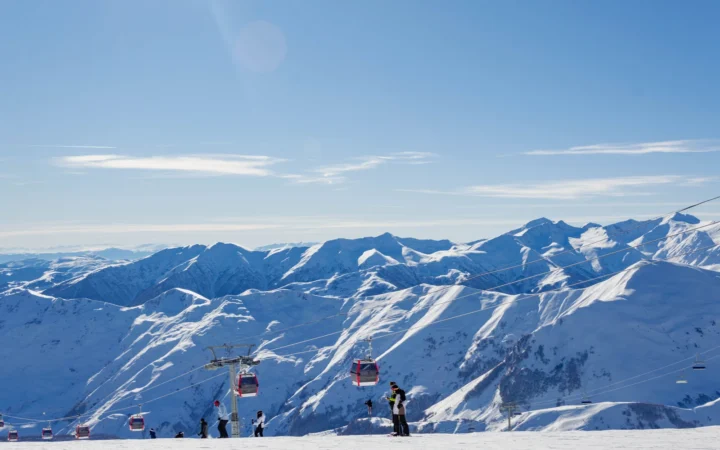
- Summer: plan city walks earlier or later in the day. Lake and mountain stops can feel much cooler, especially after sunset.
- Spring and autumn: pack layers and rain protection. A pleasant afternoon in the capital does not establish conditions on a high trail.
- Winter: prioritize cities and excursions that can be confirmed locally. Snow, ice and short daylight can change what is practical.
Lake Kari and Mount Aragats are a separate mountain outing, not a casual add-on to a monastery day. Aragats’ highest summit reaches approximately 13,419 feet (4,090 meters). Plan for altitude, equipment and changing conditions, and consider a qualified guide appropriate to the route.
Entry requirements and land borders
Start with Armenia’s Ministry of Foreign Affairs visa checker, using your nationality and travel-document type. Many visitors, including US and UK passport holders, are on the visa-exempt list for stays of up to 180 days per year. That does not establish permission to work or settle.
A temporary exemption also applies from July 1, 2026 to July 1, 2027 to nationals of 111 specified countries who hold qualifying residence permits from designated countries. Conditions include at least six months’ permit validity from entry and presentation in an accepted physical format. Check the complete eligible-country and document rules on the ministry page; residence abroad alone does not establish eligibility.
If you need a visa, use the official process linked by the ministry. Some nationalities require an invitation, so do not assume everyone can use the same e-visa route. Confirm passport requirements for your own circumstances and any transit country.
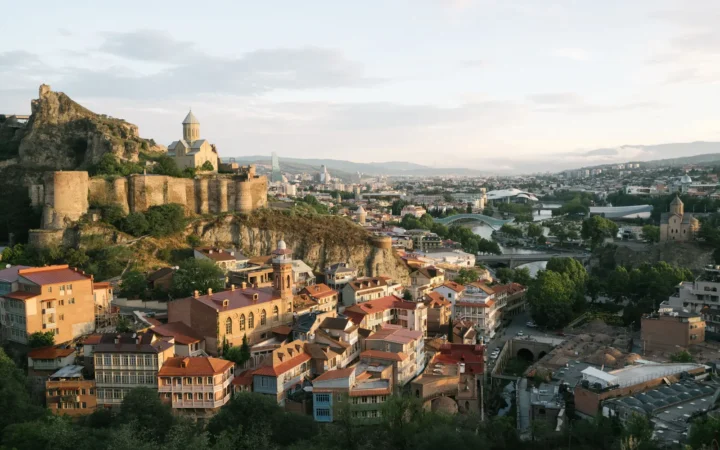
Georgia is the usual land connection for a combined Caucasus trip, often through Tbilisi. The Armenia–Iran border also permits crossings, but its operating conditions and the safety of travel through Iran require a separate, current check. Do not treat it as a routine alternative without reviewing the relevant travel advice.
As checked in November 2026, the Azerbaijan border remains closed, and the Turkey land border is closed to ordinary tourist travel. Do not plan a direct overland crossing to either country. See the current regional border advice.
Getting in and around
Arriving in Yerevan
Zvartnots International Airport is the main arrival point for Yerevan. Compare an arranged transfer, an app-booked taxi and the airport’s listed public-transport options. Check the service for your arrival time, particularly after midnight. The official airport transport page is a starting point, but confirm current stops and payment arrangements before relying on a bus connection.
Public transport, tours or a driver?
Public transport can work well between towns, but a town connection does not necessarily take you to a remote monastery or trailhead. For rural sightseeing, compare the total cost and waiting time of local taxis with an organized excursion or a driver hired for the day. Agree on stops, waiting time and the return destination in advance.
Rail is worth considering for Gyumri. Consult South Caucasus Railway for your date rather than assuming every service takes the same time or runs daily. The operator changes seasonal services and timetables; it announced changes to the Gyumri express and the end of the Sevan-area summer service in September 2026. Check international train arrangements separately if combining Armenia with Georgia.
For self-driving, verify that your licence is accepted, whether you need an International Driving Permit, and the rental company’s insurance and road restrictions. Leave room for slower mountain sections. Avoid unverified navigation shortcuts near borders, and do not make a long mountain drive immediately before an international flight.
Costs, cash and connectivity
Armenia uses the Armenian dram (AMD). Cards are useful in Yerevan, but carry cash for small businesses and rural stops. The Central Bank of Armenia publishes reference exchange rates; the rate you receive from an ATM, bank or exchange office may differ.
Build your budget around the route rather than a single countrywide daily figure:
- Accommodation: price the exact dates and room occupancy, including breakfast and cancellation conditions.
- Intercity transport: budget separately for a day tour, private driver or rental vehicle. Ask whether fuel, parking and driver waiting time are included.
- Activities: add museum tickets, the Tatev cableway, guides and tastings individually. Do not assume a tour price includes entry fees.
- Meals and small expenses: allow for water, café stops, local transport and any restaurant service charge shown on the menu.
A solo traveller paying for a driver can spend very differently from two people sharing a room and vehicle. Check live quotes before deciding that a rural extension fits your budget.
Local SIM cards are available from mobile providers; take your passport for registration. Check your phone’s compatibility and the plan’s coverage, data allowance and validity. Save offline maps and accommodation details before leaving the city rather than assuming a signal on every trail.
Food, language and visiting etiquette
Look for lavash, khorovats barbecue and tolma, and leave time for a market or bakery visit alongside formal sightseeing. If you have allergies or dietary restrictions, carry a clear written explanation and ask about ingredients rather than relying on a translated dish name.
Armenian is the national language. Russian can be useful, while English availability varies. Save addresses in Armenian as well as in English, especially when arranging transport outside Yerevan.
Monasteries are places of worship as well as visitor attractions. Dress respectfully, follow posted photography rules and give services space. Uneven stone, steps and narrow entrances can affect access; check the specific site if you need a step-free route.
Safety and health checks before travelling
Check your government’s current advice and insurance coverage before finalizing the route. The UK FCDO advice, checked November 10, 2026, advises against all travel within 5 km of Armenia’s entire eastern border with Azerbaijan and along the M16/H26 road between Ijevan and Noyemberyan. These are specific restrictions, not a blanket description of all travel in Armenia.
Do not assume that staying on a main road automatically avoids an advisory area. Review your actual route, including any journey toward a border crossing, and follow local instructions. Nagorno-Karabakh is not an excursion to add from Armenia; the closed Azerbaijan border makes older cross-border itineraries unsuitable.
Emergency number: 112. Armenia’s Ministry of Internal Affairs identifies 112 as the emergency call-management service. Save your accommodation address and insurance assistance number before departure.
Arrange insurance that covers your intended activities and emergency treatment or evacuation. Review medication rules and vaccination advice before travelling. For hiking, check weather, tell someone your route and carry adequate water. Use a confirmed safe drinking-water source; seeing other people drink from a fountain is not a water-quality test.
Armenia travel FAQ
How many days do you need in Armenia?
A week works for Yerevan and a selected group of nearby and regional stops. Allow more time if you want both northern Armenia and Tatev, or if hiking is a major part of the trip.
Can you visit Armenia without renting a car?
Yes. Use town-to-town public transport where it fits, then book an excursion or arrange local transport for rural attractions. Confirm the return journey before heading to an isolated stop.
Is Tatev a good day trip from Yerevan?
It can be sold as a long day tour, but it is a poor fit for a relaxed itinerary. An overnight southern stay gives you more time at the monastery and less pressure around cableway operation. This guide recommends a three-day southern extension with two nights.
Do US and UK visitors need a visa?
They are on Armenia’s visa-exempt list for visits of up to 180 days per year. Check the ministry’s current requirements before departure, particularly for a different travel-document type or a purpose beyond a visit.
What should you book first?
Confirm entry eligibility and the safe route, then flights and accommodation. Next arrange any driver-dependent days, guided hikes or timed activities. Leave a flexible day before departure if your trip includes a long journey from southern Armenia.
What Did We Learn Today?
The most useful first-trip decision is which region to spend time in after Yerevan. Choose a manageable combination, leave room for road and weather changes, and check official information again shortly before departure. Seeing fewer places with enough time at each will usually make a better trip than trying to complete the map.
Sources & Data Notes
Changing requirements and advisories were checked on November 10, 2026. Itineraries and time allocations are editorial planning recommendations, not transport schedules. No live accommodation quotes underpin a fixed daily budget. For emergency routing, this guide follows the Armenian interior ministry’s current 112 information rather than older visitor pages. Recheck entry rules, road advice and operator schedules before travel.
- Armenian foreign ministry: visa requirements and temporary exemption
- Armenian foreign ministry: visa-exempt nationalities
- UK FCDO: Armenia travel warnings
- UK FCDO: entry requirements and Iran crossing caveats
- Armenian interior ministry: 112 emergency call management
- UNESCO: Armenia inscribed properties and Tentative List
- Armenia Travel: principal attractions
- Armenia Travel: practical visitor information
- South Caucasus Railway: September 2026 service changes
- Wings of Tatev: operator and booking conditions
Featured photograph: Ancient temple in Garni.jpg by Katsiaryna Naliuka, photographed 2018-11-02. CC BY-SA 4.0. Resized and converted to WebP; no crop.