Historical flag guide
The Forty-Nine-Star US Flag (1959–1960)
Thirteen red-and-white stripes and forty-nine white stars in staggered rows in the blue canton.
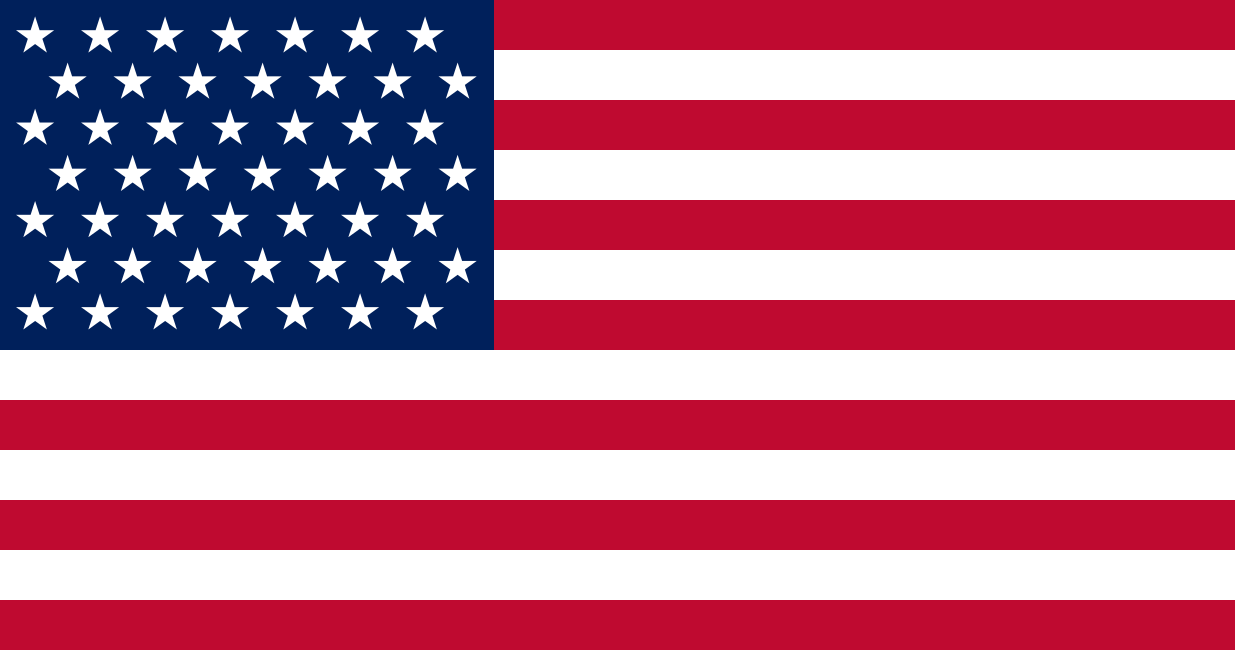
When and how this design was used
Alaska brought the total to forty-nine stars. The fiftieth star followed for Hawaii in 1960.
Alaska’s admission in January 1959 and Hawaii’s admission that August fell on opposite sides of Independence Day. The rule dating from 1818 added a new state’s star on the following Fourth of July. That timing gave the forty-nine-star design a full year as the official flag, even though the country had forty-nine states for only part of 1959.
Dates in United States flag history
1959–1960 — Forty-nine stars · A short-lived arrangement followed Alaska’s admission.
1960 — Fifty-star flag · Hawaii’s admission led to the present design on 4 July.
Compare with the current flag of United States
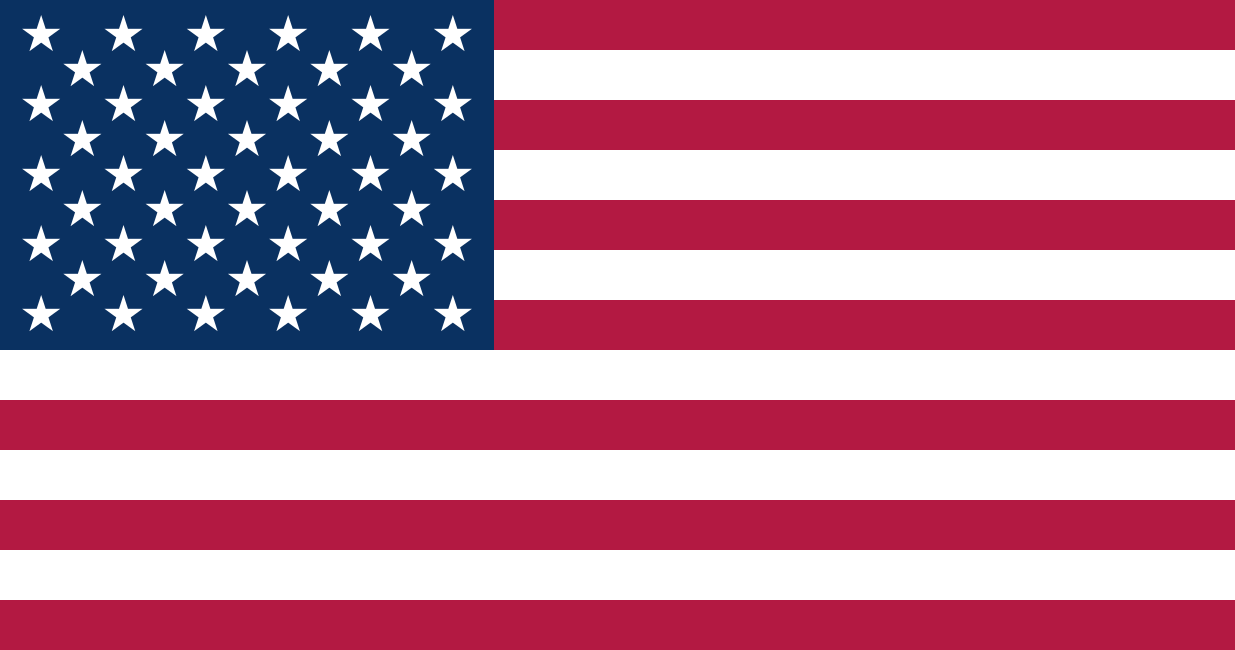
13 equal horizontal stripes of red (top and bottom) alternating with white; a blue rectangle in the upper-left corner has 50 five-pointed white stars, arranged in nine offset horizontal rows of six stars (top and bottom) alternating with rows of five stars.
What Did We Learn Today?
The forty-nine-star US flag marks the interval between Alaska’s star and Hawaii’s. Its rows distinguish the 1959 version from both the forty-eight- and fifty-star flags.
Sources & Data Notes
View references and illustration credit
- New York State Military Museum · Dates of use of U.S. star patterns
- Smithsonian Institution · the flag acts and the 1912 star arrangement
- Office of the Law Revision Counsel, U.S. House of Representatives · 4 U.S.C. § 2
Historical illustration
Illustration source · Flag design by the U.S. Government; SVG by Gunter Küchler / Berlin · Public domain
