Historical flag guide
The Fifteen-Star, Fifteen-Stripe US Flag (1795–1818)
Fifteen white stars in a blue canton and fifteen alternating red-and-white stripes.

When and how this design was used
Vermont and Kentucky brought both counts to fifteen. In 1818 the stripe count returned to thirteen.
The large garrison flag that flew at Fort McHenry in Baltimore gives this design a surviving physical example. Mary Pickersgill made it in 1813. It originally had fifteen stars as well as fifteen stripes. One star was later cut away, so the condition of the museum object today tells a different story from the original star count.
Dates in United States flag history
1795–1818 — Fifteen-star, fifteen-stripe flag · The design incorporated Vermont and Kentucky and became the Fort McHenry flag.
1818 — Thirteen stripes restored · Congress retained thirteen stripes while allowing the star count to grow.
Compare with the current flag of United States
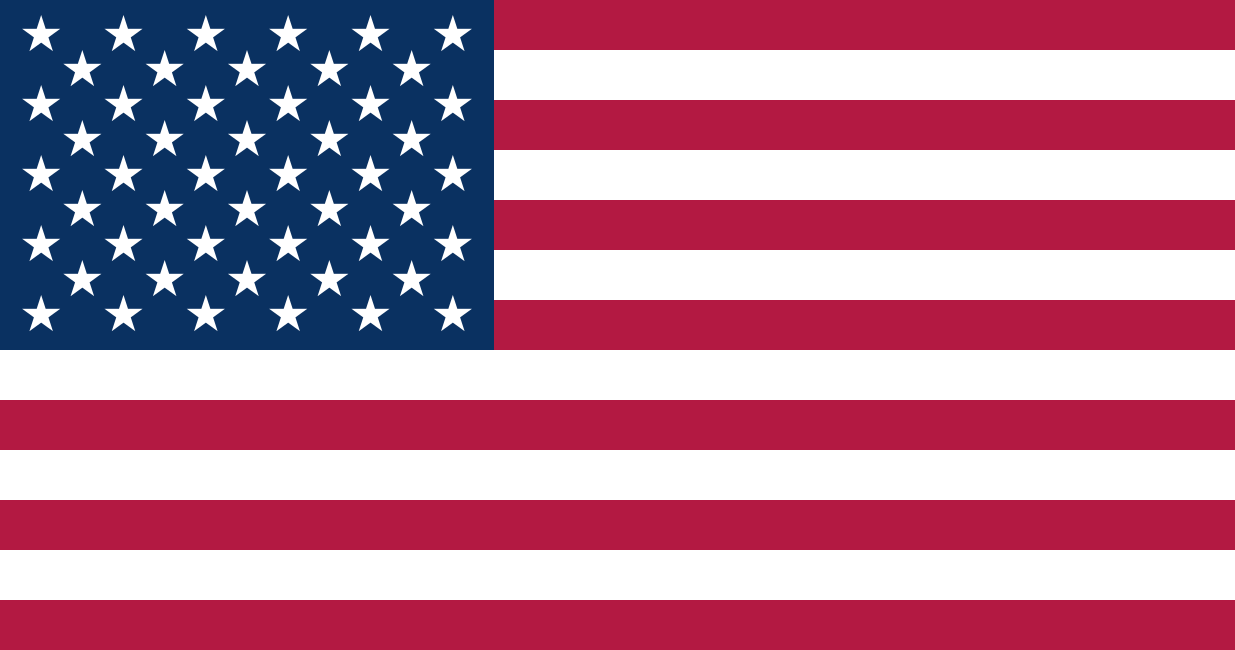
13 equal horizontal stripes of red (top and bottom) alternating with white; a blue rectangle in the upper-left corner has 50 five-pointed white stars, arranged in nine offset horizontal rows of six stars (top and bottom) alternating with rows of five stars.
What Did We Learn Today?
The US flag used from 1795 to 1818 had fifteen stripes as well as fifteen stars. The later rule restored thirteen stripes while allowing the stars to increase.
Sources & Data Notes
View references and illustration credit
- Smithsonian Institution, facts about the surviving Star-Spangled Banner
- New York State Military Museum · Dates of use of U.S. star patterns
- Smithsonian Institution · the flag acts and the 1912 star arrangement
- Office of the Law Revision Counsel, U.S. House of Representatives · 4 U.S.C. § 2
Historical illustration
Illustration source · Squee3 · Public domain
