Climate & Weather
Eocene Epoch Explained: Earth’s Greenhouse World (56–33.9 Ma)
Imagine palm-like forests and crocodile relatives living far closer to the poles than today—and seas warm enough to reshape currents worldwide. That’s the Eocene:…
Learn geography
Clear answers to common geography questions, from definitions to famous debates. Short, sourced explainers with maps and simple visuals help you understand the “what,” “where,” and “why”—without the jargon.
Imagine palm-like forests and crocodile relatives living far closer to the poles than today—and seas warm enough to reshape currents worldwide. That’s the Eocene:…
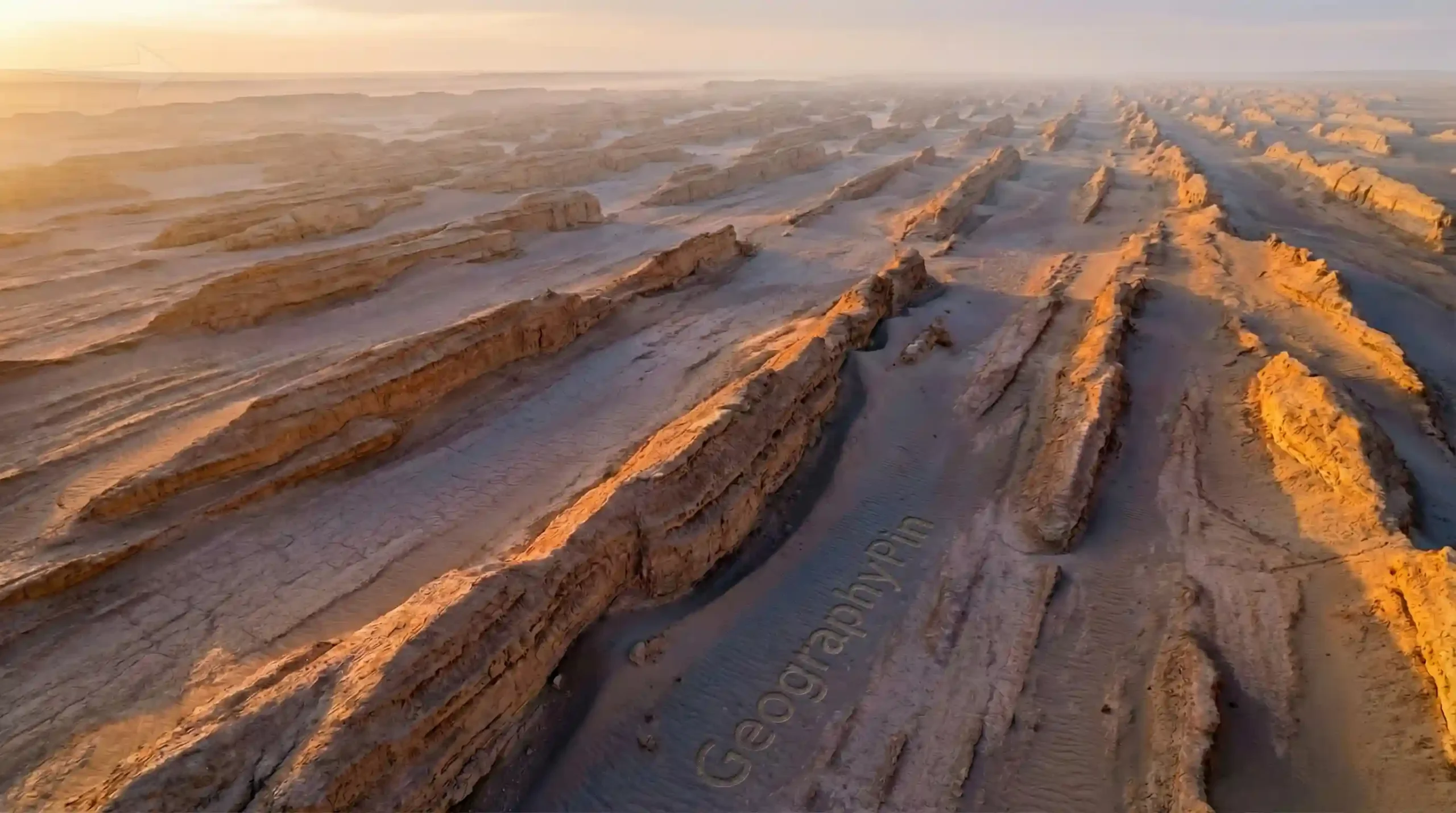
In some of the world’s driest deserts, wind doesn’t just move sand — it carves the ground itself into long, streamlined ridges. Those ridges…
France is commonly listed as the country with the most time zones: 12 across its mainland and overseas territories, or 13 in sources that…
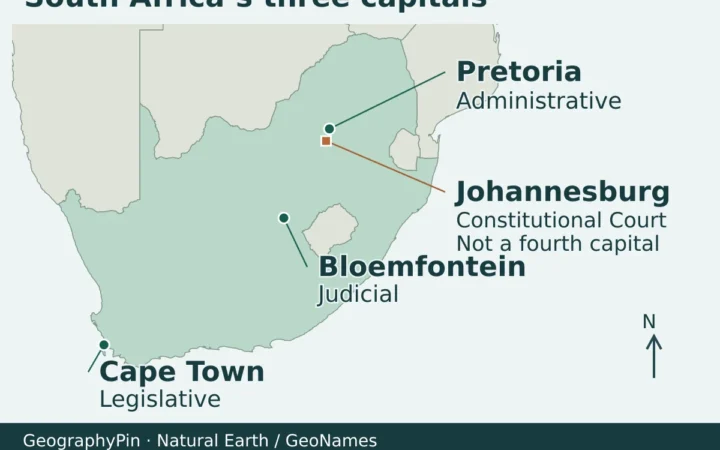
A country’s official capital is not always the city where every national institution works. South Africa divides major functions among several cities; the Netherlands…
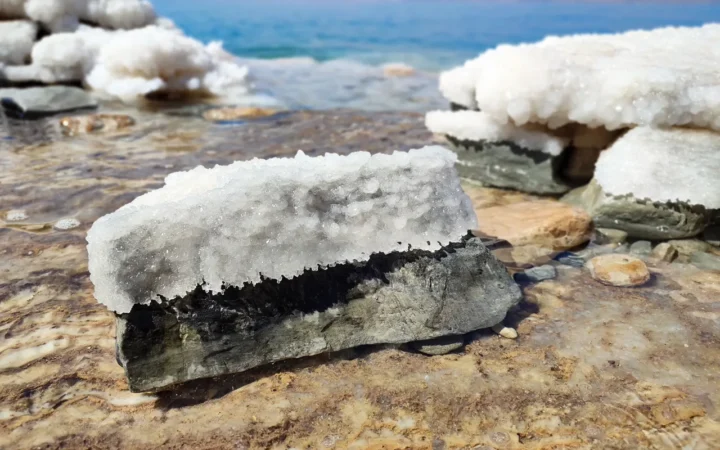
A salt lake can be a tiny Antarctic pond, a desert basin or a broad inland sea. Their waters may all taste nothing like…
Some river borders can shift when a treaty makes the boundary follow a changing channel, but the countries discussed here do not all gain…
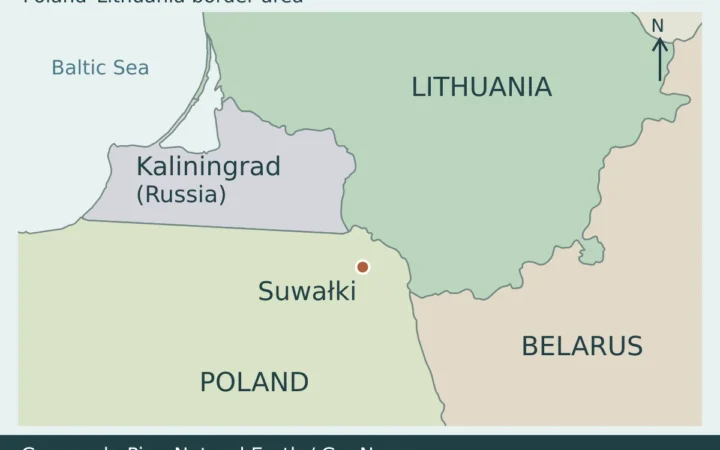
The Suwałki Gap is the Polish–Lithuanian border area between Russia’s Kaliningrad exclave and Belarus. Its importance is debated: some accounts emphasize the Baltic states’…
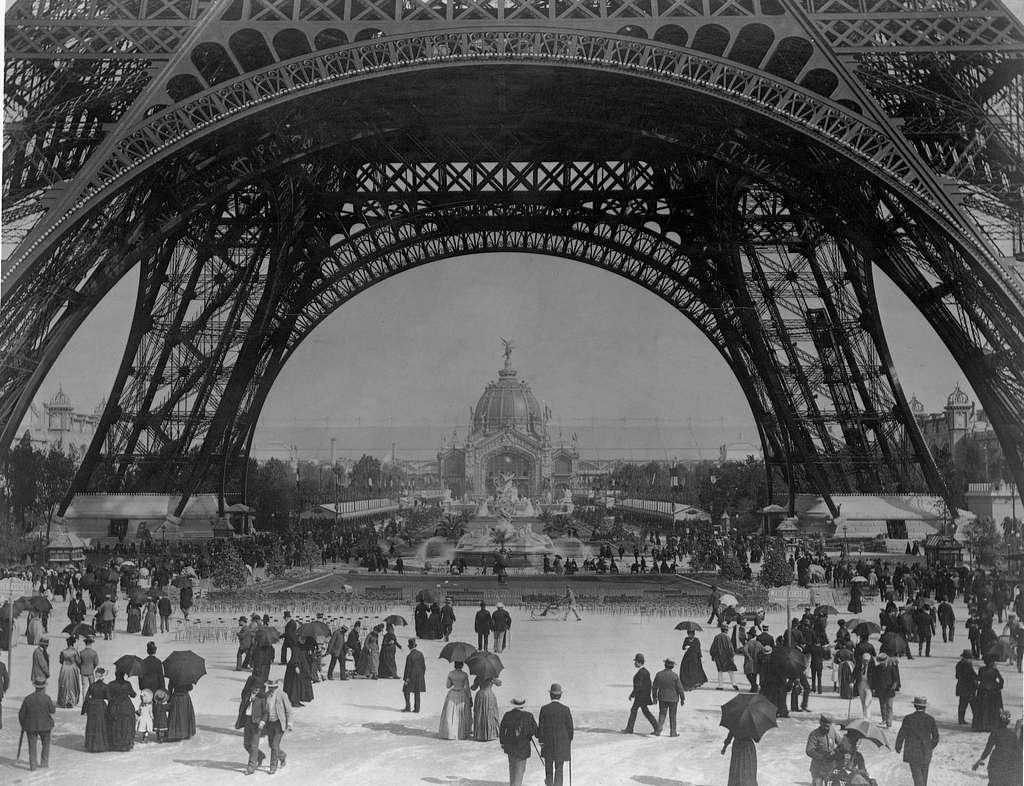
The Eiffel Tower began as a bold statement about what engineers could build. Its place in Paris today can make it seem inevitable, but…
The Eiffel Tower didn’t spring fully formed from one mind. It began as a bold engineering sketch in 1884, sharpened by a crucial patent,…
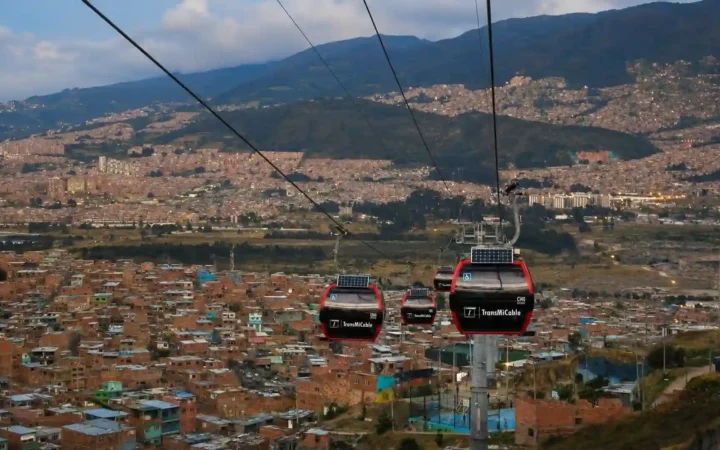
Several national capitals use urban cable cars for everyday public transport, including Mexico City, Bogotá, Caracas, Santo Domingo, Algiers, and Tbilisi. Mi Teleférico serves…