Buildings & Architecture
Who Designed the Eiffel Tower? Koechlin, Nouguier, Sauvestre
The Eiffel Tower didn’t spring fully formed from one mind. It began as a bold engineering sketch in 1884, sharpened by a crucial patent, and transformed by smart…
GeographyPin author
I’m Z.K. Atlas, founder and editor of GeographyPin. I studied geography as a minor and personally research, write, fact-check, and publish the site’s articles while also building its mapping tools. My work focuses on explaining physical and human geography—including places, borders, maps, political systems, and geographic patterns—in clear language without removing the context that matters.
The Eiffel Tower didn’t spring fully formed from one mind. It began as a bold engineering sketch in 1884, sharpened by a crucial patent, and transformed by smart…
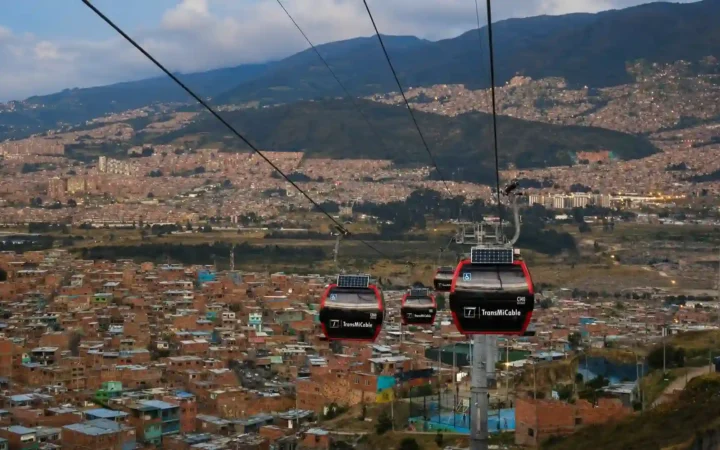
Cable cars are no longer confined to mountain resorts or sightseeing routes. In several national-capital areas, suspended cabins carry daily passengers over steep slopes, dense neighborhoods, rivers, or…
Lake Titicaca glitters on the Andean Altiplano between Peru and Bolivia, high enough that many first-time visitors feel the altitude the moment they step off the boat. Stretching…
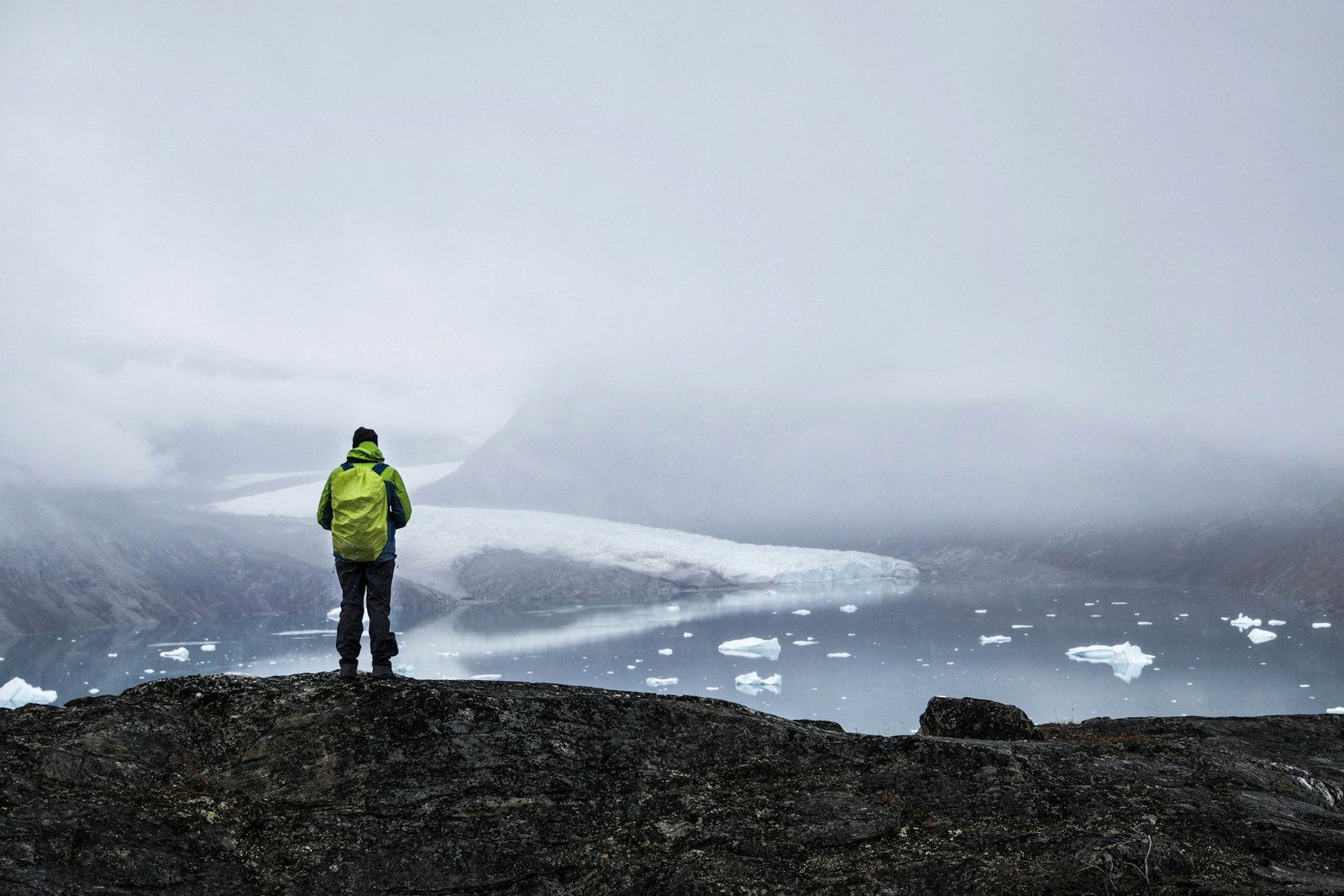
Greenland is the world’s largest island — a vast white expanse in the far north. At first glance, it appears as one giant block of ice and rock.…
The Pacific Ocean is Earth’s largest and deepest ocean. It stretches from the icy Southern Ocean to the Arctic, touching Asia and Australia in the west and the…
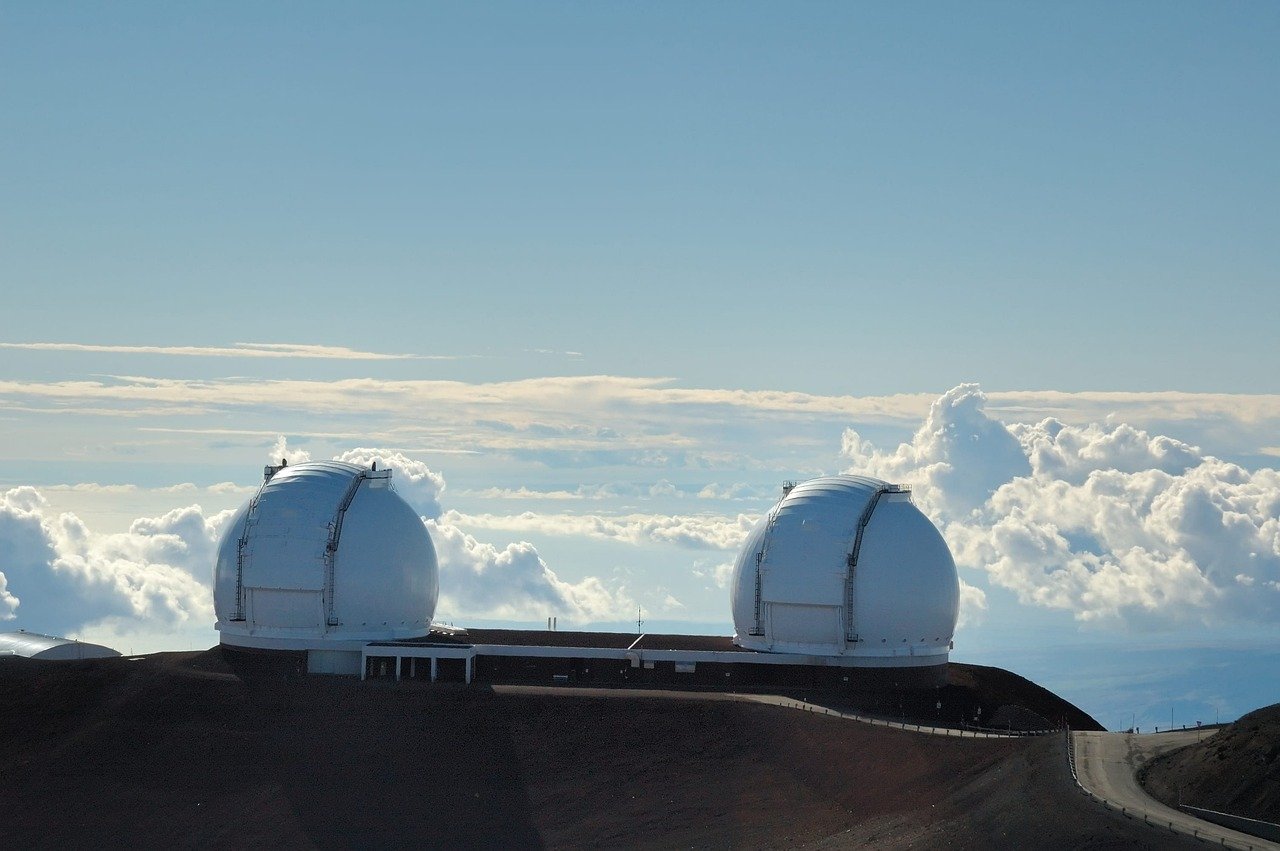
Mauna Kea is both Hawaiʻi’s highest summit and the exposed top of a volcano rooted deep below the Pacific. Its famous “taller than Everest” claim makes sense only…
La Paz is one of South America’s most geographically distinctive major cities: Bolivia’s seat of government occupies a steep Andean basin, while El Alto spreads across the plateau…
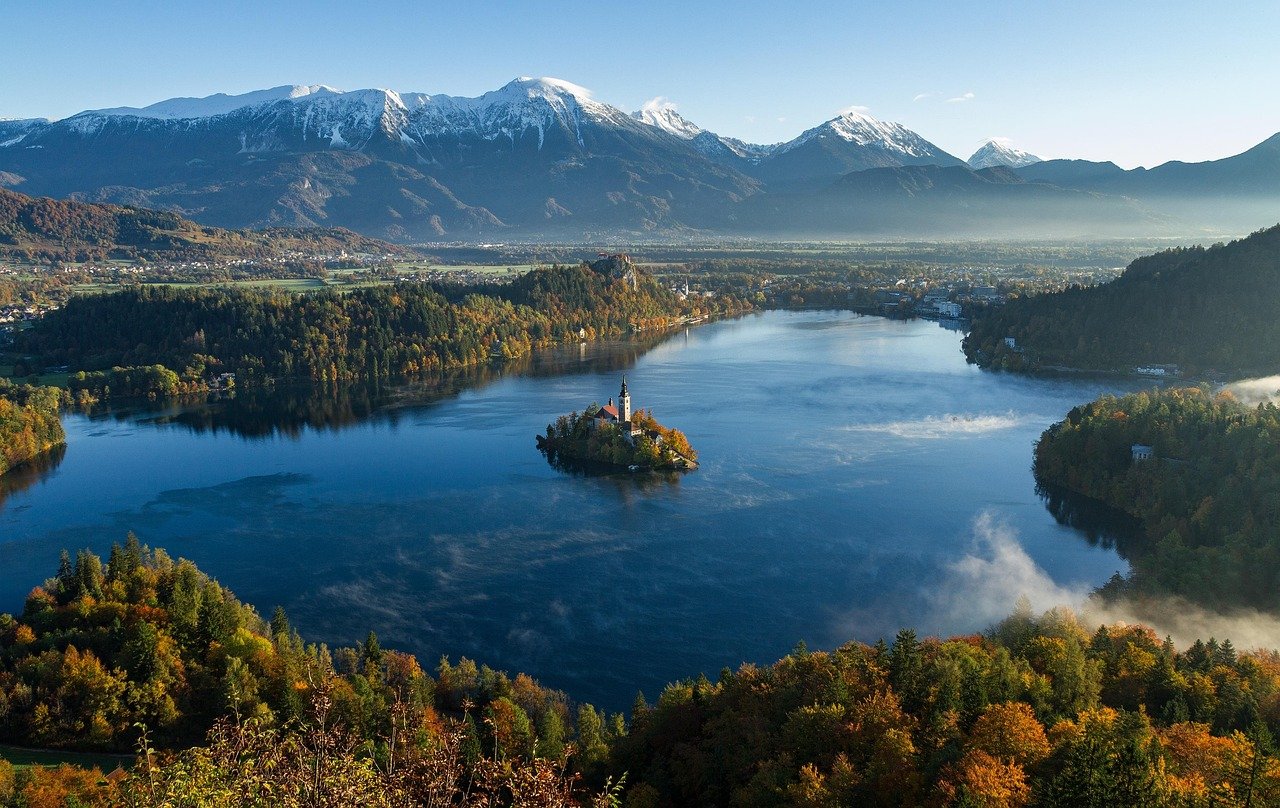
A lake can fill a small hollow or spread across an area larger than many countries, and its name alone does not tell you whether it is fresh,…
What do countries call themselves at home? This article gathers every United Nations member state and shows its native name—the endonym used in the state’s own official language(s).…
Bees don’t all live the same length of time. A worker honey bee hatched in July might last only a few weeks, while a “winter bee” lives for…