This 10-question Afghanistan quiz covers the country’s geography, languages, history and natural resources. Most questions are introductory, with a few historical details to stretch your knowledge.
How well do you know Afghanistan?
10 questions · No timer · A little discovery with every answer
Choose an answer, then open “Show answer” to check it yourself. Interactive scoring appears when JavaScript is available.
JavaScript is off. You can still enjoy all 10 questions and reveal each answer below.
Choose one answer, select Check answer, then continue to the next question.
Your Afghanistan quiz result
Show answer
Correct answer: Kabul.
Kabul is Afghanistan’s capital and largest city.
Show answer
Correct answer: Pashto and Dari.
Article 16 of the 2004 constitution designated Pashto and Dari as official languages of the state, with additional regional provisions for other languages. This question refers to the historical 2004 text, not the current legal framework.
Show answer
Correct answer: Hindu Kush.
The Hindu Kush forms Afghanistan’s central mountainous spine. The Pamir Mountains also reach the far northeast, but they are not the range described here.
Show answer
Correct answer: 1855.
The 1855 Treaty of Peshawar was concluded between the British government and Amir Dost Mohammad Khan.
Show answer
Correct answer: Middle Paleolithic.
Archaeological evidence places human habitation in Afghanistan at least as far back as the Middle Paleolithic.
Show answer
Correct answer: Ottoman Empire.
The Mauryan, Mongol and Persian empires ruled parts of present-day Afghanistan; the Ottoman Empire did not.
Show answer
Correct answer: Copper.
Aynak is a major copper deposit in Afghanistan. The country also has other metallic minerals and fossil fuels.
Show answer
Correct answer: Saffron.
Saffron is made from the dried stigmas of the saffron crocus. It is a high-value crop grown in Afghanistan.
Show answer
Correct answer: Silk Road.
Silk Road routes crossed present-day Afghanistan, linking trading centers across Asia.
Show answer
Correct answer: 1919.
Afghanistan gained control of its foreign affairs in 1919 after the Third Anglo-Afghan War. Amanullah adopted the title of king in 1926.
What Did We Learn Today?
Kabul is Afghanistan’s capital, the Hindu Kush shapes much of its mountainous interior, and Pashto and Dari are widely used. Silk Road routes crossed the region, and Afghanistan regained control of its foreign affairs in 1919.
Review the explanations to connect Afghanistan’s landscapes with its history, then explore another geography quiz.
Sources & Data Notes
Sources for the revised questions and explanations:
- abudhabi.mfa.gov.af
- www.qdl.qa
- pubs.usgs.gov
- pubs.usgs.gov
- www.usgs.gov
- www.fao.org
- www.mail.gov.af
- history.state.gov
- history.state.gov
- WIPO Lex: Afghanistan’s 2004 constitution, Article 16
- Library of Congress: Afghanistan country study, geography
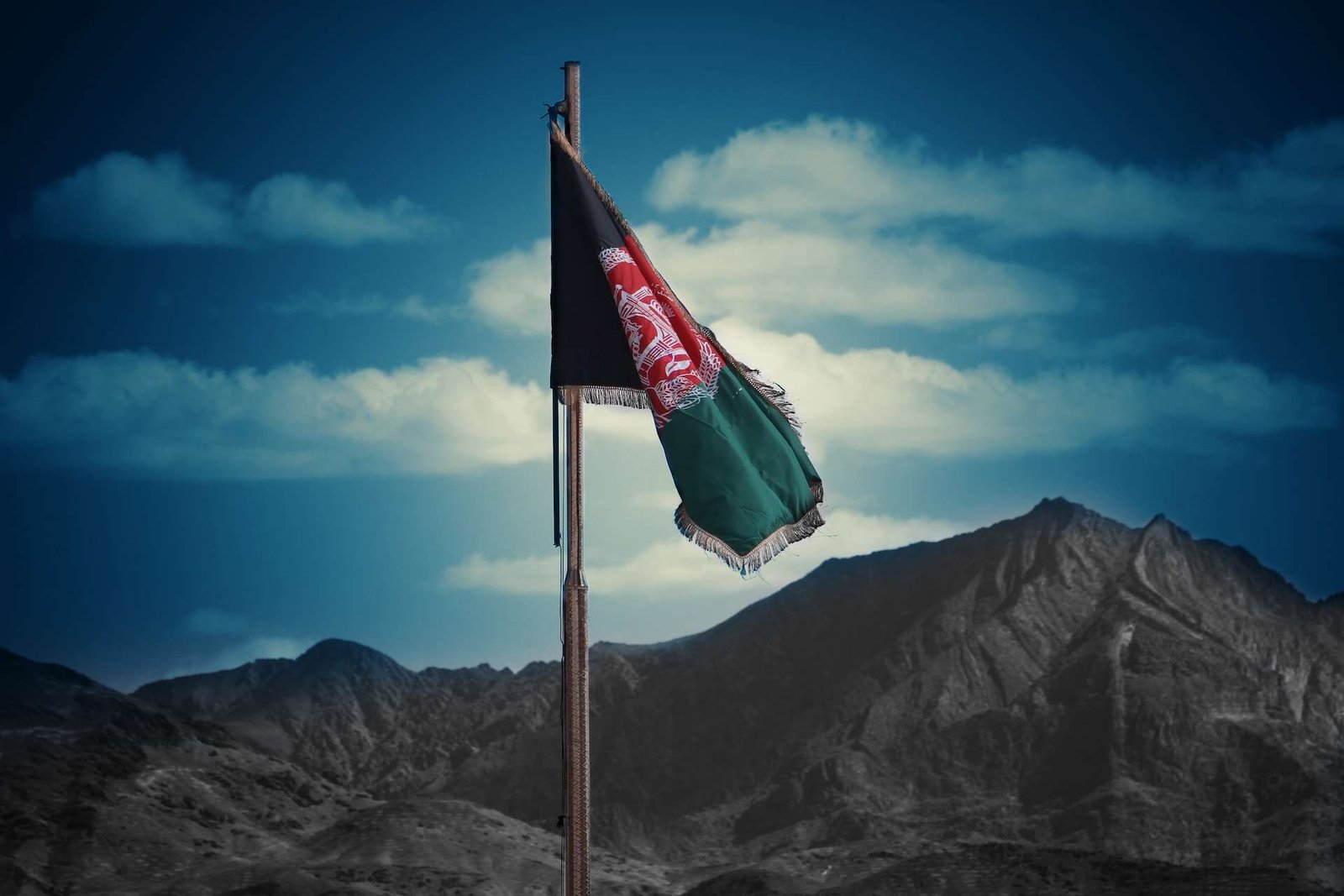
The language question refers specifically to the historical 2004 constitution, not the current legal framework. Historical dates refer to the named events. The republic-era tricolor in this page’s featured image is historical, not the flag used by the de facto authorities since 2021.