At an Armenian table, a piece of lavash can be bread, a wrap for herbs and grilled meat, or something to scoop up the last bite. Start with that bread and one dish you’re curious about; you don’t need to recognize every name on the menu.
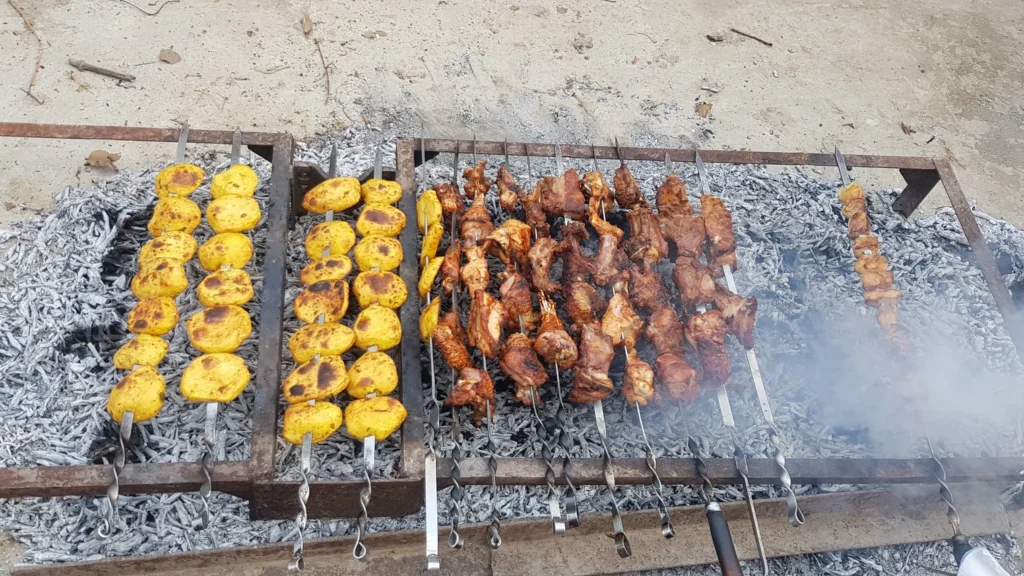
For a first Armenian meal, try khorovats (skewered barbecue) with lavash and grilled vegetables, then share a slice of gata, a sweet pastry. For a meal without meat, look for herb-filled zhingyalov hats or bean-filled pasuts tolma. Check the filling or broth before ordering: dishes with the same name can have different ingredients.
How to use this article: Start with two orders you can build from menus, then compare lavash and herb-filled bread, how tolma fillings differ, or the Armenian diaspora’s lahmajoun.
Two ways to order your first Armenian meal
Think in combinations: something smoky or tangy, something fresh, and bread to bring them together. The examples below come from published Yerevan menus, but you can use the same idea elsewhere in Armenia. They’re suggested orders, not fixed-price meals or dietary guarantees.
Two orders based on real menus
- Barbecue and something tangy, at Ararat Tavern: Pork loin khorovats and a bowl of spas, then gata if you want dessert. The grill listing specifies pork loin and spices. The tavern’s spas uses yogurt, hulled wheat, egg, flour and butter. Its pastry guide lists wheat and dairy for gata, with eggs in the preparation and nuts in some versions; check the slice you’re offered.
- Vegetables and greens, from the Lavash Restaurant menu: Aveluk soup and grilled vegetables make a lighter order. The listed soup combines sorrel, wheat groats, potato, onion and garlic. The grilled eggplant, peppers and tomato are listed with butter. This is a starting point for a meatless order, not a vegan one as written. Confirm the soup base and how the vegetables are prepared if avoiding animal products.
Don’t judge from the dish name alone. Hovk Restaurant, for example, lists both an aveluk salad and a separate version explicitly paired with yogurt. Menus may leave out garnishes or stock, so verify ingredients and shared preparation with the kitchen if they matter to you.
Flatbreads and wild greens
Lavash is a wrapper; zhingyalov hats already has a filling
Lavash (լավաշ) is a thin flatbread traditionally baked against the wall of a tonir oven. Soft lavash folds around meat, cheese or greens. It doesn’t usually open into the pocket you’d expect from pita. See how lavash is made and how it differs from pita for the longer explanation.
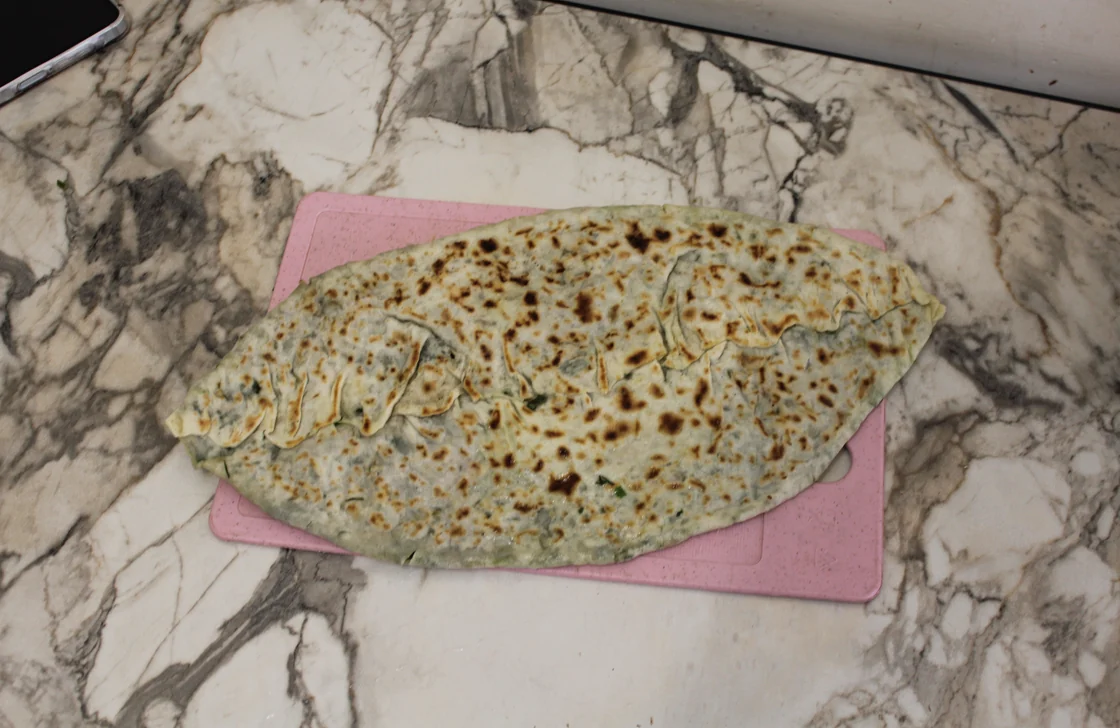
Zhingyalov hats (ժենգյալով հաց) is a filled flatbread associated with Armenian cooking in the southeast and with Karabakh Armenian food traditions. The thin dough is folded around chopped greens and cooked flat. Freshly gathered herbs change the character of the bread; there isn’t one fixed set that every cook uses.
Aveluk (ավելուկ) is wild sorrel, not another name for the stuffed bread. It is often dried in braids and rehydrated for cooking. In soup it has a gentle tartness; in a salad it can be the main ingredient. Look for the words that follow it to see which preparation a menu means.
Choose a soup, a grill dish or stuffed leaves
Spas (սպաս) is the tangy yogurt-and-wheat soup to look for. Hulled wheat gives the bowl some chew; yogurt, chopped herbs and sometimes egg or flour do the rest. Harisa (հարիսա) is a different, thicker dish. The Lavash Restaurant menu makes it with chicken, wheat groats and butter, so think of a slow-cooked porridge, not a bowl of soup or a chile paste.
Khorovats (խորոված) tells you how something was cooked, not exactly what is on the skewer. Pork is common on menus in Armenia; the Ararat Tavern grill also lists lamb, chicken and vegetables. If you want one shared dish to anchor a meal, choose a meat you recognize and order the smoky vegetable side separately.
Tolma can be wrapped in grape leaves or cabbage
Tolma (տոլմա), also spelled dolma in English, names a family of stuffed dishes. Hovk gives a useful side-by-side example: one version wraps beef, rice and herbs in grape leaves and serves garlic yogurt; another uses cabbage leaves and lists adjika. What you see on the outside doesn’t tell you the filling.
Pasuts tolma (պասուց տոլմա) is associated with fasting traditions. The Armenian tourism board describes versions filled with beans, lentils, chickpeas or rice instead of meat. It is a better word to look for than “dolma” alone when you want legumes, but check the specific filling and accompaniments.
Regional sweets and a diaspora favorite
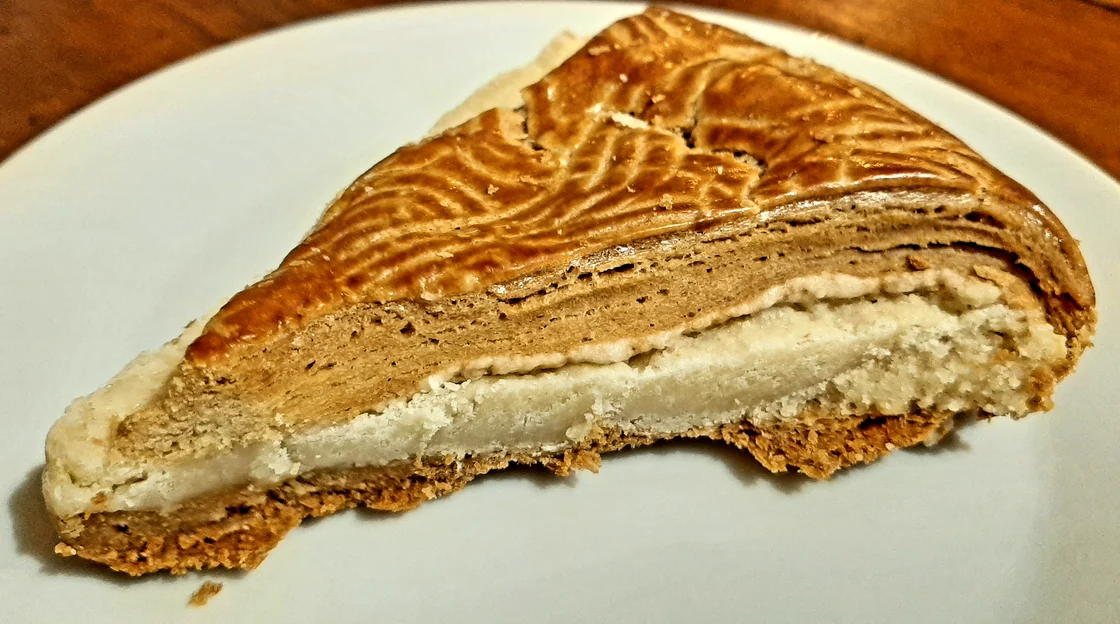
Gata (գաթա) may be a slice of a round bake or a smaller pastry. A familiar filling is khoriz, a crumbly blend of flour, butter and sugar. Pakhlava (փախլավա) gives you thin layers and nuts instead. Gavar’s version, often called Kyavar pakhlava, is a regional expression of the wider baklava family, not a different name for gata.
Ghapama (ղափամա) is a festive stuffed pumpkin, not a pastry. Rice and dried fruit cook inside the pumpkin; versions can include honey, nuts or butter. If you see it offered as a whole pumpkin, it’s a dish to share rather than an individual side.
An Armenian diaspora example: lahmajoun
The Armenian Museum of America documents lahmajoun as a thin, open bread with a seasoned meat topping. The Smithsonian traces how Syrian Armenian cooks brought a version familiar from Aleppo into Yerevan’s restaurant scene. That history makes it both a diaspora example and something you may encounter in Armenia. It belongs to a wider regional food tradition, so seeing it on an Armenian menu doesn’t mean other communities cook it the same way or don’t make it at all.
Frequently Asked Questions
What’s the difference between khash and khashlama?
Khash (խաշ) is a long-cooked broth traditionally prepared with beef feet. Khashlama (խաշլամա) is a different dish of simmered meat and vegetables. Hovk’s menu lists veal, lamb and chicken khashlama separately from khash. Its “khash broth” option has no meat pieces, but that does not make the broth vegetarian.
What is tan on an Armenian drinks menu?
Tan (թան) is a cold yogurt drink. It’s an option if you want something tangy with barbecue rather than wine or a sweet soft drink; it contains dairy.
What Did We Learn Today?
A few distinctions make ordering easier: lavash is usually served unfilled, khorovats describes the grill, and tolma doesn’t tell you what is inside a leaf. Start with what you’d like to eat, check the ingredients on the particular menu, and use the regional and diaspora examples to understand why plates vary.
Sources & Data Notes
View menu sources, cultural references and photo credits
Restaurant examples use menus and dish descriptions consulted November 28, 2026. The Lavash PDF is an operator-published menu example rather than a guarantee of current availability. English names are transliterations; the Armenian names reflect the spellings in the linked sources.
- Tourism Committee of Armenia: Armenian cuisine and the Armenian-language edition, for greens, regional bread, tolma and ghapama.
- Ararat Tavern: khorovats and its grill menu, spas, gata and pakhlava.
- Yeremyan Projects: Lavash Restaurant bilingual menu; Hovk Restaurant: current menu for comparison.
- Armenian Museum of America: Armenian recipes; Smithsonian Folklife: Armenian diaspora foodways.
- Ararat Tavern: how khash differs from other dishes, including what goes into its broth.
- Photographs: khorovats on a grill by Armineaghayan and zhingyalov hats by Արարատ Թրվանց via Wikimedia Commons, both CC BY-SA 4.0; gata by Combrian, CC0 1.0. Images cropped and resized; the same licenses apply to the edited images.