Chiba works best when you choose a part of the city rather than collect sights from across the prefecture. A shrine and art museum form a compact central visit; the port adds a different afternoon, while Makuhari makes more sense as a separate event-led outing.
A city day between the shrine and the bay
For a first visit to Chiba city, start around Chiba Station, pair Chiba Shrine with the City Museum of Art, then consider the port if time and weather allow. Stay near central Chiba for that route, or Kaihimmakuhari for Makuhari Messe. This guide covers the city, not the entire prefecture.
Practical information checked: November 18, 2026. Check the linked operators for your travel date.
How to use this article: Choose a shorter city visit, decide where to stay, or avoid the wrong Makuhari station.
1. Choose between the old center, the port and Makuhari
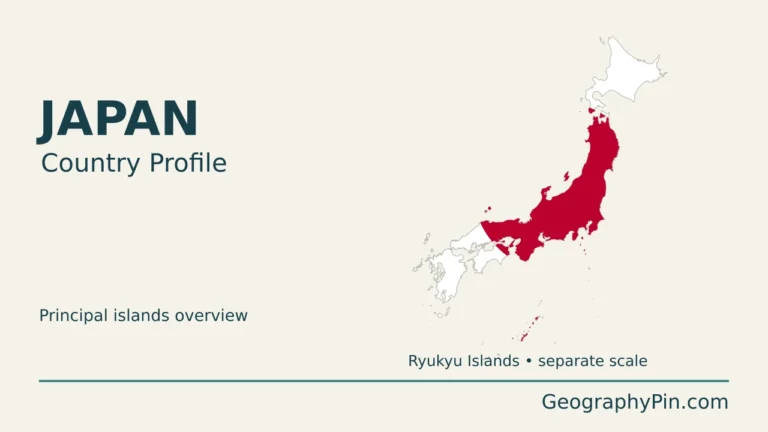
This itinerary suits travelers interested in a working Japanese city, religious architecture, art and a bayfront view. It is not a substitute for a wider Bōsō Peninsula trip. Chiba city lies on Tokyo Bay; the prefecture extends much farther. You can locate Japan on the world map before narrowing the plan to these city districts.
| Your priority | Suggested plan | Arrival focus |
|---|---|---|
| Shrine and art | Half a day in the center; add a meal without rushing the galleries | JR Chiba Station |
| Center plus bayfront | Allow a full day, with a monorail transfer to the port | Chiba, then Chibaminato |
| An exhibition, concert or convention | Build the day around the event’s own entry and finish times | Kaihimmakuhari for Makuhari Messe |
These are planning suggestions, not timed tours. Museum interest, meals and waiting for transport change the pace. For a first city day, I would choose the center and make the port optional, rather than promise all three districts in one afternoon.
Keep “Chiba city” in searches for accommodation and attractions. A result elsewhere in Chiba Prefecture may be perfectly worthwhile but still belong to a different trip. This guide does not fold Narita or distant peninsula resorts into a supposed downtown itinerary.
For the city’s wider setting and history, see the Chiba city profile.
2. A day from Chiba Shrine to the waterfront
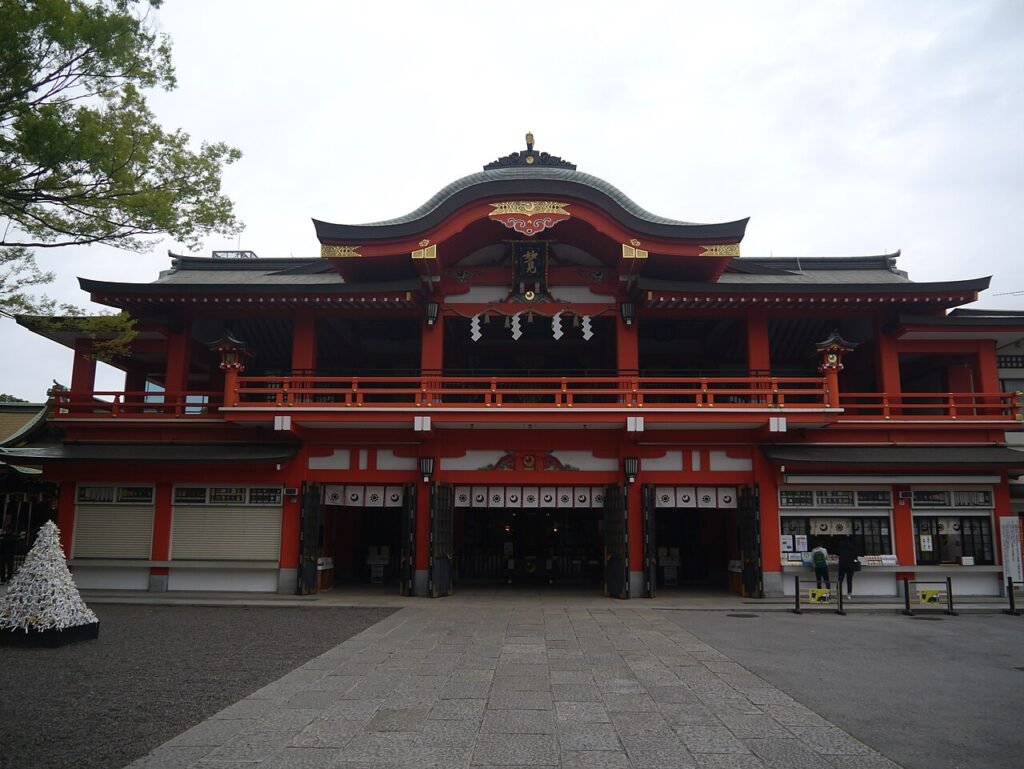
Start with Chiba Shrine. The vermilion main hall gives the morning a clear destination before gallery opening. The shrine identifies its principal deity with Myōken, associated with the North Star in its account of the deity. It remains a place of worship, so give ceremonies and worshippers space rather than treating the grounds solely as a photo stop.
The shrine’s normal grounds access is 6 a.m. to 6 p.m.; special festivals can have different arrangements. An early opening of the grounds does not mean every service counter is operating. Check the shrine’s own visitor information if a specific service matters to your visit.
Continue to the City Museum of Art. Its collecting interests include Japanese painting and prints, contemporary art and works connected with the Bōsō region. Choose the exhibition that interests you rather than expecting every collection highlight to be displayed. The museum is a strong reason to keep the central visit unhurried.
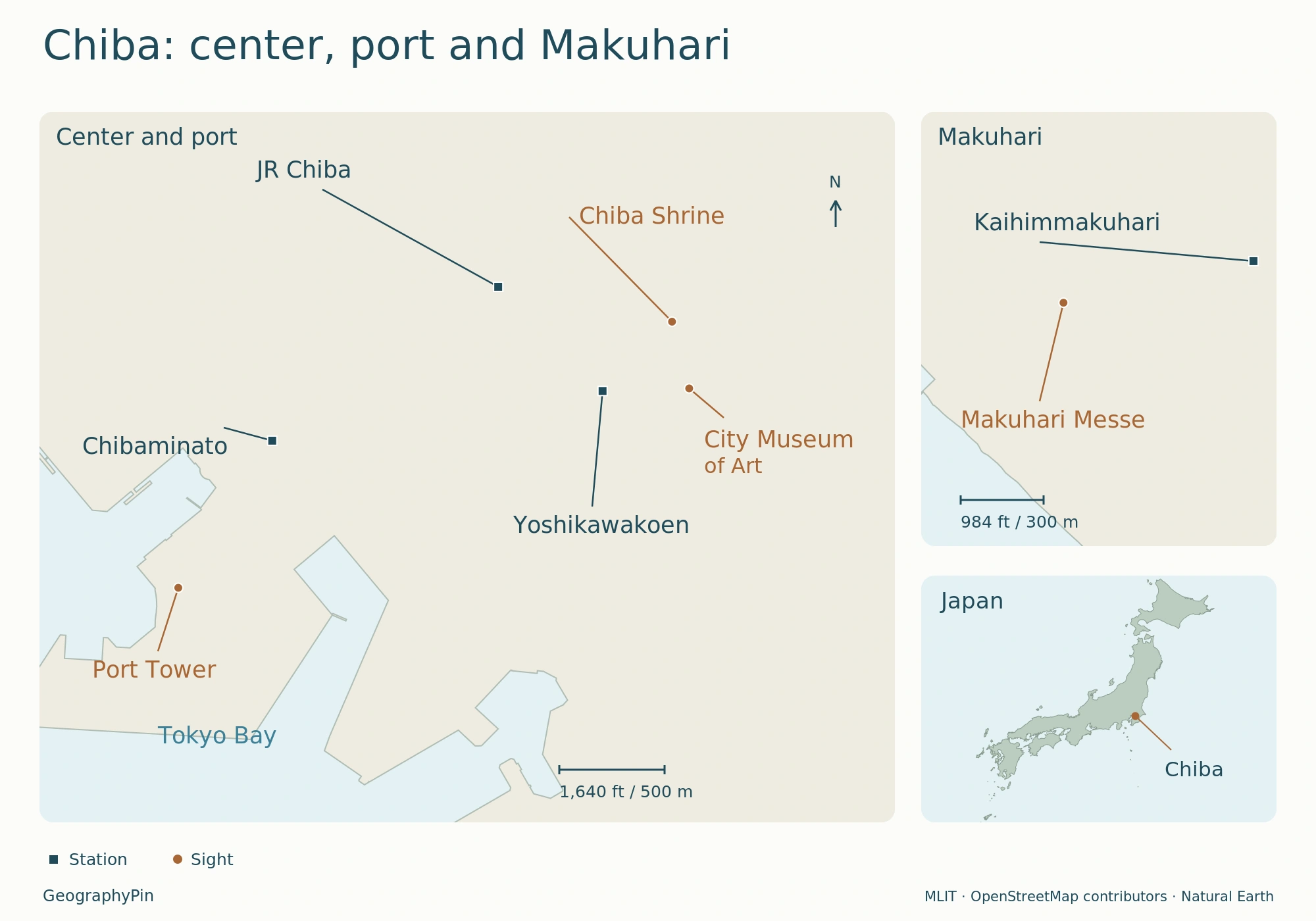
After lunch, decide whether to continue to the port. Use the monorail toward Chibaminato instead of treating the waterfront as the next block of the old center. Chiba Port Tower’s operator gives a walk of about 12 minutes from Chibaminato Station. The tower and surrounding Port Park make a bayfront finish; skip the observation visit if the view is the main attraction and visibility disappoints.
With only a few hours, keep the visit in one district
For a shorter outing, stop after the shrine and museum. You avoid a second transport leg and can give the exhibition enough time. Alternatively, if you arrive at Chibaminato specifically for the waterfront, stay with the port rather than adding a rushed dash to the shrine.
The museum describes a roughly 15-minute walk from JR Chiba’s east exit, or about five minutes from Yoshikawakoen monorail station. These are operator walking estimates, not a promise for every traveler. They also do not describe a certified step-free street route.
3. Stay near the station that serves your plans
Choose the base for the morning you want
Central Chiba is my default for the shrine-and-museum plan. Compare accommodation by its actual station exit and walking route, not simply by the word “Chiba” in the address. A base near JR Chiba reduces backtracking for this itinerary and gives a clear starting point for onward rail travel.
Choose Kaihimmakuhari when Makuhari Messe is the reason for the trip. The venue places its main approach about five minutes on foot from that station. Check the entrance for your particular event: a walk to the convention complex is not the same as reaching the correct hall and passing admission.
Chibaminato is a narrower choice for a port-focused stay. It suits a waterfront priority, but compare the connection to your next destination before booking. None of these district suggestions is a claim that a particular hotel has availability, the lowest price or an accessible room.
If you already have a Tokyo base and want only the central sightseeing day, compare a day return with moving luggage. An overnight is most useful when it supports an early event, a late finish or a second city activity, rather than being necessary to complete this short route.
4. Arrive by the right railway, not just the right city name
For the center, use JR East’s Chiba Station timetable. It distinguishes Sōbu rapid services toward Tokyo from local services and routes continuing toward other parts of the prefecture. Check the train’s destination and stopping pattern rather than boarding simply because the line name looks familiar.
For Makuhari Messe, the relevant JR station is Kaihimmakuhari on the Keiyō Line. It is not JR Chiba Station. The correct arrival choice depends on the first place you intend to visit, not on which station has the city’s name.
Kaihimmakuhari and Makuharihongo are not interchangeable
Makuhari Messe lists a different approach from Makuharihongo, using a bus rather than the short walk from Kaihimmakuhari. Its access page estimates that bus trip at about 17 minutes. Use the venue’s current access instructions and your event’s hall details; do not swap similarly named stations in a booking or route search.
Within the city, the Chiba Urban Monorail map is useful for the center-to-port connection. The network also branches inland, so check the destination display. This is a practical link between selected stops, not a reason to ride the entire network during a short visit.
Arriving through Narita Airport? JR East lists airport-direction services at Chiba, but the correct train still depends on your terminal, departure time and destination. Search that complete journey. An airport transfer to a Makuhari hotel is a different task from a transfer to central Chiba; do not assume one universal airport journey time.
5. Check the exhibition calendar and leave room for weather
Check the museum’s exact exhibition date before fixing the itinerary. Its standard opening is 10 a.m. to 6 p.m., with Friday and Saturday extensions; the Saturday extension does not apply during special-exhibition changeovers. Whole-building closures and gallery closures are different: special exhibitions normally close on Mondays, with holiday adjustments. The museum’s opening and admission page links to its calendar. Special-exhibition prices vary.
The museum’s accessibility information describes a ramp at the first-floor entrance and elevators serving all floors. It also lists loan wheelchairs and accessible toilets. That is useful facility information, but it does not establish the accessibility of every approach from the station. Confirm any essential equipment or assistance directly before travel.
Treat the port as the weather-dependent part. For October 1, 2026 through May 31, 2027, Port Tower’s published hours are 9 a.m.–7 p.m. on weekdays and 9 a.m.–8 p.m. on weekends and public holidays, with last entry 30 minutes earlier. Check the dated winter notice and current announcements before making a special evening trip.
If rain changes the plan, give the museum more time rather than forcing the waterfront stop. Conversely, do not assume a Monday rain plan will work without checking the galleries. For Makuhari, the event’s own calendar and ticket rules take precedence over a general sightseeing itinerary: the convention center is not a single attraction with one admission ticket.
What Did We Learn Today?
A useful Chiba city visit starts with a district choice. The shrine and art museum make a compact central outing, the port is an optional extension, and Makuhari works best around a specific event. Match the hotel and railway station to that plan, then check the exhibition calendar and operator notices before setting out.
Sources & Data Notes
View visitor sources and image credit
Practical sources checked November 18, 2026. The itinerary and base choices are editorial recommendations based on attraction locations and operator information, not a personally tested tour. Walking times are the institutions’ estimates. No fixed rail fare, guaranteed connection or whole-route accessibility claim is made. This guide covers Chiba city; prefecture-wide excursions require separate planning.
- Chiba City Tourism Association: city districts and attraction locations
- Chiba Shrine: worship context and grounds opening
- City Museum of Art: collection policy
- City Museum of Art: station approaches
- City Museum of Art: hours, closure distinctions and admission
- City Museum of Art: accessibility facilities
- Port Tower: 2026–27 winter hours and Chibaminato approach
- Makuhari Messe: station-specific approaches
- JR East: Chiba Station route and timetable index
- JR East: Kaihimmakuhari Station route and timetable index
- Chiba Urban Monorail: station network
Map by GeographyPin, adapted from Japan MLIT National Land Numerical Information (N03, January 1, 2026), CC BY 4.0; local feature positions © OpenStreetMap contributors, ODbL; Japan locator: Natural Earth. Source polygons and point data were styled for this map. Chibaminato marks the JR station, not the adjacent monorail platform. Building markers do not identify entrances or a particular event hall. The Japan inset is general context and omits some outlying islands.
Image: Chiba Shrine main hall, April 5, 2018, by Zairon, Wikimedia Commons, CC BY-SA 4.0. Resized for the site; the theme may crop the display. The image and its adaptations are shared under the same license. The photograph records the scene in 2018, not current access arrangements.