As of 2025, only three widely recognized sovereign states—Ireland, Iceland, and New Zealand—have no native land snakes. The autonomous territory of Greenland is also snake-free; Antarctica (not a country) has none. New Zealand occasionally receives sea snakes on currents, but none have established resident land populations.
Where Are There No Snakes?
Reader intent: an informational checklist with caveats. Below is a verified list of sovereign countries and commonly cited territories that lack native wild snake populations, plus quick notes on sea snakes, accidental arrivals, and local laws. Distances mentioned use both units on first use—for example, drifting sea snakes can travel hundreds of miles (hundreds of kilometers) on currents.
Countries (sovereign states)
Ireland has no native snakes; its only native terrestrial reptile is the common/viviparous lizard. Occasional vagrant marine turtles appear offshore, and the slow worm (a legless lizard, not a snake) is a non-native introduction.
Iceland has no reptiles or amphibians in the wild—its climate and isolation block them entirely.
New Zealand has no native land snakes. However, highly venomous sea snakes and kraits sometimes wash onto beaches after storms; they’re protected wildlife and rarely survive long in the cold waters. Department of Conservation guidance explains what to do if you encounter one.
Territories & non-countries often mentioned
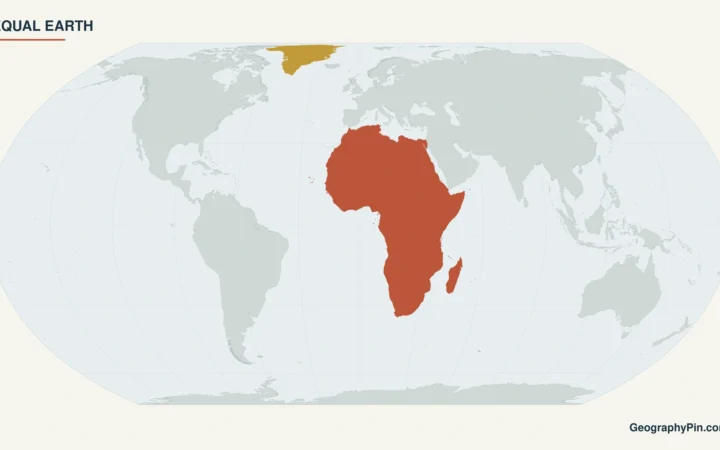
Greenland (autonomous territory within the Kingdom of Denmark) is snake-free; reptiles and amphibians are absent in the Arctic environment.
Antarctica is a continent with no snakes or reptiles at all—but it is not a country.
| Place | Sovereign Country? | Land Snakes | Sea Snakes Offshore | Notes (law & science) |
|---|---|---|---|---|
| Ireland | Yes | None native | Rare vagrants (turtles more typical) | Only native terrestrial reptile is the viviparous lizard; slow worm is a non-native introduction. |
| Iceland | Yes | None | Uncommon/none (waters too cold) | No reptiles or amphibians occur naturally due to climate/isolation. |
| New Zealand | Yes | None native | Yes, occasional (non-resident) | Sea snakes/kraits are protected; strandings follow storms & warmer waters. |
| Greenland | No (autonomous territory) | None | Arctic seas too cold | No native or free-living reptiles/amphibians in the Arctic zone. |
| Antarctica (continent) | Not a country | None | None | Extreme cold prevents reptiles outright. |
Why These Places Lack Snakes
Cold climates restrict reptiles, which are ectotherms (their body temperature follows the environment). The Arctic zone has no reptiles because winter frost leaves no refuge; this alone excludes Greenland and Antarctica.
Isolation & timing after the Ice Age mattered for Ireland and Iceland. After the last glaciation ended ~11,700 years ago, snakes spread into Britain via land bridges—but by the time snakes could have reached Ireland, rising seas had cut the route. In short: no bridge, no snakes.
Biosecurity & geography explain New Zealand. Its islands sit far from snake source populations—about 1,200 miles (≈1,900 kilometers) from Australia across open sea—so only storm-driven sea snakes rarely arrive, and strict laws prevent captive imports from establishing populations. The Department of Conservation notes such visitors are “non-resident” and protected.
Edge Cases & Common Misconceptions
“Hawaii has no snakes.” Hawaii has no native snakes, and keeping snakes is illegal with severe penalties (up to $200,000 and prison). But the tiny Brahminy blind snake (an invasive, earthworm-sized species) is now established in some places, and occasional boas/pythons are intercepted—often arriving in cargo like Christmas trees.
“Alaska is snake-free.” The State of Alaska confirms no wild, resident land-snake populations; rare sea turtles are the only reptiles found there. Isolated reports of garter snakes exist but remain unconfirmed as established populations.
“St. Patrick banished Ireland’s snakes.” That’s folklore. The scientific reason is post-glacial colonization and Ireland’s isolation after sea levels rose.
“Sea snakes mean a country has snakes.” Not necessarily. Biologists separate resident land snakes from vagrant sea snakes that drift ashore after storms. New Zealand explicitly classifies sea snakes and kraits as non-resident visitors.
Biosecurity & The Future: Could Snakes Ever Establish There?
Even snake-free places are vigilant. New Zealand’s Department of Conservation warns that warmer seas and more frequent storms could increase sea-snake strandings; any live animal is protected and must not be handled. Ireland and Iceland rely on cold climate and isolation, but accidental releases (e.g., pets) can still create short-lived sightings.
Laws help keep it that way. In Hawaii, possession of snakes is a felony with fines up to $200,000 and imprisonment; amnesty programs exist to surrender illegal animals without penalty. New Zealand maintains strict import controls and active wildlife surveillance to block risky introductions.
FAQ
Which countries have no snakes at all?
Ireland, Iceland, and New Zealand have no native land snakes; Greenland (autonomous territory) is also snake-free, and Antarctica (a continent, not a country) has none. New Zealand sometimes gets sea-snake visitors after storms.
Why do Ireland and Iceland have no snakes, while nearby places do?
Timing after the Ice Age and geography: snakes reached Britain via land bridges, but sea-level rise cut Ireland off before snakes arrived; Iceland is farther, colder, and isolated.
Does New Zealand have any snakes?
No land snakes. Occasionally, sea snakes and sea kraits drift in on currents; they’re non-resident, venomous, and protected—keep away and call authorities.
Are there really no reptiles in the Arctic?
The Arctic zone lacks reptiles because winter frost offers no refuge; a few amphibians survive at its margins, but reptiles (including snakes) do not.
What Did We Learn Today?
- Only three sovereign countries—Ireland, Iceland, and New Zealand—lack native land snakes as of 2025.
- Greenland is snake-free; Antarctica is too, but it’s a continent, not a country.
- Sea snakes can drift hundreds of miles (hundreds of kilometers) and occasionally reach New Zealand, but they don’t establish on land.
- Biogeography—cold climate, isolation, and post-Ice Age timing—explains snake absence better than legends like St. Patrick.
- Strong laws (e.g., New Zealand and Hawaii) and border checks prevent accidental introductions from cargo and pets.