Historical flag guide
The Transvaal Vierkleur (1858–1902)
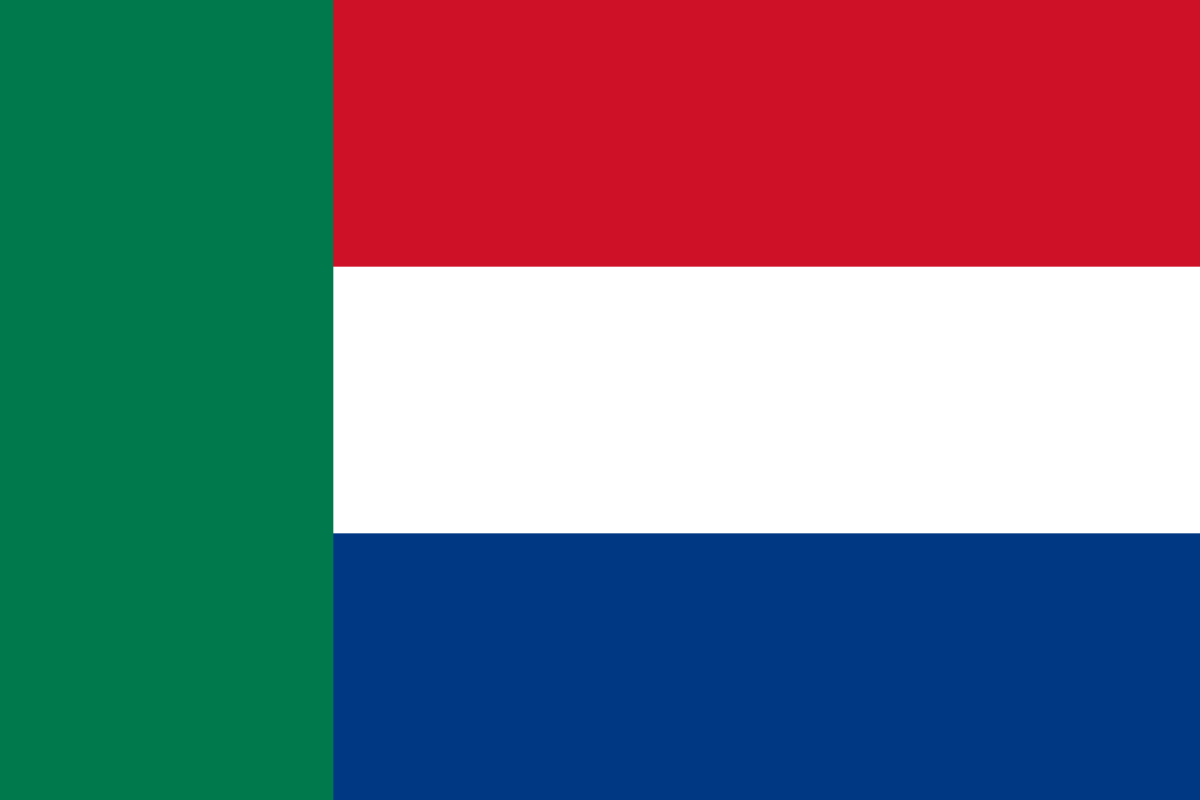
Green vertical hoist band beside horizontal red, white and blue stripes.
When and how this design was used
The South African Republic, commonly called the Transvaal, adopted the Vierkleur in 1858. Its name means “four colours”: the green at the hoist joins red, white and blue horizontal stripes. Its use was interrupted, including during British annexation, before the republic ended in 1902.
Compare with the current flag of South Africa
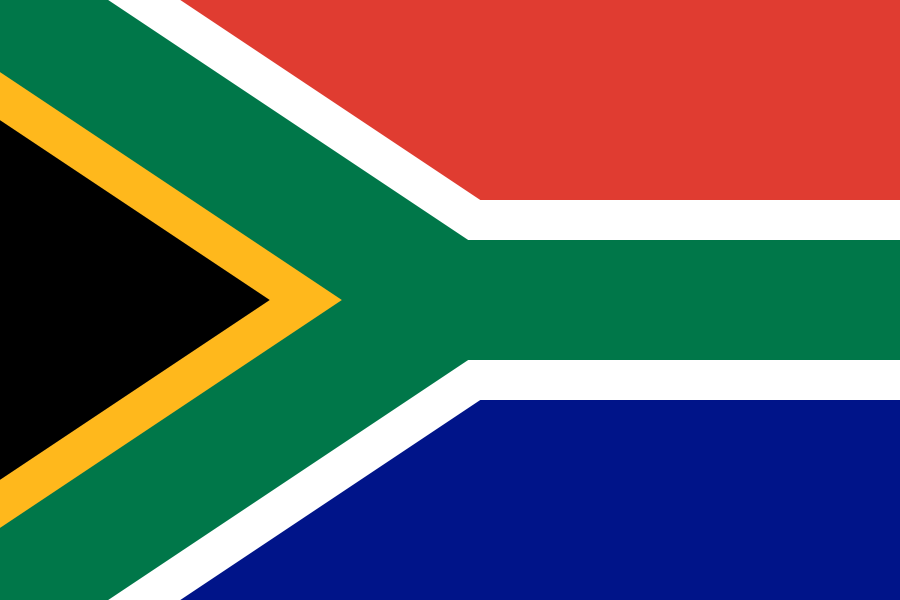
Two equal-width horizontal bands of red (top) and blue separated by a central green band that splits into a horizontal Y; a black isosceles triangle is in the Y, with narrow yellow bands around it; the red and blue bands are bordered by narrow white stripes.
What Did We Learn Today?
The Transvaal Vierkleur placed a green stripe at the pole beside red, white and blue bands. Interruptions matter when dating this republic’s flag.
Sources & Data Notes
View references and illustration credit
- Southern African Vexillological Association, Vierkleur historical notes
- South Africa 1996 (rev. 2012) Constitution, Schedule 1
- South African Government · National flag, symbolism and flying directions
Historical illustration
Illustration source · Himasaram · CC BY-SA 3.0

SVG checked for external and active content; illustration geometry retained.