Historical flag guide
The First Union Flag of Britain (1606–1800)
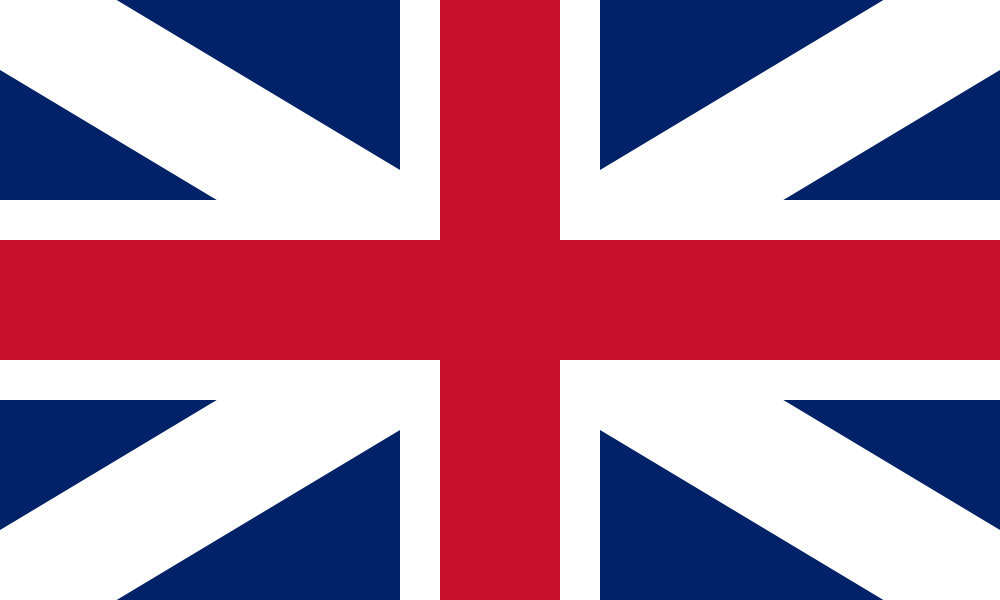
A red upright cross edged in white lies over a white diagonal cross on blue, without red diagonal stripes.
When and how this design was used
The crosses of St George and St Andrew appeared together in the maritime flag of 1606. The flag illustrated here represents the Kingdom of Great Britain from 1707. The red diagonal cross associated with Ireland entered the design in 1801
The first Union Flag answered a practical question about what English and Scottish subjects should fly at sea under their shared monarch. The 1606 proclamation combined the upright cross of St George and the diagonal cross of St Andrew. The kingdoms’ parliamentary union followed in 1707. A red diagonal within the white saltire belongs to the later design introduced in 1801.
Dates in United Kingdom flag history
1606 — First Union Flag · England’s and Scotland’s cross designs were combined.
1707 — Great Britain · The earlier union design represented the new united kingdom.
Compare with the current flag of United Kingdom
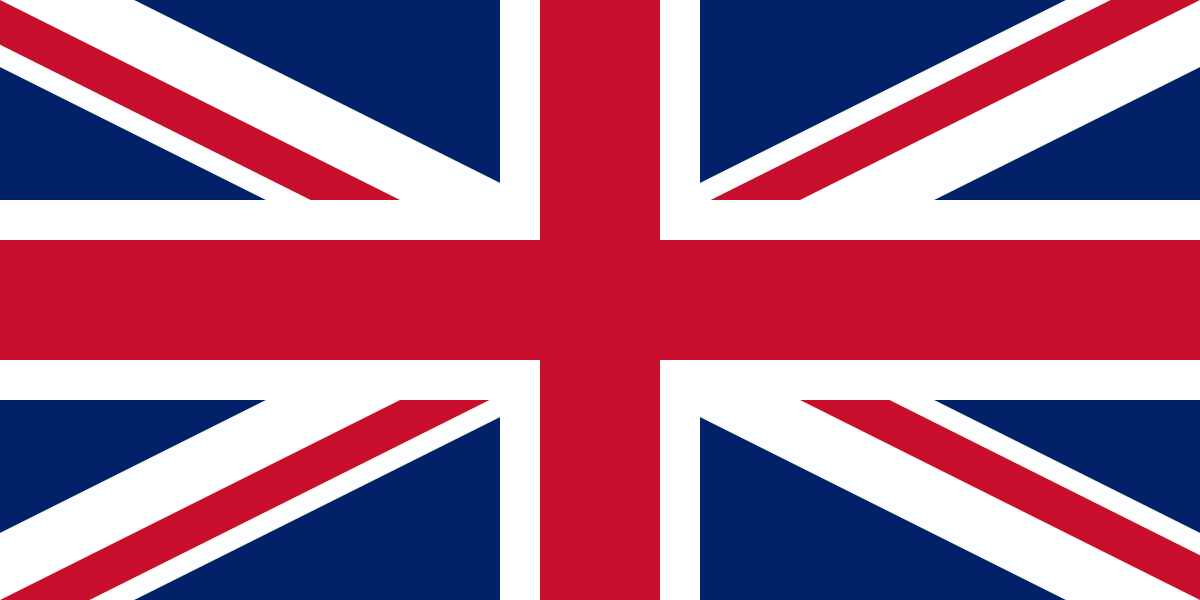
Blue field with the red cross of Saint George (patron saint of England) edged in white on top of the diagonal red cross of Saint Patrick (patron saint of Ireland), which is on top of the diagonal white cross of Saint Andrew (patron saint of Scotland).
What Did We Learn Today?
The first Union Flag combined the crosses of St George and St Andrew. It predates the addition of the red diagonal cross associated with St Patrick.
Sources & Data Notes
View references and illustration credit
- Flag Institute, history and text of the flag proclamations
- UK Parliament · Written answer HL7725 on the Union Flag
- UK Government: Union Flag history and guidance
- The Royal Household: The Union Jack
Historical illustration
Illustration source · Hoshie · Public domain
