Historical flag guide
Flag of the United Tribes of New Zealand (1834–1840)
A red cross on white, with a blue canton divided by a smaller red cross and four white stars.
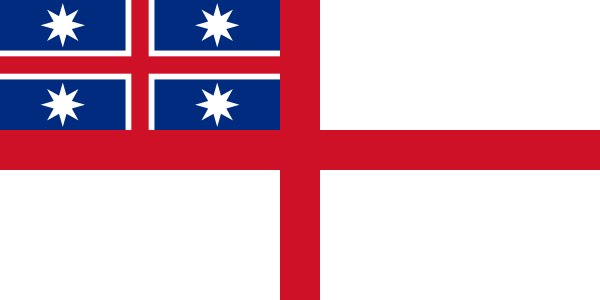
When and how this design was used
Chiefs chose the United Tribes flag at Waitangi in 1834. The Union Jack replaced it as the recognised flag in 1840. Māori communities continued to fly Te Kara after that change
A shipping dispute helped set this flag in motion. In 1830 Sydney customs officials seized the Sir George Murray, a trading vessel built at Hokianga. Ships built in New Zealand lacked a nationally recognised flag under which to trade. Māori chiefs chose a flag at Waitangi in 1834, giving vessels an identity that authorities across the Tasman Sea could recognise.
Dates in New Zealand flag history
1834 — United Tribes flag · Māori chiefs selected an earlier national and shipping symbol.
Compare with the current flag of New Zealand
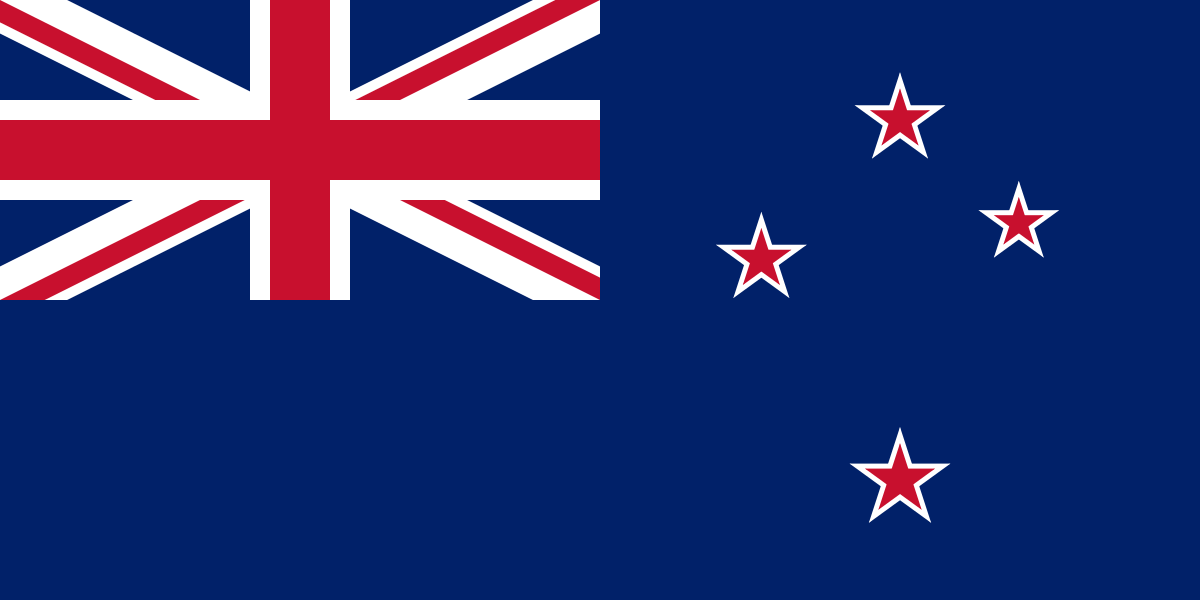
Blue with the UK flag in the upper-left quadrant, with four five-pointed red stars edged in white centered in the right half of the flag.
What Did We Learn Today?
The United Tribes flag had a red cross on white with stars in its canton. Its 1834 recognition and later Māori use describe different parts of its history.
Sources & Data Notes
View references and illustration credit
- Manatū Taonga, the United Tribes flag and the Hokianga shipping dispute
- Manatū Taonga, New Zealand flag design and reproduction
- Manatū Taonga, New Zealand ensign proclaimed
- Manatū Taonga, New Zealand signalling flag
Historical illustration
Illustration source · No machine-readable author provided. Greentubing assumed (based on copyright claims). · CC BY-SA 2.5
