Flag Explorer
U.S. Flag Day on June 14
U.S. Flag Day is June 14 every year. It marks the day in 1777 when the Continental Congress adopted the Stars and Stripes. The anniversary stays on June 14 when it falls on a weekend. National Flag Week is the week that includes that date.
What happened on June 14, 1777?
The Continental Congress specified thirteen alternating red and white stripes and thirteen white stars on blue. The resolution left the arrangement of the stars open. A picture showing the stars in a circle represents one early arrangement. The text of the resolution gives no single pattern for their placement.
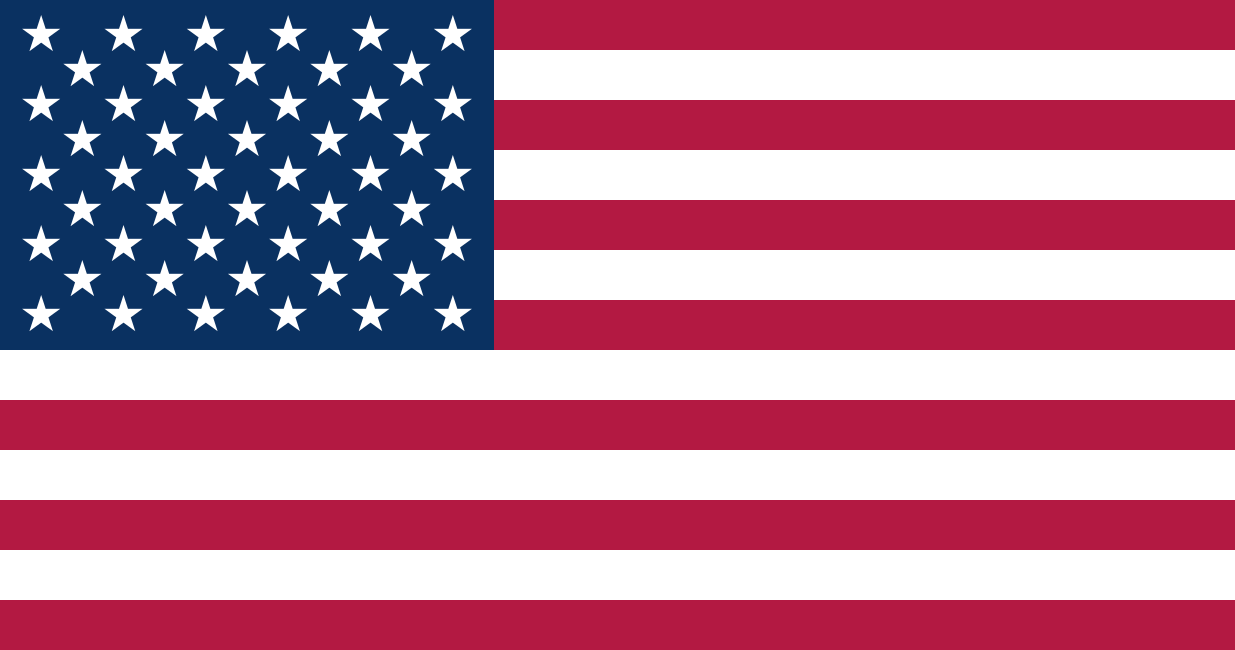
Today’s fifty-star flag came into use on July 4, 1960, after Hawaii joined the Union. Flag Day therefore celebrates the adoption of a national flag tradition that already had nearly two centuries of history when the fiftieth star appeared.
How did Flag Day become a national observance?
Communities and schools had held June 14 flag celebrations before President Woodrow Wilson issued a national Flag Day proclamation in 1916. In 1949 President Harry S. Truman signed the legislation designating June 14 as Flag Day. Federal law asks the president to call for display of the flag on federal government buildings and to invite people across the country to observe the anniversary.
Flag Day is a national observance. The federal employee holiday calendar lists Juneteenth on June 19 as the June federal holiday. A Flag Day ceremony on June 14 does not by itself close federal offices.
Should the flag fly at full staff on Flag Day?
Full staff is the customary position on June 14. The Flag Code lists Flag Day as a day to display the flag. A separate presidential or state half-staff order can apply on the same date. For a ceremony, check the authority, dates and places named in the relevant official notice.
The usual outdoor display runs from sunrise to sunset. To keep a flag up at night for patriotic display, illuminate it. Use an all-weather flag if the display continues in rain. When showing the flag flat against a wall, place the blue field of stars at the upper left as the viewer faces it.
Flag Day, Flag Week and Independence Day
| Observance | When | What it marks |
|---|---|---|
| Flag Day | June 14 | The 1777 resolution adopting the Stars and Stripes. |
| National Flag Week | The week containing June 14 | A week of flag display and observances. |
| Independence Day | July 4 | The adoption of the Declaration of Independence in 1776. |
Sources & Data Notes
- Library of Congress, Today in History for June 14 · the 1777 resolution, the 1916 proclamation, the 1949 law and the fifty-star flag.
- 36 U.S.C. §110 and §122 · Flag Day and National Flag Week.
- 4 U.S.C. §6 and §7 · display times and the position of the flag.
- U.S. Office of Personnel Management · federal holidays.
- National Archives, Declaration of Independence · the event commemorated on July 4.