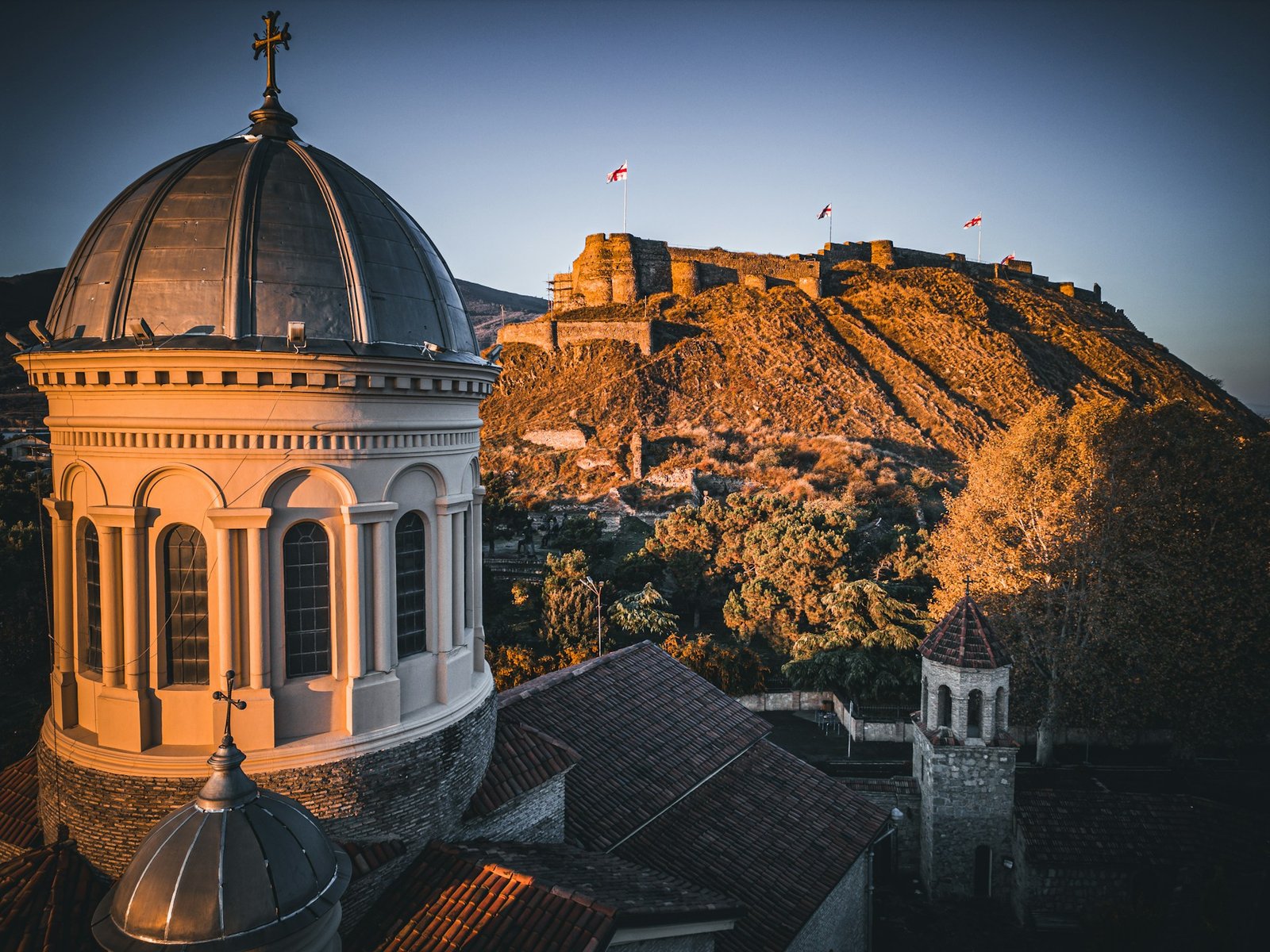
Poland’s cities and towns offer different ways to explore the country: royal architecture in Kraków, maritime history in Gdańsk, reconstructed heritage in Warsaw and riverside scenery in smaller places such as Kazimierz Dolny. This guide brings together ten destinations, with the sights and historical context that make each worth considering.
The list is an editorial travel selection, not a ranking by population, visitor numbers or an official “best city” award. The numbering helps you navigate the guide; it does not mean the first destination is better than the tenth.
For a history-focused introduction, consider Kraków or Warsaw. Gdańsk adds maritime heritage and the story of Solidarity; Toruń combines medieval streets with gingerbread traditions. Kazimierz Dolny and Sandomierz offer smaller-town settings, while Bydgoszcz, Poznań, Olsztyn and Wrocław bring their own mix of waterways, architecture, museums and green space.
Choose by interest and available time. This is a shortlist to help plan a trip, not a single route that needs to include all ten places.
Choose Your Next Stop
Use the themes below to narrow your options. These are planning suggestions based on the sights described in this guide, not scores or statistical categories.
On smaller screens, swipe or scroll sideways to see all columns.
| Destination | Consider it for | Start with |
|---|---|---|
| Kazimierz Dolny | Renaissance architecture and river scenery | Market Square, castle ruins and riverside walks |
| Kraków | Historic architecture and museums | Wawel, Main Market Square and Kazimierz |
| Gdańsk | Maritime heritage and modern European history | Main Town, Neptune Fountain and European Solidarity Centre |
| Bydgoszcz | Riverside walks and industrial heritage | Mill Island, the Brda and historic granaries |
| Poznań | Historic squares, architecture and parks | Old Market Square, cathedral and Imperial Castle |
| Sandomierz | A compact historic town and viewpoints | Old Town and Opatowska Gate |
| Toruń | Medieval streets and food heritage | Old Town Hall, gingerbread museums and Copernicus heritage |
| Warsaw | National history and contrasting architecture | Old Town, Royal Castle area and museums |
| Olsztyn | A city break with easy access to water and greenery | Old Town, Warmian Chapter Castle and lakes |
| Wrocław | Architecture and a playful walking route | Market Square, Ostrów Tumski and dwarf sculptures |
1. Kazimierz Dolny: Renaissance Townscapes Beside the Vistula

Kazimierz Dolny is a small town rather than a major metropolis, and that is part of its appeal. Its relationship with the Vistula, historic merchant houses and long association with artists make it a distinctive choice alongside Poland’s larger cities.
Start in the Market Square, where decorated Renaissance façades reward a closer look. Above the town, the castle ruins and nearby viewpoints help explain the setting: buildings cluster between the river and wooded hills. The Polish Tourism Organisation also highlights the riverside granaries and the root-lined Korzeniowy Dół ravine. These give a visit a useful balance of architecture and landscape.
Planning idea: Combine the square and riverside with one hilltop viewpoint rather than treating the town as a quick photo stop. Allow for slopes and uneven paths. Explore Kazimierz Dolny with the Polish Tourism Organisation.
2. Kraków: Royal History and Jewish Heritage

Kraków brings together the royal complex on Wawel Hill, the Main Market Square and the historic district of Kazimierz. Its UNESCO-listed historic centre offers more than a collection of individual monuments: the relationship between streets, public squares, religious buildings and former trading areas is part of its importance.
The Cloth Hall and St. Mary’s Basilica are natural starting points around the Main Market Square. Add Wawel for royal history, then give Kazimierz time of its own to explore its Jewish heritage. Do not confuse this district with the separate town of Kazimierz Dolny elsewhere in this guide.
For twentieth-century history, Oskar Schindler’s Enamel Factory presents the Museum of Kraków’s exhibition on the city under Nazi occupation in 1939–1945. Check the museum’s current booking arrangements before planning around a visit.
Planning idea: Separate the Old Town and Wawel from a museum-focused day rather than trying to see everything in one afternoon. See UNESCO’s description of Kraków and the official city-break guide.
3. Gdańsk: Maritime History and Solidarity

Gdańsk’s Baltic setting and trading history distinguish it from Poland’s inland destinations. For visitors, the Main Town is the best starting point for the familiar ensemble of Długa Street, Długi Targ, the Main Town Hall and Neptune’s Fountain. The Main Town and Old Town are distinct historic areas, even though visitor descriptions sometimes blur the names.
Walk along Mariacka Street toward St. Mary’s Basilica, then make space for a different chapter of the city’s history at the European Solidarity Centre. Its exhibitions explain the Solidarity movement and the political changes that helped reshape Europe.
Planning idea: Treat the historic streets and the Solidarity Centre as complementary visits. One shows the trading city’s architecture; the other provides context for its modern political significance. Gdańsk’s official attractions guide explains these landmarks and links to visitor information.
4. Bydgoszcz: A City Shaped by Water

Water is central to Bydgoszcz’s geography, but its appeal is more specific than a comparison with Amsterdam. The historic centre developed along the Brda, while the wider waterway network connects with the Vistula and the Bydgoszcz Canal. Mill Island and the Młynówka channel provide a particularly clear introduction to this landscape.
Walk between the island, riverside granaries and Old Town to see how trade and industry shaped the city. Former industrial buildings now sit alongside museums, public spaces and places to pause beside the water. Beyond the waterfront, the city’s architecture adds another reason to slow down and explore.
Planning idea: Begin with a walking route; consider a boat trip only after checking the current season and timetable. The official Old Town route explains the island and its waterways, while the boat-trip guide describes available routes.
5. Poznań: Market-Square Colour and Layers of History

Poznań’s Old Market Square offers a compact introduction to the city, with its Renaissance town hall and colourful former merchants’ houses. Their modest scale contrasts with the larger civic buildings around them.
Continue to Ostrów Tumski and the Cathedral of Saints Peter and Paul for the city’s early history. The former Imperial Castle now houses the ZAMEK Culture Centre. For green space, look to Cytadela, or Citadel Park. The Wielkopolska Tourist Organisation’s Poznań guide explains the square, cathedral and park.
Current visitor note: The Palm House, mentioned in older guides, is temporarily closed for modernisation and rebuilding. The operator’s closure notice was current when this guide was checked on 9 November 2026. Check the Palm House’s own announcement before adding it to an itinerary.
Planning idea: Choose the old centre and cathedral for a history-focused visit, or add the castle and a park for a broader introduction.
6. Sandomierz: Hilltop Streets and a Historic Gateway

Sandomierz is another small-town counterpoint to Poland’s major urban centres. Its elevated historic centre and church skyline make it a rewarding place to explore on foot. The nickname “Polish Rome” is a travel comparison, not a claim that the two cities share the same history or architecture.
Explore the historic street pattern through the relationship between the market square, churches, surviving defences and surrounding landscape.
The Opatowska Gate is a surviving medieval gateway with a viewing terrace at the top. The viewpoint is part of the gate, rather than simply a platform nearby. Sandomierz’s tourism guide describes the gate and its panorama.
Planning idea: Combine the Old Town with the gate if access is available, allowing for steps and climbs. Check current visitor arrangements rather than assuming the viewpoint is always open.
7. Toruń: Gingerbread and Copernicus

Toruń combines a well-preserved medieval urban landscape with two familiar associations: gingerbread and Nicolaus Copernicus. Its UNESCO-listed medieval town includes the Old Town, New Town and the remains of the Teutonic castle, providing more to explore than a single market square.
Gingerbread museums offer a way to learn about a local craft as well as taste its products. Check individual venues for exhibitions, workshops and booking requirements. Toruń is the birthplace of Nicolaus Copernicus. The House of Copernicus museum explores the astronomer’s life and work, adding another theme for visitors interested in the history of astronomy.
For an elevated view, distinguish two different landmarks: the Old Town Hall tower and the cathedral tower. These are separate landmarks. Opening arrangements can differ, so select the one that fits your visit.
Planning idea: Combine a walk through the UNESCO-listed medieval town with one museum or workshop rather than trying to fit every attraction into a brief stop.
8. Warsaw: Reconstruction, Museums and Modern City Life

Poland’s capital rewards visitors who look beyond the contrast between historic-looking streets and modern towers. Its Old Town is also an important story of reconstruction. After devastating destruction during the Second World War, much of the historic centre was rebuilt. UNESCO recognises the significance of that reconstruction, not an untouched survival of the medieval city.
The Old Town Market Square is lined by reconstructed townhouses. The former town hall in the square was demolished in 1817, long before the wartime destruction. The Museum of Warsaw’s historical walking tour makes this chronology clear.
Continue toward Castle Square and the Royal Castle area, or use a museum visit to deepen your understanding of Warsaw’s history. Parks and riverside spaces offer a change of pace from dense sightseeing.
Planning idea: Choose museums by theme and leave room between them. The city’s official Old Town guide is a useful starting point for a first walk.
9. Olsztyn: Warmian History and Lakeside Walks

Olsztyn, the capital of the Warmian-Masurian Voivodeship, combines an urban historic centre with lakes and wooded surroundings. Geographically and historically it belongs to Warmia, so it is useful not to treat the wider region’s name as making every place in it part of Masuria.
The Old Town, its old town hall and the Gothic Warmian Chapter Castle, home to the Museum of Warmia and Masuria provide a starting point for the architectural side of a visit. For a different pace, explore the city’s lake areas, such as Ukiel or Długie.
How many lakes are there? The municipal tourism portal describes 11 lakes and four smaller reservoirs, while other city materials use the promotional phrase “city of 15 lakes.” The totals differ because the smaller reservoirs are counted separately in some descriptions. Read the city’s description of its lakes and forests.
Planning idea: Pair the historic centre with a lakeside walk. Swimming, boating and other seasonal activities require a separate check of conditions, facilities and current access.
10. Wrocław: Market Squares, Cathedral Heritage and Dwarfs

Wrocław’s Market Square makes a lively introduction to the city, with its historic town hall and surrounding streets. Follow a walk through the centre with Ostrów Tumski, the cathedral area and one of the oldest parts of Wrocław. These places show different layers of the city’s history rather than one uniform architectural period.
The small dwarf sculptures, known as krasnale, add a playful thread to sightseeing. Their number changes, and totals depend on which figures are included. Use the official dwarf directory to choose a manageable route.
Planning idea: Combine the Market Square with a short dwarf hunt, then explore Ostrów Tumski and the cathedral as a separate part of the walk. Consult venue information for interior visits rather than assuming all historic buildings are accessible throughout the day.
Frequently Asked Questions
Is this a list of Poland’s ten largest cities?
No. It is a travel selection that includes small towns as well as major cities. Population rankings answer a different question and depend on a reference date and clearly defined city boundaries.
Are Kazimierz Dolny and Kraków’s Kazimierz the same place?
No. Kazimierz Dolny is a separate town on the Vistula. Kazimierz in Kraków is a historic district associated with the city’s Jewish heritage.
Is Warsaw’s Old Town original?
Much of it was reconstructed after the Second World War. Its heritage significance includes that reconstruction. The former town hall in the Old Town Market Square had already been demolished in 1817.
Which places suit a trip focused on water and green space?
Consider Olsztyn for lakeside walks, Bydgoszcz for its urban waterways or Kazimierz Dolny for a riverside town setting. These are editorial suggestions, not an environmental-quality ranking.
Should I visit all ten on one trip?
Not necessarily. Choose a few destinations that match your interests and check transport connections before booking. Museum admission, tower access and seasonal activities can change; use the linked official sources for current arrangements.
What Did We Learn Today?
Poland’s urban heritage is varied: a reconstructed capital, medieval trading towns, royal and religious centres, industrial waterways and lakeside landscapes all belong in the picture. “Top” is a matter of travel interests here, not city size. A rewarding itinerary combines a few well-chosen places and leaves enough time to understand what makes them different.
Sources & Data Notes
Fact-check date: 9 November 2026. This guide preserves the original ten-destination selection. No population estimates, numerical scores or official tourism ranking are used. Practical planning ideas are editorial suggestions; opening times, prices, reservations and access should be checked with the relevant operator.
Historical and geographical claims were checked against the following official tourism, museum and heritage sources. Links within the city sections provide more specific visitor information.
- Polish Tourism Organisation: Kazimierz Dolny
- UNESCO: Historic Centre of Kraków
- Museum of Kraków: Oskar Schindler’s Enamel Factory
- Official Gdańsk tourism: principal attractions
- Official Bydgoszcz tourism: Old Town walking route
- Wielkopolska Tourist Organisation: Poznań
- Poznań Palm House: current closure announcement
- Sandomierz tourism: Opatowska Gate
- UNESCO: Medieval Town of Toruń
- Museum of Warsaw: Old and New Town walking tour (10 October 2023)
- UNESCO: Historic Centre of Warsaw
- Olsztyn municipal tourism: lakes and forests
- Museum of Warmia and Masuria: castle museum
- Official Wrocław tourism: dwarf directory
Historical reading: The original guide linked to CNN’s feature on romantic towns in Central Europe. That link is retained as earlier travel coverage, not as evidence for a current award or ranking.
Counting and date notes: Olsztyn’s municipal materials use different conventions for lakes and smaller reservoirs; the city section states the distinction explicitly. No fixed total is given for Wrocław’s changing collection of dwarf sculptures. The Poznań Palm House closure is a time-sensitive operator notice, not a permanent description of the attraction.