Category: Human Geography

People, places, and patterns— culture, economies, and histories. This hub links to population and urbanization, culture and traditions, history, economy and resources, and architecture and landmarks.

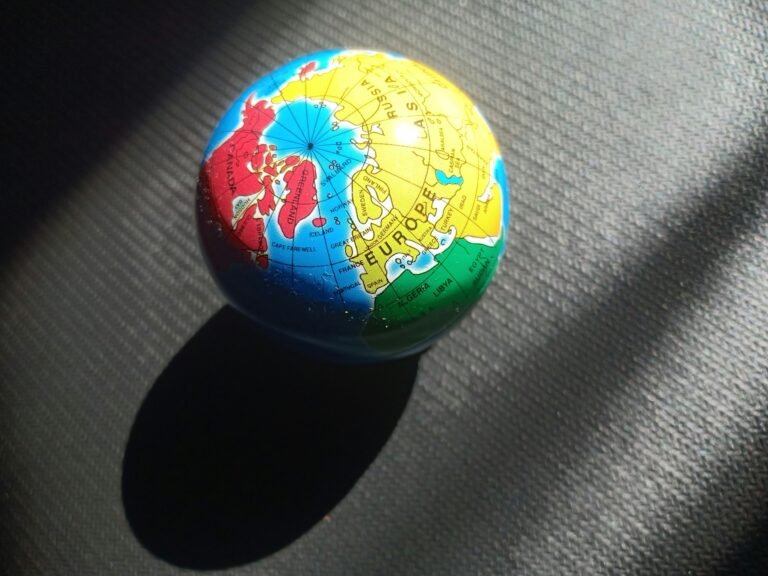
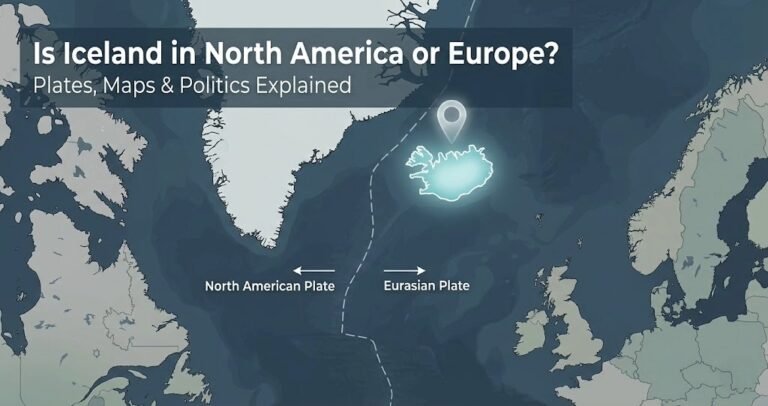
Is Iceland in North America or Europe? (Plates, Maps & Politics Explained)

12 mins read

Look at a world map and Iceland sits alone in the North Atlantic Ocean between Greenland and Norway. Some people say it belongs to North America, others insist it is European, and both sides can point to facts. In reality, Iceland’s geology and its politics tell slightly different stories. Is Iceland in North America or […]
Read more

Socialist Countries (2025): Definitive List & Explained

8 mins read

Asking “Which countries are socialist?” sounds simple—but it isn’t. Some states constitutionally declare themselves socialist; others only mention “socialism” in their preambles or names; and many democracies elect parties with socialist platforms without changing their constitutional system. This guide sorts the terms, names the current cases, and shows where confusion comes from—as of 2025. What […]

Read more

Top Countries for Photography (2025): 12 Best

9 mins read

Which countries consistently deliver jaw-dropping frames—whether you’re chasing city skylines, ancient sites, or big wilderness? As a travel-geography writer and photographer, I weighed variety, access, light, safety, and costs to build this practical, up-to-date list for 2025. You’ll also find best months, classic locations, and 10-day route ideas with distances in both miles and kilometers. […]

Read more

Countries That Still Have Slavery

7 mins read

When people ask which countries still have slavery, they usually mean where modern slavery—forced labour, forced marriage, and human trafficking—remains most widespread today. No state legally recognises chattel slavery anymore, yet exploitation persists in every region and economy. As of 2021, about 50 million people were trapped in modern slavery worldwide. Quick answer — Which […]

Read more

Original Purpose of the Eiffel Tower (1889 Exposition)

7 mins read

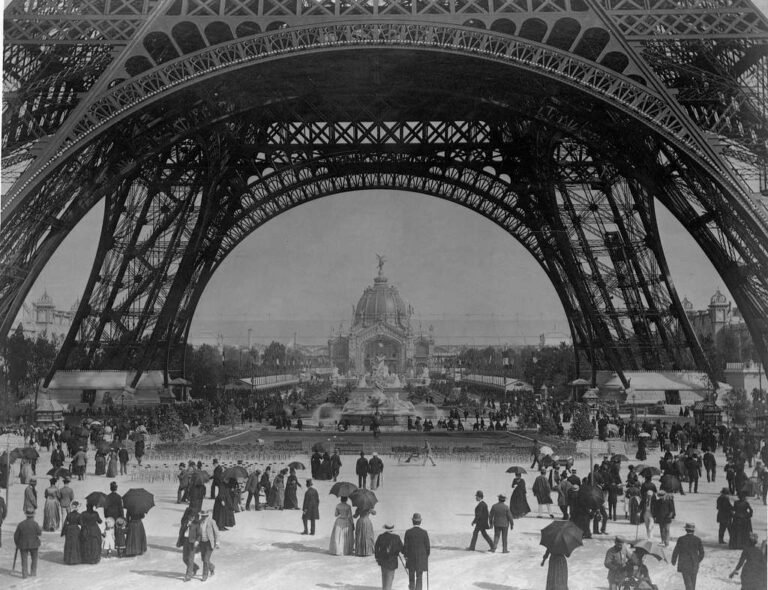
If you walked onto Paris’s Champ-de-Mars in the spring of 1889, you’d pass under a brand-new iron giant nearly 984 feet (300 meters) tall. It wasn’t built for romance or selfies. It was built to prove something — loudly — at the world’s fair. Quick Answer: The Eiffel Tower’s original purpose was to serve as […]

Read more

Who Designed the Eiffel Tower? Koechlin, Nouguier, Sauvestre

6 mins read

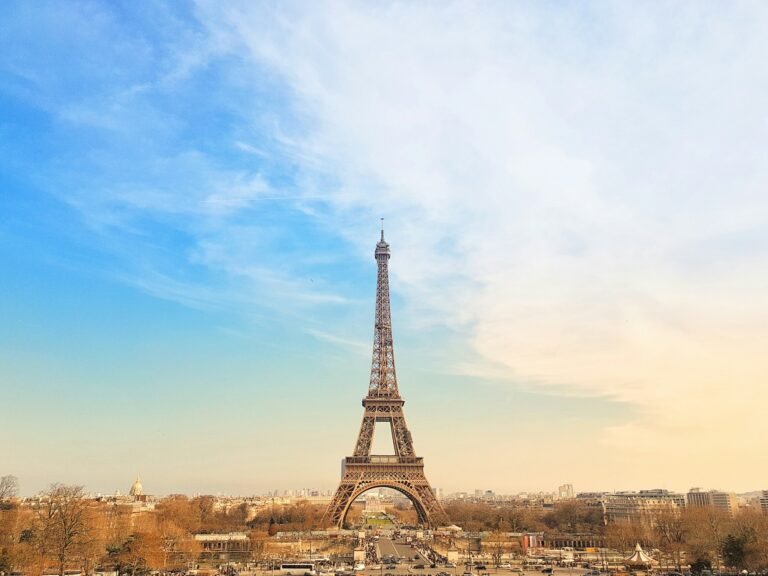
The Eiffel Tower didn’t spring fully formed from one mind. It began as a bold engineering sketch in 1884, sharpened by a crucial patent, and transformed by smart architecture—then built at record speed for the 1889 World’s Fair. Here’s exactly who designed it, what each person did, and why the credit matters. Quick Answer: The […]

Read more

Cable Cars in Capital Cities for Public Transit

16 mins read

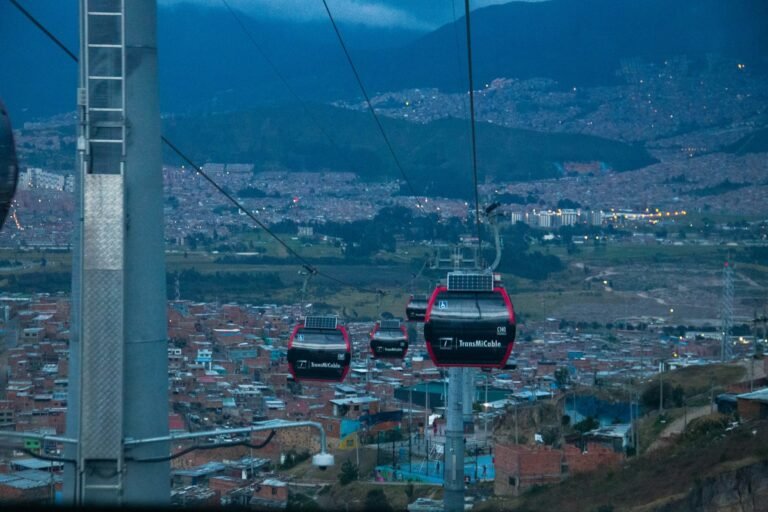
Imagine gliding above rush-hour traffic in a cable car, watching the city unfold beneath your feet. This isn’t a theme-park ride; it’s the daily commute for thousands in certain world capitals. Traditionally, cable cars served tourists or ski resorts. Today, a growing number of capital cities adopt urban cable car systems to solve real transit […]

Read more

Dead Sea Israel vs. Jordan: Which Side Is Better for You?

9 mins read

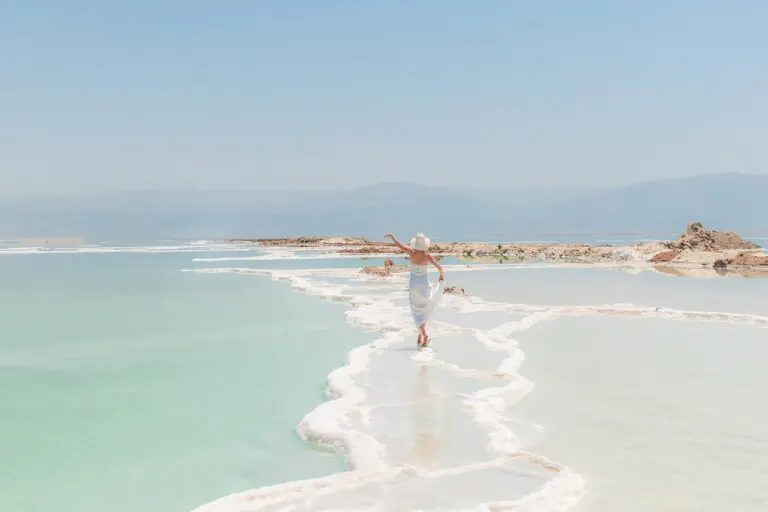
The Dead Sea’s shores stretch along Israel/West Bank to the west and Jordan to the east, meeting at Earth’s lowest dry-land elevation, roughly 1,300 feet (≈430 meters) below sea level. That single fact shapes everything here: hotter air, denser water, and surreal landscapes. As a visitor, your real question isn’t “which country is best,” but […]

Read more

Dead Sea Scrolls: What They Are & Why They Matter

7 mins read

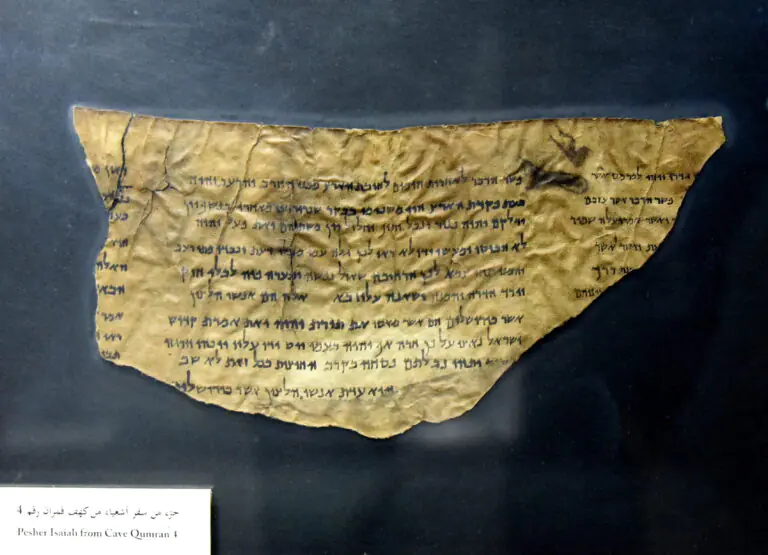
The Dead Sea Scrolls are among the most important archaeological discoveries of the 20th century. Found in caves near Qumran on the northwestern shore of the Dead Sea, these ancient manuscripts—dating roughly from the 3rd century BCE to the 1st century CE—reveal how Jews read, copied, and debated sacred texts in the Second Temple era. […]

Read more

Inside UNESCO: History, Programs, Results

8 mins read

UNESCO is the United Nations Educational, Scientific and Cultural Organization. Born in the aftermath of World War II, it was set up to “build peace in the minds of men and women” by advancing education, culture, science, and free information. Today its work ranges from safeguarding World Heritage to warning coasts about tsunamis and tracking […]

Read more