Category: Explainers & Big Questions

Clear answers to common geography questions, from definitions to famous debates. Short, sourced explainers with maps and simple visuals help you understand the “what,” “where,” and “why”—without the jargon.

Saltiest Lakes in the World: Why They’re Shrinking

22 mins read

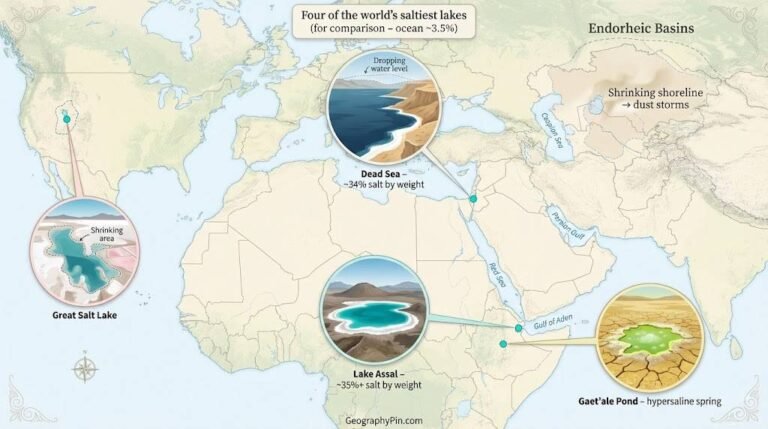
On a hot afternoon in Ethiopia’s Danakil Depression, a small pool called Gaet’ale Pond is so salty that crystals crunch underfoot. On the other side of the world, Utah’s Great Salt Lake has lost most of its water and now sends salty dust toward nearby cities. From Ethiopia to Antarctica, the saltiest lakes in the […]
Read more

Countries Whose Borders Change Every Year (Due to Rivers)

15 mins read

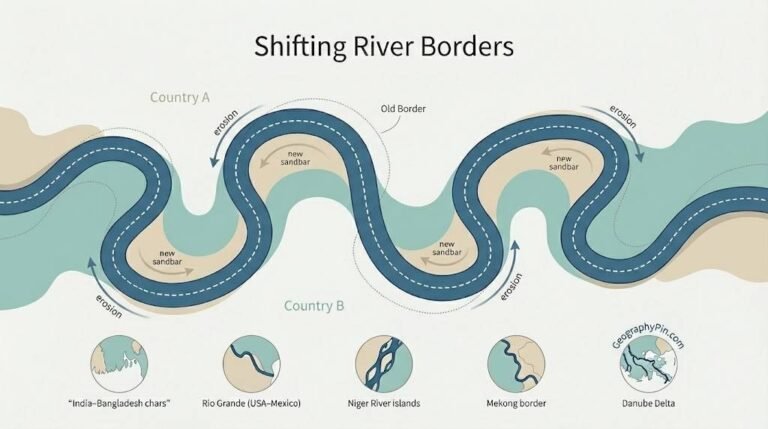
Rivers do not stay where maps put them. Channels creep sideways, islands rise out of muddy water, and banks crumble after big floods. Along a few international rivers, those quiet shifts can move the exact line of a border by a few yards. In some places, they even push it hundreds of yards from one […]

Read more

The World’s Rarest Landforms You’ve Never Heard Of (With Examples)

13 mins read

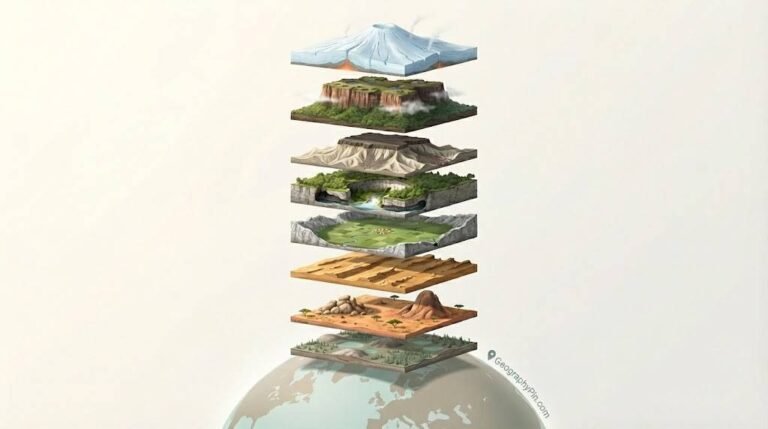
In most school atlases you meet mountains, plains, valleys and maybe a famous canyon or two. But Earth’s surface is full of stranger shapes that only specialists usually talk about. As of 2025, geomorphologists have mapped landforms so unusual that even many geography fans have never met their names: nubbins, poljes, mega-yardangs and more. What […]

Read more

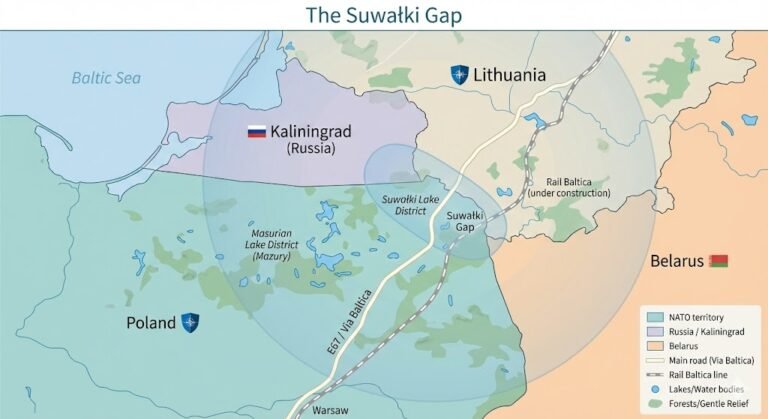
The Suwalki Gap: NATO’s Most Dangerous Corridor?

14 mins read

For years, a short stretch of countryside on the border between Poland and Lithuania has had an alarming label in headlines: “the most dangerous place on Earth.” This 60-mile (about 100-kilometer) strip, known as the Suwałki Gap or Suwałki Corridor, is where NATO territory squeezes between Russia’s Kaliningrad exclave and its ally Belarus.If a conflict […]

Read more

Socialist Countries (2025): Definitive List & Explained

8 mins read

Asking “Which countries are socialist?” sounds simple—but it isn’t. Some states constitutionally declare themselves socialist; others only mention “socialism” in their preambles or names; and many democracies elect parties with socialist platforms without changing their constitutional system. This guide sorts the terms, names the current cases, and shows where confusion comes from—as of 2025. What […]

Read more

Countries That Still Have Slavery

7 mins read

When people ask which countries still have slavery, they usually mean where modern slavery—forced labour, forced marriage, and human trafficking—remains most widespread today. No state legally recognises chattel slavery anymore, yet exploitation persists in every region and economy. As of 2021, about 50 million people were trapped in modern slavery worldwide. Quick answer — Which […]

Read more

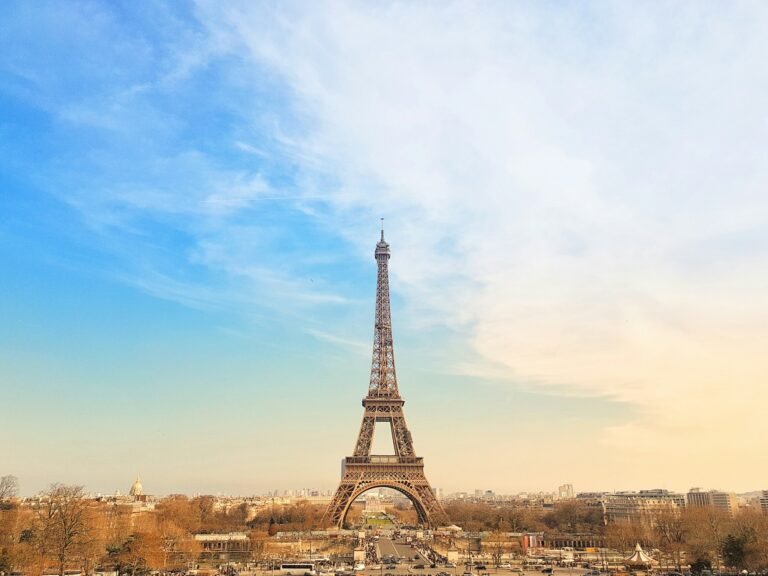
Original Purpose of the Eiffel Tower (1889 Exposition)

7 mins read

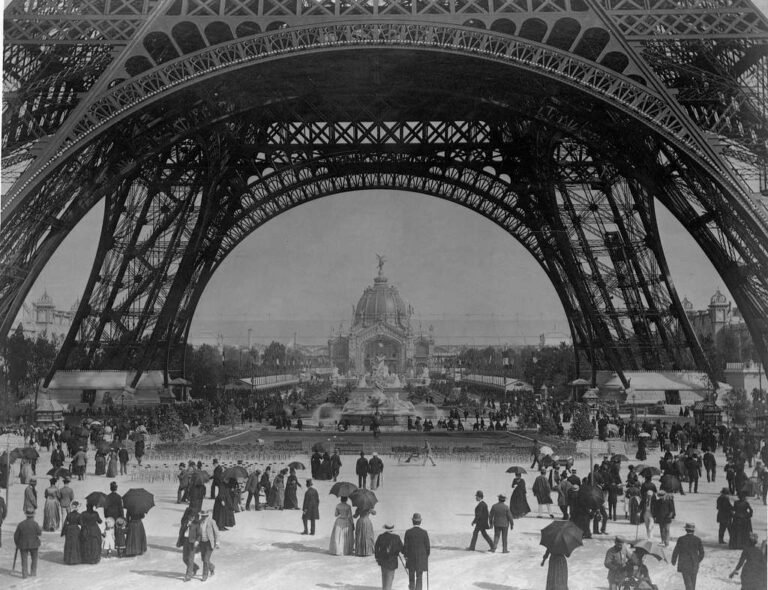
If you walked onto Paris’s Champ-de-Mars in the spring of 1889, you’d pass under a brand-new iron giant nearly 984 feet (300 meters) tall. It wasn’t built for romance or selfies. It was built to prove something — loudly — at the world’s fair. Quick Answer: The Eiffel Tower’s original purpose was to serve as […]

Read more

Who Designed the Eiffel Tower? Koechlin, Nouguier, Sauvestre

6 mins read

The Eiffel Tower didn’t spring fully formed from one mind. It began as a bold engineering sketch in 1884, sharpened by a crucial patent, and transformed by smart architecture—then built at record speed for the 1889 World’s Fair. Here’s exactly who designed it, what each person did, and why the credit matters. Quick Answer: The […]

Read more

Cable Cars in Capital Cities for Public Transit

16 mins read

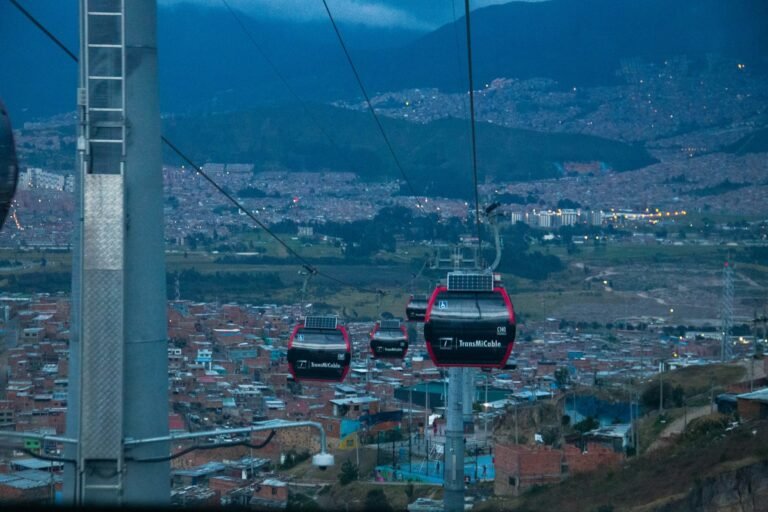
Imagine gliding above rush-hour traffic in a cable car, watching the city unfold beneath your feet. This isn’t a theme-park ride; it’s the daily commute for thousands in certain world capitals. Traditionally, cable cars served tourists or ski resorts. Today, a growing number of capital cities adopt urban cable car systems to solve real transit […]

Read more

Lake Titicaca: World’s Highest Navigable Lake

8 mins read

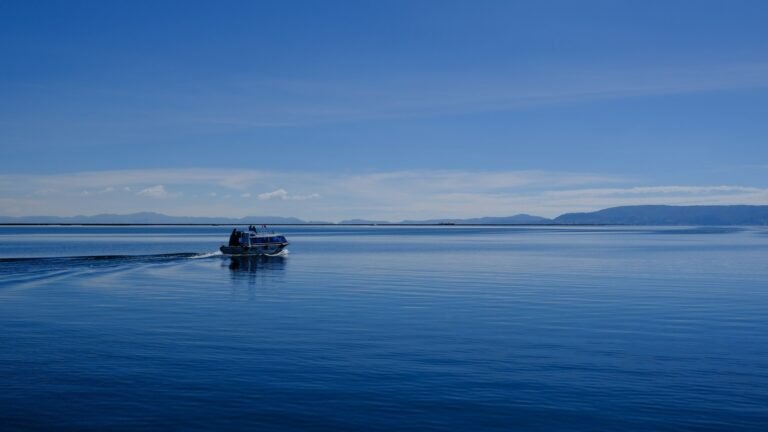
Lake Titicaca glitters on the Andean Altiplano between Peru and Bolivia, high enough that many first-time visitors feel the altitude the moment they step off the boat. Stretching roughly 120 miles (190 kilometers) from northwest to southeast, it is both a cultural heartland and one of South America’s great geographic extremes. UNESCO World Heritage Centre […]

Read more